
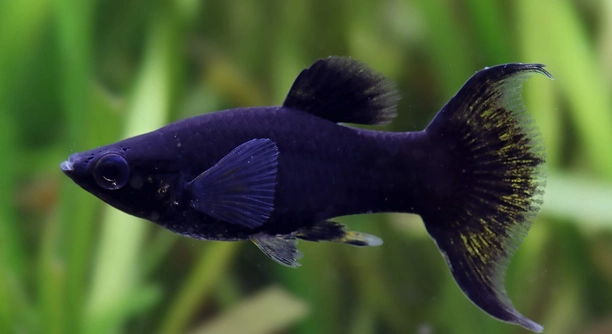
Black mollies are gentle fish that thrive in calm and stable environments. They are sensitive to sudden changes, and their daily routines can affect their overall health and behavior. Observing them carefully helps maintain their well-being.
There are specific times when black mollies should not be disturbed, including during feeding, breeding, molting, illness, acclimation to a new tank, water changes, and sudden environmental changes. Minimizing interference during these periods supports their health and natural behaviors.
Knowing when to give black mollies space ensures they remain healthy and stress-free. This guidance helps create a stable environment that supports their natural lifestyle.
Feeding Time
Black mollies are highly sensitive during feeding. They rely on routine, and any sudden disturbance can stress them out. When you add food, they become focused on foraging, and interruptions can make them scatter or refuse to eat. Over time, repeated disturbances may affect their appetite and overall health. I’ve noticed that keeping the tank quiet during feeding helps them feel secure. Using a consistent schedule ensures they know when to expect meals, reducing stress and promoting natural foraging behavior. Observing quietly from a distance allows them to eat calmly, and it also gives me a chance to see if any fish are struggling or showing signs of illness. Small adjustments, like turning off bright overhead lights or keeping sudden movements away from the tank, make a significant difference. Feeding is not just about nutrition; it is a crucial time for their comfort and stability.
Disturbing them during meals can lead to stress and irregular feeding habits, which impact health.
A quiet, consistent feeding routine encourages natural behavior. Fish learn when to expect food and can eat without rushing or competing aggressively. Minimal interference also allows me to notice any changes in appetite or behavior early. Stress-free feeding supports digestion and reduces the risk of illness, contributing to their long-term well-being.
Breeding Period
During breeding, black mollies require complete privacy. Any disturbances can interrupt courtship or egg-laying, potentially causing the female to eat eggs or abandon them.
Ensuring a calm environment helps maintain reproductive success and reduces stress for both male and female mollies.
Mollies during breeding are highly sensitive to light, vibrations, and sudden movements. They need a quiet, stable area with plenty of hiding spaces to feel secure. Males may display aggressive behavior toward each other or overly pursue females, so minimal interference helps reduce tension. By giving them space, I can observe natural behaviors without causing harm. This period is critical because stress can lead to lower fertility or disrupted spawning. Providing plants or shelters allows females to retreat if they feel threatened. Avoid tapping on the glass, moving decorations, or changing water conditions abruptly. By respecting their space during breeding, I help them maintain healthy reproductive behavior and ensure the next generation has the best chance to thrive.
Molting and Shedding
During molting, black mollies are extremely delicate. Disturbing them can cause stress and physical damage.
Molting is a natural process where mollies shed old skin and sometimes scales. During this time, they may hide more often or move slowly. I noticed my fish become more vulnerable to tank mates, so I make sure they have plenty of plants and shelters to retreat into. Any sudden movement or tapping on the tank can make them panic, which may harm their delicate skin or slow the shedding process. Observing quietly and avoiding interaction ensures the molting process proceeds smoothly and without unnecessary stress.
Providing a calm environment also helps mollies regain strength faster. A stress-free space during molting supports healthy growth and protects them from injuries or infections.
Acclimation to a New Tank
New tanks can overwhelm black mollies if disturbed. They need time to adjust to water chemistry, temperature, and surroundings without interference.
Acclimation is a critical period for mollies. I remember introducing new mollies into a tank and noticed immediate hiding and cautious swimming. By keeping the tank quiet and limiting interaction, I allowed them to gradually explore and adapt. Rapid changes or disturbances can trigger stress, leading to erratic swimming, refusal to eat, or illness. Plants, hiding spots, and gentle filtration reduce anxiety. Slow introduction of water changes and monitoring behavior helps me ensure they adjust safely and maintain health. Observing from a distance allows them to settle naturally without fear.
Patience during acclimation prevents long-term stress. Minimal interference helps mollies adapt, promoting stable behavior and strong immunity.
Illness and Recovery
When black mollies are sick, they need complete quiet. Disturbing them can worsen stress and delay recovery.
I noticed that isolating a sick molly and minimizing tank activity helps them regain strength. Quiet observation allows me to track symptoms without causing additional anxiety.
Water Changes
Sudden water changes can be stressful for black mollies. Gradual adjustments prevent shock and keep their environment stable.
Nighttime Rest
Black mollies rest at night and require darkness and calm. Disturbing them can disrupt sleep and increase stress.
How often should I feed my black mollies?
Black mollies do best with small, frequent meals. I feed mine two to three times a day, giving only as much food as they can finish in a few minutes. Overfeeding can pollute the tank and cause health problems, so portion control is essential. Observing their eating habits helps me adjust quantities. I also rotate between flakes, pellets, and occasional live or frozen foods to keep their diet balanced and nutritious. Watching them eat closely lets me notice if any fish are struggling or refusing food, which may indicate stress or illness.
Can black mollies be stressed by too much handling?
Yes, they are sensitive fish and can be stressed easily. I avoid netting or tapping on the glass unless absolutely necessary. Even moving decorations too quickly can alarm them. Stress can lower immunity and make mollies prone to illness, so I focus on minimizing interactions. A calm and consistent environment keeps them relaxed. Providing hiding spots and plants allows them to retreat if they feel threatened. Over time, I’ve seen that when mollies feel secure, they swim confidently and eat regularly. Maintaining water quality and temperature stability also reduces stress significantly.
Is it safe to keep black mollies with other fish?
Black mollies are generally peaceful but can be territorial with their own species during breeding. I keep them with other calm, similarly sized fish. Aggressive tank mates can stress them, so careful selection matters. Plants and hiding spots reduce conflicts and give everyone space. Watching interactions helps me adjust the tank setup if aggression arises. Avoiding overcrowding is critical to maintaining harmony. Mollies thrive in communities where they have room to explore. I also separate males if chasing becomes excessive, which protects females and reduces stress in the tank.
How do I know if my black molly is sick?
Signs of illness include loss of appetite, lethargy, clamped fins, unusual swimming patterns, or visible spots on the body. I monitor my fish daily and act quickly when something seems off. Prompt isolation and water checks often prevent the problem from spreading. Maintaining clean water and balanced nutrition supports immune health. Observing behavior is key because early signs are subtle. Sometimes illness manifests in hiding more than usual or reduced social activity. Keeping a simple log of behavior changes helps me identify patterns and detect problems early.
What temperature is best for black mollies?
Black mollies prefer water between 75 and 82 degrees Fahrenheit. I use a reliable heater and thermometer to maintain a stable range. Sudden drops or rises in temperature can stress them and trigger illness. Consistent water conditions are essential for breeding and general health. I also ensure proper aeration and gentle filtration, as this complements temperature stability. Seasonal changes can affect water, so I adjust heating gradually. Monitoring daily allows me to catch fluctuations before they impact the fish. A steady environment keeps mollies active, healthy, and stress-free.
Can black mollies handle changes in water chemistry?
They tolerate slight variations but sudden shifts in pH or hardness can be harmful. I gradually acclimate them when changing water or introducing new fish. Testing water parameters regularly helps me maintain safe conditions. Sudden chemicals or additives can stress them, so I add only what is necessary. Mollies thrive when pH stays between 7.0 and 8.0 and water hardness is moderate. Observing their behavior during adjustments lets me know if changes are too fast. A patient approach ensures they adapt without health problems, and regular monitoring keeps their environment stable.
Do black mollies need hiding spots?
Yes, they feel safer with plants, rocks, or decorations to retreat to. I include both tall plants and small nooks. Hiding spaces reduce stress, especially during breeding or molting. Providing these areas allows mollies to rest and explore confidently. Open swimming areas combined with shelters create a balanced environment. Even confident fish appreciate spaces to escape sudden movements or disturbances. I’ve seen my mollies interact more naturally and stay calmer when they have multiple hiding spots. Proper tank design supports their mental and physical health, making them active and stress-free.
How often should I clean the tank?
Partial water changes once a week work well. I avoid full cleanings unless necessary because disturbing the substrate or decorations too much can stress mollies. I remove debris, check filters, and top off water carefully. Regular cleaning prevents ammonia buildup and keeps fish healthy. Observation during maintenance allows me to notice changes in behavior or appearance. I always ensure the new water matches the tank’s temperature and chemistry to avoid shocks. Maintaining a clean but stable environment supports their health and reduces stress, allowing them to thrive naturally.
Can black mollies live alone?
They prefer small groups for social interaction. I’ve kept single mollies before, and they seemed more anxious and less active. A group of three to five helps them feel secure and exhibit natural behavior. Social interaction is important for mental stimulation, feeding activity, and overall well-being. Even in community tanks, observing group dynamics ensures no one is isolated or bullied. Providing companions improves their confidence and encourages healthy swimming and foraging habits. Solo mollies may survive, but they thrive with company, showing brighter colors and more energetic behavior.
Is breeding black mollies difficult?
Breeding is straightforward but requires a calm environment. I separate a few females from males to prevent stress from constant chasing. Providing plants or mesh breeding areas helps protect fry. Stable water, proper nutrition, and minimal disturbances are essential for successful breeding. Fry benefit from shallow, protected areas. Observing adult behavior allows me to anticipate breeding activity and reduce interference. Stressful conditions can cause females to eat eggs, so privacy is important. Regular feeding and water maintenance support reproductive health. Breeding black mollies is manageable if their environment is stable and calm, and careful observation ensures success.
How do I prevent aggression in the tank?
Aggression is common during breeding or when males compete. I space out males and add plants for hiding. Avoid overcrowding to reduce stress and fights.
What should I do if my black molly hides constantly?
Hiding can indicate stress, illness, or adjustment to a new tank. I monitor water conditions, provide shelters, and minimize disturbances. Observing over several days helps determine the cause and ensure their well-being.
Are black mollies sensitive to light?
They prefer moderate lighting. Too bright or sudden changes can stress them. I use adjustable lights and provide shaded areas to let them retreat, ensuring a calm environment for both rest and activity.
Can sudden noises affect black mollies?
Yes, vibrations or loud sounds can startle them. I keep tanks away from constant noise and avoid tapping or knocking on the glass. A stable, quiet environment supports calm behavior and reduces stress.
How do I help black mollies adapt to new tankmates?
I introduce new fish slowly, keeping an eye on interactions. Providing hiding spots and sufficient space prevents aggression. Gradual introductions allow mollies to adjust without stress, ensuring a harmonious tank environment.
What is the best way to monitor molly health daily?
Watching behavior, appetite, swimming patterns, and appearance provides early signs of stress or illness. I record observations and check water conditions to maintain optimal health. Regular monitoring helps me act before minor issues become serious.
How can I tell if water conditions are suitable?
Testing for pH, hardness, ammonia, nitrite, and nitrate levels regularly keeps the tank safe. I ensure stable temperature and chemical balance, making adjustments slowly to avoid stress. Observing fish behavior alongside testing provides a complete picture of tank health.
Is it normal for black mollies to hide often?
Yes, hiding is natural during rest, breeding, or molting. I provide sufficient shelters and observe their patterns. Consistent hiding in unusual spots may signal stress, illness, or poor water quality. Monitoring changes ensures timely intervention.
Do black mollies require special tank setups?
They need stable water, moderate lighting, plants, and hiding spots. I prioritize a calm environment with gentle filtration and regular maintenance to support health, stress-free behavior, and natural activity. A properly arranged tank encourages confident swimming and feeding.
Can I use tap water for black mollies?
Yes, if treated to remove chlorine and chloramines. I let treated water reach tank temperature before adding it, ensuring a smooth transition and reducing stress. Testing ensures chemical balance is safe for all fish.
How do I know when a molly is breeding-ready?
Mature females become rounder, and males display brighter colors and active chasing. I observe these signs and ensure privacy, shelter, and stable conditions for successful breeding without stress.
Are black mollies hardy fish?
They are generally resilient but sensitive to sudden changes. I maintain stable water, temperature, and diet, which keeps them healthy and reduces stress while allowing natural behaviors to flourish.
What common mistakes should I avoid?
Overfeeding, overcrowding, sudden water changes, and excessive disturbances cause stress and illness. I follow a consistent routine, provide hiding spots, and monitor conditions carefully to prevent problems.
How long do black mollies live?
With proper care, they live three to five years. Maintaining stable water, a balanced diet, and a calm environment helps them reach their full lifespan. Observing health regularly ensures they remain active and stress-free.
Black mollies are gentle and sensitive fish that thrive in calm, stable environments. Throughout the time I have kept them, I have noticed how easily they can become stressed when their routines are disrupted or their space is disturbed. Feeding times, breeding periods, molting, illness, acclimation to a new tank, water changes, and nighttime rest are all moments when they need privacy and minimal interference. Respecting these times helps maintain their health and reduces unnecessary stress. Even small disturbances, such as tapping on the glass, moving decorations, or sudden light changes, can have a noticeable effect on their behavior. By observing quietly and providing a consistent routine, I can ensure that my black mollies remain active, healthy, and comfortable in their environment. A calm tank allows them to swim confidently, interact naturally, and exhibit their full range of behaviors without fear or tension.
Providing a suitable environment requires more than just keeping the water clean. Hiding spots, plants, gentle filtration, and stable water parameters all play a role in their well-being. I have found that even confident mollies benefit from having areas to retreat to when they feel threatened or during sensitive periods like breeding or molting. Gradual changes to their environment, slow water adjustments, and careful acclimation when introducing new fish are also critical for reducing stress. Over time, I have seen how these small measures can make a significant difference. Fish that feel secure in their environment are more likely to eat consistently, swim actively, and show brighter coloration. Paying attention to details like water temperature, pH, and hardness helps maintain a stable environment, which supports both short-term comfort and long-term health. By combining consistent routines with thoughtful tank management, black mollies can thrive and remain resilient.
Taking care of black mollies is a practice in patience and observation. Their sensitivity to disturbances teaches the importance of creating a predictable and calm environment. I have learned that providing a balance between open swimming space and sheltered areas helps them feel safe while encouraging natural behavior. Daily observation allows me to notice changes in behavior or appetite that could indicate stress or illness, enabling me to act promptly. By respecting their need for privacy during key times and minimizing sudden disturbances, I can support their health, happiness, and natural instincts. Maintaining stable water conditions, offering a nutritious diet, and arranging the tank thoughtfully ensures they remain active and stress-free. Understanding their needs and adjusting the environment accordingly has made a noticeable difference in their overall well-being. Black mollies flourish when given space, routine, and care, showing how attention to detail and patience create a thriving and balanced habitat for these delicate yet resilient fish.

Hello,
If you enjoy the content that we create, please consider saying a "Thank You!" by leaving a tip.
Every little bit helps us continue crafting quality advice that supports the health, happiness, and well-being of pets around the world, for pets of all shapes, sizes, and species.
We really appreciate the kindness and support that you show us!