
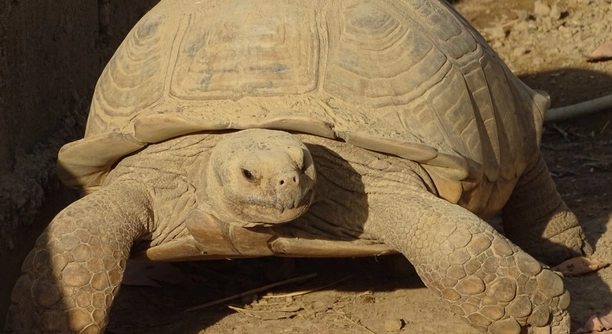
Caring for a sulcata tortoise can be a rewarding experience, but it’s important to avoid common mistakes to ensure their well-being. Proper care involves understanding their dietary needs and habitat requirements.
Feeding a sulcata tortoise requires providing a balanced diet rich in fiber, calcium, and low in protein. Mistakes like offering improper food, overfeeding, or neglecting hydration can negatively impact their health, leading to digestive issues and shell deformities.
Correct feeding habits are essential for their long-term health. Understanding these factors can help you provide the best care possible for your tortoise.
Mistake 1: Feeding Too Much Protein
Sulcata tortoises are herbivores, and their diet should be mostly plant-based. Offering them too much protein, like meat or high-protein pellets, can lead to kidney problems and other health issues. It’s essential to stick to leafy greens, grasses, and a few fruits in moderation. This helps maintain their digestive health and prevents excess weight gain.
A high-protein diet can result in the improper growth of their shells and potential internal issues. Always focus on providing appropriate vegetation and avoid adding animal-based foods to their meals.
When feeding sulcatas, it’s important to know the right balance. Overfeeding protein can cause stress on their digestive system. Keeping their diet plant-based ensures that their growth remains steady and healthy.
Mistake 2: Offering the Wrong Vegetables
Certain vegetables are not suitable for sulcata tortoises, such as spinach or lettuce. These can cause digestive issues due to their high oxalate content or lack of nutritional value. Stick to grasses and leafy greens like dandelion, collard greens, and clover to keep them nourished.
Choosing the right greens is crucial for a balanced diet. Providing the wrong vegetables can create problems in their digestive system, causing discomfort and potential long-term health problems. Stick to the basics, like hay, grasses, and calcium-rich plants to ensure proper nutrition.
Mistake 3: Not Providing Enough Fiber
Fiber is a vital part of a sulcata tortoise’s diet. Without enough fiber, they can face digestive issues like constipation. The best way to provide fiber is through hay, grasses, and high-fiber leafy vegetables. Always ensure that your tortoise has access to plenty of fiber.
Fiber helps their digestive system run smoothly. A lack of it can lead to slow digestion, making it harder for the tortoise to process food. Long-term, this could lead to health complications like impaction. Providing hay and grass regularly is essential for their well-being and digestive health.
Making sure that your sulcata tortoise gets enough fiber will help prevent these issues. You can offer a mix of grasses and fiber-rich greens like dandelion greens or kale to meet their needs. Regular access to roughage will support healthy digestion, making it a key part of their care routine.
Mistake 4: Not Monitoring Hydration
Sulcata tortoises are prone to dehydration, especially in dry climates. Without enough water, their kidneys may struggle to function correctly, leading to serious health problems. Offer fresh water daily and ensure that they have access to it throughout the day.
Dehydration in sulcata tortoises can be difficult to spot at first, but it can cause major health issues, including lethargy, dry skin, and irregular shell growth. Always provide clean, fresh water in a shallow dish. This will encourage your tortoise to drink regularly and stay hydrated.
For tortoises in hotter climates, providing a humid environment can also help maintain hydration. Keep a shallow water dish with fresh water at all times. Adding misting or a shallow soaking area helps them hydrate naturally.
Mistake 5: Feeding Inconsistent Portions
Feeding your sulcata tortoise inconsistent portions can cause nutritional imbalances. It’s important to feed them a set amount of food each day. Overfeeding or underfeeding can lead to obesity or malnutrition. Stick to a regular feeding routine.
Portion control is key to maintaining a healthy weight. Overfeeding can lead to excessive fat buildup, while underfeeding can result in stunted growth. Be sure to monitor how much food you provide each time and adjust accordingly based on your tortoise’s size and age.
Mistake 6: Not Providing UVB Lighting
UVB lighting is essential for sulcata tortoises to synthesize vitamin D3. Without it, they can develop shell deformities and metabolic bone disease. Ensure that your tortoise has access to UVB lighting for 10-12 hours daily.
Tortoises need UVB rays to help them process calcium properly. Without this light, they cannot absorb calcium, leading to serious health issues. You can use special UVB bulbs to create a safe environment for your tortoise to thrive. This is one of the most important elements in their care routine.
FAQ
How often should I feed my sulcata tortoise?
Sulcata tortoises should be fed once a day, but their diet should consist mostly of high-fiber plants. You can adjust the portion size based on their age and size. Juveniles may need slightly more food, while adults require less. Consistency in feeding is key.
Can I feed my sulcata tortoise fruit every day?
Fruits should be offered sparingly, around once or twice a week. While tortoises enjoy fruit, it is high in sugar and should not make up a large portion of their diet. Stick to safe fruits like melon or berries and avoid overly sweet or acidic varieties.
What type of hay is best for my sulcata tortoise?
The best hay for a sulcata tortoise is grass hay, like timothy hay or Bermuda grass hay. These hays are rich in fiber, which is essential for their digestive health. Avoid alfalfa hay, as it is too high in protein and calcium for adult tortoises.
Can sulcata tortoises eat lettuce?
Some lettuce varieties, such as romaine, can be given in moderation, but it should not be a staple in their diet. Lettuce has low nutritional value and high water content, so it is best used as an occasional treat. Opt for more nutrient-dense greens like collard greens or dandelion greens.
How much water does a sulcata tortoise need?
Sulcata tortoises need a consistent supply of fresh water. They do not drink frequently, but dehydration can quickly become a problem. Provide fresh water in a shallow dish at all times, and offer them a soak once a week to help them hydrate properly.
What temperature should I keep my sulcata tortoise’s habitat?
Sulcata tortoises need a warm environment. The temperature should range between 80-90°F (27-32°C) during the day, with a basking spot reaching around 100°F (38°C). Nighttime temperatures should not fall below 70°F (21°C). It’s important to have a temperature gradient in their enclosure to allow them to regulate their body heat.
Can sulcata tortoises live outdoors?
Yes, sulcata tortoises can live outdoors, provided the climate is warm enough. They thrive in temperatures between 80-95°F (27-35°C). If you live in a cooler climate, it’s important to house them indoors during the colder months. Always provide them with a safe, secure outdoor area free from predators.
How long do sulcata tortoises live?
Sulcata tortoises can live for 50 years or more with proper care. Their long lifespan requires a commitment to providing appropriate food, habitat, and health care throughout their life. Ensure that their environment stays suitable as they grow, and be prepared for long-term care.
Can I feed my sulcata tortoise grass clippings from my yard?
Grass clippings can be risky because they may have been treated with pesticides or herbicides. If you want to feed grass from your yard, ensure that it has not been sprayed with chemicals. It’s always safer to provide organic or untreated grass.
How can I tell if my sulcata tortoise is healthy?
A healthy sulcata tortoise will have a smooth, hard shell, clear eyes, and be active and alert. Watch for signs of illness, such as lethargy, swollen eyes, or irregular shell growth. If you notice anything unusual, it’s best to consult a reptile vet.
What do I do if my sulcata tortoise is not eating?
If your tortoise is not eating, check their environment. Ensure they are in the right temperature range and have access to clean water. Stress or illness can cause loss of appetite. If the issue persists, it’s important to take them to a veterinarian who specializes in reptiles.
Can sulcata tortoises get along with other animals?
Sulcata tortoises are generally solitary creatures and can be territorial. They may not get along with other animals, especially if there’s competition for food or space. It’s important to monitor interactions with other pets closely to prevent stress or aggression.
Should I use supplements for my sulcata tortoise?
Sulcata tortoises may benefit from calcium and vitamin D3 supplements, especially if they don’t get enough UVB light. However, always consult a vet before adding supplements to their diet, as over-supplementation can lead to health problems. Calcium is especially important for their shell health.
How big can a sulcata tortoise get?
Sulcata tortoises are the third-largest species of tortoise in the world. They can grow up to 30 inches long and weigh over 100 pounds. As they grow, it’s essential to ensure that they have a large enough enclosure to move around comfortably.
What should I do if my sulcata tortoise’s shell is soft?
A soft shell can be a sign of metabolic bone disease, usually caused by a calcium deficiency or lack of UVB exposure. Ensure your tortoise gets proper nutrition, calcium, and UVB light. If the shell remains soft, consult a vet immediately for further evaluation and treatment.
Can I keep a sulcata tortoise indoors?
Yes, sulcata tortoises can be kept indoors, but they need a spacious enclosure with proper lighting, heating, and UVB exposure. They require room to roam and dig, so a large indoor habitat is necessary. An outdoor area is preferable if you live in a warm climate.
Do sulcata tortoises hibernate?
Sulcata tortoises do not hibernate like some other tortoises. However, they may slow down during cooler months. It’s important to keep their habitat warm enough throughout the year to prevent them from becoming too lethargic or inactive.
Final Thoughts
Taking care of a sulcata tortoise requires consistent effort and attention to detail. These tortoises are long-lived and can thrive in the right environment with proper care. Ensuring they have a balanced diet, ample space, and the right temperature and lighting are essential for their well-being. Regularly monitoring their health and adjusting their habitat as they grow will help keep them comfortable and healthy for years to come.
While it may seem overwhelming at first, following a few basic guidelines can make a huge difference. Feeding them the right foods, avoiding overfeeding, and ensuring they have access to fresh water are key factors in maintaining a healthy tortoise. Additionally, providing UVB light is critical for their ability to absorb calcium, which is essential for a strong shell and bones. Regular check-ups with a reptile vet can also help you spot any potential health issues early, preventing more serious problems later.
Lastly, remember that sulcata tortoises are social animals, but they do not require constant attention. They thrive best in a secure, well-maintained environment where they can enjoy the right conditions for growth. Whether housed indoors or outdoors, they need a safe and stimulating environment to keep them active and healthy. With patience and care, you can enjoy a long-lasting relationship with your sulcata tortoise, watching it grow and thrive over the years.

Hello,
If you enjoy the content that we create, please consider saying a "Thank You!" by leaving a tip.
Every little bit helps us continue crafting quality advice that supports the health, happiness, and well-being of pets around the world, for pets of all shapes, sizes, and species.
We really appreciate the kindness and support that you show us!