
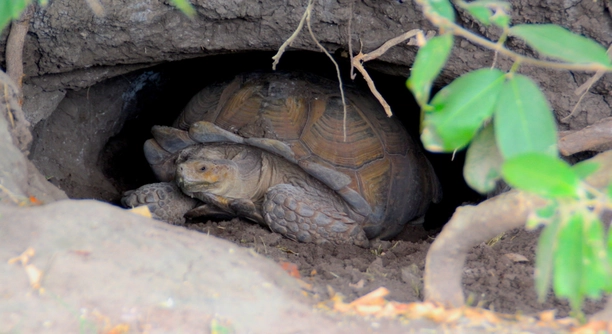
If your sulcata tortoise has been walking in circles, you may be wondering what could be causing this behavior. Tortoises are known for their unique habits, and sometimes they can display odd actions that need attention.
Circular walking in sulcata tortoises can be a sign of stress, illness, or environmental issues such as improper temperature, humidity, or space. It could also result from natural behavior or even a simple lack of stimulation.
Understanding the reasons behind this behavior can help you address any concerns and create a more comfortable environment for your tortoise.
Common Causes of Circling Behavior in Sulcata Tortoises
When your sulcata tortoise walks in circles, it’s often a sign that something is off in its environment. Tortoises can become stressed for various reasons, which can lead them to move in repetitive patterns. This behavior can be caused by a variety of factors such as improper temperature or humidity, a lack of stimulation, or even stress from being housed in a small area. Sulcata tortoises are large, active animals that need plenty of space to roam. When they don’t have enough room, they can resort to walking in circles out of frustration. Additionally, if their enclosure is too hot or too cold, they may walk in circles as they attempt to find a more comfortable area. Another possible reason for this behavior is an underlying health problem, such as an infection or neurological issue, which should be looked into by a vet.
Understanding the root cause of this behavior is crucial. Make sure to observe if there are any environmental changes or signs of illness in your tortoise.
If your tortoise’s behavior changes suddenly, it’s important to take a closer look at its living conditions. A too-small enclosure, lack of enrichment, or changes in temperature could all trigger circling. It’s vital to recreate a natural and comfortable space where your tortoise can thrive.
How to Address Circling in Sulcata Tortoises
If you notice your sulcata tortoise walking in circles, it’s a good idea to check its habitat. Ensure the temperature and humidity levels are correct, as both play a large role in a tortoise’s comfort. Sulcata tortoises are native to arid, warm climates and require a basking area of around 95°F, with a cooler area of about 75°F. If these conditions aren’t met, it could stress your tortoise and cause unusual behaviors. Make sure your tortoise’s enclosure has enough space to roam. They need a lot of room to move, so a cramped living space could be a key factor in the constant circling. Adding natural elements like rocks, plants, and other items can also help to keep your tortoise engaged and prevent boredom.
Taking these steps will help you create a more suitable environment and reduce repetitive behavior like walking in circles. You can also add more hiding spots and climbing areas to give your tortoise more things to explore.
Stress and Anxiety in Sulcata Tortoises
Stress can be a major factor in why your sulcata tortoise walks in circles. When they feel threatened or uncomfortable, they may display repetitive behaviors. Changes in their environment, loud noises, or even the presence of other animals can trigger this. Stress in tortoises is not always easy to spot, but circling is one common symptom.
Tortoises are sensitive creatures and can become anxious when they sense changes in their habitat. For example, sudden shifts in temperature or light levels can stress them out, causing abnormal behavior like circling. If a tortoise feels trapped or unable to escape, it may walk in circles, searching for a way out. If this happens regularly, it’s important to reassess the environment to make sure it’s peaceful and secure.
Additionally, the presence of other pets or animals can also cause stress. If your sulcata tortoise feels threatened by another animal, even unintentionally, it could start pacing or walking in circles. Keeping your tortoise in a quiet, safe space with limited distractions can help alleviate stress.
Space and Enclosure Size
A cramped enclosure is a common reason for circling in sulcata tortoises. These animals are naturally large and active, requiring plenty of room to move around. If the space is too small, your tortoise might resort to repetitive behaviors.
Sulcata tortoises are known for being one of the largest tortoise species, so their habitat needs to reflect that. A too-small enclosure can cause frustration and anxiety, leading them to walk in circles as they look for more space. This can also cause physical strain on their joints and limbs, affecting their overall health. Make sure the enclosure is spacious enough to let your tortoise move freely.
The enclosure should also have enough room for proper environmental features, like basking areas, hideouts, and safe spots to regulate temperature. Providing more space not only helps reduce circling but also promotes a healthier, more active lifestyle for your tortoise.
Temperature and Humidity Imbalance
Sulcata tortoises require specific temperature and humidity levels to stay healthy. If these conditions aren’t met, they can become stressed, causing them to walk in circles. This can happen if they’re too hot or too cold.
A basking area with a temperature of around 95°F is necessary for digestion and overall well-being. The rest of the enclosure should be cooler, with a temperature around 75°F. Humidity should be maintained at moderate levels to mimic their natural desert environment. If either temperature or humidity is off, your tortoise might show signs of discomfort, including circling.
To maintain these conditions, consider using heat lamps, thermostats, and a hygrometer. Adjusting these factors can greatly improve your tortoise’s comfort and reduce any repetitive behavior caused by environmental stress.
Boredom and Lack of Stimulation
Tortoises are intelligent creatures and need stimulation to stay mentally and physically active. A lack of enrichment can lead to behaviors like circling. When there’s nothing to explore or interact with, they may start repeating actions to pass time.
Adding variety to your tortoise’s enclosure can help prevent boredom. You can include rocks, logs, or plants that encourage natural behaviors like climbing and foraging. It’s also a good idea to let them roam outside of their enclosure in a safe, controlled environment to explore new areas and experiences.
FAQ
What should I do if my sulcata tortoise is walking in circles?
If your sulcata tortoise is walking in circles, first check the temperature and humidity of its enclosure. Ensure the basking area is around 95°F, and the cooler side is about 75°F. Adjust the humidity to reflect a moderate level. If the environment seems correct, evaluate its space. A cramped area can lead to stress, so ensure the enclosure is large enough for it to roam freely. If the behavior persists, it’s best to consult a veterinarian to rule out any health problems or neurological issues.
Can stress cause my sulcata tortoise to walk in circles?
Yes, stress can cause sulcata tortoises to walk in circles. This behavior often arises when they feel threatened or uncomfortable in their environment. Common stressors include sudden changes in temperature, loud noises, or the presence of other animals. A tortoise may also become stressed if its enclosure is too small or lacks sufficient hiding spots. Reducing these stressors and ensuring a peaceful, secure environment can help alleviate the circling behavior.
How much space does my sulcata tortoise need in its enclosure?
Sulcata tortoises are large animals that require a spacious enclosure. As a general rule, their living space should be at least 100 square feet. If you keep multiple tortoises, you’ll need even more space to accommodate them comfortably. A cramped enclosure can lead to stress, frustration, and repetitive behaviors like circling. Providing ample space for your tortoise to roam and explore is essential for its health and well-being.
How can I tell if my sulcata tortoise is stressed?
Signs of stress in a sulcata tortoise include unusual behavior like walking in circles, hiding more than usual, or being less active. Other signs might include loss of appetite, changes in its activity level, or aggression. Stress can stem from factors such as improper environmental conditions, overcrowding, or the presence of other animals. Monitoring your tortoise’s behavior closely and making adjustments to its environment can help reduce stress.
What temperature and humidity levels are best for my sulcata tortoise?
Sulcata tortoises thrive in temperatures that mimic their natural desert habitat. The basking area should be around 95°F, while the cooler side of the enclosure should be 75°F. Nighttime temperatures should not drop below 70°F. As for humidity, keep it moderate, around 30-50%. Too much moisture can cause respiratory problems, while too little can lead to dehydration. Maintaining these conditions is key to ensuring your tortoise stays healthy and stress-free.
Can a small enclosure make my sulcata tortoise walk in circles?
Yes, a small enclosure can contribute to circling behavior. Sulcata tortoises are large, active animals, and they require plenty of space to move around. If the enclosure is too small, they may feel trapped and resort to repetitive behaviors like walking in circles. Additionally, a cramped space may cause physical strain and stress, which can affect their overall health. Providing a larger, more stimulating environment is essential for your tortoise’s well-being.
Is it normal for my sulcata tortoise to pace around its enclosure?
Pacing is a behavior that can occur if a sulcata tortoise is feeling restless or stressed. It may pace in search of food, water, or a way out if it feels confined. While some pacing is normal, excessive or repetitive pacing can indicate that your tortoise is not comfortable with its environment. Check the temperature, humidity, and space to ensure everything is suitable for your tortoise’s needs. If the pacing continues, consider adding enrichment or consulting a vet for further advice.
Can health problems cause my sulcata tortoise to walk in circles?
Yes, health problems can lead to circling in sulcata tortoises. Neurological issues, infections, or even joint problems could cause your tortoise to display repetitive behaviors. If you notice a sudden change in behavior, such as consistent circling, it’s important to have your tortoise checked by a veterinarian. A vet will be able to diagnose and treat any underlying health issues that might be contributing to this unusual behavior.
How can I prevent my sulcata tortoise from becoming bored?
Sulcata tortoises need mental and physical stimulation to stay happy and healthy. To prevent boredom, offer them variety in their environment. Adding rocks, logs, and plants to their enclosure encourages natural behaviors like climbing, foraging, and exploring. You can also give them opportunities to roam outside their enclosure in a safe, enclosed area. Regularly changing their surroundings and adding new objects can keep them engaged and reduce the likelihood of repetitive behaviors like circling.
When should I consult a vet about my sulcata tortoise’s circling behavior?
If your sulcata tortoise is consistently walking in circles despite changes to its environment, it’s time to consult a veterinarian. A vet can help identify any health issues that may be causing the behavior, such as neurological disorders or infections. Regular check-ups are important for monitoring your tortoise’s overall health, so don’t hesitate to seek professional help if the circling behavior persists or worsens.
Final Thoughts
Understanding why your sulcata tortoise walks in circles is crucial to ensuring its well-being. Circling behavior can be caused by various factors, such as stress, boredom, or environmental issues. If you notice your tortoise walking in circles, it’s important to assess its surroundings and health. Stress and anxiety can cause this behavior, so a peaceful environment is key. Make sure there are no loud noises, other animals that might be causing stress, or sudden changes in temperature. These are easy things to check and can often help alleviate the behavior.
Another factor to consider is the size of your tortoise’s enclosure. Sulcata tortoises are large animals that require plenty of space to roam. A small enclosure can lead to frustration and repetitive behaviors like walking in circles. It’s essential to give your tortoise enough room to explore and stay active. If you’re unsure whether your enclosure is large enough, it’s a good idea to measure the space and ensure it meets the requirements for this species. Adding natural elements like rocks and plants can also provide enrichment and encourage natural behaviors.
Lastly, if the behavior continues despite improving the environment, it’s important to consult a veterinarian. Circling could indicate an underlying health issue that needs attention. A vet will be able to determine whether there are any medical concerns causing the behavior and offer treatment options if necessary. Regular health checks for your tortoise are essential, as early intervention can help prevent more serious issues in the future. By creating a comfortable and stimulating environment for your sulcata tortoise, you can help reduce circling and ensure its long-term health and happiness.

Hello,
If you enjoy the content that we create, please consider saying a "Thank You!" by leaving a tip.
Every little bit helps us continue crafting quality advice that supports the health, happiness, and well-being of pets around the world, for pets of all shapes, sizes, and species.
We really appreciate the kindness and support that you show us!