
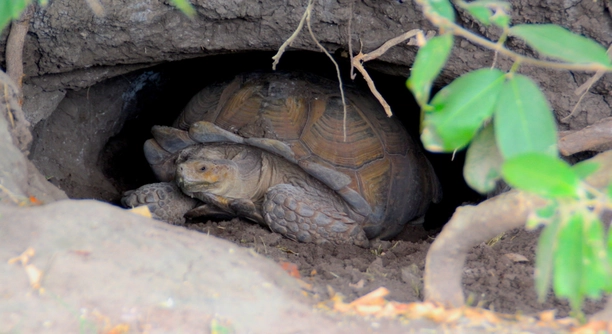
Sulcata tortoises are popular pets known for their large size and gentle nature. However, just like any other pet, it’s important to monitor their health. Overweight tortoises can face serious health issues that should not be ignored.
An overweight Sulcata tortoise can be identified by its rounder, wider shape, with a noticeable increase in body fat around the legs and neck. Regularly measuring their weight and monitoring their diet are effective methods to prevent obesity.
Being aware of these signs can help you manage your tortoise’s health. Understanding proper care is essential for their long-term well-being.
Recognizing the Signs of an Overweight Sulcata Tortoise
When your Sulcata tortoise begins to show signs of excess weight, you may notice a few physical changes. Their shell may appear to be less defined, with the body becoming rounder. The fat around their neck, legs, and tail may increase in size, making them look bloated. It’s important to regularly observe and compare their size over time, as it can sometimes be difficult to spot a weight issue at first glance. Regularly measuring their weight will help determine if your tortoise is on the right track.
Tracking changes in your tortoise’s behavior can also give clues to weight issues. Slower movement, reduced activity levels, or even reluctance to move at all can indicate discomfort caused by excess weight.
Excess weight can put a strain on your tortoise’s joints and internal organs, leading to potential long-term health problems. Avoid overfeeding them high-calcium foods or those that are too rich in fat. A balanced diet with the right ratio of fiber and nutrients will keep your Sulcata healthy. Regular exercise and a proper habitat that encourages natural movement should also be prioritized.
Diet and Feeding Habits
A poor diet contributes significantly to your tortoise becoming overweight. Overfeeding, especially with high-calcium vegetables, can lead to an unhealthy increase in weight. Sulcatas naturally graze on high-fiber, low-calorie foods in their native habitat.
Offering a variety of fiber-rich foods like grasses, weeds, and hay can help keep them at a healthy weight. These foods will encourage natural grazing behaviors and prevent your tortoise from overeating. Limiting fruits and high-calcium greens will also reduce the risk of excess weight gain. Adjusting portion sizes based on your tortoise’s size and activity level is essential.
Overfeeding them can cause their body to store more fat than it should. This leads to an increased risk of health issues, such as metabolic bone disease and respiratory problems. Avoid feeding them a diet that lacks variety. A mix of fresh vegetables, grasses, and some fruits, along with occasional high-fiber hay, should make up their meals. A balanced diet combined with physical activity will ensure your Sulcata tortoise thrives.
Health Risks of an Overweight Sulcata Tortoise
Excess weight can cause significant health problems for Sulcata tortoises. Their bones, joints, and internal organs may become strained, leading to issues like arthritis or heart disease. Regular weight checks are vital to avoid these complications.
When tortoises are overweight, the pressure on their joints can result in painful movement. This is especially true for Sulcatas, as their large size already puts a lot of strain on their limbs. Over time, this can affect their ability to walk properly, leading to further health issues. If not addressed, these problems can hinder their natural behaviors.
Obesity can also impact your tortoise’s respiratory health. The extra fat can make it harder for them to breathe, increasing the risk of respiratory infections. By maintaining a balanced diet and active lifestyle, you reduce the likelihood of these risks developing.
Exercise and Activity
Exercise is crucial to maintaining a healthy weight in Sulcata tortoises. Without enough movement, they can easily become overweight, which affects their overall health.
Creating an environment that encourages movement is key. Your tortoise needs plenty of space to roam, explore, and graze naturally. A large outdoor enclosure with grass, rocks, and safe hiding spots will promote active behavior. You can also gently encourage them to walk by setting up obstacles or paths that require them to move.
A lack of exercise can lead to muscle atrophy and slow metabolism. It’s essential to keep them moving, whether through outdoor exploration or by designing a stimulating indoor habitat. Providing opportunities for exercise supports their well-being and helps prevent obesity-related health issues.
Monitoring Your Sulcata Tortoise’s Weight
Weighing your tortoise regularly helps ensure they maintain a healthy weight. This can be done using a digital scale, ideally once a month. Keeping track of their weight over time helps identify any changes that might indicate weight gain or health issues.
It’s important to note that small fluctuations in weight are normal, but significant increases should be addressed. If your Sulcata seems to be gaining weight too quickly, adjust their diet or increase their exercise. Early intervention can prevent serious health problems down the road.
Setting Up the Right Habitat
An ideal habitat encourages your Sulcata tortoise to move freely and eat properly. Providing space to roam and graze naturally helps prevent weight gain.
A large outdoor enclosure with plenty of room for exercise and access to grazing will support their active lifestyle. Offering natural elements like rocks, sand, and grass will also provide enrichment. Regular access to sunlight is important for their metabolism and overall health.
Adjusting Feeding Schedules
The frequency of feeding plays a role in weight management. Overfeeding, even with the right food, can lead to obesity.
Establish a consistent feeding routine. Offering food every day or every other day, based on their age and size, will keep them at a healthy weight. Ensure meals are balanced and appropriate for their nutritional needs.
FAQ
What should I feed my Sulcata tortoise to maintain a healthy weight?
To maintain a healthy weight, feed your Sulcata tortoise a high-fiber, low-fat diet. Grasses, hay, and leafy greens like dandelion and collard greens should be the main components of their diet. Avoid feeding them too much fruit or high-calcium greens, which can lead to weight gain. Offering a variety of safe plants will help mimic their natural diet. Portion control is important, so keep an eye on their food intake and make sure they’re getting the right balance of nutrients.
How can I tell if my Sulcata tortoise is underweight or overweight?
To determine whether your Sulcata is underweight or overweight, look at their overall body shape. An overweight tortoise will appear rounder, with fat deposits around their legs, neck, and tail. Their shell may also seem less defined. On the other hand, an underweight tortoise will have a more visible, sharp-looking shape, with ribs or bones easily seen under the skin. Regularly checking their weight can help you keep track of their condition.
Is it okay to give my Sulcata tortoise fruits?
While fruits can be offered occasionally, they should not make up a large portion of your Sulcata’s diet. Fruits are high in sugar, which can contribute to obesity. Limit fruits like melons, berries, and bananas to treats once or twice a week. Instead, focus on providing high-fiber vegetables and grass, which are better for long-term health.
How much exercise does my Sulcata tortoise need?
Sulcata tortoises require daily exercise to stay healthy and avoid weight gain. A large outdoor enclosure with enough space for grazing and walking will naturally encourage them to be active. They should have access to safe outdoor environments where they can explore, graze, and move around. If your tortoise is kept indoors, set up an enclosure with obstacles to encourage movement. Ensure your Sulcata has enough room to walk around freely without too much restriction.
Can a Sulcata tortoise lose weight if it’s already overweight?
Yes, a Sulcata tortoise can lose weight, but it requires proper diet and exercise. Gradually reduce high-calcium foods and limit fruits. Increase their exercise by providing more space and opportunities for walking. A healthy weight loss plan for tortoises should involve balanced nutrition and physical activity, not drastic changes. It’s important to monitor their progress closely and adjust their care plan accordingly.
What are the common health problems of an overweight Sulcata tortoise?
Overweight Sulcata tortoises can develop joint problems, respiratory issues, and heart disease. Excess fat can put unnecessary pressure on their joints, leading to arthritis or difficulty moving. Respiratory issues may also arise due to the pressure on their lungs. Long-term obesity can affect their internal organs, making it harder for them to digest food properly and breathe easily. Ensuring your tortoise stays at a healthy weight can prevent these issues.
How do I adjust my Sulcata’s feeding schedule to avoid weight gain?
Adjusting your Sulcata’s feeding schedule depends on their age and size. Adult tortoises typically need to be fed every other day or every third day, while younger tortoises should be fed daily. Portion control is key—offer enough food to meet their nutritional needs, but avoid overfeeding. Keep their diet high in fiber and low in fat to maintain a healthy weight. You may also want to limit treats and high-calcium greens to prevent excessive weight gain.
Can Sulcata tortoises be kept indoors?
Yes, Sulcata tortoises can be kept indoors, but it’s important to provide them with a large enough space. They need room to move, so a large enclosure with access to UVB light is essential. Indoor enclosures should have elements that mimic their natural environment, such as rocks, grass, and places to hide. You should also be prepared to take them outside for exercise regularly to prevent obesity. If you plan on keeping your Sulcata indoors, ensure they have plenty of space and an environment that encourages movement.
What should I do if my Sulcata tortoise stops moving?
If your Sulcata tortoise stops moving, it could be a sign of health problems, including obesity or other underlying issues. First, check for any physical signs of injury or discomfort. Make sure they are in a suitable environment with appropriate temperature, humidity, and space. If they seem lethargic or refuse to eat, it’s important to consult a veterinarian. Lack of movement could indicate that they are in pain, or that they are not receiving enough stimulation or exercise.
How often should I take my Sulcata tortoise to the vet?
Regular veterinary checkups are important to monitor the overall health of your Sulcata tortoise. While Sulcatas are hardy animals, it’s recommended to take them to the vet once a year for a routine health check. If you notice any signs of weight gain, lethargy, or other health concerns, consult your vet immediately. Regular visits will ensure that any issues are caught early and treated appropriately.
Final Thoughts
Maintaining a healthy weight for your Sulcata tortoise is essential for their overall well-being. Regular monitoring of their weight and health can help identify any early signs of weight gain or other health issues. By adjusting their diet and providing enough space for exercise, you can prevent obesity and its related health problems. It’s important to remember that a Sulcata’s needs change as they grow, so be prepared to adjust their care plan accordingly. A balanced diet and adequate exercise are key components in supporting their long-term health.
When managing your Sulcata tortoise’s weight, it’s crucial to focus on the quality of their diet. High-fiber, low-calcium foods such as grasses and leafy greens should be their main source of nutrition. While treats like fruits can be offered occasionally, they should not make up a significant part of their diet. Overfeeding, even with healthy foods, can still lead to weight gain. Portion control is an effective way to ensure they are eating the right amount. Keeping track of their weight and eating habits will help you spot any potential issues before they become more serious.
Lastly, providing your Sulcata with a spacious and stimulating environment will encourage them to stay active. Whether they are housed indoors or outdoors, ensuring they have enough room to roam and graze will keep them physically engaged. Regular exercise is important not only for weight management but also for their overall health. If your Sulcata becomes sedentary, it may be time to reassess their habitat or daily routine. By staying vigilant and consistent in your care, you can help ensure your Sulcata tortoise stays healthy, happy, and at a proper weight.

Hello,
If you enjoy the content that we create, please consider saying a "Thank You!" by leaving a tip.
Every little bit helps us continue crafting quality advice that supports the health, happiness, and well-being of pets around the world, for pets of all shapes, sizes, and species.
We really appreciate the kindness and support that you show us!