
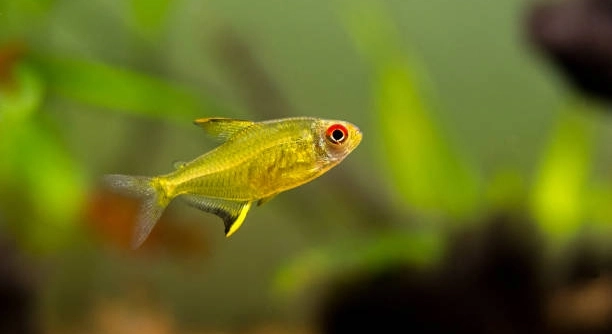
Are your lemon tetras acting strangely near the filter, staying in corners and avoiding the main flow of water? Many fish owners notice this behavior and wonder what might be causing it in their tank environment.
Lemon tetras often avoid the filter due to strong water currents, stress from sudden changes, or territorial instincts. Ensuring proper flow, consistent water parameters, and adequate hiding spots can help these fish feel secure and more active around the tank.
Understanding these factors will help improve your tank setup and create a more comfortable space for your lemon tetras to thrive naturally.
Understanding Filter Flow and Tank Currents
Lemon tetras are small, delicate fish that prefer gentle water currents. A filter that produces a strong flow can make them feel unsafe or stressed. If your fish constantly avoid the filter area, it is often because the water movement is too intense. Over time, this can affect their swimming patterns, feeding behavior, and overall comfort. Adjusting the filter output or adding decorations to break the current can create calmer zones in the tank. Observing your tetras at different times of the day can help identify whether the flow is affecting their behavior or if other factors like lighting or tankmates play a role. Providing hiding spots with plants or rocks near the filter allows your tetras to feel secure without completely avoiding the area. A balanced environment encourages natural swimming patterns and reduces stress-related hiding behaviors, making your fish more active throughout the tank.
Strong currents are the main reason lemon tetras avoid filters. Adjusting flow can improve comfort.
Creating calmer zones is essential for lemon tetras. By reducing strong currents and adding plants or decorations near the filter, you allow your fish to explore more freely. Hiding spots make the tank feel safer, encouraging natural movement while maintaining proper filtration. Observing their behavior daily helps fine-tune the environment.
Stress and Environmental Factors
Stress can make lemon tetras hide near the filter. Changes in temperature, lighting, or water quality often trigger this behavior.
Lemon tetras are sensitive to sudden changes in their surroundings. Even minor fluctuations in water temperature or pH levels can cause them to seek shelter. Overcrowded tanks or aggressive tankmates increase stress, making your fish more likely to stay in low-activity areas near the filter. Consistent maintenance, regular water testing, and ensuring the right number of fish per tank volume help reduce these issues. Lighting that is too bright or inconsistent can also make tetras uncomfortable, prompting them to avoid exposed areas. By monitoring these environmental factors closely and providing calm spaces with plants or decorations, you create a stable habitat. This stability reduces stress, encourages natural swimming behavior, and allows your tetras to explore the tank more confidently. Over time, careful adjustments to water conditions and tank layout will result in happier, healthier fish that interact with the filter area naturally.
Tank Layout and Hiding Spots
Lemon tetras need spaces to hide and feel secure. Placing plants, rocks, or decorations around the filter softens the current and gives them safe areas to rest without feeling exposed.
Adding dense plants near the filter creates calmer zones that your tetras can use when the flow is strong. Floating plants can also diffuse water movement and provide shaded areas, which help reduce stress. Arranging decorations strategically allows your fish to explore without constantly confronting strong currents. Open spaces balanced with hiding spots encourage natural swimming and improve activity throughout the tank. Observing how your tetras use these areas can guide further adjustments, ensuring they remain comfortable near the filter without feeling threatened or overwhelmed.
Providing a mix of vertical and horizontal hiding spots improves tank comfort. Tetras enjoy darting between tall plants and low rocks, which mimic their natural habitat. This reduces stress and prevents overexposure to filter currents.
Water Quality and Maintenance
Consistent water conditions are key for lemon tetras. Dirty or fluctuating water can make them avoid certain areas, including near the filter.
Regular water changes, testing for ammonia, nitrites, and nitrates, and keeping the tank clean ensures your tetras remain healthy. Poor water quality causes stress, lethargy, and hiding behavior. Even minor spikes in chemicals can make them stay in corners or behind plants, avoiding open areas near the filter. Using a gentle filter that maintains proper circulation without disturbing the tank is essential. Maintenance routines should be consistent, and introducing new water gradually prevents sudden changes. Over time, stable conditions encourage confident swimming and reduce avoidance behaviors, making the tank a safer and more natural environment.
Stable water quality improves overall fish health. Lemon tetras swim more actively when parameters are consistent, and stress-related hiding decreases. Maintaining proper filtration, careful cleaning, and gradual water adjustments supports a calm and balanced tank, allowing your tetras to feel secure and engage more with their environment.
Feeding Habits and Filter Avoidance
Lemon tetras may avoid the filter if food collects elsewhere in the tank. They often prefer calmer areas where flakes or pellets settle, making them feel safe while eating.
Uneaten food near strong currents can push them away from the filter. Feeding smaller portions in multiple spots encourages them to explore the tank without stress, helping maintain a balanced routine.
Tankmates Influence Behavior
Aggressive or larger tankmates can cause lemon tetras to hide near the filter. They instinctively seek safety in less exposed areas to avoid confrontation.
Observing interactions helps identify if other fish are causing avoidance. Providing separate zones or adding more plants reduces stress and allows tetras to swim freely.
Lighting and Exposure
Bright or direct lighting can make lemon tetras shy away from open areas, including near the filter. Adjusting light intensity or adding floating plants creates shaded, comfortable zones for them.
FAQ
Why are my lemon tetras hiding near the filter all the time?
Lemon tetras often hide near the filter because they feel stressed or unsafe. Strong water currents, bright lighting, aggressive tankmates, or sudden changes in water conditions can all contribute. Providing plants, decorations, or shaded areas near the filter helps them feel secure while still allowing proper circulation.
Can adjusting the filter flow help my lemon tetras swim more freely?
Yes. Lemon tetras prefer gentle currents. If the flow is too strong, they will avoid the area. Reducing the output or using a sponge or baffle to diffuse the water can create calmer zones. Observing how they react after changes helps you find the right balance.
Do hiding spots really make a difference?
Absolutely. Plants, rocks, and decorations create safe areas and reduce stress. Tetras feel more comfortable swimming near the filter if they have places to dart to. Varied heights and dense coverage mimic their natural environment and encourage normal behavior.
Could water quality be affecting their behavior?
Yes. Poor or inconsistent water quality is stressful. High ammonia, nitrites, or nitrate spikes make fish hide or avoid certain areas. Regular water testing, partial changes, and stable temperatures prevent stress and encourage active swimming near all areas of the tank, including the filter.
Are tankmates influencing their avoidance?
Sometimes. Larger or more aggressive fish can intimidate lemon tetras. When stressed, tetras hide in corners or behind plants near the filter. Observing interactions and providing enough space or additional hiding spots can reduce tension. Adding peaceful species helps maintain harmony.
Does lighting affect filter avoidance?
Yes. Bright or harsh lighting makes tetras feel exposed. Floating plants or dimmable lights create shaded zones, letting them swim comfortably without stress. Adjusting lighting gradually helps them adapt and explore areas they previously avoided.
Is it normal for lemon tetras to avoid certain areas?
Yes. Avoidance is often a survival instinct. They seek calm spaces to feel safe. Over time, with gentle currents, proper hiding spots, and stable conditions, tetras will gradually explore previously avoided areas, including near the filter.
Can I encourage my tetras to swim near the filter?
You can. Introduce slow currents, plenty of hiding places, and stable water conditions. Feeding near the filter or placing plants to diffuse flow can make it more inviting. Patience is key; sudden changes can increase stress and worsen avoidance.
How long does it take for them to adjust?
Adjustment varies. Some tetras adapt within days, while others take weeks. Consistent water quality, gentle flow, and stress-free tankmates help speed up the process. Observing their behavior daily allows fine-tuning of the tank setup for comfort.
Should I worry if they never go near the filter?
Not necessarily. As long as they are healthy, eating, and swimming elsewhere, avoidance is usually behavioral rather than a health issue. Ensuring proper conditions and safe spaces allows them to thrive, even if the filter remains less visited.
Do seasonal changes or temperature shifts impact their behavior?
Yes. Sudden temperature fluctuations or seasonal lighting changes can cause stress. Lemon tetras may hide more near the filter or corners. Maintaining consistent temperatures and gradual adjustments prevent shock and encourage normal swimming patterns throughout the tank.
Is there a way to monitor their comfort near the filter?
Observation is key. Watch for stress signs like clamped fins, rapid breathing, or constant hiding. If behavior improves with adjustments to flow, hiding spots, or lighting, you know the tank setup is helping. Consistency encourages confidence near the filter.
Can overfeeding affect their movement near the filter?
Yes. Uneaten food can collect near the filter, creating areas they avoid. Feeding smaller portions in multiple locations keeps them exploring the tank safely. It also prevents water quality issues that can lead to further hiding or stress-related behavior.
Will adding floating plants near the filter help?
Definitely. Floating plants diffuse light and water flow, giving tetras shaded, calmer spaces. They feel safer and are more likely to venture near the filter. Plants also mimic natural habitats, reducing stress and encouraging natural swimming behavior.
Are there behavioral signs to indicate the filter area is comfortable?
Yes. Confident swimming, curiosity, and exploring near the filter indicate comfort. Reduced hiding, calm interactions with tankmates, and regular feeding behavior show that the tetras are relaxed. Incremental changes in the environment can reinforce these positive behaviors over time.
Lemon tetras are small, active fish that bring a lot of life to an aquarium, but they are sensitive to changes in their environment. Avoiding the filter is a behavior many owners notice, and it is usually linked to comfort and safety rather than health problems. Strong currents, bright lighting, or aggressive tankmates can all make tetras seek calmer areas where they feel protected. Providing plants, rocks, or other decorations around the filter helps diffuse water flow and gives them spaces to hide. Over time, these adjustments can reduce stress and encourage more natural swimming behavior near all parts of the tank.
Water quality plays a crucial role in fish behavior. Lemon tetras are particularly sensitive to changes in ammonia, nitrite, and nitrate levels. Regular testing and consistent water changes help maintain stable conditions, which is essential for their comfort. Even minor fluctuations can cause hiding or avoidance behavior, especially near areas with strong water flow. By keeping the tank clean and maintaining stable temperatures, owners can create an environment where tetras feel secure and confident. A stable environment encourages them to explore the entire tank, including areas near the filter, and prevents stress-related behaviors from becoming a long-term problem.
Behavioral patterns are also influenced by tank layout and tankmates. Lemon tetras feel safest when they have plenty of places to hide and areas where they are not exposed to aggressive or larger fish. Plants, floating vegetation, and decorations provide vertical and horizontal spaces that mimic natural habitats, reducing stress and giving fish options to swim freely. Patience is important, as some tetras take time to adjust to new setups or modifications. Observing how they respond to changes in flow, hiding spots, and water conditions allows owners to fine-tune the environment. With consistent care and attention, lemon tetras will gradually become more confident, showing curiosity and activity near the filter while maintaining healthy, natural behaviors throughout the tank.

Hello,
If you enjoy the content that we create, please consider saying a "Thank You!" by leaving a tip.
Every little bit helps us continue crafting quality advice that supports the health, happiness, and well-being of pets around the world, for pets of all shapes, sizes, and species.
We really appreciate the kindness and support that you show us!