
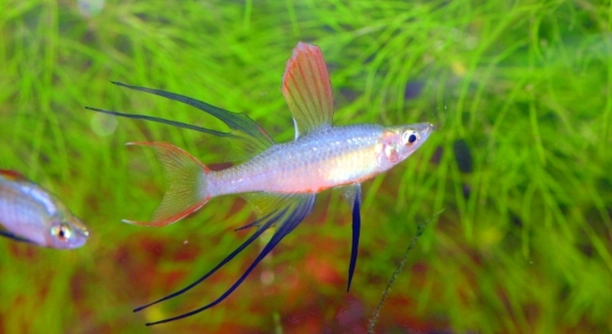
Do you ever find yourself changing small things around your aquarium without realizing how much they affect the comfort of your threadfins? Subtle adjustments may seem harmless, yet they can influence their mood and behavior in unexpected ways.
Threadfins become nervous when their environment changes, even in minor ways. Slight alterations in décor, lighting, or object placement can disrupt their sense of security. These adjustments often cause stress, leading to skittish behavior and reduced overall well-being.
Understanding how these minor details impact your threadfins can help you create a calmer, healthier environment that supports their natural instincts and daily comfort.
Rearranging Rocks and Plants
Threadfins are sensitive to how their surroundings are structured. Moving rocks, plants, or decorative items may appear harmless, but these changes can unsettle them quickly. They rely on consistency to feel secure, using the same hiding spots daily. A sudden adjustment can leave them stressed, swimming erratically, or hiding more than usual. Even a small shift in plant placement can throw off the natural balance they are accustomed to. While aquariums benefit from being cleaned and refreshed, it’s important to handle such updates gradually. Creating a stable setup helps them thrive, giving them confidence and reducing unnecessary anxiety.
Threadfins are small, delicate fish that react strongly to new patterns within their habitat. Shuffling décor pieces too often can leave them unsettled, making them more prone to stress and even illness if not carefully managed.
Keeping décor stable while making only gradual adjustments helps threadfins adapt without feeling overwhelmed. When they have predictable surroundings, they display natural behaviors like active swimming, peaceful shoaling, and brighter coloring. By minimizing sudden shifts, you support both their comfort and long-term health. Even minor décor changes should be introduced thoughtfully, allowing them time to recognize and adjust to their environment safely.
Brightness and Lighting Shifts
Lighting changes have a strong effect on threadfins, especially if they happen suddenly. A quick increase in brightness or moving the tank to a brighter spot can make them dart or hide. Their comfort depends on steady, familiar light conditions.
Sudden lighting shifts disturb threadfins because they are naturally adapted to stable light patterns in their environment. In aquariums, they prefer a soft balance between light and shadow, which helps them regulate activity and stress levels. Bright, direct lighting can cause them to retreat, while abrupt dimming may leave them confused. Consistency is essential for their comfort, as unpredictable changes can disrupt feeding and shoaling behavior. To reduce nervous reactions, consider using gradual timers or maintaining regular lighting schedules. Threadfins feel more secure when they experience reliable transitions, mimicking the rhythm of nature. By carefully managing lighting, you create a calm environment that supports both their physical health and emotional well-being.
Changing Water Flow
Threadfins rely on steady water flow patterns, and altering it suddenly can unsettle them. Adjusting filters, adding air stones, or shifting decorations that redirect current may cause them stress and change how they move through their space.
When water flow changes, threadfins may struggle to swim naturally. Strong currents can tire them, while weaker flows may limit their natural activity. These shifts can affect feeding, as food may move differently through the water. They may also lose access to calmer areas where they usually rest. Gradual changes allow them to adapt without distress, preserving their comfort and routines.
Consistency in water movement supports both their physical and emotional health. Sudden adjustments often trigger nervous behaviors such as hiding or avoiding certain parts of the tank. By making small, measured changes, you maintain their stability while still refreshing their habitat. Controlled flow keeps them active, comfortable, and secure in their environment.
Introducing New Objects
Adding new objects, even something as small as a new decoration, can cause threadfins to react nervously. They are naturally cautious, and unfamiliar additions often make them retreat until they feel safe again. This adjustment period can be stressful for them.
New objects change the balance of their surroundings, which they have grown familiar with over time. Even minor additions shift the look, space, and flow of their environment. This sudden difference may lead to nervous swimming, reduced feeding, or extended hiding. To ease this, introduce items slowly and keep other conditions stable. Patience helps threadfins adjust to new décor at their own pace, ensuring they regain comfort without unnecessary stress. Creating familiarity with gentle changes encourages natural behavior, brighter coloring, and healthier activity levels. By managing their environment carefully, you give them a stable space where they can thrive peacefully.
Shifting Tank Position
Moving the tank to a different location, even slightly, can unsettle threadfins. They adjust to familiar surroundings outside their aquarium, and a new setting often makes them nervous until they feel safe again.
Sudden movement may also disrupt their established light and noise patterns. These shifts can create stress, affecting their overall behavior and reducing activity levels.
Altering Substrate
Changing the substrate alters the entire feel of their environment. Threadfins are highly aware of their surroundings, and different textures or colors on the tank bottom can disturb their comfort. A sudden switch may lead to restlessness or hiding.
Removing Familiar Décor
Taking away a decoration threadfins have grown used to can unsettle them quickly. Without these familiar objects, they may lose their sense of security, leading to nervous swimming and reduced confidence in their environment.
FAQ
Why do threadfins get nervous with small décor changes?
Threadfins are naturally sensitive fish that rely on consistency in their environment. When décor changes suddenly, it disrupts their sense of security. They use objects for shelter, comfort, and familiarity, so even minor adjustments can feel overwhelming. This often leads to nervous swimming, hiding, or reduced feeding.
How can I make décor changes without stressing my threadfins?
The best way to make changes is gradually. Adjust one decoration at a time, keeping other factors stable. Allow them time to adapt before making additional updates. Introducing changes slowly helps them recognize new objects as safe and reduces their overall stress response.
Do lighting changes affect threadfins as much as décor changes?
Yes, lighting has a big impact on their comfort. Sudden brightness or dimming can make them dart around or hide. Threadfins prefer stable light patterns that mimic nature. Using timers for gradual adjustments keeps them calm and helps them adapt more easily.
Can water flow changes make threadfins sick?
Indirectly, yes. Strong currents can tire them out, while weak flow may affect oxygen distribution. Both extremes can lead to stress, making them more vulnerable to illness. Keeping water flow consistent and adjusting it slowly ensures they remain active without being overworked or anxious.
What should I do if my threadfins become nervous after a change?
Give them time and avoid making additional changes right away. Keep feeding routines stable, maintain steady lighting, and reduce noise around the tank. With patience, they usually adapt within a few days, regaining their normal activity and comfort.
Is it safe to add new decorations frequently?
Frequent additions can overwhelm threadfins, leaving them constantly on edge. While variety can enrich their environment, spacing out new items is best. Each addition should be small and gradual, giving them time to get used to the new structure before introducing another.
Do threadfins remember their tank layout?
Yes, they rely on memory to navigate their surroundings. Familiar décor serves as landmarks, helping them know where to hide, rest, and feed. When the layout changes suddenly, they lose these cues, leading to confusion and nervous behavior until they adapt again.
How long does it take threadfins to adjust to changes?
Adjustment time varies depending on the size of the change. Small shifts may take just a day or two, while larger updates may require a week or more. The key is keeping other conditions stable so they feel safe during the transition.
Are threadfins more sensitive than other fish?
Threadfins are generally more delicate compared to hardier fish. Their small size and gentle nature make them quick to react to stress. While many fish dislike sudden changes, threadfins show it more clearly, which is why stability is essential for their care.
Should I avoid changing their tank at all?
Not necessarily. Cleaning, refreshing plants, or updating décor can be healthy, but changes should be thoughtful and gradual. Completely avoiding updates may cause stagnation in the aquarium environment. Balancing stability with gentle improvements creates a safe, thriving space for threadfins.
Can removing one object really make such a difference?
Yes, even removing a single object they frequently use can unsettle them. Threadfins form habits around specific spaces, and losing a hiding spot may increase stress. If removal is necessary, replace it with something similar to maintain their sense of security.
Do threadfins get used to changes eventually?
They do, but the process depends on how the changes are introduced. Gradual adjustments allow them to build familiarity without overwhelming stress. With time, they accept new décor or conditions as part of their environment and return to normal activity.
Why do my threadfins hide more after I rearrange their tank?
Hiding is a natural response to uncertainty. Rearranging removes their familiar cues, so they retreat until they feel safe again. Over time, they will start exploring, especially if other conditions like lighting and feeding remain consistent to reassure them.
Can I use live plants to reduce their stress during changes?
Yes, live plants offer shelter and stability. Even when making changes, keeping established plants in place provides them with recognizable hiding spots. Plants also help soften the impact of décor shifts by maintaining a natural sense of balance in the aquarium.
What is the biggest mistake owners make with décor changes?
The biggest mistake is making too many changes at once. Large rearrangements completely disrupt their environment and cause high stress. Instead, small, gradual updates are easier for threadfins to handle. Consistency in light, flow, and feeding also minimizes nervous reactions.
Final Thoughts
Caring for threadfins means paying attention to even the smallest details in their environment. While they are graceful and peaceful fish, they are also highly sensitive to changes around them. Moving a single rock, changing the brightness of the light, or introducing new decorations can have a stronger effect than many aquarists expect. These changes may look simple from the outside, but to a threadfin, they can mean a sudden shift in security and comfort. When their environment feels unpredictable, nervous behaviors become more noticeable, and their natural beauty can fade under stress. This makes stability one of the most important aspects of their care.
Threadfins thrive best in predictable, balanced spaces where every element feels familiar. Their routines rely on the consistency of their surroundings, from hiding spots to water flow and light levels. Disrupting these patterns can make them nervous, leading to hiding, erratic swimming, or reduced activity. Over time, frequent stress can also weaken their health, leaving them more vulnerable to illness. This is why creating a stable environment goes beyond just decoration—it plays a direct role in their overall well-being. Every adjustment, no matter how small, should be considered carefully. A tank that remains stable and familiar gives threadfins the confidence to display their natural shoaling behavior and bright, vibrant colors.
The goal is not to avoid change altogether but to manage it with patience and awareness. Gradual updates allow threadfins to adapt without overwhelming stress, keeping their environment both stable and enriching. Replacing one item at a time, maintaining steady lighting schedules, and keeping water flow consistent all make a difference. With these thoughtful steps, you can maintain a clean and stimulating tank while still protecting the comfort of your fish. Threadfins respond to consistency with calmness, and in return, you are rewarded with a lively, healthy, and visually striking display. By respecting their need for stability, you create a safe space that highlights their delicate nature and allows them to flourish. A steady and gentle approach ensures their environment supports not only survival but also long-term comfort and natural beauty.

Hello,
If you enjoy the content that we create, please consider saying a "Thank You!" by leaving a tip.
Every little bit helps us continue crafting quality advice that supports the health, happiness, and well-being of pets around the world, for pets of all shapes, sizes, and species.
We really appreciate the kindness and support that you show us!