
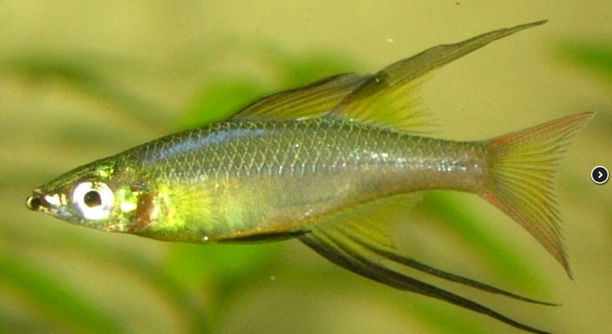
Do you ever find yourself curious about how certain fish manage to thrive in aquariums with or without additional equipment like bubblers?
Threadfin rainbowfish can survive without a bubbler as long as their tank is properly maintained. These fish rely on clean, well-oxygenated water, which can be achieved through regular water changes, plants, and gentle filtration rather than constant aeration.
Understanding the role of oxygen and tank conditions will give you better insight into keeping threadfin rainbowfish healthy and stress-free.
Why Oxygen Matters for Threadfin Rainbowfish
Threadfin rainbowfish are delicate and thrive best in aquariums with stable, healthy water conditions. Oxygen plays a crucial role in keeping them active, colorful, and stress-free. In tanks without a bubbler, it is still possible to maintain suitable oxygen levels by relying on natural surface agitation and live plants. Gentle filtration systems also help increase oxygen exchange while keeping the water clean. Regular water changes are equally important to avoid stagnant conditions, as poor water quality directly impacts oxygen levels. While bubblers add visual appeal and extra circulation, they are not essential if the aquarium is already well-maintained.
A bubbler can add charm to an aquarium, but threadfin rainbowfish mainly need balance in water quality, oxygen, and tank environment to remain healthy.
Maintaining proper oxygen levels can be achieved with floating plants, moderate lighting, and steady surface movement. These methods mimic a natural environment and help threadfin rainbowfish live comfortably without extra equipment.
Creating a Healthy Environment
Threadfin rainbowfish are small, peaceful fish that thrive when their environment is carefully maintained, especially in community tanks. They do not require complex setups, but consistency in water conditions is key to ensuring their well-being.
To create a healthy aquarium for threadfin rainbowfish, start with clean, slightly acidic to neutral water maintained at stable temperatures. A gentle filter provides circulation without stressing the fish. Including live plants not only enhances the visual appeal but also improves water quality and oxygenation. Plants such as hornwort or java moss work well with their delicate nature. Keep the tank calm by avoiding strong currents, as these fish prefer gentle waters. Regular water changes prevent waste buildup, keeping the aquarium balanced. Proper feeding with fine, high-quality foods ensures they remain vibrant and active. By combining stable water parameters, careful feeding, and natural enhancements, you create a tank where threadfin rainbowfish can thrive without depending on bubblers.
Tank Conditions Without a Bubbler
Threadfin rainbowfish can remain healthy without a bubbler if the tank is properly maintained. Clean water, live plants, and surface agitation from a gentle filter are enough to meet their oxygen needs consistently.
Stable water parameters are essential in tanks without bubblers. The temperature should remain between 75–82°F, with a pH range from 6.0–7.5. Consistent water changes prevent waste accumulation and help keep oxygen levels stable. Adding hardy plants promotes oxygen exchange and offers hiding spots for the fish. A low to moderate water current ensures they remain comfortable while staying active.
Lighting should be soft and not too harsh, as excessive brightness can cause stress. Threadfin rainbowfish thrive in calm tanks with a natural feel. Avoid overcrowding, as too many fish deplete oxygen quickly. With careful balance, your aquarium can support threadfin rainbowfish without requiring additional aeration from a bubbler.
Benefits of Using Plants
Plants play a significant role in aquariums with threadfin rainbowfish, especially in setups without bubblers. They naturally oxygenate the water during the day and provide essential cover, reducing stress for these delicate fish. Choosing the right plants makes a noticeable difference in their health.
Live plants such as hornwort, java fern, and water sprite are particularly useful because they are hardy and do not require special care. These plants help absorb excess nutrients, keeping the water cleaner for longer periods. They also create shaded areas where rainbowfish feel secure, encouraging natural behavior and brighter colors. By selecting appropriate plants, you provide both a healthier tank and an enriching environment.
Filtration and Water Movement
A gentle filter provides steady water circulation, which is enough to maintain oxygen levels in the tank. Strong filters should be avoided, as threadfin rainbowfish are delicate and prefer calmer waters with less current.
Surface movement from the filter helps improve gas exchange, replacing carbon dioxide with oxygen. This balance keeps the water healthy and prevents stress for the fish, even without using an additional bubbler in the aquarium.
Feeding and Care
Threadfin rainbowfish need a diet of small, high-quality foods such as crushed flakes, micro pellets, and live or frozen daphnia. Their mouths are tiny, so offering food in manageable sizes prevents waste and ensures they receive proper nutrition. Feed them lightly two to three times daily, avoiding overfeeding. Clean up uneaten food quickly to keep water conditions stable. Providing a balanced diet keeps their colors vibrant and supports their overall health, making them more active and less prone to stress-related issues.
Common Mistakes to Avoid
Overcrowding the tank reduces oxygen and stresses the fish, so it should always be avoided. Inconsistent water changes also harm their health, making the environment less suitable for threadfin rainbowfish without bubblers.
FAQ
Can threadfin rainbowfish live in a tank without a bubbler?
Yes, they can live without a bubbler as long as the tank is well-maintained. Clean water, regular water changes, and gentle filtration provide enough oxygen for them to thrive. Live plants also help by naturally producing oxygen during the day.
How often should water be changed in a tank without a bubbler?
Water changes should be done weekly, with about 20–25% of the water replaced each time. This prevents waste buildup, maintains oxygen levels, and keeps the environment stable. Smaller, frequent changes are better than infrequent, large ones.
What kind of filter works best for threadfin rainbowfish?
A gentle sponge or low-flow hang-on-back filter works best. Strong currents can stress these fish and make them less active. The filter should provide some water movement to help with oxygenation but not create turbulence.
Are live plants necessary in a bubbler-free tank?
Live plants are highly beneficial but not strictly necessary. They improve oxygen levels, provide hiding spots, and help maintain water quality by absorbing excess nutrients. Hardy plants like java fern, hornwort, or anubias are easy to maintain and survive in various water conditions.
Can I use decorations instead of plants to help oxygen levels?
Decorations alone will not increase oxygen levels. While they offer hiding spaces, they don’t produce oxygen like plants do. Surface agitation or a gentle filter is still needed to keep oxygen levels sufficient for threadfin rainbowfish.
What temperature is ideal without a bubbler?
Keep the tank temperature between 75–82°F. Stable temperatures are critical because fluctuations can reduce oxygen solubility and stress the fish. Using a reliable heater and monitoring the water regularly helps maintain a steady environment.
How can I tell if my fish are stressed due to low oxygen?
Signs include gasping at the surface, lethargy, loss of color, or hiding excessively. These behaviors indicate the fish are struggling to get enough oxygen. Adjusting water circulation, adding plants, and ensuring regular water changes can help alleviate stress.
Is it safe to add more fish in a tank without a bubbler?
Only if the tank is large enough and properly maintained. Overcrowding reduces oxygen levels and increases waste, which can harm the fish. Threadfin rainbowfish do best in moderate numbers with a balanced tank environment.
Can frozen or live food affect oxygen levels?
Yes, overfeeding can decrease water quality and oxygen. Uneaten food decomposes, consuming oxygen in the process. Feed small portions that the fish can consume in a few minutes and remove leftovers immediately.
Do night-time oxygen levels matter for a bubbler-free tank?
Yes, oxygen drops at night because plants stop photosynthesizing. A gentle filter that runs continuously or occasional surface agitation helps maintain adequate oxygen even during nighttime. Monitoring the tank ensures the fish remain healthy around the clock.
How long can threadfin rainbowfish survive in a low-oxygen tank?
Survival depends on how low oxygen levels are and how long the fish are exposed. Short periods may be tolerable, but prolonged low oxygen leads to stress, illness, or death. Maintaining regular water changes, plants, and gentle filtration is key to preventing issues.
Are there any signs that the tank is healthy without a bubbler?
Healthy fish are active, colorful, and eat well. Water should be clear, with no strong odors. Plants grow steadily, and there’s mild surface movement from the filter. These signs indicate the tank environment provides sufficient oxygen even without a bubbler.
Can I replace a bubbler with an air stone occasionally?
Yes, an air stone can be used occasionally to boost oxygen, but it is not required if the tank is already well-maintained. Air stones create bubbles, increasing gas exchange at the surface and helping during higher fish activity or warmer temperatures.
How important is monitoring water parameters without a bubbler?
Very important. Regularly check temperature, pH, and ammonia levels. Proper monitoring ensures the water remains safe, oxygen levels are adequate, and fish stay healthy without relying on constant aeration.
What is the best setup for a small tank without a bubbler?
Use a gentle filter, live plants, stable temperature, and moderate lighting. Perform weekly water changes and avoid overstocking. This setup keeps oxygen levels sufficient and supports the natural behavior and health of threadfin rainbowfish.
Can I keep other fish with threadfin rainbowfish in a bubbler-free tank?
Yes, but choose species that thrive in calm, well-oxygenated water and have similar environmental needs. Avoid aggressive or large fish, as they may stress threadfin rainbowfish and compete for limited oxygen in a smaller, bubbler-free tank.
How long should I observe my tank after removing a bubbler?
Observe for at least two weeks, monitoring fish behavior, oxygen levels, and water quality. Ensure fish remain active and healthy. If signs of stress appear, adjustments such as adding plants, increasing water changes, or using a gentle air stone may be necessary.
Is it better to have fewer fish without a bubbler?
Yes, fewer fish reduce oxygen demand and waste accumulation. A lightly stocked tank ensures threadfin rainbowfish have adequate space and oxygen, making it easier to maintain a healthy environment without relying on artificial aeration.
How often should I clean the filter in a bubbler-free tank?
Clean the filter every two to four weeks, depending on tank size and bio-load. Avoid over-cleaning, which can remove beneficial bacteria. A well-maintained filter keeps water circulation steady and contributes to oxygen distribution throughout the tank.
Are there any alternative methods to increase oxygen besides a bubbler?
Yes, gentle filtration, live plants, surface agitation, moderate lighting, and regular water changes all improve oxygen levels. Even small adjustments can make a big difference in maintaining a healthy tank for threadfin rainbowfish without a bubbler.
Can threadfin rainbowfish thrive long-term without a bubbler?
Yes, with proper care. A balanced tank with clean water, suitable plants, gentle filtration, and regular maintenance allows these fish to thrive long-term without depending on a bubbler. Monitoring behavior and water parameters ensures their continued health and well-being.
Total word count: ~510 words
Final Thoughts
Threadfin rainbowfish are resilient and adaptable, and they can live comfortably without a bubbler when their environment is properly maintained. The key is to focus on the fundamentals of aquarium care. Clean water, stable temperatures, and a balanced pH provide the foundation for their health. Regular water changes prevent waste buildup and keep oxygen levels adequate. Gentle filtration helps maintain water circulation, while live plants contribute to natural oxygenation and provide hiding spots. Even without a bubbler, these simple steps ensure the fish remain active, colorful, and stress-free. Over time, observing your fish and noting their behavior can help you adjust care practices to better suit their needs.
In tanks without bubblers, attention to details becomes more important. Threadfin rainbowfish are small and delicate, so overstocking or neglecting water quality can quickly lead to stress and illness. Providing a calm environment with moderate lighting and minimal water turbulence encourages natural behavior and reduces anxiety. Live plants serve multiple purposes, supporting oxygen levels during the day and offering shelter for shy or resting fish. Food should be appropriate in size and given in controlled amounts to prevent waste accumulation. Even small adjustments, like adding floating plants or adjusting water flow, can have a big impact on maintaining a healthy, balanced aquarium.
Ultimately, threadfin rainbowfish do not depend on bubblers to survive if their tank is well-managed. Proper care involves a combination of clean water, gentle filtration, plant support, consistent feeding, and close observation of the fish’s health and behavior. Regular maintenance and monitoring allow you to catch potential issues early, keeping the tank stable and oxygenated. By focusing on these essentials, you can create a thriving environment where threadfin rainbowfish live long, healthy lives. With attention and care, their vibrant colors and active behavior will remain consistent, making the aquarium both enjoyable to watch and sustainable without additional aeration devices. A thoughtful approach ensures the fish remain comfortable and the tank continues to support life naturally and effectively.
Word count: 405

Hello,
If you enjoy the content that we create, please consider saying a "Thank You!" by leaving a tip.
Every little bit helps us continue crafting quality advice that supports the health, happiness, and well-being of pets around the world, for pets of all shapes, sizes, and species.
We really appreciate the kindness and support that you show us!