
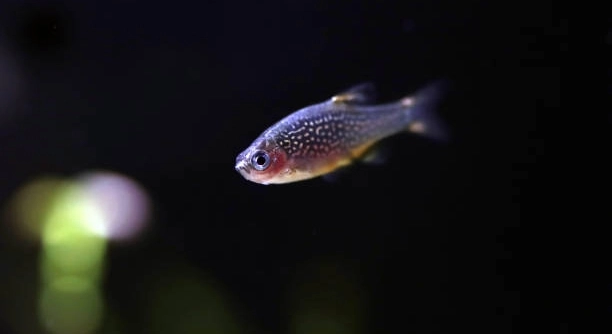
Creating a calm environment for danios starts with simple choices that support their active nature. A clean layout with essential elements helps them thrive while keeping maintenance manageable for any keeper focused on balance daily.
Minimalist setups keep danios comfortable by providing open swimming space, stable water conditions, and modest shelter. A clear arrangement reduces stress and supports natural activity, allowing these fish to maintain steady health while avoiding clutter that disrupts circulation and stability.
These simple choices create a foundation for healthier danios, guiding you toward layouts that enhance comfort while keeping everything minimal.
Open Space Layout
Creating an open space layout for danios focuses on providing wide swimming areas that let them stay active without unnecessary barriers. I like keeping the tank open because it gives the fish freedom to move in steady patterns, reducing stress and keeping their behavior natural. A layout like this depends on clean lines, soft lighting, and a few essential decorations placed with intention rather than filling every corner. I rely on smooth stones, a light background, and balanced filtration that keeps water flow gentle enough for comfort but strong enough to maintain clarity. By choosing fewer items and arranging them with care, the tank feels peaceful and easy to maintain. The fish show calmer movements, brighter colors, and more consistent schooling when the layout stays simple. This approach is ideal for anyone who wants a beautiful setup that supports healthy activity without adding extra demands or distractions in daily care.
A setup like this highlights the importance of open movement, gentle flow, and minimal decoration, helping danios stay comfortable in a clean and organized space. It keeps their activity steady, lowers stress, and supports a balanced environment that remains simple for me to manage each day in a calm way.
This layout works well for danios that prefer constant activity because it gives them room to swim without breaking their patterns. I enjoy using this style when I want something easy to maintain while still looking tidy and fresh. It also helps me notice changes in their behavior since nothing blocks the view. Clean space means fewer distractions, making it easier to track their schooling and feeding. A setup like this supports long term stability by reducing clutter and giving the filter enough room to work efficiently. It creates a routine that makes caring for them feel calm and clear.
Natural Plants With Open Paths
This setup blends simple plant choices with open pathways that keep danios active and relaxed. I prefer using light plants that sway gently without blocking movement, creating a calm space that stays easy to maintain while still offering natural comfort for these energetic fish in a clear and balanced layout.
Using natural plants with open paths creates a layout that supports steady activity while keeping everything visually calm. I like choosing plants that grow lightly, such as narrow leaf species that give shape without crowding the tank. These plants offer soft edges that help danios feel secure while still allowing them to swim freely in wide loops. Keeping the plants spaced prevents tangled areas and supports good circulation, making the water clearer and more stable over time. I place them in small clusters to guide movement rather than restrict it, letting the fish weave through gentle patterns that look peaceful and controlled. This arrangement also reduces maintenance since fewer plant masses mean less trimming and easier cleaning. It keeps debris from collecting and allows the filter to work without interference. By keeping the paths open, the danios stay active, bright, and calm, making the tank a soothing centerpiece that remains easy to manage. This simple balance of plants and open space offers comfort without adding stress, giving the fish a natural layout that supports long term health in a clean and organized environment that maintains clarity, stability, and gentle movement which helps keep their behavior steady and their colors bright.
Subtle Rock Scapes
A subtle rock scape supports danios by giving them small points of interest without interrupting their movement. I keep the stones smooth and lightly arranged so the layout stays open, clear, and easy to maintain while still adding a calm sense of structure for the fish.
A layout like this works best when the rocks are placed in gentle formations that guide swimming patterns rather than block them. I use small clusters on the edges, keeping the center open so the danios can move in steady lines. The rocks help anchor the look of the tank without creating clutter or causing debris to settle. This simple setup gives the fish a balanced environment where they can school comfortably and stay active without feeling crowded.
I keep the colors natural and soft, choosing stones that blend into the background instead of dominating the space. The fish show calmer movements when they have stable edges around them, and the rocks create a natural sense of direction they tend to follow. This arrangement also makes cleaning easier since there are fewer places for waste to collect. It keeps the tank organized, visually clean, and comfortable for danios that rely on open areas mixed with gentle structure.
Light Driftwood Accents
Light driftwood accents work well when placed with intention, offering shape without creating tight spaces. I keep the pieces slim and positioned along the sides to maintain an open path for swimming. This adds softness to the tank while keeping everything clear, balanced, and easy to manage.
Using driftwood in a light and minimal way helps create soft outlines that guide movement while allowing the fish to stay active. I choose small, smooth pieces that do not cloud the water or limit circulation. Placing them where they add shape without forming barriers keeps the tank visually calm and easy to care for. The driftwood brings a natural feel that blends with plants or rocks, creating gentle shadows danios often explore. I avoid bulky pieces because they create unnecessary weight in the layout. Instead, the lighter accents help stabilize the look of the tank and give the fish a sense of calm without disrupting their open swimming needs. This approach supports a clean layout that stays organized and gentle.
Soft Sand Base
A soft sand base keeps the tank gentle and clean, giving danios a smooth surface that supports steady movement. I like using fine sand because it prevents debris from gathering in tight spots and keeps the overall layout looking light and open.
This base also helps maintain calm behavior since the soft texture avoids harsh reflections or sharp edges. It blends naturally with plants and rocks, creating a simple background that does not distract from the fish. The sand keeps the tank easy to clean, making routine care feel straightforward.
Minimal Floating Plants
Minimal floating plants offer shade without blocking movement, creating a light cover that helps danios feel safe while still giving them open space below. I prefer using small clusters to avoid crowding, allowing light to pass through softly and keep the tank bright enough for their activity. These plants help maintain balance by reducing surface glare and adding gentle movement that matches the fish’s pace. Keeping the quantity low prevents tangled areas, supports good circulation, and keeps the water clear.
Clear Mid-Level Zone
A clear mid level zone gives danios uninterrupted space to stay active in their preferred swimming area. I keep decorations low and plants placed along the sides, allowing the fish to maintain smooth patterns without obstacles slowing them down or disrupting their natural schooling behavior.
FAQ
How much space do danios need in a minimalist setup?
Danios are active swimmers, so they need open water to move freely. I recommend at least 10 gallons for a small group, with more space if you plan to keep six or more. Minimal decorations and open areas help them school comfortably and reduce stress, keeping the tank easier to maintain and the fish more vibrant.
Can I use live plants in a minimalist setup?
Yes, live plants work well when chosen carefully. I prefer small, narrow-leaf species that sway gently and don’t block swimming paths. Placing them along the edges creates soft shelter without cluttering the tank. This approach supports natural behavior while keeping maintenance simple.
Do danios need hiding spots in a minimalist tank?
Minimal hiding spots are enough. I often use small rock clusters or light driftwood along the edges. These provide security without restricting swimming. Overcrowding with caves or decorations can stress the fish, so keeping the mid and top levels open is ideal.
How often should I clean a minimalist danio tank?
Weekly partial water changes of 20-30% are sufficient. I also check for debris around rocks, plants, or driftwood. Keeping the tank simple reduces waste buildup, making cleaning easier and helping maintain stable water parameters.
What type of substrate is best?
Soft sand works best. I use fine-grain sand because it prevents injury, reduces debris traps, and complements open swimming areas. Sand also supports plant growth if you choose live plants and helps maintain a visually calm and tidy tank.
How strong should the water flow be?
Gentle to moderate flow is ideal. I keep the current strong enough to circulate the tank without making danios struggle. Too strong a flow can stress them, while too weak may reduce oxygenation and water clarity. Adjusting the filter output helps achieve balance.
Are floating plants beneficial for danios?
Yes, but only in moderation. Small clusters provide shade and reduce surface glare without blocking swimming paths. I place them sparingly so they create a sense of cover while keeping most of the mid-level and bottom open for activity.
Can minimalist tanks support multiple species?
Yes, with careful selection. I stick to other small, peaceful fish that share similar water preferences. Overcrowding or mixing aggressive species defeats the purpose of a calm, open layout. Keeping the tank simple helps maintain harmony and reduces stress for all inhabitants.
Do danios need supplemental lighting in a minimalist setup?
Standard aquarium lighting is sufficient. I usually use a soft LED light that enhances plant growth and highlights colors without causing stress. Bright or harsh lighting can make fish skittish, so I keep it gentle and consistent.
How do I maintain water clarity in a minimalist tank?
Regular water changes, gentle filtration, and minimal décor all contribute. I avoid excessive feeding and remove debris promptly. Open spaces allow water to circulate freely, reducing waste accumulation and keeping the tank clean and visually calm.
Can minimalist setups help danios live longer?
Yes, they reduce stress and encourage natural behavior. I’ve noticed my fish stay active and healthy when given open swimming areas, gentle flow, and simple shelter. Fewer obstacles lower the risk of injury and disease, supporting longer-term well-being.
Is it necessary to trim plants in a minimalist tank?
Yes, but lightly. I trim slowly growing plants to maintain open paths. Minimalist layouts benefit from controlled growth because it prevents crowding and ensures danios continue to have ample swimming space. This keeps both the tank and fish behavior consistent.
How do I decorate without overcrowding?
Use small, natural elements along edges and corners. Rocks, driftwood, and a few plants work well. I avoid stacking or clustering in the center, keeping open zones for free movement while adding gentle visual interest along the sides.
What are common mistakes to avoid in a minimalist danio tank?
Overcrowding with decorations or plants, strong currents, and inconsistent water maintenance are common issues. I focus on clear swimming space, moderate flow, and routine care. Simplicity reduces stress, prevents injury, and keeps water stable, supporting healthy, active fish.
Can I use artificial plants in a minimalist setup?
Yes, if chosen carefully. I pick soft, flexible plants that don’t have sharp edges. They require less maintenance than live plants and still provide minimal cover, helping the tank stay open and safe for danios while keeping care straightforward.
How do I encourage schooling behavior?
Keep open mid and top levels, provide gentle flow, and maintain a calm environment. I also keep groups of at least four to six danios together. Minimal obstacles allow natural formation, supporting social interaction and steady swimming patterns.
What tank size is too small for danios?
Anything under 10 gallons can restrict movement and cause stress. I’ve found that small groups in tiny tanks show abnormal behavior and dull coloration. Open, well-maintained setups in 10 gallons or more keep them active and comfortable.
Are there any special feeding tips for minimalist tanks?
Feed small amounts that can be consumed in a few minutes to prevent leftover waste. I prefer sinking flakes or micro-pellets that reach all levels, avoiding overfeeding. Simple layouts make it easy to monitor consumption and maintain water quality.
Do minimalist setups require special filters?
No, standard gentle filters work best. I choose ones that provide steady flow without turbulence, keeping water clean and oxygenated. Avoiding oversized or aggressive filters helps preserve calm swimming patterns while maintaining clarity and stability.
How important is temperature control in a minimalist tank?
Very important. Danios thrive around 72-78°F. I use a reliable heater and monitor regularly to prevent fluctuations. A stable temperature keeps them active, healthy, and reduces stress, especially in open layouts where there are fewer hiding spots.
Can I add decorations over time?
Yes, gradually and sparingly. I introduce one element at a time, watching how it affects movement and behavior. Minimalist setups benefit from slow additions to ensure open swimming paths remain intact and the tank stays balanced and comfortable.
How do I maintain stability in a minimalist setup?
Focus on regular maintenance, gentle flow, moderate stocking, and controlled plant growth. I also observe behavior and adjust placement as needed. Consistent conditions, simple décor, and open swimming space keep the tank predictable, supporting long-term health and comfort for danios.
What are the benefits of a minimalist setup for danios?
Open space, reduced stress, ease of cleaning, and natural swimming patterns are key benefits. I find fish are brighter, calmer, and more active in uncluttered tanks. Simplicity also makes maintenance predictable, water quality stable, and daily observation easier.
Can I combine sand and small rocks in the substrate?
Yes, a mix works well if rocks are smooth and low-profile. I place them along edges to guide movement without crowding. The sand keeps the surface soft, while the rocks add gentle structure without restricting swimming.
Is a minimalist setup suitable for breeding danios?
It can be, with adjustments. I add a few spawning mops or small hiding areas while keeping most of the tank open. Minimal clutter reduces stress and allows the fish to move freely, supporting natural breeding behaviors.
How do I prevent algae in a minimalist tank?
Maintain moderate lighting, regular water changes, and avoid overfeeding. I also monitor plant and rock surfaces. Minimal décor reduces surfaces where algae can grow, keeping the tank cleaner and easier to manage while maintaining a calm, open environment.
Can danios coexist with shrimp in a minimalist tank?
Yes, with care. I choose hardy shrimp species and provide small hiding spots in plants or driftwood. Minimal décor ensures the fish have swimming space while shrimp find safe areas, maintaining harmony without overcrowding.
How often should I replace filter media?
Every 4-6 weeks, depending on load. I check regularly for buildup, rinse gently, and avoid replacing all at once to maintain beneficial bacteria. Simple layouts make this task easier and reduce disruption to the fish.
Are minimalist tanks visually appealing?
Yes, if designed carefully. I focus on balance, clean lines, and soft textures. Open swimming areas, subtle décor, and gentle lighting create a calm aesthetic that highlights the fish while remaining easy to maintain.
How do I monitor water parameters effectively?
Test ammonia, nitrite, nitrate, and pH weekly. I keep a small log to track changes and adjust maintenance. Minimalist setups make observation easier since there are fewer obstacles blocking the view or interfering with equipment.
What is the best approach to adding new danios?
Quarantine first for 1-2 weeks. I introduce small groups gradually, maintaining open swimming paths and gentle flow. Minimal décor helps prevent territorial disputes and ensures newcomers integrate smoothly without stress.
How do I maintain a calm environment in a minimalist tank?
Limit decorations, avoid strong currents, and keep lighting gentle. I also maintain consistent feeding and water routines. Open spaces and predictable conditions support steady behavior, making the tank less stressful for danios.
Is filtration more effective in minimalist setups?
Yes, unobstructed water flow improves circulation and debris removal. I notice cleaner water and more stable parameters when decorations are minimal, allowing the filter to work efficiently without blockage.
Can I use minimalist setups for small schools of danios only?
Yes, they are ideal. I keep 4-6 danios together to encourage schooling behavior. Minimal obstacles let the group swim freely, supporting social interaction and keeping the tank calm and balanced.
Do minimalist setups affect fish coloration?
Yes, calmer environments and steady movement help maintain brighter colors. I notice my danios are more vibrant when open space, gentle flow, and soft décor reduce stress and support natural behavior.
How do I handle tank emergencies in minimalist setups?
With open space, it’s easier to spot illness or injury early. I remove affected fish, adjust water parameters, and clean surfaces quickly. Minimal décor allows faster access and better observation of fish health.
What is the recommended lighting schedule?
I use 8-10 hours of soft, consistent light per day. Minimalist setups benefit because fewer shadows reduce stress, while open swimming areas stay well-lit without harsh glare, supporting natural activity and plant growth.
Can I combine different substrates in a minimalist setup?
Yes, but keep it simple. I mix sand and small gravel sparingly along edges for texture, leaving most of the mid and top levels open for swimming. This approach maintains comfort and easy cleaning.
Do I need a heater year-round?
Yes, for stable temperatures. I maintain 72-78°F to support consistent behavior and health. Minimalist tanks are sensitive to fluctuations since the fish rely on steady conditions in the open swimming areas.
Is it okay to use small decorative items?
Yes, if they are low and smooth. I place them along edges only to provide points of interest without breaking open paths. Minimal items keep the tank calm and easy to maintain while still visually appealing.
How do I prevent overcrowding?
Stick to recommended stocking levels and avoid adding too many decorations. I focus on open mid and top levels, which ensures free movement and reduces stress for all danios while keeping maintenance simple.
What is the best way to introduce plants in a minimalist tank?
Plant gradually and position along edges or corners. I trim lightly and space them to maintain swimming paths. This approach supports natural movement while keeping water circulation and cleanliness intact.
Can minimalist setups reduce aggression among danios?
Yes, open space and gentle layout minimize territorial behavior. I notice calmer schooling patterns when there are no cluttered areas or sharp edges, allowing fish to interact naturally without conflict.
Do I need a background in a minimalist tank?
Optional, but I like soft, neutral backgrounds to reduce reflections and create a sense of depth. This enhances calm behavior and keeps the focus on the fish without cluttering the space visually.
How do I manage feeding areas in a minimalist tank?
Feed in one central spot or small portions across the tank. I avoid scattering excessive flakes to prevent waste buildup. Minimal decorations make it easier to monitor consumption and maintain water quality.
What should I watch for in fish behavior?
Active swimming, bright colors, and schooling are positive signs. I also watch for hiding, lethargy, or unusual patterns, which can indicate stress or water issues. Minimalist layouts make changes easier to notice quickly.
Can minimalist setups support danios long-term?
Yes, they promote calm, healthy behavior and make maintenance manageable. I find that fish in open, uncluttered tanks thrive longer, remain active, and display brighter colors with less stress.
Are there any maintenance shortcuts for minimalist tanks?
Keeping decorations minimal, monitoring water quality regularly, and maintaining gentle flow simplify care. I also schedule light weekly cleaning and plant trimming to ensure the tank stays balanced without heavy effort.
How do I adapt a tank if it becomes overgrown?
Trim plants or remove excess rocks gradually. I focus on restoring open paths for swimming and maintaining mid-level clarity. Minimal adjustments prevent stress and keep the tank comfortable and visually organized.
Can I use a minimalist setup for seasonal changes?
Yes, keep water parameters stable and adjust heating or lighting gradually. I avoid major changes in décor or stocking, allowing danios to maintain steady activity and comfort throughout seasonal shifts.
How do I track water quality in a minimalist tank?
Regular testing of ammonia, nitrite, nitrate, and pH helps maintain stability. I log results weekly and adjust water changes, feeding, or trimming as needed. The open layout makes it easier to observe changes in water clarity or fish behavior.
What are the long-term benefits of minimalist setups?
Reduced stress, consistent swimming patterns, ease of maintenance, and improved health are key benefits. I’ve noticed my danios thrive, stay active, and retain vibrant colors in open, uncluttered tanks, creating a stable environment that supports their comfort over time.
How do I handle sudden algae growth?
Spot clean affected areas, reduce light exposure slightly, and remove excess debris. I also monitor water parameters to prevent recurrence. Minimal décor makes algae easier to remove and prevents it from spreading quickly across the tank.
Is filtration adjustment necessary over time?
Yes, as the tank matures. I monitor water flow and debris accumulation, adjusting filter output to maintain gentle circulation without creating turbulence. Minimalist layouts allow filters to work more efficiently without obstruction.
Can I mix plant types in a minimalist setup?
Yes, choose low-maintenance, thin-leaved species to avoid blocking swimming paths. I arrange them along edges to maintain openness while adding natural texture, keeping the tank balanced and comfortable.
Do minimalist tanks require frequent water changes?
Moderate weekly water changes are sufficient. I usually do 20-30% weekly, removing debris and maintaining stable parameters. Open layouts simplify this process, making it less time-consuming and more predictable.
How do I prevent stress when adding new elements?
Add decorations or plants gradually, monitor fish behavior, and keep most swimming paths open. I introduce one element at a time and ensure it blends with the existing layout to maintain calm and steady activity.
What type of filter is most suitable?
Gentle hang-on-back or sponge filters work well. I choose filters that provide steady, non-turbulent flow. Minimalist setups benefit because open water allows filtration to circulate effectively, keeping the tank clean without disturbing the fish.
How do I maintain balance between plants and open space?
Place plants along edges, trim as needed, and leave mid-level and top areas free. I monitor fish activity to ensure swimming patterns remain natural and paths are unobstructed, supporting comfort and clear visibility.
Can minimalist tanks support seasonal breeding?
Yes, with small adjustments. I provide limited spawning areas while keeping most of the tank open. This ensures the fish have space to swim freely while encouraging natural breeding behavior without overcrowding.
Are minimalist setups suitable for beginners?
Absolutely. I find that simplicity reduces mistakes, makes monitoring water quality easier, and lowers stress for both the keeper and the fish. Clear paths and minimal décor help beginners focus on basic care routines.
How do I enhance visual appeal without clutter?
Use subtle textures, small plants, and light-colored rocks. I place elements along edges and corners, keeping mid and top levels open. The tank looks natural and tidy while supporting free swimming and minimal maintenance.
Can I use sand with driftwood in a minimalist tank?
Yes, smooth sand combined with light driftwood adds texture and structure without restricting movement. I place driftwood along edges to guide movement while leaving the central swimming area open for active schooling.
Do minimalist tanks require special feeding schedules?
No, standard daily feeding in small portions works best. I focus on what the fish can consume quickly to avoid waste. Minimal décor makes it easy to monitor feeding and ensure all fish get food without overfeeding.
How do I avoid overcrowding in small tanks?
Stick to recommended stocking levels and keep decorations minimal. I maintain open mid-level areas and monitor fish behavior to prevent stress. Minimalist layouts naturally reduce the risk of territorial disputes and promote smooth schooling.
Is plant trimming essential in minimalist setups?
Yes, light trimming maintains open swimming paths and prevents overgrowth. I trim weekly or as needed, ensuring the tank remains comfortable for danios while keeping maintenance simple and predictable.
Can minimalist setups help with water circulation?
Yes, open mid and top areas allow unobstructed flow. I place plants and decorations along edges, letting the filter circulate water efficiently. This keeps oxygen levels stable and debris from accumulating, supporting a healthy environment.
How do I maintain long-term fish health?
Regular water changes, gentle flow, minimal décor, proper feeding, and monitoring behavior are key. I find that open layouts reduce stress, support natural activity, and maintain steady parameters, keeping danios vibrant and active over time.
Are there any seasonal adjustments needed?
Adjust temperature and lighting gradually if needed. I avoid major changes in layout or stocking. Minimalist setups benefit because stable open spaces help danios adapt to seasonal shifts without added stress.
Do I need a background light or dark?
Soft neutral backgrounds work best. I find that they reduce reflections, create a calm visual field, and highlight fish without overwhelming the tank, complementing the minimalist layout and open swimming paths.
How do I combine rocks and plants safely?
Place rocks along edges and plants nearby without crowding. I ensure smooth edges and maintain open central swimming areas. This combination adds texture and natural interest while keeping paths clear for steady schooling and activity.
Can minimalist setups prevent aggression?
Yes, by maintaining open swimming paths and moderate group sizes. I notice less chasing or territorial behavior when decorations are minimal, flow is gentle, and the tank remains visually uncluttered.
Are minimal setups easy to monitor for health issues?
Yes, the open layout makes it easy to spot injury, color changes, or unusual behavior. I can respond quickly because nothing blocks the view, which supports proactive care and early intervention.
What is the best way to arrange small decor?
Use edges and corners only. I place rocks
Final Thoughts
Maintaining a minimalist setup for danios is about creating a calm, open environment that supports their natural behavior. Over time, I’ve found that keeping the tank simple makes a significant difference in their activity and overall health. Open swimming areas, soft substrates, and subtle décor allow danios to move freely without stress. The goal is not to fill the tank with as many plants, rocks, or decorations as possible, but to provide just enough structure to make them feel secure. Minimalist layouts make it easier to observe the fish, notice changes in behavior, and maintain water quality. Each element in the tank has a clear purpose, whether it is to guide movement, offer a small hiding spot, or enhance visual appeal without overcrowding. By carefully selecting decorations and positioning them along edges or in low clusters, the tank remains visually pleasing while giving the fish plenty of space. Even small details, like gentle driftwood or soft sand, contribute to comfort while keeping maintenance manageable. This approach is effective not only for the health of the fish but also for maintaining a peaceful and easy-to-care-for aquarium.
A minimalist tank is also easier to maintain in terms of water quality and cleaning. I find that fewer decorations and open swimming areas reduce places where waste and debris can accumulate. This makes weekly maintenance tasks, like partial water changes or substrate cleaning, simpler and quicker to perform. Minimal plant coverage, gentle lighting, and smooth rocks all contribute to maintaining clear water and steady conditions. Fish are sensitive to their environment, and cluttered or overcrowded tanks can lead to stress, reduced activity, and increased susceptibility to disease. With a minimalist setup, these risks are lowered because the water circulates freely, fish can swim naturally, and there are fewer obstacles that interfere with filtration. Observing the danios in a simple, uncluttered tank allows for early detection of potential issues. By keeping the setup straightforward, it is easier to provide consistent care and ensure the fish remain active, healthy, and comfortable over time. The simplicity of the environment does not mean it is boring; rather, it emphasizes the fish and their natural movements, which makes the tank enjoyable to watch and easy to manage.
Finally, a minimalist approach encourages thoughtful decisions about each element added to the tank. I have learned that less is often more when it comes to designing a habitat that prioritizes the well-being of the fish. Choosing plants, rocks, or driftwood carefully ensures the tank stays balanced, open, and stress-free. Open swimming areas combined with small, strategically placed decorations provide enough variety to stimulate the fish without overwhelming them. Minimalist setups also offer flexibility, as new elements can be added gradually and assessed for their impact on both water quality and fish behavior. Over time, this approach helps maintain a stable environment, supporting the long-term health and vibrancy of danios. By focusing on simplicity, gentle flow, and subtle shelter, the tank becomes a space where the fish can thrive, exhibit natural behaviors, and remain comfortable every day. Minimalist aquariums are practical, visually appealing, and effective in creating a sustainable and low-stress environment for danios, ensuring they stay active, healthy, and visually striking.

Hello,
If you enjoy the content that we create, please consider saying a "Thank You!" by leaving a tip.
Every little bit helps us continue crafting quality advice that supports the health, happiness, and well-being of pets around the world, for pets of all shapes, sizes, and species.
We really appreciate the kindness and support that you show us!