
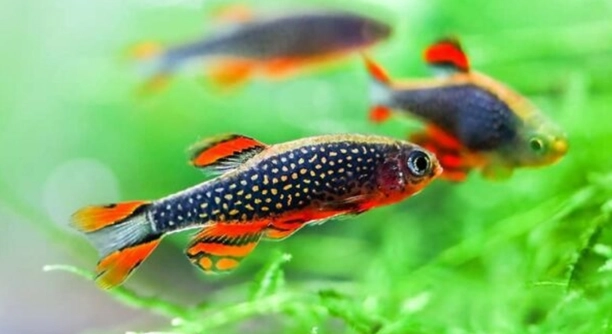
Juvenile and adult danios have distinct traits that can affect their care and environment. Observing their growth patterns and behaviors can help you provide better care and understand their unique needs at each stage.
Juvenile danios differ from adults in size, coloration, fin development, swimming patterns, and feeding habits. These differences are critical for aquarists to recognize, as proper care depends on accurately identifying life stage and adjusting tank conditions accordingly.
Recognizing these differences early can improve your danios’ health and ensure they thrive in your aquarium for years to come.
Size Differences
Juvenile danios are noticeably smaller than adults, often measuring only a fraction of the length of a fully grown fish. Their bodies are more slender, and their fins are shorter and less developed. Over time, as they grow, they gain bulk and develop longer, more defined fins. Size affects behavior in the tank, including swimming speed and interactions with other fish. Smaller fish may hide more often, especially if housed with larger or more active tank mates. Observing size can also help determine feeding amounts. Juveniles require smaller portions and more frequent feedings compared to adults, who can handle larger, less frequent meals. Proper monitoring of growth ensures that they develop healthily and reach full maturity without nutritional deficiencies. Tank space matters too; overcrowding smaller fish can stunt growth and increase stress, while adequate space encourages natural movement and social behavior. Understanding these size differences is key to maintaining a balanced aquarium environment that supports all life stages.
Recognizing the size difference helps in selecting food, tank mates, and managing space for healthy growth.
Keeping track of size progression is simple with regular observation. A juvenile that grows too slowly may need dietary adjustments or a less crowded tank. Adults need consistent tank conditions, including stable water parameters and sufficient space for swimming. The difference in size also impacts breeding considerations. Adult danios are ready to reproduce, while juveniles are not. Tank dynamics change as fish grow, with adults often being more dominant. Careful observation and adjustments based on size can prevent stress, injuries, and competition for resources. Tracking growth provides insight into overall health, feeding habits, and environmental needs. Regular measurement, combined with visual checks, ensures you can spot issues early, such as stunted growth or fin deformities. Size is not only a physical trait but a practical guide for everyday care and long-term planning in the aquarium. Maintaining an understanding of these differences improves health, activity, and social harmony among all danios.
Coloration Patterns
Juvenile danios often have paler, less defined coloration compared to the bright and distinct patterns of adults.
As danios mature, their coloration becomes more vivid, with stripes or markings appearing sharper and more contrasting. Juveniles may display faint or incomplete patterns, and colors can change as they age. This transition is influenced by genetics, diet, and water quality. Vibrant adult colors indicate good health, while dull or faded colors can signal stress or illness. Observing color changes can help determine age and overall well-being. Tank lighting also affects how colors appear, with brighter light highlighting adult patterns more clearly. Adjusting diet to include nutrient-rich foods like brine shrimp or high-quality flakes can enhance pigmentation. Additionally, stress reduction and consistent water parameters allow natural coloration to develop fully. Paying attention to these changes is important for both aesthetic and practical care, as color can reflect the general condition of each fish.
Color differences help determine age, health, and dietary needs for optimal care.
Tracking color changes is more than just noticing beauty. Juveniles gradually develop stronger patterns that signal readiness for breeding or social dominance in the tank. Adults often display consistent coloration, making it easier to distinguish males from females. Some danios experience color fading due to poor water quality, low nutrition, or overcrowding. Enhancing coloration through diet and stable environmental conditions ensures that adults reach their full visual potential while juveniles transition safely. Coloration also plays a role in social behavior, as brighter males may attract females or compete for territory. Noticing subtle changes early can prevent stress-related illnesses and support overall well-being. Understanding how patterns evolve from pale juveniles to vivid adults allows you to better manage care routines, feeding strategies, and tank dynamics effectively.
Fin Development
Juvenile danios have smaller, less developed fins that appear shorter and less vibrant. Adult fins are longer, more defined, and sometimes more colorful, reflecting maturity and overall health. Fin growth is gradual and can indicate proper development and care.
Proper fin development is a sign of healthy growth in danios. Juveniles often have fins that look fragile or incomplete, with rays not fully formed. As they grow, fins elongate and strengthen, improving swimming efficiency and maneuverability. Adults rely on these developed fins for balance, quick escapes, and social interactions, especially during feeding or territorial displays. Damage or stunted growth can result from poor water quality, overcrowding, or aggressive tank mates. Regular observation allows early intervention, ensuring that juveniles transition to adulthood with strong, functional fins. Providing hiding spots and gentle water flow supports healthy fin development.
Fin shape also influences social behavior. Juveniles may avoid confrontation due to smaller fins, while adults use their fins for dominance displays. Healthy fin growth contributes to a visually appealing tank, reflecting proper nutrition and stable environmental conditions. Observing fins can reveal stress or illness early, as torn or faded fins often indicate underlying problems. Adult danios rely on fully developed fins for breeding behaviors, including chasing and nudging partners. Supporting fin development with a balanced diet and consistent water parameters ensures juveniles grow into resilient, active adults. Understanding these differences helps manage tank dynamics and maintain overall fish health.
Swimming Patterns
Juvenile danios swim in short, rapid bursts and often stay near shelter.
Adult danios exhibit smoother, more coordinated swimming, covering larger areas of the tank efficiently. Juveniles are less confident and may dart unpredictably, while adults move with control, often leading or following in shoals.
Swimming behavior evolves as danios mature. Juveniles are cautious, staying close to hiding spots and reacting quickly to perceived threats. Their bursts of speed help them evade larger tank mates or sudden movements. Adults display strong, consistent swimming, reflecting physical strength and confidence. They often establish territories or take the lead in shoal movements. Observing swimming patterns can indicate health; sluggish movement in adults may suggest illness, while overly frantic behavior in juveniles could point to stress or inadequate space. Encouraging natural swimming through open areas, plants, and gentle currents supports both juveniles and adults. Understanding these differences helps manage feeding strategies, reduce stress, and maintain harmonious tank dynamics.
Feeding Habits
Juvenile danios eat small, frequent meals and prefer tiny, easily digestible food like micro pellets or infusoria. Adults can handle larger portions and eat less often, requiring more substantial flakes or frozen foods to meet their nutritional needs.
Feeding schedules differ between juveniles and adults. Juveniles need careful portioning to avoid overfeeding and water quality issues. Adults require a balanced diet that supports energy, coloration, and reproduction. Adjusting feeding routines based on age ensures healthy growth and reduces stress in the tank.
Social Behavior
Juvenile danios are more timid and often stay in groups for safety. Adults are bolder, establishing dominance and interacting more confidently with tank mates.
Body Shape
Juveniles have slender, elongated bodies that gradually thicken with age. Adults show a more robust, muscular build, reflecting full maturity and physical development. Their shape affects swimming, feeding efficiency, and social interactions within the tank.
Reproductive Readiness
Only adult danios are capable of breeding. Juveniles are not yet physically mature and cannot participate in spawning activities or show reproductive behaviors.
What is the best way to tell juvenile and adult danios apart?
The easiest way to distinguish juveniles from adults is by observing size, coloration, and fin development. Juveniles are smaller, have paler colors, and their fins are shorter. Adults are larger, show vivid patterns, and have fully developed fins. Behavior also offers clues—juveniles are often more timid and swim in short bursts, while adults move confidently and occupy more space in the tank. Watching how they interact with other fish can help, as adults may display dominance or lead shoals, whereas juveniles tend to stay close together for protection.
How should feeding differ between juveniles and adults?
Juveniles require small, frequent meals to support their fast growth. Micro pellets, finely crushed flakes, or live foods like infusoria are ideal. Overfeeding can harm water quality, so portion control is crucial. Adults, on the other hand, need larger, less frequent meals that provide complete nutrition for maintenance, coloration, and reproduction. Frozen or high-quality flake foods work well. Observing how much each fish eats and adjusting portions prevents stress, competition, and leftover food from polluting the tank. Feeding schedules should be consistent, but flexible based on activity levels and water temperature.
Do juveniles and adults need different tank setups?
Yes, tank setup should consider their size and activity. Juveniles need more hiding spots and gentle water flow to avoid stress, while adults require more open swimming space and slightly stronger currents to support their energy and social behavior. Plants, rocks, and decorations provide shelter for juveniles and reduce aggression. Adults benefit from a mix of open areas and hiding places, especially during breeding. Overcrowding affects both stages but is particularly harmful to juveniles, potentially stunting growth. Adjusting tank layout as fish mature ensures each stage receives an appropriate environment for healthy development.
When do juvenile danios become adults?
Danios typically reach adulthood around 3 to 4 months, though growth rates depend on diet, water quality, and tank conditions. Size, coloration, and fin development are indicators of maturity. Juveniles gradually develop brighter patterns, longer fins, and a more robust body shape. Observing their behavior also helps; adults swim confidently, interact dominantly, and may begin showing reproductive behaviors. Environmental factors, including consistent water parameters and proper nutrition, influence the speed of this transition. Monitoring these changes ensures timely adjustments to feeding, tank space, and social groupings to accommodate their new adult needs.
Can juvenile danios live with adult danios safely?
Yes, juveniles can live with adults, but careful observation is needed. Adults may be more aggressive or dominant, potentially stressing smaller juveniles. Providing hiding spaces, plants, or separate zones within the tank helps reduce conflict. Gradual introductions and maintaining a balanced adult-to-juvenile ratio prevent bullying. Juveniles tend to stay near shelters, while adults explore open areas. Watching interactions ensures that all fish have access to food and space. Over time, juveniles grow and can match adult behavior, making the social dynamics easier to manage. Tank management and observation are key to safe cohabitation.
How does water quality affect juveniles versus adults?
Juveniles are more sensitive to changes in water quality than adults. Poor conditions can stunt growth, weaken immune systems, or cause fin deformities. Adults tolerate minor fluctuations better but still need stable water parameters for health and breeding. Regular testing for ammonia, nitrite, nitrate, and pH is important. Partial water changes and proper filtration maintain a clean environment for both stages. Monitoring temperature is also crucial, as juveniles are more vulnerable to sudden shifts. Maintaining excellent water quality ensures healthy development, vibrant coloration, and reduces stress, supporting the well-being of your danios at every life stage.
Do diet and nutrition impact juvenile and adult danios differently?
Yes, diet directly influences growth and health. Juveniles require protein-rich, easily digestible food to fuel rapid growth, while adults need a balanced diet for energy, coloration, and reproduction. Poor nutrition can lead to slow growth, faded colors, or weakened immune systems. Supplementing with live or frozen foods enhances variety and promotes natural behavior. Adults benefit from foods that support breeding readiness, while juveniles thrive on smaller, frequent meals. Observing feeding behavior and adjusting portions prevents competition and ensures each stage receives proper nutrients. Proper diet at each stage supports long-term health and active behavior.
Can juveniles breed in a community tank?
No, juvenile danios are not physically mature and cannot reproduce. Only adults are capable of breeding, and they display specific behaviors like chasing and nudging. Keeping juveniles away from adult breeding activities prevents stress and ensures safe development. Adults may spawn in community tanks if conditions are suitable, but juveniles will simply observe or avoid interaction. Ensuring proper age and maturity before attempting breeding is crucial for healthy offspring. Providing separate breeding tanks or designated areas for adults can prevent accidental stress to juveniles while still maintaining a harmonious aquarium environment.
How can I encourage healthy growth in juvenile danios?
Providing high-quality food, consistent water conditions, and adequate space is key. Juveniles need smaller meals multiple times a day and access to shelter to reduce stress. Monitoring water parameters, temperature, and tank cleanliness ensures proper development. Avoid overcrowding and aggressive tank mates to prevent injuries or stunted growth. Observation is critical—tracking size, color, and fin development helps identify potential problems early. Encouraging natural swimming and social behaviors supports both physical and behavioral growth. Patience and consistent care allow juveniles to transition into healthy, active adults capable of thriving in a well-maintained tank.
When should I separate juveniles from adults?
Separation is necessary if adults display aggression, outcompete juveniles for food, or if the tank is overcrowded. Providing a nursery or partition helps protect juveniles while allowing growth. Once juveniles are strong enough and tanks are spacious, gradual reintroduction is possible. Observing behavior ensures safety and reduces stress. Proper separation supports balanced tank dynamics, reduces competition, and promotes healthy growth for younger fish. Gradual integration allows juveniles to adapt without fear, and adults can maintain natural social patterns. Timing separation correctly prevents injuries and ensures both stages thrive in the same aquarium.
Understanding the differences between juvenile and adult danios is essential for anyone caring for these lively fish. Juveniles are smaller, more timid, and have paler coloration, while adults are larger, bolder, and display vivid patterns. Observing these traits helps you provide appropriate care for each life stage. Juveniles need more frequent feeding, smaller portions, and safer spaces to hide, while adults require larger meals, room to swim, and opportunities to show natural behaviors like chasing or leading shoals. Recognizing these differences ensures that both juveniles and adults remain healthy and active, reducing stress and promoting a harmonious aquarium environment.
Tank setup plays an important role in supporting danios at every stage of growth. Juveniles benefit from shelters, plants, and gentle currents that protect them while they grow. Adults need more open areas for swimming and social interaction, as well as slightly stronger currents to match their energy levels. Overcrowding affects both juveniles and adults but is particularly harmful to younger fish, potentially stunting growth and causing injuries. Maintaining stable water conditions, proper filtration, and regular observation is critical. Healthy water supports strong fin development, vibrant coloration, and natural behavior in both juveniles and adults. Making small adjustments as your fish grow ensures that they thrive at every stage of life.
Monitoring growth, feeding, and behavior allows you to notice problems early. Juveniles that fail to grow, develop pale coloration, or show weak fins may need dietary or environmental adjustments. Adults showing slow movement or dull colors might be stressed or ill. Regular observation helps prevent these issues and promotes long-term health. Separating juveniles from aggressive adults when necessary, adjusting food portions, and maintaining a stable, clean environment supports all danios in your tank. Understanding the clear differences between juveniles and adults makes daily care more straightforward and effective. By providing the right conditions for each stage, you help your danios grow, remain healthy, and display the natural beauty and activity that make them a joy to keep.

Hello,
If you enjoy the content that we create, please consider saying a "Thank You!" by leaving a tip.
Every little bit helps us continue crafting quality advice that supports the health, happiness, and well-being of pets around the world, for pets of all shapes, sizes, and species.
We really appreciate the kindness and support that you show us!