
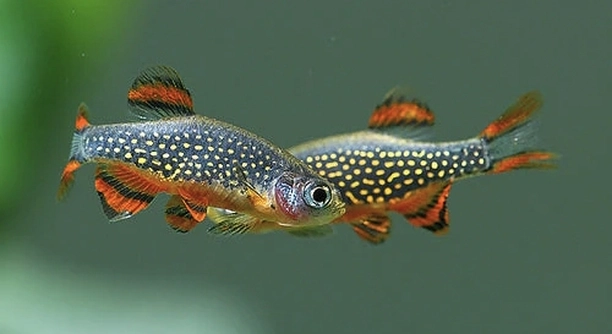
Are your danios swimming in a tank that feels too crowded or too empty? Finding the right group size is important for their health and social behavior. Proper planning ensures a peaceful, thriving aquarium environment for these lively fish.
The optimal long-term group size for danios generally ranges from five to twelve individuals. Maintaining this range promotes natural schooling behavior, reduces stress, prevents aggression, and supports overall health, ensuring a balanced and stable aquatic environment.
Understanding these group dynamics helps create a harmonious aquarium and supports the well-being of your danios. Following proper guidelines ensures a lasting and enjoyable fish-keeping experience.
Understanding Danio Social Behavior
Danios are naturally social fish, thriving in groups rather than alone. Observing them interact reveals a clear hierarchy, with dominant and subordinate fish establishing boundaries. Keeping fewer than five can lead to stress and aggression, while groups larger than twelve may overcrowd the tank and strain resources. Social interaction is essential for their physical activity, mental stimulation, and overall health. By carefully selecting the number of fish, you support natural schooling, reduce stress-related illness, and improve tank harmony. Attention to their behavior and comfort ensures a peaceful environment that allows each danio to thrive, explore, and exhibit its natural movement. Proper group size also simplifies maintenance and feeding routines, as fish remain active and balanced, reducing the likelihood of hiding, bullying, or overfeeding. Ultimately, understanding their social behavior helps maintain a stable and vibrant aquarium.
Maintaining proper group sizes allows danios to display natural behavior, improving both their health and the tank’s aesthetic appeal.
Group dynamics in danios impact swimming patterns, feeding habits, and stress levels. A well-chosen number fosters natural schooling, promotes balance, and enhances interaction. Observing their behavior over time can guide adjustments, ensuring harmony in both small and larger tanks, while preventing problems caused by too few or too many individuals.
Ideal Tank Sizes for Different Groups
For a small group of five danios, a tank of at least 20 gallons is recommended. This space allows adequate swimming room, reduces stress, and prevents dominance conflicts. Each fish needs sufficient space to interact without feeling confined, helping maintain energy levels and activity. A slightly larger group of eight to ten danios requires a minimum of 30 gallons, providing room for schooling and exploration. Overcrowding in smaller tanks increases aggression and susceptibility to disease, while too much empty space may reduce social interaction. Adjustments to tank size should also consider plants, decorations, and filtration, which influence swimming space and water quality. Regular observation helps ensure that fish remain active and display healthy behavior. Proper tank sizing, combined with a suitable group size, supports long-term health and reduces common problems in captive environments, promoting an enjoyable and sustainable aquarium setup.
Feeding Considerations for Group Sizes
Feeding danios in proper group sizes ensures all fish get enough nutrition without overfeeding. Smaller groups may eat faster, while larger groups require careful portioning to prevent waste and maintain water quality. Balanced feeding supports growth, energy, and overall health in the tank.
Smaller groups of five or six danios can be fed two small portions per day, ensuring each fish receives adequate nutrition. Larger groups require more attention, as competition can lead to dominant fish taking most food. Using floating or sinking pellets allows all fish to access food, while occasional live or frozen treats add variety and enrichment. Monitoring feeding behavior helps identify any fish that may be undernourished or stressed. Maintaining consistent feeding schedules and proper portion sizes reduces water pollution and supports long-term health.
Overfeeding can cause poor water quality, leading to stress and illness. In larger groups, distributing food evenly is crucial to prevent aggressive behaviors and ensure smaller fish receive their share. Providing a mix of food types improves nutrition and encourages natural foraging behavior. Observing fish during feeding helps maintain balance, ensuring all individuals remain healthy and active while minimizing excess waste in the aquarium.
Monitoring Health and Stress
Stress in danios often shows through erratic swimming, hiding, or color changes. Group size directly influences stress levels, with too few or too many fish creating tension. Maintaining appropriate numbers supports stable behavior and overall well-being.
Regular observation is key to detecting early signs of illness or aggression. Smaller groups may experience boredom or territorial disputes, while larger groups can suffer from overcrowding and competition. Monitoring water quality, temperature, and filtration also reduces stress. Quarantining new fish before introducing them prevents disease spread, and maintaining a consistent routine provides stability. Adjusting group size based on observed behavior ensures that all danios remain active, healthy, and comfortable.
Tank layout, including hiding spots and open swimming areas, can reduce stress in larger groups. Proper lighting, plant placement, and gentle filtration improve comfort and mimic natural conditions. Frequent health checks, combined with attention to group dynamics, allow prompt intervention if problems arise. Observing interactions helps identify dominant individuals that may bully others. By tailoring care to group size, you create a balanced environment that minimizes stress, supports growth, and encourages natural schooling behavior for long-term well-being.
Selecting Compatible Tank Mates
Choosing tank mates for danios requires attention to temperament and size. Peaceful, active fish of similar size integrate well, while aggressive or slow-moving species can cause stress or competition. Proper selection supports harmonious group behavior and overall tank stability.
Avoid fish that are too aggressive or territorial, as they may bully danios. Small schooling fish or non-aggressive bottom dwellers are generally safe companions, allowing danios to maintain natural schooling patterns without conflict.
Adjusting Group Sizes Over Time
Danio group sizes may need adjustment as fish grow or as tank conditions change. Gradually increasing or decreasing numbers ensures stable social dynamics and prevents stress-related issues. Monitoring behavior and tank space is essential for maintaining a balanced environment.
Breeding Considerations
Danios breed more readily in groups of at least six, with social interaction encouraging spawning behavior. A balanced male-to-female ratio supports natural reproduction without excessive aggression.
FAQ
What is the ideal number of danios for a small tank?
For a small tank around 20 gallons, five to six danios is generally ideal. This number allows natural schooling behavior without overcrowding, reduces stress, and ensures that all fish have enough space to swim and explore. Smaller numbers may result in loneliness or aggression.
Can I keep just two or three danios together?
Keeping only two or three danios is not recommended. They are highly social and rely on a group to feel secure. Small numbers can lead to stress, increased aggression, and abnormal behavior, as the fish lack the social cues and support provided by a proper-sized group.
What happens if my danio group is too large?
An excessively large group can overcrowd the tank, strain filtration, and increase competition for food. Overcrowding often leads to stress, aggression, and potential health issues. Ensuring the tank size matches the number of fish is crucial to maintain balance and long-term health.
How do I know if my danios are stressed?
Stress signs include erratic swimming, hiding frequently, loss of color, or reduced appetite. Monitoring behavior and interactions within the group helps identify stress early. Proper group size, clean water, and a well-structured tank layout are essential to prevent chronic stress.
Does group size affect breeding?
Yes, danios breed more successfully in groups of six or more. A larger group encourages natural spawning behavior, reduces aggression between males, and ensures females are not harassed excessively. Maintaining a balanced male-to-female ratio further supports successful reproduction.
How should I feed different group sizes?
Smaller groups can be fed moderate portions twice daily, while larger groups require careful distribution of food to ensure all fish eat equally. Using floating pellets and occasional live or frozen treats promotes balanced nutrition and reduces the risk of dominant fish monopolizing meals.
Can danios live alone?
Danios are schooling fish and do not thrive alone. Solitary danios can become stressed, exhibit unusual behavior, or develop health problems. Maintaining at least five individuals ensures social interaction, active swimming, and proper mental stimulation for long-term well-being.
How often should I adjust group size?
Adjustments are rarely needed unless fish are added, removed, or if tank conditions change significantly. Gradual changes are safest to prevent stress. Observing behavior over time helps determine whether the current group size continues to meet the needs of all fish.
Are tank decorations important for group behavior?
Yes, plants, rocks, and hiding spots help reduce stress, especially in larger groups. They provide territory markers, break lines of sight to prevent aggression, and encourage natural exploration. Well-placed decorations improve both comfort and social interactions.
Can danios live peacefully with other species?
Yes, but companion selection is key. Peaceful, active fish of similar size work best. Avoid aggressive or very slow-moving species that may harass or be outcompeted. Properly matched tank mates maintain harmony, support schooling behavior, and reduce stress in the group.
How do I know if I need a larger tank?
Signs include overcrowding, excessive chasing, reduced swimming space, or water quality issues. If your group grows or behavior indicates stress, upgrading the tank provides more room, supports natural movement, and helps maintain stable social dynamics.
What is the lifespan of danios in proper group sizes?
Healthy danios kept in appropriate groups typically live three to five years, sometimes longer with optimal care. Social interaction, clean water, balanced feeding, and proper tank size all contribute to longevity, allowing them to thrive and display natural behavior throughout life.
Is water quality affected by group size?
Yes, larger groups produce more waste, which can affect ammonia, nitrite, and nitrate levels. Regular monitoring, filtration, and water changes are essential to maintain a healthy environment. Proper group size ensures manageable waste production and supports long-term health.
Can I mix different danio species in one tank?
Mixing species is possible if they have similar temperaments and sizes. Differences in behavior, aggression, or activity levels should be considered. Proper group numbers for each species help maintain harmony, minimize stress, and ensure both species can exhibit natural schooling behavior.
How do I introduce new danios to an existing group?
New fish should be quarantined first to prevent disease spread. Introduce them gradually and observe behavior closely. Smaller additions reduce stress, and rearranging decorations can help reduce territorial disputes, making integration smoother for both new and existing fish.
How do seasonal changes affect group behavior?
Temperature fluctuations and changes in light cycles can influence activity and aggression. Maintaining stable conditions, proper feeding, and consistent routines helps groups remain balanced and minimizes stress throughout seasonal changes.
What is the relationship between group size and tank maintenance?
Larger groups require more frequent cleaning and water changes due to increased waste. Proper group size reduces maintenance demands, keeps water quality stable, and prevents health issues caused by poor conditions. Adjusting group numbers according to tank capacity simplifies care and promotes stability.
Can overcrowding cause illness?
Yes, overcrowding raises stress levels, weakens immunity, and increases the risk of infections and disease spread. Maintaining recommended group sizes reduces pressure on individual fish and ensures a healthier, more resilient population.
How does group size affect schooling behavior?
Schooling is most natural and effective in groups of five to twelve. Smaller groups do not school consistently, while overcrowding disrupts patterns. Maintaining proper numbers ensures synchronized swimming, reduces stress, and supports social structure within the tank.
Is there a difference in behavior between male and female danios in groups?
Yes, males may chase females during spawning or show dominance. A balanced male-to-female ratio prevents harassment, ensures fair access to resources, and supports social stability. Observing behavior helps maintain a peaceful and active group.
How long does it take for a new group to settle?
New groups usually stabilize within a few days to a week. Initial chasing and establishing hierarchies are normal. Providing sufficient space, hiding spots, and observing interactions helps the group adjust safely, promoting long-term harmony and healthy behavior.
Can I overfeed a large group?
Overfeeding is common in larger groups, leading to water quality issues, obesity, and stress. Dividing food into small, controlled portions ensures all fish are fed and prevents excess waste accumulation, maintaining a healthier tank environment.
Are there behavioral signs that my group size is wrong?
Yes, signs include constant chasing, hiding, reduced swimming, uneven feeding, or sudden aggression. Observing these behaviors early allows adjustments to group size, tank layout, or feeding practices, ensuring a stable and healthy environment.
Do danios need varied diets in groups?
Yes, variety improves nutrition and encourages natural foraging behavior. Providing pellets, flakes, and occasional live or frozen food ensures all fish receive essential nutrients and promotes balanced growth, energy, and long-term health in group settings.
How do I ensure long-term health in a danio group?
Maintaining proper group size, balanced feeding, clean water, and observing behavior are key. Proper tank size, compatible tank mates, and stable environmental conditions support healthy schooling, reduce stress, and extend the lifespan of your danios while keeping interactions natural and peaceful.
Final Thoughts
Maintaining the right group size for danios is crucial for their health and happiness. These fish are naturally social and thrive in groups that allow them to exhibit natural schooling behavior. A group that is too small can cause stress, aggression, and even loneliness, as the fish lack social interaction. On the other hand, overcrowding can lead to competition for food, higher waste production, and increased stress, which may weaken their immune systems. By carefully planning the number of danios in a tank and adjusting it based on tank size and fish behavior, you can create a balanced and harmonious environment that supports both their physical and mental well-being. Paying attention to how your danios interact, swim, and feed provides important clues about whether the current group size is appropriate.
Tank size plays a key role in determining the number of danios that can be kept comfortably. Smaller tanks of around 20 gallons are best suited for five to six danios, while larger tanks of 30 gallons or more can accommodate eight to twelve fish. Providing adequate space is not just about comfort; it also affects water quality, reduces territorial disputes, and allows fish to engage in normal schooling activity. Decorations and plants should be arranged thoughtfully to provide hiding spots and open swimming areas, which reduce stress and promote natural behavior. Maintaining clean water, consistent feeding schedules, and regular observation is just as important as the number of fish. When all these factors are considered together, the aquarium environment becomes more stable, reducing the risk of illness and behavioral problems.
Finally, long-term care involves monitoring behavior, health, and environmental conditions regularly. Danios are active, curious fish, and their interactions reveal a lot about the health of the group. Stress, aggression, or lethargy are signs that adjustments may be needed in group size, tank layout, or feeding practices. Introducing new fish gradually, quarantining them first, and ensuring compatibility with tank mates help maintain harmony. By paying attention to these details, you can ensure that your danios remain healthy, active, and socially balanced. Proper group management not only improves the well-being of the fish but also enhances the overall enjoyment of the aquarium, allowing you to observe their lively schooling and natural behavior for years.

Hello,
If you enjoy the content that we create, please consider saying a "Thank You!" by leaving a tip.
Every little bit helps us continue crafting quality advice that supports the health, happiness, and well-being of pets around the world, for pets of all shapes, sizes, and species.
We really appreciate the kindness and support that you show us!