
Do you ever notice subtle changes in your aquarium that hint at something more happening beneath the surface? Electric Yellow Cichlids are vibrant and active fish, and their behaviors can give early signs of breeding readiness.
Early breeding indicators in Electric Yellow Cichlids include changes in color intensity, increased territorial behavior, frequent cleaning of chosen spawning sites, pairing off with mates, specialized body postures, and shifts in feeding patterns. Recognizing these cues allows for timely intervention and care.
Observing these early signs ensures your cichlids remain healthy and supports successful breeding outcomes in a controlled aquarium environment. Proper attention can make all the difference.
Intensified Coloration
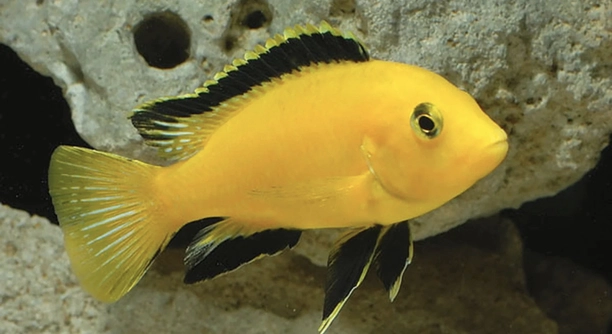
Electric Yellow Cichlids display more vivid yellow hues as they approach breeding. This brightening is often noticeable across the entire body, especially on the fins and gill covers. The shift in color is linked to hormonal changes that signal reproductive readiness. Observing your cichlids closely during feeding and social interactions will make these changes easier to spot. Males tend to show more intense coloration compared to females, though both may exhibit subtle shifts. The environment plays a role as well; maintaining stable water parameters and proper nutrition enhances color expression. Watching for these changes early allows you to prepare a suitable breeding setup and reduce stress for the fish. Color changes often coincide with other behavioral cues, making it a reliable early indicator. Keeping a journal or taking periodic photos can help track the progression and confirm that the changes are consistent over time.
Recognizing intensified coloration helps in predicting breeding activity and planning tank adjustments for optimal conditions.
Tracking color changes alongside behavior gives a clearer picture of reproductive timing. It ensures males and females are ready and reduces the risk of aggression. Providing hiding spots and clean surfaces at this stage supports natural spawning behavior. By responding to these signs promptly, you create an environment conducive to healthy egg laying and increased survival of fry. Consistent observation and careful management of diet, lighting, and water quality contribute to successful breeding.
Nest Cleaning Behavior
Nest cleaning involves both males and females preparing a surface for eggs by vigorously scraping rocks, substrate, or other tank features. This behavior is typically repetitive and focused, with fish often returning to the same spot multiple times. It signals that the pair has chosen a potential spawning site. Cleaning is not random; the area becomes noticeably polished compared to surrounding surfaces. You might notice increased digging or movement of small stones as part of this preparation. Providing flat rocks or smooth surfaces in advance encourages natural cleaning behavior.
Nest cleaning is a reliable breeding indicator because it usually precedes egg laying by several days.
During this period, fish exhibit heightened focus on the chosen site, reducing social interactions elsewhere in the tank. The male may guard the area more aggressively, displaying dominance to prevent intruders. Observing this behavior allows for timely separation of overly aggressive neighbors, minimizing stress. Adequate nutrition during this phase supports energy-intensive activities like scraping and fanning. By monitoring cleaning patterns, you can predict spawning windows and plan interventions like introducing additional hiding spots or adjusting water flow. This proactive approach increases the likelihood of successful fertilization and ensures the fry have a safe environment from the start. Consistent monitoring also helps in identifying any health issues that might affect breeding outcomes.
Pair Bonding
Pair bonding is observed when two cichlids spend most of their time together, often swimming side by side or mirroring each other’s movements. This behavior usually indicates mutual interest and readiness to breed.
During pair bonding, the male and female often engage in coordinated activities like cleaning a chosen surface or defending a territory. They spend less time interacting with other tank mates and focus energy on each other. This pairing helps reduce stress during spawning, as both fish feel secure in their established roles. Recognizing this behavior early allows for preparing a safe breeding environment and managing tank dynamics.
Pair bonding strengthens the likelihood of successful spawning. It allows both fish to become comfortable with their roles in protecting the nest and caring for eggs. The pair often communicates through subtle movements and displays, which can be fascinating to observe. Supporting the bond with consistent water quality, proper diet, and minimal disturbances encourages natural behavior. Close observation helps ensure the pair remains healthy and reduces conflicts with other fish, ultimately promoting successful reproduction.
Specialized Body Postures
Electric Yellow Cichlids adopt distinct postures like flaring fins, lowering the body, or tilting slightly when preparing to breed. These movements signal readiness and intent to potential mates.
These postures are consistent and often accompanied by other cues such as color changes or increased territoriality. The fish may repeatedly perform these behaviors near their selected spawning area. Observing these positions is critical, as they indicate the pair’s comfort level and readiness to engage in courtship. Proper space and clean surfaces in the tank support these behaviors, ensuring the cichlids can perform natural routines without interference.
Supporting these postures with an appropriate environment enhances breeding success. Maintaining suitable hiding spots, flat surfaces, and minimal disturbances encourages natural courtship routines. Monitoring postures alongside feeding and interaction patterns helps confirm reproductive readiness. When the pair displays these behaviors consistently, it is an indicator that spawning is imminent, allowing you to make necessary adjustments to the tank to optimize egg laying and protection of future fry.
Increased Aggression
Increased aggression is common as Electric Yellow Cichlids prepare to breed. Males especially become territorial, chasing other fish and guarding the spawning area aggressively.
Females may also show mild aggression when protecting the chosen site. This behavior is natural and signals reproductive readiness. Monitoring interactions helps prevent injuries in the tank.
Frequent Feeding
Frequent feeding is observed as cichlids require extra energy for courtship and nest preparation. Providing high-quality, protein-rich foods supports their activity and overall health, ensuring they have the stamina for breeding behaviors.
Gill Flaring
Gill flaring is a visible sign of excitement and readiness. Cichlids flare their gills when defending territory or signaling to a mate. This behavior is usually paired with other cues such as body postures and color changes, making it an important indicator of breeding preparation.
FAQ
How can I tell if my Electric Yellow Cichlids are ready to breed?
Look for a combination of behavioral and physical signs. Intensified coloration, pair bonding, nest cleaning, specialized body postures, increased aggression, gill flaring, and changes in feeding habits are reliable indicators. Observing these signs over several days confirms readiness.
Do males and females show the same breeding behaviors?
Not exactly. Males usually display brighter colors, stronger aggression, and more pronounced territorial behavior. Females focus on nest cleaning and staying close to the chosen site. Both genders, however, participate in pair bonding and display specialized postures that signal readiness.
How important is water quality for breeding?
Water quality is critical. Stable temperature, pH, and cleanliness reduce stress and support reproductive health. Regular water changes, proper filtration, and monitoring parameters ensure the cichlids remain healthy during this energy-intensive phase. Poor water conditions can delay or prevent spawning.
Should I separate other fish during breeding preparation?
It is often helpful to reduce tank competition. Aggression can increase during this phase, and separating more passive or smaller tank mates prevents injuries. Providing hiding spots and adequate space for the breeding pair also minimizes stress.
What type of environment encourages breeding?
A suitable environment includes flat rocks or smooth surfaces for eggs, hiding spaces for fry, and consistent lighting. Clean, well-maintained water and a balanced diet are essential. Reproducing natural territorial boundaries allows the pair to perform courtship behaviors without disruption.
How long does it take for cichlids to spawn after showing early signs?
Typically, once early signs are consistent, spawning can occur within a few days to a week. Tracking behaviors like nest cleaning, color changes, and pair bonding helps predict the timing more accurately. Interventions at this stage can improve success.
What diet supports breeding behavior?
High-quality, protein-rich foods such as live or frozen brine shrimp, bloodworms, and specially formulated cichlid pellets provide the energy needed for breeding. Feeding smaller, frequent portions encourages activity and prepares the fish for egg laying and parental care.
Can multiple pairs breed in the same tank?
It is possible but risky. Multiple pairs increase aggression and territorial disputes. Monitoring tank dynamics closely and providing enough space and hiding areas is essential. Sometimes separating pairs into different tanks ensures better survival of eggs and fry.
How do I know if eggs or fry are healthy?
Healthy eggs appear clear to slightly opaque, with no fungus or discoloration. Fry should be active, swimming, and feeding within a few days. Uneaten eggs or weak fry may indicate stress, water issues, or improper diet. Maintaining clean conditions helps improve outcomes.
Is parental care necessary for fry survival?
Yes. Electric Yellow Cichlids exhibit strong parental care, guarding eggs and fry. Removing parents prematurely can reduce survival rates. Observing their natural behaviors ensures fry develop in a safe environment while the parents manage protection and feeding guidance.
How can I reduce stress during breeding?
Minimizing disturbances, maintaining stable water conditions, and providing adequate space and hiding areas lowers stress. Avoid excessive handling or sudden changes in the tank, as cichlids are sensitive and stress can impact egg production and parental care.
Are there signs of unsuccessful breeding attempts?
Yes. Aggression without egg laying, lack of nest cleaning, or eggs turning white or fungal indicate issues. Monitoring behaviors closely allows early intervention, such as adjusting water quality or providing additional hiding spots to increase chances of success.
Can I encourage repeated breeding in the same pair?
Repeated breeding is possible by maintaining optimal tank conditions, proper nutrition, and consistent care. Allow the pair sufficient recovery time between spawnings. Observing early breeding signs ensures readiness before attempting another round of spawning.
What should I do if aggression becomes severe?
Severe aggression can harm tank mates and the pair. Providing barriers, additional space, or temporarily separating aggressive individuals helps prevent injury. Reducing stressors and ensuring adequate hiding spots minimizes conflict while maintaining breeding conditions.
How long do cichlids care for their fry?
Parental care typically lasts several weeks, depending on the development of the fry. Both parents protect and guide the young until they are independent enough to feed and navigate the tank without direct supervision.
Are there differences between first-time breeders and experienced cichlids?
First-time breeders may be more hesitant, show inconsistent behaviors, or exhibit higher stress levels. Experienced cichlids often display clearer, more predictable behaviors and better coordination in nest cleaning, defense, and fry care, improving overall breeding success.
How can I track breeding behavior effectively?
Observing the tank daily, taking notes, or photographing behaviors helps track progression. Recording color changes, cleaning routines, and pair interactions provides insight into timing and readiness, allowing precise preparation for spawning and fry care.
Does tank size affect breeding success?
Tank size influences territory, aggression, and comfort. Larger tanks reduce conflict and allow natural behaviors. Providing at least 30 gallons for a breeding pair ensures adequate space, hiding spots, and multiple surfaces for nest preparation, increasing overall success rates.
What common mistakes should be avoided?
Avoid overcrowding, poor water quality, sudden environmental changes, and inadequate diet. Interfering too much with parental care or mixing multiple pairs without enough space can also reduce success. Observing natural behaviors and maintaining stable conditions is key for successful breeding.
How long until fry are free-swimming?
Fry typically become free-swimming within a week, depending on water temperature and parental care. During this period, parents continue guarding and guiding the young. Ensuring clean water and gentle feeding during this stage supports healthy growth and survival.
Final Thoughts
Breeding Electric Yellow Cichlids can be both rewarding and challenging. Observing the early signs of breeding, such as color changes, nest cleaning, pair bonding, and specialized body postures, allows you to prepare your aquarium and ensure the health of both the adults and their future fry. Paying attention to these subtle cues is important because it gives you time to adjust tank conditions, provide adequate space, and reduce stress. Even small changes in behavior can signal readiness, so close observation is key. By responding promptly to these indicators, you improve the likelihood of a successful breeding process.
Maintaining stable water conditions and proper nutrition is essential throughout this period. Cichlids are sensitive to sudden changes in temperature, pH, or cleanliness, and stress can delay or prevent spawning. Feeding high-quality, protein-rich foods supports energy-intensive activities like nest cleaning, defending territory, and egg care. Providing flat surfaces, hiding spots, and open areas for courtship helps the pair perform natural behaviors without interference from other tank mates. Observing aggression, feeding habits, and body postures consistently helps identify any issues early. Preparing the tank carefully and anticipating the needs of the breeding pair creates a more natural and controlled environment, which ultimately benefits both the parents and the fry.
Patience and attention to detail are important aspects of breeding Electric Yellow Cichlids. Every pair behaves differently, and understanding their unique dynamics ensures better outcomes. Early indicators are not isolated; they often occur together, signaling the right time for spawning. Allowing the parents to maintain their natural roles, guarding eggs and fry, ensures higher survival rates. Even after the fry are free-swimming, careful monitoring, clean water, and appropriate feeding remain necessary for healthy growth. By combining observation, preparation, and proper care, breeding Electric Yellow Cichlids becomes a manageable and successful process, providing a rewarding experience for both the fish and the keeper.

Hello,
If you enjoy the content that we create, please consider saying a "Thank You!" by leaving a tip.
Every little bit helps us continue crafting quality advice that supports the health, happiness, and well-being of pets around the world, for pets of all shapes, sizes, and species.
We really appreciate the kindness and support that you show us!