
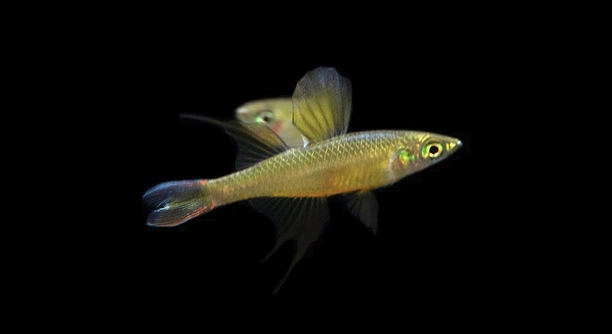
Have you ever noticed how threadfin rainbowfish react when the lights in your aquarium suddenly change? These small, colorful fish are sensitive, and even minor adjustments in their environment can affect their behavior and stress levels.
Threadfin rainbowfish can adapt to sudden light changes, but the process is gradual. Their natural physiology allows them to adjust, though abrupt shifts may temporarily increase stress and alter swimming patterns. Proper acclimation and consistent lighting reduce negative impacts effectively.
Understanding how light affects these fish helps maintain a healthy aquarium. Observing their responses can ensure they remain active, vibrant, and comfortable in their environment.
Understanding Threadfin Rainbowfish Sensitivity to Light
Threadfin rainbowfish are naturally sensitive to light because their habitats in slow-moving streams and rivers often feature dappled sunlight. Sudden changes in lighting can startle them, causing stress that may lead to erratic swimming or hiding. Their eyes are adapted to notice small differences in brightness, so rapid shifts are more noticeable than gradual changes. Aquariums with strong overhead lighting or fluctuating natural light from windows can create situations where fish react defensively. Observing how they respond to these changes can provide insight into their comfort level and overall health. Stress from light changes can weaken their immune system, making them more prone to diseases. It’s important to maintain consistent lighting cycles and avoid abruptly turning lights on or off. Using dimmers or adjustable lights can help the fish adjust more naturally, reducing sudden stress. Over time, they can adapt if the changes are controlled and gradual.
Maintaining consistent light levels ensures your fish remain active, healthy, and display their vibrant colors naturally without stress.
Gradually adjusting light levels allows threadfin rainbowfish to acclimate safely. Small increases or decreases in brightness over days or weeks help prevent panic behaviors. Observing their movement patterns, feeding habits, and color intensity can indicate whether they are adjusting properly. Sudden exposure to bright light may cause temporary hiding, while dim conditions can make them more lethargic. Using floating plants or aquarium covers can buffer intense light, creating shaded areas where the fish feel secure. Over time, a consistent light schedule enhances their activity and encourages normal social behaviors. By paying attention to these environmental details, you ensure the fish feel safe and remain visually vibrant, improving their overall well-being and longevity.
Tips for Adjusting Lighting in the Aquarium
Start by introducing light changes slowly over several days, allowing the fish to adapt naturally without stress.
When adjusting aquarium lighting, it helps to simulate natural conditions. Threadfin rainbowfish are accustomed to gradual changes from morning to evening light. Using timers can create a stable light cycle, reducing sudden spikes or drops in brightness. Positioning the aquarium away from direct sunlight helps prevent uncontrolled changes, while floating plants provide shaded areas for retreat. Observing the fish during transitions can help you notice early signs of stress, such as erratic swimming or hiding. Incorporating dimmers or adjustable LED lights allows finer control over brightness, which can be especially useful when introducing new tank mates or rearranging decorations. Gradual acclimation also includes nighttime lighting. Some aquarists use low-intensity moonlight settings to avoid abrupt darkness, allowing fish to adjust naturally. Consistent cycles not only reduce stress but support feeding and breeding behaviors. Over time, a stable lighting environment encourages vibrant colors, calmer behavior, and better overall health for your threadfin rainbowfish.
Common Behavioral Responses to Light Changes
Threadfin rainbowfish may swim erratically, hide behind plants, or cluster together when lighting shifts suddenly. These behaviors are temporary and usually subside once they adjust to the new brightness. Observing these patterns helps gauge their comfort and stress levels effectively.
Stress from abrupt light changes can cause more subtle behavioral effects over time. Some fish may become less active, eat less, or avoid open spaces in the tank. Their vibrant colors may also appear duller when they feel threatened or unsettled. Creating shaded areas and gradually adjusting light intensity allows them to feel secure and resume normal activity. Watching for these signals ensures the fish remain healthy and responsive.
Other behavioral signs include increased curiosity and exploration once the fish adjust. Threadfin rainbowfish gradually return to normal swimming patterns, interacting with tank mates and exploring decorations again. Providing consistent light cycles and observing responses daily ensures long-term comfort. Small adjustments in lighting during feeding or cleaning times can help them acclimate faster. Over weeks, their confidence increases, and erratic behavior diminishes, showing that gradual adaptation is effective.
Environmental Factors That Influence Adaptation
Water clarity, temperature, and tank décor all affect how threadfin rainbowfish respond to light changes. Clear water allows light to reach more areas, while shaded spots provide refuge. Consistency in these factors helps them adjust more comfortably.
Light sensitivity is not just about brightness. Water quality and temperature influence how quickly fish adapt. Warmer water can increase activity, making sudden lighting more noticeable, while cooler temperatures may make fish sluggish. Plants, rocks, and driftwood offer hiding spots, reducing stress during transitions. Positioning decorations strategically can buffer strong light and create natural patterns similar to their native habitat. By combining stable water conditions with gradual lighting adjustments, the fish feel safer and adapt more quickly. This approach supports natural behaviors, reduces stress, and encourages vibrant coloration, making the aquarium environment more balanced and predictable for threadfin rainbowfish.
Gradual Light Adjustment Techniques
Introducing light changes slowly reduces stress in threadfin rainbowfish. Increasing or decreasing brightness in small steps over several days helps them acclimate naturally without panic or hiding behaviors.
Using timers or dimmable lights ensures consistency. Gradual adjustments mimic natural sunrise and sunset patterns, keeping fish calm and reducing erratic swimming or stress-related behaviors effectively.
Using Plants and Decorations for Light Control
Floating plants and dense decorations create shaded areas that allow fish to retreat when lighting changes. These spots provide comfort, letting them adjust at their own pace. Observing how they use these areas can guide further lighting adjustments and improve overall tank management.
Monitoring Fish Health During Light Changes
Regularly check for signs of stress, such as clamped fins, loss of color, or unusual swimming. Early detection helps prevent long-term health issues. Maintaining stable lighting and water conditions supports natural behavior and overall well-being in threadfin rainbowfish.
The Role of Feeding and Routine
Keeping feeding times consistent during light adjustments helps fish feel secure. Routine encourages normal activity, supporting adaptation and reducing stress during environmental changes.
FAQ
How quickly can threadfin rainbowfish adapt to sudden light changes?
Adaptation varies by individual fish, but most begin adjusting within a few hours to a couple of days. Gradual exposure to increasing or decreasing brightness helps them acclimate faster. Sudden, extreme changes can cause temporary stress and erratic swimming. Providing shaded areas and consistent water conditions supports smoother adjustment. Observing their behavior daily gives insight into their comfort and ensures stress levels remain low. Over time, most fish regain normal activity and coloration, showing that they can adapt if the environment is managed carefully.
What are the signs of stress from lighting changes?
Common signs include hiding behind plants, swimming erratically, clamped fins, loss of vibrant color, and decreased appetite. Some fish may remain near the bottom or avoid open spaces entirely. Temporary hiding is normal, but prolonged stress can impact health. Watching for subtle changes in movement or behavior helps detect problems early. Adjusting lighting gradually and providing shaded areas can reduce these stress responses. Consistent feeding times and a predictable tank environment also minimize negative impacts.
Can tank decorations help with light adaptation?
Yes, plants, rocks, and driftwood create shaded zones where fish feel safe. Floating plants or tall structures filter light and provide a retreat for fish during bright periods. Observing which areas are most used can guide adjustments in lighting or décor. Strategically placed hiding spots prevent prolonged stress and encourage natural behavior. They also help diffuse sudden changes in brightness, allowing the fish to acclimate more comfortably. A well-decorated tank contributes to both mental and physical health for threadfin rainbowfish.
Is it harmful to expose them to sudden light changes occasionally?
Occasional exposure usually isn’t fatal, but repeated sudden changes can cause chronic stress, weakened immunity, and increased susceptibility to disease. Temporary hiding or slight color dulling is expected, but frequent episodes may lead to long-term behavioral issues. Minimizing abrupt shifts and using gradual lighting adjustments ensures their well-being. Creating buffer zones with plants and maintaining a consistent light schedule reduces negative effects, allowing fish to remain active and healthy while still adjusting to minor unavoidable changes.
Do feeding routines affect light adaptation?
Yes, keeping feeding times consistent provides stability during environmental changes. Fish are more likely to feel secure when they can anticipate meals, reducing stress caused by lighting adjustments. Feeding during low or moderate light can encourage exploration and normal behavior even when the tank is dimming or brightening. Over time, a reliable routine helps threadfin rainbowfish adapt faster, supporting their overall health and activity patterns. This simple practice complements shaded areas and gradual light changes for smoother acclimation.
How can I prevent stress from light changes in the long term?
Use timers to maintain consistent day-night cycles, position the aquarium away from direct sunlight, and incorporate shaded areas. Gradually adjust lighting when needed and observe fish behavior closely. Regular water maintenance, feeding routines, and thoughtful tank decoration also support long-term adaptation. Predictability in their environment reduces stress, preserves vibrant coloration, and encourages natural social and feeding behaviors. Over weeks and months, these practices create a stable habitat where threadfin rainbowfish can thrive comfortably despite minor light fluctuations.
Are some fish more sensitive than others?
Yes, younger fish or those new to an aquarium often react more strongly to light changes. Fish with health issues may also be slower to adapt. Observing individual responses helps identify sensitive fish and tailor light adjustments accordingly. Providing extra hiding spots or slower transitions for these individuals ensures they remain comfortable while still adjusting to changes. Sensitivity varies, but careful observation and environmental management allow all fish to adapt safely over time.
Does water clarity affect adaptation to light changes?
Clear water increases light penetration, making sudden changes more noticeable and potentially stressful. Cloudy or planted tanks diffuse light, creating softer transitions. Maintaining good water quality while considering light diffusion from decorations or floating plants can help fish adjust comfortably. This balance supports natural behavior, reduces stress, and ensures the tank remains visually appealing. Observing how fish interact with shaded and open areas indicates whether lighting levels are appropriate.
Can threadfin rainbowfish regain normal behavior after prolonged stress from light changes?
Yes, with consistent care, most fish return to normal activity, swimming patterns, and coloration. Gradual reintroduction to stable lighting, shaded zones, and consistent feeding helps recovery. Recovery may take days or weeks, depending on the severity of stress and individual sensitivity. Observing behavior closely ensures the adjustments are effective, allowing the fish to regain confidence and resume natural exploration and social interactions in the tank.
How important is observation during light adjustment?
Observation is critical. Monitoring swimming patterns, color changes, hiding behavior, and feeding habits provides insight into stress levels and adaptation progress. Regular checks allow early intervention if problems arise, ensuring fish remain healthy. Combining observation with gradual light changes, consistent routines, and proper tank décor creates an environment where threadfin rainbowfish can adapt safely and thrive.
Final Thoughts
Threadfin rainbowfish are naturally sensitive to light, and sudden changes can affect their behavior and stress levels. These fish thrive in environments that mimic their natural habitats, where light shifts gradually throughout the day. Abrupt changes, like switching aquarium lights on or off too quickly, can cause temporary panic, erratic swimming, or hiding. Even though these behaviors may seem minor, repeated exposure to sudden light changes can impact overall health. Maintaining a stable environment with predictable lighting cycles helps the fish feel secure. Over time, they can adapt to new light conditions if changes are gradual and carefully managed. Observing their behavior closely is important because each fish may react differently depending on age, health, or temperament. Some may adjust within hours, while others need several days. Providing shaded areas and hiding spots gives them a safe retreat during brighter periods, which can prevent stress from escalating.
Gradual adjustments in lighting are one of the most effective ways to help threadfin rainbowfish adapt. Using dimmers or timers allows light intensity to increase or decrease slowly, mimicking natural sunrise and sunset patterns. Floating plants, rocks, and other decorations provide additional buffer zones, creating shaded areas that make transitions easier. These small environmental considerations reduce the risk of stress-related behaviors and encourage normal swimming and feeding patterns. Consistent feeding times also play a role in adaptation, as fish are more confident and active when their routines are predictable. Over time, these practices improve overall health and enhance their natural coloration. Even minor changes in the tank’s light can be significant, so careful planning is necessary. By paying attention to water quality, temperature, and decoration placement, it is possible to create a balanced environment where threadfin rainbowfish feel comfortable and secure.
Watching the fish during light changes is essential for understanding their needs. Behavioral cues, such as hiding, swimming patterns, and coloration, provide insight into their comfort level. Temporary stress is normal, but prolonged signs of discomfort indicate a need for adjustment. Consistent care, thoughtful tank setup, and gradual light management support the fish’s ability to adapt without long-term harm. Threadfin rainbowfish are resilient when given time and proper environmental conditions. By providing stable lighting, shaded areas, and predictable routines, these fish can thrive in an aquarium setting. Maintaining this balance ensures they remain active, healthy, and visually vibrant, demonstrating that careful management of light is key to their well-being and overall happiness in captivity.

Hello,
If you enjoy the content that we create, please consider saying a "Thank You!" by leaving a tip.
Every little bit helps us continue crafting quality advice that supports the health, happiness, and well-being of pets around the world, for pets of all shapes, sizes, and species.
We really appreciate the kindness and support that you show us!