
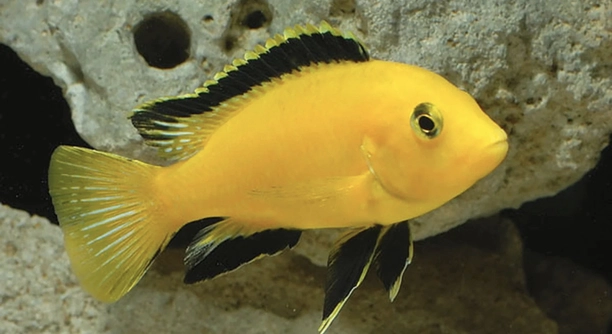
Do you ever notice how cichlids seem to navigate their tanks with ease, moving confidently between hiding spots, feeding areas, and territories? Their movements suggest a remarkable memory guiding their daily routines with precision.
Cichlids rely on several memory-based routes to navigate their environment, including pathways between feeding zones, breeding sites, hiding spots, and territorial boundaries. These routes help them efficiently locate resources, avoid predators, and maintain social structures within their habitat.
Observing these patterns reveals more than movement; it uncovers the cognitive abilities shaping their daily survival and interactions. Understanding these routes enhances appreciation of cichlids’ intelligence in their aquatic world.
Feeding Routes
Cichlids develop specific routes to reach feeding areas, memorizing locations where food is consistently available. In aquariums, they often recognize the timing of feeding and move quickly along familiar paths. This behavior reduces energy expenditure and increases efficiency, allowing them to focus on other important activities like defending territory or social interaction. Observing their feeding routes can be fascinating, as each fish may favor a slightly different path depending on personality and social rank. These routes are reinforced over time, showing that cichlids can remember spatial locations and associate them with positive outcomes like food rewards. Consistency in feeding locations helps maintain a sense of security, which is important for reducing stress and supporting overall health. Some cichlids may also patrol these routes, checking for competitors or threats, demonstrating that these paths serve multiple purposes beyond just finding food.
Memorized feeding routes improve both survival and efficiency in daily life. Cichlids rely on repeated patterns to maximize resources.
Tracking these routes highlights their impressive memory skills. By noting how often and quickly they travel these paths, aquarists can better design tank layouts and feeding schedules, promoting healthier and more natural behavior. Observing subtle variations also provides insights into social hierarchies, as dominant individuals may control prime routes while others take alternative paths. These feeding routes are not rigid; changes in tank layout or food placement often lead to new route formation, showing flexibility and adaptability in memory usage. Over time, cichlids demonstrate an ability to optimize movement, balancing risk and reward in their environment.
Breeding and Nesting Routes
Breeding routes are specific paths cichlids follow to reach nesting sites.
Cichlids remember exact locations for breeding and nesting, often returning to the same areas each season. These routes are crucial for reproductive success, as they guide fish safely to protected sites. Memory helps them avoid threats, locate mates, and manage territory around nests. In some species, males and females use separate routes for feeding and mating, showing complex spatial awareness. Observing these routes reveals their ability to combine memory with instinct, ensuring both survival and reproduction. Environmental cues, like landmarks or tank structures, further support their navigation, reinforcing established patterns. Changes in the tank can temporarily disrupt these routes, but cichlids quickly adapt, demonstrating strong spatial learning. Nesting routes are also influenced by social interactions; dominant fish may restrict access to prime sites, forcing others to adjust their paths. Over time, these routes become ingrained, showing that memory is central to cichlid reproductive behavior.
Territory Patrol Routes
Territory patrol routes allow cichlids to monitor and defend their space effectively. Fish memorize borders and regularly swim these paths to detect intruders or competitors, ensuring control over resources and social stability.
Cichlids rely on memory to maintain their territories, frequently revisiting boundaries to reinforce dominance. These patrols help them recognize familiar neighbors and detect unfamiliar fish that may pose threats. Routes often follow prominent tank landmarks, like rocks or plants, which serve as reference points. By memorizing these features, cichlids navigate efficiently while keeping energy expenditure low. Social hierarchies also influence patrol frequency and route choice, as dominant individuals may cover prime areas more rigorously. Understanding these patterns can reveal how fish balance defense and exploration, showing that spatial memory directly impacts survival and social behavior in a confined habitat.
Observation of these patrol routes uncovers how cichlids integrate memory, spatial awareness, and social cues. Each path reflects both strategy and environmental adaptation, highlighting their intelligence. They adjust patrols depending on threats, ensuring constant vigilance while maintaining energy for feeding and breeding. Routes may shift if new structures or fish are introduced, demonstrating flexibility in memory-based navigation. Fish that efficiently patrol their territory often enjoy better access to food and mates. Documenting these behaviors provides insight into their natural instincts, showing that cichlids combine memory with routine actions to preserve both dominance and safety.
Shelter and Hiding Routes
Shelter routes are critical for cichlids to reach hiding spots quickly during stress or threat. Memorized paths reduce exposure and allow fish to retreat efficiently, maintaining safety.
Cichlids remember the locations of shelters and safe zones, which they use repeatedly when avoiding predators or aggressive tank mates. These routes are often the shortest and least exposed paths, showing spatial precision. Fish may also use landmarks, such as plants, rocks, or tank decorations, to navigate to these spots. Shelter routes are reinforced over time, as repeated use strengthens memory, creating a reliable escape network. In social groups, dominant and subordinate fish may have distinct hiding routes, reflecting both safety needs and hierarchical position. Understanding these patterns highlights the role of memory in survival behavior, showing how cichlids integrate spatial learning with instinct.
The use of hiding routes reveals the adaptability of cichlids in managing threats. Memory allows them to quickly adjust to changes in the tank or the behavior of other fish. Frequent use of these paths reduces stress, improving overall health. Observing how fish navigate to shelters also demonstrates their ability to anticipate danger and respond proactively. Over time, cichlids refine these routes, making movement predictable yet efficient. Environmental modifications, like adding or removing structures, can influence their choices, showing flexibility. By tracking these behaviors, it is clear that memory plays a key role in safety, social interaction, and daily survival strategies.
Social Interaction Routes
Cichlids follow familiar paths to meet specific tank mates for social interactions. These routes help them maintain bonds, establish hierarchies, and coordinate group behaviors efficiently.
Memory guides these social routes, allowing fish to anticipate where others will be. Patterns often form around shared feeding or shelter areas, reinforcing relationships.
Exploration Routes
Cichlids use exploration routes to familiarize themselves with new tank areas or changed environments. These routes allow them to investigate without losing access to known resources, balancing curiosity with safety. Fish gradually expand their range, creating mental maps for efficient movement. Memory ensures repeated visits reinforce knowledge of landmarks, hazards, and resource locations. Exploration routes also support learning about social dynamics, as fish can observe the behavior of others from multiple vantage points. Over time, these paths become part of their daily routine, combining investigation with routine survival tasks.
Resting Routes
Resting routes connect cichlids to preferred sleeping or low-activity areas. These paths are memorized to ensure safe and consistent rest locations.
How do cichlids remember their feeding routes?
Cichlids remember feeding routes through repeated exposure to the same locations and times. Their memory links landmarks, timing, and food availability, creating a reliable mental map. Fish quickly learn the shortest or safest paths, reducing energy use while maximizing feeding efficiency. Over time, this behavior becomes habitual, and even small changes in the tank rarely confuse them. Observing their feeding patterns shows they often anticipate when and where food will appear, following routes precisely and sometimes competing for the fastest path. Memory reinforcement occurs as rewards, like food, strengthen the association between the route and positive outcomes.
Do cichlids adjust their breeding routes?
Yes, cichlids adjust breeding routes based on environmental changes or social pressures. If a preferred nesting site is occupied or threatened, they will memorize alternative paths to access other safe locations. Memory allows them to navigate around obstacles or aggressive neighbors while still reaching breeding sites efficiently. The flexibility in these routes ensures reproductive success even in dynamic conditions. Fish may also refine these paths seasonally, reinforcing routes that consistently lead to safe and productive nests. Both males and females use memory to coordinate courtship, territory defense, and egg-laying.
Why are territory patrol routes important?
Territory patrol routes allow cichlids to monitor borders and defend resources effectively. Memorized paths help them detect intruders quickly and maintain social hierarchy. Fish follow landmarks and familiar markers, reducing unnecessary movement while covering critical areas. Routes often vary with social rank; dominant fish patrol more rigorously, while subordinate fish take alternative paths. Memory of these patrols also allows cichlids to respond strategically to repeated intrusions, adjusting their behavior based on past encounters. Efficient patrolling reduces stress and ensures access to food, shelter, and mates, demonstrating the role of memory in balancing defense with energy conservation.
How do shelter routes improve survival?
Shelter routes let cichlids retreat quickly from threats or aggressive tank mates. Memorized paths connect hiding spots, reducing exposure and stress. Fish use landmarks such as plants or rocks to navigate efficiently, and repeated use strengthens memory. Dominant and subordinate fish may follow different paths, reflecting safety needs and social dynamics. These routes also allow cichlids to explore safely, knowing an escape is always accessible. Quick access to shelter reduces risk of injury and maintains overall health. Fish refine these paths as they gain experience, showing adaptability and strong spatial memory in daily survival strategies.
What role do social interaction routes play?
Social interaction routes help cichlids maintain bonds and coordinate behaviors with specific tank mates. Memory allows fish to anticipate where others will be, creating predictable meeting points around feeding areas, shelters, or resting zones. Following familiar paths reinforces social hierarchies and reduces conflict. Fish often return to these routes to check on allies, establish dominance, or avoid rivals. These routes support both cooperation and competition, allowing cichlids to manage group dynamics efficiently. By memorizing patterns of movement, fish integrate social information with environmental cues, showing that memory shapes more than navigation—it directly influences their interactions and survival.
How do exploration routes work in a tank?
Exploration routes allow cichlids to investigate new or changed environments safely. Fish gradually expand their range, memorizing landmarks, hazards, and resource locations. Memory ensures repeated visits reinforce knowledge, creating mental maps for efficient movement. Exploration supports learning about both the physical environment and the behavior of other fish. These routes are balanced with feeding, resting, and shelter paths, showing how cichlids integrate multiple memory-based behaviors into daily routines. Adjustments occur when new structures or tankmates are introduced, demonstrating flexibility and adaptability. Over time, exploration routes become routine, merging curiosity with survival and environmental awareness.
Why are resting routes significant?
Resting routes connect cichlids to safe, low-activity areas where they can rest without disturbance. Memorized paths ensure predictable access, reducing stress and risk from nearby tankmates or environmental changes. Fish often follow these routes daily, reinforcing familiarity with the safest locations. Resting routes may overlap with shelter or feeding paths but are specifically chosen for calm and security. Memory of these routes allows cichlids to balance rest with vigilance, ensuring energy is preserved for feeding, reproduction, and defense. Consistent resting paths improve overall health and demonstrate how memory supports both safety and routine behavior in daily life.
Can environmental changes affect memory routes?
Yes, environmental changes can alter how cichlids use their memorized routes. Adding new structures, rearranging plants, or introducing new fish may disrupt familiar paths. However, cichlids are adaptable and will quickly learn new routes, adjusting their movements while maintaining efficiency. Memory allows them to combine old and new information, finding optimal paths to feeding, shelter, or social interactions. Fish may temporarily explore multiple routes until a new routine is established. Observing these adjustments shows how memory interacts with learning, flexibility, and problem-solving, highlighting the cognitive abilities that allow cichlids to thrive even in changing environments.
How long do cichlids remember their routes?
Cichlids can retain memory of routes for weeks to months, depending on frequency of use and reinforcement through rewards or social interactions. Consistently traveled paths become deeply ingrained, allowing efficient navigation with minimal error. Memory retention is influenced by environmental stability, social factors, and repeated experiences. Even when tanks are rearranged, fish quickly relearn new routes by combining prior knowledge with exploration. The persistence of these memory-based routes demonstrates that cichlids rely on spatial learning for survival, resource access, and social coordination. Regular observation confirms that memory shapes most aspects of their daily activities.
Do all cichlids use memory routes similarly?
Different species and individuals vary in how they use memory routes. Some may favor certain paths due to temperament, size, or social rank. Dominant fish often control prime routes, while subordinates adapt to secondary paths. Species with complex social behavior or larger territories may rely more heavily on memorized routes. Environmental factors and tank size also influence route formation. Despite these differences, all cichlids show the ability to learn, remember, and adapt routes, illustrating that memory is central to feeding, breeding, shelter, and social organization. Tracking these behaviors highlights individual strategies within species and their cognitive flexibility.
Cichlids are more than just colorful fish in a tank; they are intelligent creatures that rely heavily on memory to navigate their daily activities. From feeding and breeding to social interactions and territory defense, every action they take is influenced by learned routes. Observing their behavior shows a remarkable ability to remember paths, landmarks, and safe zones, which helps them manage energy and stay safe. These memory-based routes are not random movements but carefully chosen paths that allow cichlids to maintain efficiency and predictability in their environment. Whether swimming to a favorite feeding spot, retreating to a hiding place, or patrolling a territory, each route demonstrates their capacity for spatial learning and memory. Understanding these behaviors provides insight into how cichlids interact with both their environment and other fish.
Memory-based routes also highlight the adaptability of cichlids. While they often follow familiar paths, they are capable of adjusting when changes occur in their environment. New structures, rearranged plants, or the presence of new tankmates can alter routes, but cichlids quickly learn and establish new paths. This flexibility demonstrates that their memory is not rigid but interacts with problem-solving and learning. Fish may explore multiple paths before settling on the most efficient one, combining previous knowledge with new experiences. Over time, these adapted routes become routine, showing how memory allows them to cope with changes while maintaining safety and efficiency. Observing these patterns can deepen our appreciation of their intelligence and behavior, revealing how memory is central to survival in both natural and aquarium settings.
Finally, paying attention to memory-based routes can improve how we care for cichlids. Understanding their feeding, shelter, and social patterns allows for better tank design, placement of structures, and feeding schedules. By providing consistent landmarks and safe zones, we support their natural behaviors and reduce stress, which contributes to overall health. Social hierarchies can also be respected by observing how different fish use routes, allowing for more harmonious interactions. These insights go beyond simple observation—they reveal the importance of memory in cichlid life and help us create environments that reflect their natural instincts. Recognizing the role of memory-based routes encourages a deeper connection with these fish, reminding us that even in small aquariums, cichlids exhibit complex behaviors driven by intelligence, learning, and adaptation.

Hello,
If you enjoy the content that we create, please consider saying a "Thank You!" by leaving a tip.
Every little bit helps us continue crafting quality advice that supports the health, happiness, and well-being of pets around the world, for pets of all shapes, sizes, and species.
We really appreciate the kindness and support that you show us!