
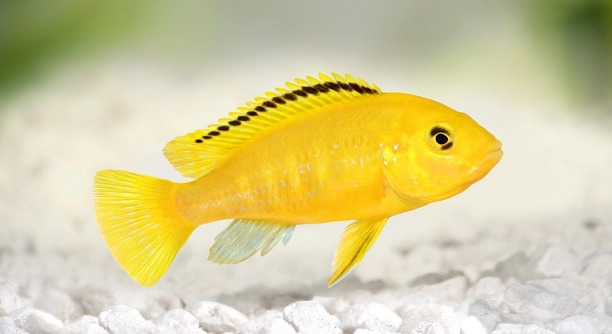
Cichlids are vibrant and intelligent fish that bring life to any aquarium. Observing their behavior can provide insight into their well-being. Understanding the signs of happiness helps create a stable and nurturing environment for these aquatic companions.
Happy cichlids display consistent activity, vibrant coloration, and social interaction with tank mates. They maintain regular feeding habits, show territorial awareness without aggression, and exhibit curiosity toward their surroundings, indicating both physical health and emotional well-being in their aquatic habitat.
Recognizing these indicators ensures your cichlids thrive and enjoy a balanced, enriched environment that supports their natural behaviors and long-term health.
Consistent Activity and Movement
Cichlids that are happy tend to move confidently throughout the tank. They explore decorations, swim in open spaces, and interact with their surroundings without appearing stressed. Regular movement is an indicator of both physical health and mental stimulation. You may notice them patrolling the tank, investigating corners, or gliding around plants. These behaviors reflect their comfort level. Inactive or listless fish often indicate stress, illness, or poor water conditions. Observing daily activity patterns can help you notice small changes that may signal problems early. Providing ample swimming space, varied terrain, and hiding spots encourages natural movement. Maintaining stable water parameters and consistent feeding routines also supports regular activity. By monitoring their movement, you gain insight into their overall well-being. Active cichlids are usually content, confident, and well-adapted to their environment, reflecting your care and attention to the aquarium’s conditions.
Consistent activity is a clear sign of healthy, happy fish and balanced tank conditions. It reflects both physical and mental well-being.
Daily observations of swimming patterns can reveal subtle changes in mood or health. Active behavior demonstrates comfort, curiosity, and proper care.
Vibrant Coloration
Bright, vibrant colors in cichlids are a reliable sign of happiness and good health. Stress, illness, or poor water quality often dull their coloration. Maintaining proper nutrition and consistent water parameters enhances their natural hues. A well-fed cichlid with a balanced diet of pellets, flakes, and occasional live or frozen foods will display rich patterns. Additionally, stable lighting and a clean environment contribute to enhanced color expression. Some species may also show increased vibrancy during interactions with tank mates or while establishing territory, which is a natural and positive behavior. Observing color changes over time allows you to detect early signs of health issues. Proper filtration, regular water changes, and avoidance of overcrowding help maintain vivid colors and reduce stress. Supporting these conditions ensures your cichlids remain visually striking and emotionally healthy.
Vibrant coloration reflects overall health and proper care, indicating that the fish are thriving and stress-free.
Maintaining optimal water quality, a nutritious diet, and stable tank conditions enhances their natural colors. Stress reduction and consistent care allow cichlids to display full vibrancy, showing they are happy, confident, and well-adjusted to their environment.
Social Interaction
Cichlids that engage with tank mates and respond to their environment are usually content. Observing cooperative behaviors or gentle displays of territory signals emotional balance and comfort in their surroundings.
Happy cichlids often show clear social hierarchies while maintaining friendly interactions with other fish. They may chase, display, or swim alongside tank mates without constant aggression. Properly grouped cichlids establish bonds and routines that reduce stress and promote natural behavior. Overcrowding or mismatched species can disrupt social balance, causing tension and diminished activity. Regular observation allows adjustments to maintain harmony and keep fish content. Social interaction also stimulates mental engagement, which is essential for long-term well-being in a confined habitat.
Balanced social dynamics contribute to cichlids’ overall happiness. They thrive when their interactions are consistent, predictable, and free from excessive stress. Creating the right environment ensures these behaviors continue naturally, reinforcing their health and comfort.
Healthy Appetite
A consistent and enthusiastic appetite is a strong indicator of a happy cichlid. They approach feeding times actively and show interest in offered foods.
Cichlids with a healthy appetite eat regularly without hesitation, consuming a balanced mix of pellets, flakes, and occasional live or frozen food. Changes in feeding behavior, such as refusing food or overeating, often signal stress, illness, or water quality issues. Offering a varied diet tailored to the species supports digestion, coloration, and energy levels. Scheduled feeding helps maintain routine, while observing individual preferences ensures all fish receive proper nutrition. Feeding responses are also an excellent way to monitor fish energy and engagement with their environment, reflecting both physical and emotional health.
Monitoring appetite is essential for detecting early signs of problems. Maintaining proper feeding schedules and a varied diet helps cichlids stay energetic, healthy, and emotionally stable. Consistency in nutrition strengthens immune function and supports vibrant activity, social engagement, and overall well-being in the aquarium.
Territorial Behavior
Cichlids that display mild territorial behavior are usually confident and secure. They mark areas, defend hiding spots, and interact with other fish in controlled ways, showing a healthy sense of ownership in their environment.
Proper territory boundaries reduce stress and aggression. Happy cichlids recognize limits and respect tank mates, maintaining balance while expressing natural instincts.
Curiosity and Exploration
Curious cichlids actively investigate decorations, plants, and new objects. They approach unfamiliar items cautiously but consistently, demonstrating mental engagement and comfort in their surroundings. Regular exploration indicates confidence, environmental satisfaction, and good health. Observing these behaviors helps ensure that their habitat remains stimulating and well-maintained.
Clean and Healthy Environment
A well-maintained tank directly impacts cichlid happiness. Clear water, stable temperature, and regular cleaning promote comfort, prevent illness, and allow natural behaviors to flourish.
FAQ
What are the most common signs of a happy cichlid?
Happy cichlids display active swimming, consistent appetite, and vibrant coloration. They interact calmly with other fish, explore their environment, and establish gentle territorial boundaries. Regular movement and curiosity are reliable indicators that they feel secure and content in their aquarium.
How can I encourage social interaction among my cichlids?
Providing adequate space, hiding spots, and compatible tank mates promotes healthy social behavior. Avoid overcrowding, as it can increase aggression. Observing daily interactions helps you adjust the tank setup, ensuring all fish can establish territories and interact without excessive stress.
Why is appetite a good indicator of happiness?
A steady appetite reflects both physical health and emotional well-being. Cichlids that eagerly eat balanced meals are typically stress-free and energetic. Changes in feeding behavior, such as refusal or overeating, can signal illness, poor water conditions, or environmental stress.
How does tank environment affect cichlid behavior?
Clear, clean water with stable temperature and proper filtration supports natural behaviors. Decorations, plants, and hiding places reduce stress and encourage exploration. A well-maintained environment directly contributes to happiness, allowing cichlids to swim confidently and interact positively with their surroundings.
Can coloration indicate stress or happiness?
Yes, vibrant and consistent coloration usually signals good health and contentment. Dull or faded colors can indicate stress, illness, or poor water quality. Providing proper nutrition, stable conditions, and minimal stress helps maintain their natural vibrancy.
How often should I monitor my cichlids for happiness?
Daily observation is best. Watching swimming patterns, feeding habits, and social interactions allows early detection of problems. Noting subtle changes in behavior or appearance ensures quick intervention and maintains overall health and happiness in the aquarium.
Do all cichlids show happiness in the same way?
No, behaviors vary by species. Some are more territorial, while others are highly social. Understanding species-specific traits helps interpret signs of happiness accurately. Providing species-appropriate environments supports natural behaviors and emotional well-being.
What role does enrichment play in cichlid happiness?
Toys, plants, and varied terrain stimulate mental engagement. Exploration and interaction with objects prevent boredom, reduce stress, and promote natural instincts. Enrichment ensures fish remain active, curious, and confident in their surroundings.
How can I tell if cichlids are stressed instead of happy?
Signs of stress include hiding excessively, lethargy, refusal to eat, aggression beyond normal behavior, and faded colors. Identifying these early allows adjustments in water quality, diet, or tank layout to restore comfort and contentment.
Is it necessary to adjust lighting for happier cichlids?
Yes, proper lighting enhances natural coloration and supports daily activity patterns. Too bright or inconsistent light can cause stress, while stable lighting helps fish feel secure, encouraging normal movement and exploration.
How important is a balanced diet for happiness?
A nutritious, varied diet supports energy, coloration, and overall health. Offering a combination of pellets, flakes, and occasional live or frozen foods ensures cichlids remain active, curious, and socially engaged. Proper feeding routines also reinforce predictable behavior and comfort.
Can happy cichlids coexist with other species?
Yes, if tank mates are compatible and space is sufficient. Avoid overcrowding or pairing aggressive species with timid ones. Careful observation and proper tank design help maintain harmony while supporting natural social interactions.
How do I maintain long-term happiness in cichlids?
Consistent water quality, proper diet, regular monitoring, and an enriched environment are key. Understanding species-specific behaviors, providing enough space, and minimizing stress help ensure they remain healthy, active, and emotionally balanced for years.
How can I tell if a cichlid is curious or stressed?
Curiosity involves cautious exploration, approaching objects, and interacting with the environment without hiding. Stress shows through constant hiding, erratic swimming, or avoidance of surroundings. Observing these patterns daily provides insight into their emotional state.
What is the best way to address behavioral changes?
Identify possible causes like water quality, diet, or tank conditions. Adjust the environment accordingly, provide enrichment, and monitor closely. Early intervention helps restore happiness and prevents long-term health or social issues.
How much does tank size impact happiness?
Larger tanks provide space for swimming, exploration, and territory establishment, reducing aggression and stress. Crowded or small tanks can limit natural behavior, affecting both physical and emotional well-being. Proper size tailored to species needs supports confidence and comfort.
How can I tell if feeding habits are normal?
Cichlids eating consistently during feeding times, showing interest in food, and digesting well indicate normal habits. Sudden refusal, hoarding, or overeating may signal stress, illness, or environmental problems needing attention.
Do happy cichlids interact with their owner?
Some cichlids recognize movement outside the tank and may respond actively. Approaching the glass during feeding or swimming toward activity reflects curiosity and comfort in their environment. This interaction often shows trust and emotional engagement.
What daily practices help maintain happiness?
Consistent feeding, water checks, cleaning, and observing behavior daily ensure stability. Providing hiding spots, decorations, and sufficient swimming space encourages activity and reduces stress. Regular attention supports both physical health and emotional well-being, allowing cichlids to thrive naturally.
How can I reduce aggression in a multi-cichlid tank?
Monitor social interactions, provide enough space and hiding spots, and select compatible species. Maintaining clear territories and avoiding overcrowding limits conflict. Observing patterns allows adjustments before aggression escalates, supporting harmony and balanced social behavior.
Why is observing body language important?
Posture, fin position, and swimming patterns communicate comfort or distress. Upright fins, smooth movement, and alertness indicate happiness, while clamped fins, rapid darting, or constant hiding suggest stress. Daily observation ensures early detection of issues.
How often should water parameters be checked?
Regular checks, at least weekly, maintain stable conditions. pH, ammonia, nitrite, nitrate, and temperature directly impact fish health. Consistency prevents stress and supports active, confident, and healthy behavior in cichlids.
What should I do if a cichlid seems unhappy?
Assess water quality, diet, social dynamics, and tank layout. Adjust conditions, provide enrichment, and monitor behavior closely. Early action prevents long-term issues, restores comfort, and encourages normal activity, appetite, and coloration.
Can cichlids show individual personality traits?
Yes, each fish may display unique curiosity, territoriality, or social tendencies. Recognizing these traits helps provide a tailored environment, supports mental stimulation, and promotes overall happiness in the aquarium.
How important is consistency in care routines?
Predictable feeding, cleaning, and observation routines reduce stress. Cichlids thrive in stable environments, where daily care reinforces comfort, confidence, and well-being. Variations can lead to behavioral changes, diminished appetite, or reduced activity, so consistency is essential.
What are some signs that a tank setup is ideal for happiness?
Fish are active, explore freely, interact calmly, and display vibrant colors. Minimal aggression, regular appetite, and confident swimming indicate the environment meets physical and emotional needs. Continuous observation ensures adjustments maintain these positive conditions.
How do I prevent boredom in cichlids?
Provide plants, hiding spots, and varied decorations. Rotating or adding new objects encourages exploration and curiosity. Enrichment supports natural behaviors, reduces stress, and maintains engagement, keeping fish active and emotionally satisfied.
Can lighting changes affect mood?
Yes, stable lighting supports activity patterns and color vibrancy. Too bright or inconsistent lighting can increase stress. Proper cycles simulate natural conditions, helping cichlids remain active, confident, and comfortable in their habitat.
What is the most reliable way to ensure long-term happiness?
Combine consistent water quality, balanced nutrition, enrichment, and species-appropriate social groups. Regular observation allows early detection of issues. Providing a stable, stimulating, and safe environment promotes physical health, emotional well-being, and natural behaviors over time.
How do I handle changes in tank dynamics?
Monitor interactions, adjust decorations or territories, and separate overly aggressive fish if needed. Ensuring space and compatible groupings maintains stability, reduces stress, and preserves happiness for all cichlids.
What subtle behaviors indicate satisfaction?
Calm swimming, steady fin movement, gentle displays of territory, and approaching objects or tank mates show contentment. Observing these daily reassures you that the environment is supportive and the fish feel secure.
How important is water temperature for happiness?
Stable temperatures matching species requirements are essential. Fluctuations cause stress, lethargy, or aggression. Consistent warmth supports metabolism, activity, feeding, and overall comfort, promoting happy, confident behavior.
How do I maintain harmony in a mixed-species tank?
Research compatibility, provide sufficient space and hiding spots, and monitor interactions closely. Adjust groupings if aggression appears. Balanced conditions reduce conflict and encourage positive social behavior, supporting the emotional well-being of all inhabitants.
How can I tell if a cichlid is thriving versus just surviving?
Thriving cichlids are active, colorful, curious, and socially engaged. They eat well, explore their environment, and respond confidently to surroundings. Surviving fish may be inactive, stressed, or show dull coloration. Observation of consistent healthy behavior distinguishes true contentment from mere survival.
What small daily actions have the biggest impact on happiness?
Regular feeding, water checks, cleaning, and watching interactions make the largest difference. Consistent care supports physical health, mental stimulation, social balance, and emotional comfort, ensuring cichlids remain active, confident, and happy.
How does stress manifest in body language?
Clamped fins, erratic swimming, hiding, or aggression beyond normal behavior indicate stress. Recognizing these signs allows early intervention, preventing health decline and restoring balance in the tank.
Can environmental enrichment replace social interaction?
Enrichment supplements, but does not replace, social needs. Appropriate tank mates and interactive behaviors are essential for full emotional satisfaction. Toys and decorations support mental stimulation but cannot substitute healthy social dynamics entirely.
How long does it take to see signs of happiness?
Most cichlids display activity, exploration, and color improvements within days of optimal care. Long-term behaviors, such as social bonding and routine confidence, develop over weeks, reflecting stability and proper environmental conditions.
What are the top priorities for maintaining happy cichlids?
Consistent water quality, proper diet, enriched environment, social harmony, and daily observation ensure physical and emotional well-being. Early problem detection, stress reduction, and stability create thriving fish that are active, colorful, and confident.
How can I prevent boredom in smaller tanks?
Use plants, rocks, and compact decorations to create hiding spots and pathways. Rotating objects or adjusting the layout periodically encourages exploration, curiosity, and mental engagement, even in limited spaces.
How do I know if a cichlid’s behavior is normal?
Compare activity levels, feeding, social interactions, and coloration with species-specific norms. Consistency over time indicates healthy behavior, while sudden deviations suggest stress, illness, or environmental issues that need addressing.
What are the signs that a tank setup needs improvement?
Persistent aggression, hiding, loss of appetite, faded colors, or reduced activity suggest problems. Adjusting space, enrichment, water quality, and social groupings helps restore comfort, safety, and natural behaviors for happier fish.
How important is water clarity?
Clear water reduces stress, supports healthy gill function, and allows fish to see their surroundings. Turbidity or debris can hinder exploration, feeding, and social interaction, affecting overall well-being. Proper filtration and regular maintenance are essential.
What adjustments help shy cichlids feel comfortable?
Provide hiding places, sufficient space, and gentle tank mates. Introduce enrichment gradually and avoid sudden changes in lighting or layout. Observing gradual improvements in confidence indicates the adjustments are effective.
Can happy cichlids be kept alone?
Some species thrive solo, while others need social interaction. Understanding species-specific requirements is essential. Even solitary fish require enrichment, stable conditions, and proper care to remain active and emotionally balanced.
How can I track long-term happiness?
Keep notes on feeding, activity, coloration, and social interactions. Observing trends over weeks and months helps identify improvements, issues, or needs for adjustments, ensuring consistent well-being.
What is the best balance between activity and rest?
Cichlids should swim actively, explore, and interact while also resting in safe areas. Overactivity or constant hiding signals imbalance. Providing a natural rhythm of stimulation and rest promotes physical health and emotional stability.
How often should decorations be changed or rearranged?
Periodic adjustments stimulate curiosity but should be gradual. Sudden major changes can stress fish. Rearranging plants, rocks, or hiding spots occasionally keeps the environment engaging without disrupting comfort.
What is the role of observation in maintaining happiness?
Daily attention allows early detection of behavioral or health issues. Monitoring activity, appetite, social interaction, and coloration ensures timely adjustments, promoting stable, confident, and content cichlids in a well-managed tank.
How can I prevent aggression in a growing tank?
Monitor social hierarchy, provide enough space, and use dividers or hiding spots when necessary. Gradual introduction of new fish and species-appropriate groupings reduces stress, allowing cichlids to establish natural behavior without excessive conflict.
Can cichlids become stressed from overhandling or tank changes?
Yes, frequent disturbance, rapid water changes, or moving objects suddenly can increase stress. Gentle, minimal handling and gradual adjustments maintain confidence, reduce fear, and support consistent natural behavior.
How can I ensure all cichlids in a tank remain happy?
Provide balanced nutrition, stable water, enrichment, and compatible tank mates. Observe each fish individually to detect subtle changes. Addressing needs promptly ensures harmony, engagement, and overall contentment for all inhabitants.
What is the most overlooked factor in cichlid happiness?
Environmental enrichment is often neglected. Simple additions like plants, hiding spots, and varied terrain encourage exploration, reduce stress, and allow expression of natural behaviors, significantly enhancing emotional well-being.
How do I balance feeding routines with activity levels?
Feed according to species requirements and activity, ensuring adequate nutrition without overfeeding. Observe energy levels and appetite, adjusting portions to maintain health, engagement, and a balanced, active lifestyle.
What long-term benefits result from monitoring happiness?
Consistent observation and care prevent illness, aggression, and stress. Happy cichlids display vibrant colors, strong social bonds, and natural behaviors, leading to a healthier, more active, and resilient aquarium ecosystem.
How can I make a shy cichlid more confident?
Gradually introduce enrichment, provide safe hiding spots, maintain consistent routines, and avoid aggressive tank mates. Over time, confidence increases, leading to active exploration, social interaction, and improved coloration.
Can cichlids communicate happiness through fin displays?
Yes, upright fins, relaxed movements, and smooth swimming reflect confidence and contentment. Clamped or rigid fins often indicate stress or discomfort. Observing fin behavior helps assess emotional state accurately.
What role does water flow play in happiness?
Moderate, species-appropriate water flow encourages natural swimming behavior, activity, and environmental engagement. Excessive or insufficient flow can stress fish, reduce exploration, or impact feeding, affecting overall well-being.
How can I identify subtle signs of illness versus unhappiness?
Illness often presents with physical symptoms like lesions, swelling, or labored breathing, while unhappiness manifests through behavioral changes such as hiding, reduced activity, or aggression. Monitoring both helps differentiate and respond appropriately.
What are the key indicators that adjustments are working?
Increased activity, vibrant coloration, consistent appetite, and calm social interactions show positive response. Gradual improvements reflect the effectiveness of environmental, dietary, or social changes.
How important is maintaining routine for cichlids?
Consistency in feeding, cleaning, and observation reduces stress, supports natural behavior, and strengthens emotional stability. Routine provides predictability, making fish feel secure and confident in their environment.
Can happy cichlids adapt to new tank setups?
Yes, if changes are gradual, predictable, and consider species-specific needs. Proper acclimation and enrichment help fish adjust without stress, maintaining activity, appetite, and social balance.
How does tank size affect aggression and happiness?
Adequate space allows territory establishment, reduces stress, and encourages natural interactions. Small or overcrowded tanks limit movement, increasing aggression and reducing contentment. Proper tank dimensions are essential for well-being.
What are signs that social hierarchy is stable?
Fish interact predictably, display minimal aggression, and respect territory boundaries. Consistent activity, exploration, and social engagement indicate a balanced hierarchy and emotional comfort.
How can I encourage exploration in shy or passive cichlids?
Introduce decorations gradually, provide hiding spots, and maintain calm surroundings. Observing small, confident movements over time signals growing curiosity and comfort in the tank.
How do I maintain happy cichlids during water changes?
Perform gradual changes, maintain stable temperature and pH, and minimize disturbance. Consistent methods reduce stress, ensuring fish remain active, confident, and emotionally stable during routine maintenance.
How important is species-specific knowledge?
Understanding natural behaviors, diet, social needs, and environmental preferences ensures accurate assessment of happiness. Tailoring care based on species promotes activity, color, and social engagement, supporting long-term well-being.
How do I prevent boredom in highly active species?
Provide vertical space, complex decorations, plants, and enrichment that encourages climbing, swimming, and investigation. Adjust layouts periodically to maintain curiosity and engagement.
What is the relationship between territory and stress?
Clear, respected territories reduce conflict and stress. Fish with well-defined spaces exhibit confidence, social harmony, and natural behavior. Overcrowding or poorly structured tanks increase tension and diminish contentment.
How can I tell if my cichlids are enjoying their environment?
Active swimming, exploration, curiosity, social interaction, consistent appetite, and vibrant coloration indicate satisfaction. Observing these behaviors regularly confirms the environment supports physical and emotional well-being.
How often should I rotate enrichment items?
Occasional rotation, every few weeks, stimulates curiosity without causing stress. Gradual changes maintain engagement, promote exploration, and enhance emotional health.
How do I manage multiple species in one tank?
Research compatibility, provide sufficient space, maintain enrichment, and monitor interactions closely. Adjust groupings or territories if aggression arises to ensure harmony and support happiness for all fish.
What is the role of feeding variety in emotional well-being?
Offering different foods prevents boredom, encourages natural foraging behaviors, and ensures balanced nutrition. Variety supports color, activity, appetite, and overall mental and physical health.
How can I distinguish natural aggression from stress-related aggression?
Natural aggression occurs in predictable patterns
Final Thoughts
Caring for cichlids requires attention to both physical and emotional well-being. Observing their behavior daily provides insight into their comfort, health, and happiness. Signs such as active swimming, curiosity, consistent feeding, and vibrant coloration indicate that the fish are thriving. Equally important is monitoring interactions with other tank mates. Social balance, gentle territorial behavior, and cooperative activity show that the environment is well-structured and stress-free. Ignoring small changes in behavior or appearance can allow minor issues to escalate, affecting both health and long-term happiness. By maintaining consistent routines and being attentive to subtle signs, you ensure that your cichlids enjoy a safe and stable habitat.
A proper tank setup is essential for maintaining a happy and healthy aquarium. Clear, clean water with stable temperature, suitable filtration, and appropriate lighting creates a foundation for natural behavior and comfort. Decorations, plants, and hiding spots provide enrichment while supporting exploration, territoriality, and mental stimulation. These elements prevent boredom, reduce stress, and encourage curiosity, which is vital for emotional well-being. Feeding a balanced, species-appropriate diet also contributes to overall health, supporting energy, coloration, and growth. Monitoring water parameters and adjusting the environment as needed ensures that cichlids remain active, confident, and stress-free. Attention to both environmental quality and behavioral observation promotes a harmonious balance between physical and emotional health, allowing your fish to flourish over time.
Long-term happiness in cichlids depends on consistency, observation, and adaptation. Establishing stable feeding schedules, monitoring activity and social interactions, and making gradual improvements to the environment help maintain comfort and contentment. Enrichment and sufficient space allow fish to express natural instincts, such as exploring, establishing territories, and interacting with tank mates, without excessive aggression. Observing each cichlid individually provides insight into personality differences, ensuring that both shy and bold fish receive appropriate support. Early recognition of stress or illness allows timely intervention, reducing negative impacts on behavior and health. By combining proper care, environmental management, and attentive observation, you create a thriving aquarium where cichlids display confidence, curiosity, and vibrant coloration, reflecting overall happiness and well-being.

Hello,
If you enjoy the content that we create, please consider saying a "Thank You!" by leaving a tip.
Every little bit helps us continue crafting quality advice that supports the health, happiness, and well-being of pets around the world, for pets of all shapes, sizes, and species.
We really appreciate the kindness and support that you show us!