
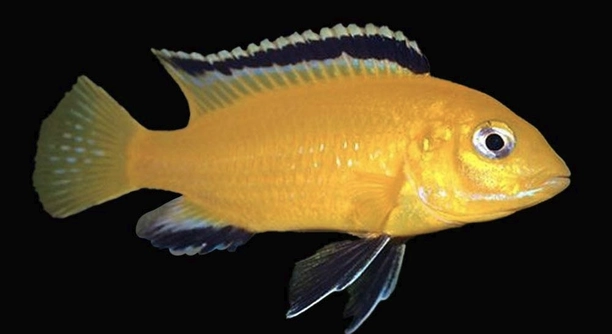
New scents in the water can create subtle shifts in aquatic behavior. Observing these changes can reveal patterns that were previously unnoticed. Understanding these responses helps improve interactions with aquatic environments effectively and safely.
Fish and other aquatic species respond to new scents through a combination of curiosity, avoidance, and exploratory behaviors. These reactions are influenced by the type of chemical stimulus, previous exposure, and environmental context, shaping movement, feeding, and social interactions.
Recognizing these scent-driven behaviors offers insight into aquatic life, helping maintain balanced ecosystems and supporting responsible care and observation practices.
Recognizing Changes in Movement
When new scents enter the water, fish often change how they swim. Some become more cautious, moving slowly and carefully to inspect the source. Others may dart quickly, either out of curiosity or a sense of alertness. Schools of fish sometimes tighten their formation, creating a coordinated response. Observing these patterns helps identify which scents trigger interest and which trigger avoidance. Over time, you may notice that certain species consistently react in specific ways, revealing their sensitivity to chemical changes. Consistent monitoring allows for adjustments in feeding, habitat management, or tank arrangements to ensure a balanced environment. Small shifts in swimming patterns can indicate stress, excitement, or heightened awareness, all of which are important for maintaining healthy aquatic behavior. Paying attention to these reactions gives valuable information about fish comfort, environmental suitability, and possible interactions with other species, which supports better care and observation practices.
Movement changes reveal how fish interpret their environment, giving practical insight into their daily routines and needs.
Documenting responses in detail can help identify long-term trends. Over weeks, you might notice that some species consistently respond to certain scents, while others ignore them entirely. These observations are important for managing tanks or natural habitats because they show which chemical signals influence feeding, social interactions, or resting patterns. For instance, adding new plants or foods introduces fresh scents that may provoke investigation or temporary disruption in swimming patterns. Understanding these effects allows adjustments that minimize stress while supporting natural behaviors. Tracking movement also helps differentiate between normal curiosity and stress-induced reactions. When combined with other behavioral cues, such as changes in feeding or interactions with tank mates, movement provides a fuller picture of aquatic health. Regular observation strengthens your ability to respond effectively, whether the goal is research, conservation, or simply maintaining a stable, comfortable environment for aquatic species.
Scent and Feeding Behavior
New scents can prompt immediate changes in feeding behavior, with some fish approaching food more quickly and others hesitating.
Feeding responses are influenced by scent intensity, novelty, and previous exposure. Certain chemicals can trigger excitement, while unfamiliar or strong scents may cause avoidance. Monitoring these reactions ensures food is accepted and reduces stress in aquatic populations. Observing patterns helps anticipate dietary preferences and maintain consistent nutrition, which is crucial for long-term health. Consistent attention to feeding responses also highlights subtle differences between species, supporting better habitat management. Adjusting the timing, quantity, and presentation of food in response to observed behaviors can improve overall welfare. In addition, documenting these responses provides valuable data for understanding species-specific preferences, interactions, and possible scent-related hierarchies. Recognizing the balance between curiosity and caution allows for more effective care strategies, ensuring that aquatic life thrives without unnecessary disturbance. Over time, this knowledge enhances both observation skills and environmental planning.
Reaction to Predatory Scents
Fish often become alert when predatory scents are present. They may freeze, hide, or move quickly to safer areas. This instinctive reaction reduces risk and helps them avoid potential threats while maintaining awareness of their surroundings.
Observing reactions to predatory scents can provide insight into natural defense mechanisms. Some species immediately seek cover among plants, rocks, or substrate, while others increase swimming speed and maintain a cautious distance. Over time, patterns emerge, showing which species are more sensitive or reactive. These behaviors are important for understanding ecosystem dynamics, tank safety, and species interactions. Documenting responses also allows adjustments in habitat design or feeding practices to minimize stress.
Repeated exposure to predatory scents may result in learned caution, where fish gradually recognize the scent and respond more efficiently. Monitoring these behaviors helps maintain balanced habitats by preventing overreaction or stress. Differences in response between individuals highlight natural variation, and observing these differences contributes to better management of both captive and wild populations. Tracking changes also informs conservation strategies, predator-prey studies, and proper care practices in controlled environments.
Social Interaction and Scent
Scent changes can influence social behaviors, altering hierarchy, schooling, and territorial interactions among fish.
New scents may prompt increased aggression, cautious observation, or collaborative exploration. Fish often communicate chemically, and scents can signal presence, dominance, or readiness to mate. Adjustments in behavior include changes in proximity, movement patterns, and interaction frequency. Some species display heightened curiosity, approaching cautiously to inspect the source, while others may retreat temporarily. Recognizing these social responses is essential for maintaining stable environments, preventing conflict, and ensuring balanced interactions. Documenting these behaviors allows for informed management of social dynamics and reduces stress in captive settings.
Monitoring scent-driven social changes supports long-term observation and environmental planning. Over weeks, patterns in interactions become clear, highlighting which individuals or species dominate, avoid, or cooperate based on chemical cues. This information is useful for arranging habitats, controlling population densities, and optimizing enrichment strategies. Scent can also influence breeding readiness, triggering courtship behaviors or signaling reproductive status. Understanding these cues allows for proactive management, preventing aggression or exclusion, and promoting natural, healthy behaviors. Accurate observation and recording of these interactions contribute to research, habitat optimization, and better care practices for both captive and wild aquatic species.
Avoidance and Exploration
Fish may swim away from unfamiliar scents while simultaneously investigating cautiously. This behavior helps them assess potential threats and opportunities without putting themselves at undue risk.
Some species circle or approach the source slowly, using subtle movements to gather information. Others retreat quickly, signaling high sensitivity or caution, balancing curiosity with self-preservation.
Mating Signals
Chemical cues in the water can trigger mating behaviors in certain species. These scents indicate readiness to reproduce and influence courtship displays, pair formation, and territorial activity. Scent-driven responses are often subtle, including changes in color, movement patterns, or proximity, reflecting both instinct and environmental conditions.
Feeding Preferences
Fish often show clear preference for foods with familiar scents. Recognizing these preferences helps ensure adequate nutrition and reduces stress during feeding periods.
Stress Responses
Sudden or strong new scents can increase stress levels, leading to erratic swimming, hiding, or reduced activity. Monitoring these responses helps maintain a balanced and healthy environment.
FAQ
How do fish react to new scents in their water?
Fish reactions vary depending on the scent type and individual sensitivity. Some fish approach slowly, exploring the source, while others may quickly retreat. Many species alter swimming patterns, tighten schooling formations, or hide among plants and decorations. Observing these responses helps identify natural behaviors and stress levels.
Can new scents affect feeding behavior?
Yes, new scents can increase or reduce feeding activity. Some fish become more eager when they detect familiar food-related scents, while unfamiliar chemical cues may cause hesitation. Monitoring feeding patterns ensures that fish receive proper nutrition and helps prevent stress-induced food refusal.
Do predatory scents always cause panic?
Not always. Reactions depend on species, previous exposure, and the intensity of the scent. Some fish freeze or hide, while others increase alert swimming. Over time, repeated exposure may result in learned caution, reducing sudden stress responses while maintaining natural defensive behaviors.
How do scents influence social interactions?
Chemical cues play a significant role in communication among fish. New scents can trigger aggression, curiosity, or territorial displays. Changes in proximity, movement, and interaction frequency often reflect hierarchy, mating readiness, or group cohesion. Observing these cues helps maintain balanced social dynamics in aquariums or natural habitats.
Are some species more sensitive to scents than others?
Yes, sensitivity varies widely. Certain species detect very subtle chemical changes, responding quickly to even faint cues, while others show minimal reaction. Understanding species-specific differences supports proper tank management, habitat design, and feeding practices to minimize stress and encourage natural behavior.
Can scents indicate environmental problems?
Unusual or strong chemical odors in water may signal contamination, overfeeding, or decaying material. Observing fish reactions alongside water testing can help detect issues early. Prompt attention prevents stress, illness, and disruption of normal behaviors, ensuring healthier aquatic environments.
How long does it take for fish to adjust to new scents?
Adjustment depends on the fish species, previous exposure, and scent type. Some fish respond immediately, while others take days or weeks to show normal behavior. Gradual introduction of new scents can reduce stress and help maintain stable feeding, social, and exploratory activities.
Do all scents cause noticeable reactions?
Not all scents elicit visible responses. Subtle chemical changes may influence internal physiology or minor behavioral shifts that are hard to detect. Careful observation over time can reveal patterns, such as changes in swimming, feeding, or social interactions, providing insight into aquatic health.
How can I use scent to improve aquarium care?
Introducing scents carefully can enhance feeding, encourage exploration, and support natural behaviors. For example, adding familiar food-related scents can increase appetite, while plant or substrate scents can stimulate curiosity and social interactions. Observing reactions helps fine-tune care routines and habitat setup.
Are stress reactions from new scents harmful?
Short-term stress responses are generally natural and help fish react to potential threats. Prolonged or repeated stress, however, can weaken immune systems, reduce feeding, and disrupt social behavior. Monitoring reactions and adjusting the environment prevents negative effects and supports overall health.
Can scents help in breeding programs?
Yes, chemical cues often signal reproductive readiness and can trigger courtship behavior. Properly timed introduction of mating-related scents can encourage pair formation, display behaviors, and successful spawning. Observing these responses helps optimize breeding conditions and supports natural reproductive cycles.
How should I monitor fish responses to new scents?
Observe swimming patterns, proximity to the scent source, hiding behavior, and social interactions. Record any changes in feeding or activity. Consistent monitoring allows detection of trends, helps reduce stress, and ensures a stable, healthy environment for all species.
Can new scents improve fish enrichment?
Introducing safe, varied scents can stimulate exploration, encourage natural behaviors, and reduce boredom. Enrichment should be gradual and carefully monitored to prevent stress. Observing responses ensures that new scents contribute positively to overall well-being and activity levels.
Do scents affect all fish equally?
No, reactions depend on species, age, health, and individual temperament. Some fish are highly responsive, while others remain indifferent. Understanding these differences supports proper habitat design, feeding strategies, and social arrangements, promoting balanced and healthy aquatic communities.
Can scents trigger aggressive behavior?
Yes, certain chemical cues can increase territoriality or dominance displays. Monitoring interactions helps prevent injury, stress, and social disruption. Adjusting environment layout, population density, or scent introduction can manage aggression and maintain stable social dynamics in aquariums or natural settings.
Are natural and artificial scents treated the same by fish?
Not always. Natural scents from food, plants, or conspecifics are often recognized and elicit predictable behaviors. Artificial chemicals may cause hesitation or avoidance. Observing reactions helps determine which scents are safe and beneficial, allowing for better care and environmental management.
How often should new scents be introduced?
Introduce scents sparingly to avoid overwhelming fish or causing chronic stress. Gradual, controlled exposure allows observation of responses, encourages natural behavior, and supports feeding, social interactions, and overall well-being. Consistent monitoring ensures that the environment remains balanced and healthy.
Can scents help identify individual personalities?
Yes, responses to chemical cues often highlight differences in curiosity, boldness, or caution among individuals. Observing these behaviors can inform habitat arrangements, social groupings, and enrichment strategies, supporting both welfare and effective care practices.
What should I do if fish react negatively to a scent?
Remove the source if possible, observe behavior, and adjust the environment to reduce stress. Temporary hiding or avoidance is natural, but prolonged reactions require attention. Ensuring clean water, safe habitat structure, and gradual scent exposure promotes recovery and stability.
Do scents have long-term effects on fish behavior?
Repeated exposure can shape patterns of exploration, social interaction, and feeding preferences. Over time, fish may learn to recognize beneficial cues or develop caution toward potentially harmful ones. Careful observation and controlled introduction of scents help manage these long-term behavioral adaptations effectively.
Can scents be used to prevent conflict in mixed-species tanks?
Yes, introducing neutral or familiar chemical cues can reduce tension, guide movement, and help maintain social balance. Understanding how different species respond allows for strategic habitat arrangement, minimizing aggression and promoting harmonious interactions. Monitoring reactions ensures that scents support, rather than disrupt, social dynamics.
Do scents affect fish health directly?
While scents themselves do not cause illness, stress from unfamiliar or strong chemical cues can impact immunity and behavior. Proper observation, clean water, and gradual scent exposure minimize negative effects, helping maintain both health and natural behavior patterns.
How can I tell if fish are used to a new scent?
Consistent normal behavior, including regular swimming, feeding, and social interaction, indicates adaptation. Reduced hiding, balanced exploration, and stable social patterns show that fish have adjusted to the scent without stress, supporting healthy long-term environmental management.
Are there any risks to introducing new scents?
The main risks are stress, aggression, or avoidance. Strong artificial chemicals or contaminants can harm fish directly. Gradual, controlled introduction of safe, natural scents minimizes risk while providing behavioral stimulation and enrichment for a healthy, balanced environment.
How detailed should observation be?
Observations should track swimming patterns, feeding, hiding, and social interactions over time. Detailed notes help detect trends, differentiate normal curiosity from stress, and guide adjustments in habitat, feeding, or enrichment practices, ensuring optimal care for aquatic species.
Can scent-based behavior indicate environmental quality?
Yes, abnormal reactions such as persistent avoidance or stress can suggest water quality issues, contamination, or poor habitat design. Monitoring responses alongside water parameters helps maintain a safe, balanced, and healthy environment for all species.
Do scents influence breeding success?
Chemical cues are crucial for signaling reproductive readiness and stimulating courtship. Recognizing and introducing relevant scents at the right time can improve mating outcomes, support natural behaviors, and enhance breeding program success.
Is scent observation useful for research?
Absolutely. Tracking fish responses provides insight into behavior, social structures, predator-prey dynamics, and environmental preferences. Consistent observation supports studies in ecology, conservation, and aquaculture, offering practical information for both captive and natural populations.
How do I combine scent observation with other monitoring methods?
Combine scent-based behavioral tracking with water quality checks, feeding records, and social interaction logs. This integrated approach provides a comprehensive understanding of fish health, stress levels, and environmental suitability, allowing informed decisions for care, management, and research purposes.
Can scents trigger learning or memory in fish?
Yes, repeated exposure allows fish to associate scents with food, danger, or social cues. Over time, these associations influence movement, feeding, and social behavior, highlighting the importance of careful scent management in both aquariums and natural habitats.
Are juvenile fish more sensitive to new scents?
Juveniles often respond more strongly, showing heightened caution or curiosity. Early exposure can influence development of social, feeding, and exploratory behaviors, making careful monitoring essential for supporting healthy growth and adaptation.
Do fish ignore scents in crowded environments?
High population density can mask scent signals, reducing responses or delaying recognition. Observation in less crowded settings provides clearer insight into natural reactions and helps identify individual or species-specific behaviors more effectively.
Can scents improve enrichment without stress?
Yes, introducing safe, mild, and familiar scents encourages exploration and natural behaviors without causing prolonged stress. Observing responses ensures enrichment is beneficial, supporting activity, social interaction, and overall well-being.
How do I choose which scents to introduce?
Select scents that mimic natural food, plants, or conspecific chemical cues. Avoid strong artificial chemicals or contaminants. Gradual introduction and careful monitoring ensure positive behavioral stimulation while minimizing stress or aggression.
Are there seasonal effects on scent responses?
Yes, temperature, light cycles, and reproductive timing can influence sensitivity and behavior. Observing reactions throughout different periods helps adjust care practices, feeding, and enrichment strategies to match natural rhythms.
Can scents influence territorial behavior?
Territorial displays are often triggered by chemical signals. Recognizing scent-based territorial cues allows adjustments in tank layout or population management, preventing conflict and maintaining balanced social interactions.
Do scents affect nocturnal versus diurnal species differently?
Timing and activity patterns influence detection and response. Nocturnal species may show delayed or subtle reactions compared to diurnal fish. Observation should consider activity cycles to accurately assess scent-driven behaviors.
How do I document scent responses effectively?
Record time, behavior, location, and interactions in a structured log. Include notes on environmental conditions and any changes in swimming, feeding, or social patterns. Consistent documentation allows trend analysis, pattern recognition, and informed management decisions.
Can scents help identify health problems?
Abnormal reactions, such as excessive hiding, erratic swimming, or reduced feeding, may indicate stress, illness, or water quality issues. Scent observation, combined with environmental monitoring, provides an early warning system for maintaining healthy populations.
How long should I observe after introducing a new scent?
Observation should continue until normal behavior resumes or clear patterns are established. This may take minutes to days depending on species, scent type, and previous exposure, ensuring accurate assessment of responses.
Are there differences in response between freshwater and saltwater fish?
Yes, chemical detection and sensitivity can vary with habitat type. Saltwater species may rely on different cues or react differently to certain scents. Habitat-specific monitoring ensures accurate interpretation of behaviors and effective care practices.
Can scents be used to calm stressed fish?
Familiar, safe scents can reduce anxiety, encouraging normal swimming, feeding, and social behavior. Careful introduction and monitoring ensure calming effects without triggering avoidance or aggression.
Do scents impact schooling behavior?
Scent cues can tighten or loosen schools, influencing cohesion and coordination. Observing these changes helps manage social structure, movement patterns, and stress levels in both natural and captive environments.
Are there long-term learning effects from repeated scent exposure?
Repeated exposure allows fish to recognize safe versus risky scents, shaping movement, feeding, and social interactions. Long-term learning supports adaptation, reduces stress, and informs enrichment and management strategies.
Can scents help in selective breeding programs?
Yes, chemical cues can guide mate choice, stimulate reproductive behavior, and improve pairing success. Observing scent-driven responses ensures effective selection and healthier offspring outcomes.
Do scents influence predator-prey interactions in tanks?
Yes, predator scents can trigger avoidance, hiding, or cautious exploration, while prey species may display defensive strategies. Monitoring these interactions ensures safety and informs tank arrangement to minimize conflict and stress.
Can scents be used for enrichment in large aquariums?
Yes, adding controlled scents encourages exploration, social interaction, and natural behaviors in expansive environments. Gradual introduction ensures enrichment benefits without causing unnecessary stress or aggression.
How important is water quality when introducing new scents?
High water quality is essential, as contaminants or imbalances can amplify stress or mask chemical cues. Maintaining clean, stable water ensures accurate observation and supports healthy responses to new scents.
Can scents affect interspecies interactions?
Yes, chemical cues can alter aggression, cooperation, or avoidance between different species. Observing these responses helps manage multi-species habitats and promotes balanced, harmonious interactions.
Are there any ethical considerations when using scents?
Introduce scents safely and responsibly, avoiding harmful chemicals or excessive stress. Observing reactions and adjusting practices ensures that fish welfare remains a priority.
Do scents have cumulative effects over time?
Repeated exposure can influence long-term behavior, including feeding patterns, social structure, and stress tolerance. Careful monitoring and controlled introduction prevent negative outcomes and support healthy adaptation.
Can scents be combined with other enrichment methods?
Yes, pairing scents with structural changes, feeding variation, or social adjustments enhances stimulation. Observing combined effects ensures enrichment remains beneficial and stress-free.
Are fish more responsive to scents during breeding season?
Yes, reproductive cues heighten sensitivity. Scent can trigger courtship, mating displays, and territorial adjustments, making timing critical for effective observation and habitat management.
How do I differentiate between curiosity and stress reactions?
Curiosity often involves cautious approach, exploration, or subtle investigation. Stress reactions include rapid swimming, hiding, reduced feeding, or erratic behavior. Consistent observation allows accurate interpretation of the cause behind reactions.
Can scents help in studying wild fish behavior?
Yes, scent-based experiments reveal feeding patterns, social interactions, and predator-prey dynamics. Controlled exposure provides insight into natural behaviors while minimizing disruption to the ecosystem.
Are artificial scents safe for observation?
Only certain mild, non-toxic artificial scents are safe. Strong chemicals may cause stress, avoidance, or illness. Careful selection and monitoring ensure safety and reliable behavioral observations.
Can scent observation replace other monitoring methods?
No, it complements them. Combining scent observation with water quality testing, feeding records, and social monitoring provides a fuller understanding of fish health, behavior, and environmental needs.
Do scents affect juvenile and adult fish differently?
Yes, juveniles are often more sensitive and curious, while adults may show caution or learned responses. Observing both life stages ensures effective management and environmental planning.
How should I introduce new scents gradually?
Start with small amounts, observe reactions, and adjust exposure over time. Gradual introduction reduces stress, encourages natural exploration, and supports healthy behavioral adaptation.
Can scents influence aggression in breeding pairs?
Yes, chemical cues can increase territoriality or dominance. Monitoring reactions helps prevent injury and stress while supporting successful pairing and reproduction.
Are some scents more stimulating than others?
Yes, food-related or reproductive cues often elicit strong responses, while neutral or artificial scents may produce minimal reaction. Observing differences informs enrichment, feeding, and breeding strategies.
Do environmental conditions affect scent perception?
Temperature, water flow, and turbidity can influence detection and response. Adjusting for these factors ensures accurate observation and effective scent-based management.
Can scents trigger changes in color or appearance?
Yes, some fish display color shifts, flaring, or posturing in response to chemical cues, reflecting social, reproductive, or defensive signals. Monitoring these changes provides insight into behavior and health.
How do I know if a scent is beneficial?
Positive effects include increased exploration, normal feeding, stable social interactions, and reduced stress. Observation over time confirms whether a scent contributes to well-being and natural behaviors.
Can scents be used to guide fish movement?
Yes, introducing chemical cues strategically can encourage movement toward certain areas, reduce crowding, or facilitate feeding and enrichment activities. Proper monitoring ensures safe and effective guidance.
Are scent reactions consistent across individuals?
No, variation exists based on species, age, health, and temperament. Documenting individual responses supports tailored management and a healthier, more balanced environment.
Do scents influence long-term behavior patterns?
Yes, repeated exposure shapes feeding, social, and exploratory behaviors. Gradual and monitored introduction ensures adaptation without stress, supporting healthy long-term behavioral development.
Can scents be used to reduce stress in transport or relocation?
Familiar, mild scents can provide comfort, reduce panic, and encourage normal activity. Observing responses ensures that relocation is safer and less disruptive for aquatic species.
How do I balance multiple scents in one environment?
Introduce scents carefully, monitor interactions, and avoid overwhelming the habitat. Proper sequencing and observation help maintain balance, prevent stress, and encourage natural behaviors.
Are scent-driven behaviors permanent?
Behaviors may persist if cues are repeated, but changes in environment, population, or water conditions can alter responses. Continuous observation ensures accurate understanding and effective management.
Do scents influence nocturnal and diurnal species differently?
Yes, activity patterns affect detection and response. Nocturnal fish may show delayed or subtle reactions compared to active daytime species. Observation should consider timing to capture accurate behaviors.
Can scents indicate readiness for medical treatment or intervention?
Subtle avoidance, reduced feeding, or stress reactions can signal illness or discomfort. Scent-based observation complements other health monitoring, allowing timely care and intervention.
Are scent-based observations reliable for behavioral studies?
Yes, when combined with consistent monitoring, water quality checks, and social observation. Chemical cues provide valuable insight into natural behaviors, stress responses, and environmental adaptation.
Can scents improve the effectiveness of enrichment programs?
Yes, introducing safe scents encourages exploration, social interactions, and natural behaviors. Observing responses ensures enrichment benefits are maximized without inducing stress or aggression.
Do scents affect breeding success in multi-species tanks?
Yes, chemical cues influence mate choice, territoriality, and reproductive displays. Careful monitoring ensures that scents promote natural breeding behavior while maintaining social balance.
Are some scents more effective at eliciting natural behaviors than others?
Yes, natural food, conspecific, or reproductive scents are more effective than neutral or artificial chemicals. Observation helps identify which cues stimulate desired behaviors safely and reliably.
Can scents be used to reduce aggression in mixed-species environments?
Yes, familiar or neutral chemical cues can calm tensions and guide interactions. Monitoring ensures that scent introduction maintains harmony without causing avoidance or heightened stress.
How do I track changes in response over time?
Use logs documenting swimming patterns, feeding, social interactions, and hiding behaviors. Regular observation allows recognition of trends, adaptation, and learning,
Understanding how fish respond to new scents in the water is an important part of maintaining healthy aquatic environments. Observing these reactions provides insight into their natural behaviors, social interactions, and overall well-being. By paying attention to subtle changes in swimming patterns, feeding habits, and social interactions, it becomes easier to identify both stress and curiosity. Each species has unique sensitivities, and even individual fish may react differently to the same scent. Tracking these differences over time allows for adjustments in tank arrangements, feeding routines, and enrichment strategies. Regular observation helps ensure that fish feel safe, secure, and comfortable in their environment, while also supporting natural instincts such as exploration, foraging, and social engagement.
Introducing new scents can serve multiple purposes, from encouraging feeding to stimulating natural behaviors or even aiding in breeding programs. Familiar food-related scents often increase appetite and promote active foraging, while reproductive cues can trigger courtship displays or territorial adjustments. Predatory scents may temporarily increase caution or hiding behavior, which is a natural response that helps maintain survival instincts. Monitoring how fish interact with these chemical cues allows for more effective habitat management. Over time, repeated observations can reveal patterns that indicate species-specific preferences, tolerance levels, and social hierarchies. This information is valuable for maintaining balanced interactions, preventing aggression, and reducing stress, particularly in mixed-species environments.
Consistent and careful management of scents in aquatic habitats can have long-term benefits for both fish and caretakers. Gradual introduction of new chemical cues ensures that fish have time to adjust without unnecessary stress. Recording responses in detail provides a better understanding of environmental influences on behavior and helps predict future reactions. Observing scent-driven behaviors also enhances the ability to design enriching environments that encourage exploration, maintain social stability, and support healthy feeding routines. While new scents can initially cause hesitation or minor stress, careful attention and monitoring ensure that fish adapt safely. Over time, these insights contribute to healthier, more balanced aquatic habitats and improve the overall experience of caring for and observing fish in both home aquariums and research settings.

Hello,
If you enjoy the content that we create, please consider saying a "Thank You!" by leaving a tip.
Every little bit helps us continue crafting quality advice that supports the health, happiness, and well-being of pets around the world, for pets of all shapes, sizes, and species.
We really appreciate the kindness and support that you show us!