
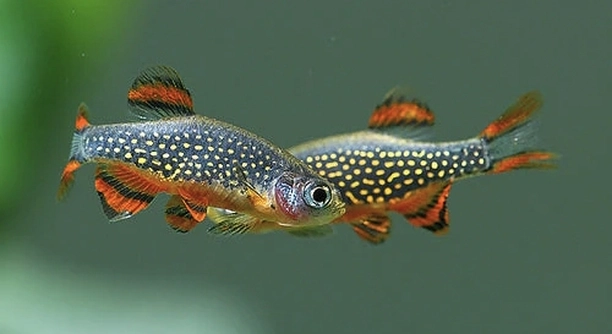
Many aquarium enthusiasts enjoy keeping danios because of their lively behavior and bright colors. Handling them can be stressful, but there are ways to catch them safely without causing harm or excessive agitation.
Using low-stress methods for catching danios involves minimizing handling, using gentle nets, and creating a calm environment in the tank. Gradual movements and proper techniques reduce stress, ensuring the fish remain healthy while being transferred or observed.
These strategies provide practical steps that improve both fish welfare and the overall maintenance of your aquarium. Small adjustments can make a significant difference in the care of your danios.
Prepare the Tank Before Catching
Before attempting to catch danios, it is important to make the tank environment calm and safe. Turn off bright lights and avoid sudden movements, as these fish are easily startled. Remove obstacles that could trap the fish, and ensure the water temperature is stable. Using a soft net or even a cup can help guide them gently without causing panic. Preparing the tank also involves checking that water quality is optimal, as stressed fish are more sensitive to fluctuations in ammonia, nitrites, or pH. It can help to practice guiding the fish with slow hand movements first, letting them become accustomed to your presence. This reduces stress during the actual catching process. A prepared tank allows for smoother handling and reduces the chance of injury to both the fish and yourself. Spending a few minutes on preparation saves time and stress later.
Proper tank preparation makes the catching process safer and more efficient for everyone involved.
Even small adjustments, like dimming lights or clearing decorations, significantly improve fish behavior. These minor changes make a big difference in their response, keeping them calm and easier to handle during transfers or treatments.
Use Gentle Catching Techniques
Gentle techniques are key to avoiding stress when handling danios. Nets should be soft, with fine mesh that won’t damage their scales or fins. Slowly guiding the fish into a net rather than chasing them reduces panic. Cups or containers can also be used to scoop them carefully from the water.
When using a net, approach the fish from the side and keep movements slow and steady. Avoid sudden jerks or rapid swings, as these can injure the fish or cause them to jump out of the net. Some people find it easier to catch them one at a time, especially if the tank is crowded, which reduces collisions and stress. Practicing patience is important. It also helps to calm the fish by allowing them to swim into the net at their own pace. For larger tanks, using dividers to isolate small groups can make the process smoother and safer. After catching, transfer the fish immediately to a prepared container with water from their tank to reduce shock. Consistency in method and gentle handling ensures the fish remain healthy and calm throughout the process.
Use a Feeding Trap
A feeding trap can help guide danios without chasing them. Place food in a small container or net, and let the fish swim in naturally. This method reduces stress and makes catching easier.
Using a feeding trap works by appealing to the fish’s natural feeding instincts. Danios are curious and often gather quickly around food. By placing a small amount of their usual food inside a container or mesh trap, you can encourage them to swim inside without force. This approach eliminates the need for chasing, which can cause injury or excessive stress. The trap should be positioned gently in the tank and monitored closely, ensuring the fish do not overcrowd and hurt each other. Gradually, the fish learn to enter the trap with minimal hesitation. This method is particularly useful when catching multiple danios at once, as it organizes the group and allows for safer transfer to another container.
After the fish are inside, carefully lift the trap while keeping water from the tank inside. Slow, steady movements help maintain calm, and the fish can then be moved to a prepared container without panic. Using this method repeatedly also helps them become familiar with the trap, making future transfers simpler.
Limit Movement During Catching
Reducing movement in the tank prevents danios from panicking. Avoid sudden hand gestures, tapping, or splashing, which can frighten them.
Limiting movement means keeping your actions predictable and slow. When you need to catch a fish, move your hand gradually and avoid quick swipes with the net. Even small, fast motions can startle danios, causing them to dart around the tank and potentially injure themselves or others. Using one hand to guide while the other holds the net steady can help. For larger tanks, consider isolating a few fish at a time so that movement is minimized and catching is more controlled. Maintaining calm surroundings, such as dimming lights and keeping the room quiet, also contributes to a stress-free experience.
Consistently minimizing movement in and around the tank not only reduces stress during catching but also supports the long-term well-being of the fish. Over time, danios become more comfortable with human presence, making future care and transfers less challenging. This technique complements other gentle methods and ensures the tank environment remains safe and predictable.
Use a Smaller Net
A smaller net allows for more precise control when catching danios. It helps prevent injury and keeps the fish from slipping away.
Smaller nets are easier to maneuver and reduce the chance of stressing the fish. They allow you to approach slowly and scoop one or two fish at a time, keeping handling gentle and controlled.
Catch in Groups
Catching danios in small groups reduces stress for each fish. Fish feel safer and move less when they are with others, which makes handling easier and calmer.
Maintain Water Consistency
Using water from the tank in the catching container prevents shock. Matching temperature and chemistry keeps the fish calm and healthy.
FAQ
How can I catch danios without stressing them?
Using gentle techniques such as slow hand movements, small nets, or feeding traps is key. Avoid chasing or sudden gestures, which can cause panic. Preparing the tank by dimming lights and clearing obstacles also helps keep the fish calm. Catching one or two fish at a time is usually safer.
Can I use a regular net for danios?
Regular nets with large mesh can damage their fins and scales. Fine-mesh, soft nets are better because they prevent injury. Smaller nets also give you better control and allow you to move the fish gradually without startling them. Handling slowly ensures healthier and calmer fish.
Is it better to catch them individually or in groups?
Catching small groups of danios often works better than trying to catch them all at once. Fish feel more secure with company and are less likely to panic. Gradually guiding a few into a net or container reduces stress for the group and makes transfers safer.
Should I prepare the water before transferring danios?
Yes, always use water from the original tank when transferring fish. Matching temperature, pH, and general water conditions prevents shock. Sudden changes in water quality can cause stress, weaken their immune system, and increase the risk of illness.
How do feeding traps work for catching danios?
Feeding traps attract fish using their natural feeding instincts. Place a small amount of food in a mesh container or cup. The fish swim inside voluntarily, which allows you to lift them out gently. This method avoids chasing, keeps fish calm, and is ideal for multiple fish.
Can I catch danios at night?
Catching at night is not usually recommended because fish can be more disoriented in the dark. If necessary, use low lighting or a dim flashlight to minimize sudden visual stress. Consistent lighting during catching is better for their comfort and safety.
How do I prevent fish from injuring themselves during catching?
Limit tank movement and remove obstacles. Approach slowly and use smooth motions. Catch fish one or two at a time and avoid overcrowding the net. A calm environment, proper equipment, and gentle handling significantly reduce the risk of injury.
How often should I practice low-stress catching?
Practicing occasionally helps fish become accustomed to handling, which makes future transfers easier. Avoid over-handling, which can increase stress. Regular gentle interactions, such as guiding fish near a net or cup, help them remain calm during necessary maintenance.
What should I do if a fish becomes stressed during catching?
Immediately stop and let the fish settle in a calm environment. Return it to familiar water and avoid repeated attempts. Slow, deliberate handling and patience are essential. Monitoring the fish for signs of distress helps prevent long-term health issues.
Are there alternatives to nets for catching danios?
Yes, cups, small containers, and feeding traps are effective alternatives. These methods allow fish to swim in voluntarily and reduce stress. They are particularly useful in small tanks or when handling multiple fish at once, ensuring safer transfers.
Can overcrowding affect the catching process?
Yes, crowded tanks make fish more likely to panic and injure themselves. Catching small groups or isolating sections of the tank makes the process calmer and safer. Overcrowding increases stress and complicates handling, so dividing fish helps maintain a smooth transfer.
How important is patience when catching danios?
Patience is critical. Quick movements or rushing can cause panic, injury, or stress. Slow, deliberate techniques, along with proper preparation and calm handling, ensure the fish remain healthy and the catching process is efficient. Patience benefits both the fish and the handler.
Can I catch danios during feeding time?
Yes, feeding time can be ideal, especially with a feeding trap. Fish are naturally attracted to food, making it easier to guide them into a container without chasing. This reduces stress and improves the efficiency of catching multiple fish at once.
How do I know if my fish are stressed after catching?
Signs of stress include rapid gill movement, frantic swimming, hiding, or loss of color. After catching, observe their behavior closely. Providing calm water, minimal handling, and proper conditions helps them recover quickly and maintains their overall health.
What equipment is best for low-stress catching?
Soft, fine-mesh nets, small containers, and feeding traps work best. Avoid sharp or large-mesh nets, which can injure fish. Gentle tools combined with careful movements create a safer and less stressful experience for both the fish and handler.
How long should the catching process take?
The process should be slow but efficient. Rushing increases stress and risk of injury, while excessive delays can also disturb fish. A steady, patient approach ensures safe handling and smooth transfer, keeping the fish calm throughout the process.
Are there long-term benefits to low-stress catching?
Yes, using gentle methods regularly helps maintain fish health, reduces disease risk, and makes future tank maintenance easier. Fish become accustomed to handling, which allows you to perform necessary tasks with minimal disruption to their well-being.
Can I combine different catching methods?
Combining nets, cups, and feeding traps can be effective. Start with a feeding trap, then use a net for final transfer. This hybrid approach reduces stress, keeps fish safe, and adapts to tank size or fish behavior. Flexibility ensures better outcomes.
How do I handle multiple danios at once safely?
Use small groups, a feeding trap, or a net designed for multiple fish. Ensure the water volume in the container is sufficient and maintain calm movements. Handling in stages prevents overcrowding, reduces stress, and allows for a smoother, safer process.
What are common mistakes to avoid when catching danios?
Avoid chasing fish, using large or rough nets, sudden movements, overcrowding, and inconsistent water conditions. Each can cause panic, injury, or long-term stress. Gentle, prepared, and patient handling is essential to protect their health and maintain a calm environment.
How do I acclimate fish after catching?
Slowly introduce them to new containers or tanks by matching water conditions. Let them swim in gradually, avoiding sudden drops or temperature changes. Proper acclimation reduces stress, helps them adjust quickly, and maintains their health after transfers.
Is it necessary to remove decorations during catching?
Removing some obstacles can help prevent fish from getting trapped or injured. It allows for smoother net or trap use and reduces panic. Only remove what is necessary to maintain a safe and calm environment for the fish during catching.
Can low-stress catching improve fish behavior?
Yes, fish handled gently and calmly often become more comfortable with human presence. They exhibit calmer swimming patterns, reduced panic, and better overall health. This makes regular tank maintenance, observation, and feeding easier and less stressful for both the fish and handler.
How do I keep catching stress minimal in community tanks?
Isolate the target fish if possible, use small nets or feeding traps, and maintain slow, deliberate movements. Minimizing interactions with other species during catching helps reduce competition, panic, and potential injuries, keeping the entire tank calmer.
What is the role of water quality in catching stress?
Stable water quality is essential. Sudden changes in temperature, pH, or chemistry increase stress and make fish more susceptible to illness. Using tank water in catching containers and monitoring conditions supports fish health and minimizes shock during transfers.
How do I practice low-stress techniques regularly?
Practice guiding fish with nets or cups, using feeding traps, and limiting movement around the tank. Repeated gentle handling teaches fish to remain calm, making real catching sessions smoother. Regular, brief sessions help maintain familiarity without causing undue stress.
How can I reduce panic in a large tank?
Catch small groups at a time, use feeding traps, and slow your movements. Removing obstacles and dimming lights helps calm fish. Structured, controlled approaches prevent widespread panic and reduce stress for the entire tank population.
Can lighting affect catching stress?
Yes, bright lights can startle fish. Dim lighting or using indirect light allows them to remain calm and swim naturally, making catching safer. Sudden changes in brightness should be avoided to maintain a low-stress environment.
How do I transport danios safely after catching?
Use containers with tank water, avoid overcrowding, and move slowly. Keep water temperature consistent, and cover containers to prevent jumping. Gentle handling during transport ensures fish remain healthy and minimizes stress.
What should I avoid when using feeding traps?
Do not overfill traps or force fish in. Crowding can cause injuries and stress. Place food gradually and let fish swim in at their own pace. Monitor traps closely and lift slowly for a calm transfer.
How can I tell if my catching techniques are working?
Fish remain calm, show normal swimming patterns, and avoid frantic movements. Successful low-stress catching keeps them healthy, reduces panic, and makes future maintenance easier. Consistent calm behavior is a good indicator of effective handling.
Are there alternatives to nets and traps for very small danios?
Yes, small cups, pipettes, or gentle siphons can be used. The goal is to avoid chasing and rough handling. These methods work well for delicate or tiny fish, keeping stress levels low while allowing safe transfer.
How do I keep multiple techniques consistent?
Always plan the method, prepare the tank, and handle fish with the same slow, careful movements. Consistency ensures minimal stress, reduces injuries, and helps fish learn what to expect during catching sessions.
Caring for danios involves more than just feeding and maintaining a clean tank. How they are handled during catching plays a major role in their overall health and well-being. Fish are sensitive to sudden changes in their environment, and improper handling can cause unnecessary stress, injury, or illness. Using low-stress methods ensures that they remain calm, safe, and comfortable throughout the process. Small adjustments, such as dimming the lights, using soft nets, or guiding fish with a feeding trap, can make a big difference. Even seemingly minor actions, like slow hand movements or limiting sudden disturbances around the tank, help maintain a peaceful environment that supports their natural behavior. By prioritizing gentle techniques, it is possible to handle danios safely without disrupting their routines or causing harm.
It is important to remember that preparation is key when catching danios. Preparing the tank, checking water conditions, and choosing the right equipment prevents many common problems. Using water from the original tank in any containers or traps ensures consistency in temperature and chemistry, reducing the risk of shock. Catching small groups at a time or guiding them into a feeding trap allows fish to move voluntarily, which decreases panic. Patience and careful observation also play a role. Watching how fish respond to your movements and adjusting accordingly can make the process smoother and safer. Over time, this approach helps the fish become accustomed to handling, making future transfers easier for both the fish and the person caring for them. Consistent low-stress handling supports their long-term health, reduces vulnerability to illness, and helps maintain their natural activity levels.
Finally, adopting low-stress catching techniques is not just about convenience—it is about improving the quality of life for your fish. When fish are calm and healthy, they display more natural behavior, which makes tank observation and maintenance more predictable and less disruptive. Incorporating gentle methods consistently creates a stable and secure environment for your danios, which can improve feeding behavior, reduce aggression, and support overall well-being. Even small, everyday actions, like approaching the tank slowly or using a net carefully, contribute to a less stressful experience. By taking the time to handle fish thoughtfully and with care, it is possible to maintain an aquarium that is safe, balanced, and enjoyable for both the fish and the caretaker. These techniques not only protect the physical health of your danios but also promote a calmer, more harmonious environment in which they can thrive naturally.

Hello,
If you enjoy the content that we create, please consider saying a "Thank You!" by leaving a tip.
Every little bit helps us continue crafting quality advice that supports the health, happiness, and well-being of pets around the world, for pets of all shapes, sizes, and species.
We really appreciate the kindness and support that you show us!