
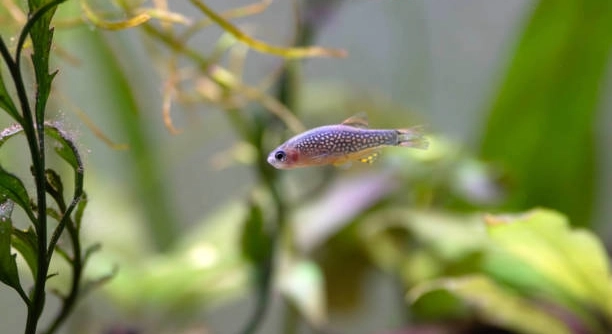
Have you ever noticed subtle changes in your danios but weren’t sure how to track them properly? Keeping a journal for your fish can help you observe patterns, note behaviors, and understand their daily habits more clearly.
Maintaining a danio journal involves recording key observations such as feeding routines, water conditions, social interactions, activity levels, color changes, growth, and health indicators. Consistent documentation supports monitoring their well-being and detecting early signs of stress or illness.
Observing your fish in a structured way can make caring for them easier and more rewarding over time. Recording details ensures you notice small but important changes in their behavior and environment.
Feeding Patterns
Noticing when and how your danios eat is important for their overall health. I started keeping track of feeding times and amounts, and it quickly became clear which fish were eating less. Some days, a few would swim lazily near the surface, uninterested in food, while others seemed more active and eager. Recording these patterns over weeks helped me adjust feeding amounts and timing, which reduced competition among the fish and minimized leftover food. I also noted any sudden changes in appetite because it often signals stress or early illness. Over time, it became easier to predict their behavior and ensure that each danio received proper nutrition without overfeeding the tank.
Consistent monitoring of feeding habits helps maintain their health and can prevent common digestive or water quality issues caused by overfeeding.
By keeping a simple chart with time, type of food, and the number of fish eating, I could spot trends and make informed adjustments. Observing how they respond to new foods or changes in feeding schedules gave insight into their preferences and health. These notes also helped me recognize when a fish might be ill before visible symptoms appeared, making it easier to act quickly. Recording even small changes in behavior allowed me to maintain a stable environment and ensure that every fish thrived in the tank. Feeding became more than a routine; it was an observation tool that supported the well-being of my danios.
Water Conditions
Monitoring water temperature, pH, and clarity is critical for keeping danios healthy.
I track daily water readings and perform weekly partial changes to maintain stability. Recording each adjustment helps me notice patterns that could affect fish behavior or health, like cloudy water or slight temperature shifts. Changes in water chemistry often correlate with unusual activity or color changes, so tracking this data is essential. I also log filter maintenance, substrate cleaning, and plant health, as all these factors influence water quality. Over time, the journal becomes a record of the tank’s environmental stability. This habit makes it easier to prevent issues before they escalate and keeps the danios active and vibrant.
Documenting water conditions in a structured format allows for precise monitoring. I note the date, temperature, pH, hardness, ammonia levels, and any treatments added. Comparing these records over weeks shows trends that might otherwise go unnoticed. Even small shifts in pH or temperature can stress danios, leading to illness or reduced activity. By recording changes in clarity or odor, I can detect problems like algae blooms or bacterial growth early. The journal also helps plan water changes efficiently, avoiding sudden disruptions. Maintaining a written log ensures I can track improvements or setbacks after adjustments and helps maintain a healthy, balanced environment for all the fish.
Activity Levels
Danios are naturally active fish, and noticing changes in movement is important for their well-being. I record times when they swim in schools, rest near plants, or linger at the surface. Patterns in activity reveal stress or health issues early.
Tracking activity over days helped me identify subtle shifts. Some days, a few danios swam less vigorously, while others moved in tight groups near the surface. I noted these behaviors alongside water readings and feeding patterns. Over time, correlations became clear. Lower activity often coincided with slightly higher temperatures or minor changes in pH. By observing consistently, I could adjust the tank environment before serious problems developed, maintaining their natural energy and behavior.
Recording activity also helped me spot social dynamics. Dominant fish sometimes blocked others from food or territory, which affected movement. By writing down who interacted and how often, I could ensure a balanced, stress-free environment. Observing these patterns taught me that activity changes are rarely random—they signal something important about their environment or health.
Color and Appearance
Danios’ colors can shift with mood, diet, or health conditions, making it important to document changes. I note subtle fading, brightening, or spotting in scales and fins, linking them with feeding or water conditions.
Over weeks, I noticed my danios’ colors faded slightly after long periods of high temperatures. Logging these changes helped me adjust lighting, feeding, and tank temperature to restore their vibrancy. Color shifts sometimes indicated stress, like overcrowding or poor water quality, so having a written record made it easier to spot early warning signs. Recording photos alongside notes allowed me to compare changes visually, confirming patterns and responses to adjustments.
Consistently tracking appearance provides insight into health trends. I mark each fish individually, noting fin condition, scale brightness, and any marks. Linking these observations with behavior and environmental changes created a clearer picture of their overall well-being. This approach also helped me detect minor injuries or illnesses before they worsened, allowing timely treatment. By combining notes and images, I could monitor both short-term fluctuations and long-term trends, making it easier to maintain a healthy, vibrant tank.
Social Interactions
Danios often show social behaviors like schooling, chasing, or resting together. I record these interactions daily to see which fish are dominant or more reserved. Patterns in behavior help maintain a balanced tank environment.
Noting social dynamics revealed that some fish preferred the edges while others dominated open areas. Logging interactions allowed me to rearrange decorations and plants to reduce stress and promote harmony.
Growth Tracking
Measuring length and observing body shape over time helps monitor health and development. I record weekly measurements to ensure steady growth and detect any abnormalities early. Growth records provide a clear reference for changes that might indicate nutritional or environmental issues.
Health Signals
Paying attention to small signs like frayed fins or sluggish swimming is essential. Documenting these details helps catch problems early and maintain overall tank health.
FAQ
How often should I update my danio journal?
I update mine daily, noting feeding, activity, and water conditions. Even small observations can become important over time. Weekly summaries help identify trends, but daily entries ensure I don’t miss subtle changes that might indicate stress or illness.
What details are most important to record?
Feeding amounts, water temperature, pH, activity levels, social interactions, and appearance are the key points. Recording unusual behavior or health signals alongside regular observations provides a complete picture of their environment and overall well-being.
Should I track each fish individually?
Yes, especially in a mixed group. Individual tracking helps identify which fish may need extra attention. I mark each fish in my journal, noting size, color changes, or behavior differences. This makes it easier to notice when one fish is struggling.
How can I record water conditions effectively?
I write down temperature, pH, hardness, ammonia, and nitrate levels daily or whenever I test the tank. Notes about filter maintenance, cleaning, and plant health complement these readings. Logging every change makes it easier to spot patterns affecting your fish.
Is it necessary to include photos?
Photos are very helpful. I take weekly snapshots of each fish to compare color, fin condition, and size. Visual references can reveal subtle changes that written notes might miss, making your journal more precise.
How do I track feeding habits?
I record the type of food, quantity, and which fish eat most or least. Over time, it became clear which foods they preferred and how feeding times impacted behavior and water quality. This also helps prevent overfeeding or uneven nutrition.
Can a journal help with detecting illness early?
Absolutely. I noticed minor changes in appetite, color, or activity before any clear signs of disease appeared. Logging these observations made it easier to act promptly, preventing more serious health problems.
How detailed should the notes be?
Notes don’t need to be long but should include specifics. Short, consistent entries with measurable observations like “swam near surface, ignored food, pH 7.2” are more useful than general comments. Over time, these details build a valuable record.
How do I manage multiple tanks or species?
I keep a separate journal for each tank. Consistency in structure helps when comparing conditions or behavior. Recording species-specific notes ensures that adjustments are tailored to each group rather than applying generic changes.
Does journaling improve long-term care?
Yes, tracking observations over months revealed trends that helped improve feeding schedules, water maintenance, and tank layout. Keeping a journal turned small daily habits into a clearer understanding of their needs, resulting in healthier, more active fish.
What tools are best for journaling?
I use a simple notebook with columns for date, observations, and measurements. Some people use digital spreadsheets or apps. The key is consistency and clarity, so you can easily review past entries and spot patterns.
How do I stay consistent without feeling overwhelmed?
I keep the process simple. Short daily notes and weekly summaries are enough. Breaking it into sections—feeding, water, activity, health—makes it manageable. Over time, journaling becomes a quick, natural part of caring for the tank.
Should I track environmental changes?
Yes. Any modifications like new plants, decorations, or lighting changes should be logged. These changes can impact behavior or health, and tracking them helps correlate environmental shifts with fish responses.
How long should I keep each journal?
I keep mine indefinitely. Past records help spot long-term trends and provide insight if problems recur. Even after years, reviewing old journals can reveal patterns that were easy to miss day-to-day.
Can journaling help with breeding or growth?
Yes. By noting size, growth rate, and social behavior, I could identify which fish were ready to breed and monitor fry development. Regular notes on feeding and water conditions also supported healthy growth and successful breeding outcomes.
What if I miss a day of journaling?
It’s okay to miss a day occasionally. I fill in observations the next day with approximate notes. The important part is maintaining overall consistency, not perfection. Missing a single day rarely affects long-term tracking.
Does journaling affect tank management decisions?
Definitely. Tracking trends helped me adjust feeding, temperature, and plant placement to suit the fish. Decisions based on observed patterns rather than guesswork improved tank stability and fish health.
How much time does journaling take?
For a small tank, five to ten minutes per day is enough. Recording key points and brief observations keeps it manageable. As habits form, it becomes quicker and more intuitive, integrating naturally into routine care.
Can journaling reduce stress for the fish?
Yes. By noticing subtle stress signals and adjusting water conditions or tank layout promptly, I reduced aggressive behaviors and improved overall comfort. The journal acts as an early warning system.
What’s the best way to review past entries?
I review weekly summaries and monthly trends. Comparing feeding, activity, and water conditions helps identify patterns. Using photos alongside notes strengthens analysis, making it easier to plan adjustments and prevent problems before they escalate.
Keeping a danio journal has been one of the most helpful practices in maintaining a healthy aquarium. Over time, I realized that small daily observations, when recorded consistently, can reveal patterns that might otherwise go unnoticed. For instance, noting feeding habits alongside water conditions allowed me to see how even minor temperature or pH changes affected my fish’s appetite. Observing activity levels, social interactions, and changes in color helped me catch early signs of stress or illness. Without the journal, I might have missed subtle indicators that something was off, which could have led to bigger problems later. Keeping a simple log, even with brief notes, provides a clear record of your tank’s overall health and the well-being of each fish. It is a practical tool that combines observation, organization, and awareness, which are all key to responsible fish care.
A well-maintained journal also supports better decision-making. When I made adjustments to water quality, lighting, or feeding schedules, I always referred back to my notes to see what had worked in the past. This way, I could avoid guesswork and make changes with confidence. Tracking each fish individually helped me notice if one was eating less or showing changes in behavior, which might indicate illness or stress. I also found that documenting environmental factors, like adding new plants or rearranging decorations, helped me understand how these changes affected social dynamics and activity levels. Even small shifts, when recorded over time, provided insights that I could use to maintain a stable and balanced tank environment. The journal became a reliable reference point, giving me a better sense of what my fish needed and how to respond effectively to any changes.
Maintaining a journal encourages a more attentive and mindful approach to fish care. It forces you to watch closely and record accurately, which naturally improves the quality of observation. I noticed that my interactions with the tank became more structured, and I was able to provide a more consistent routine for my danios. Over time, the journal also created a sense of accountability, as I could track progress and see the results of my efforts. It is a simple practice that can have long-term benefits, from improving fish health to fostering a better understanding of behavior and environment. By keeping careful records, you are not only monitoring the present but also preparing for the future, ensuring that your fish thrive and that your tank remains a stable, healthy habitat.

Hello,
If you enjoy the content that we create, please consider saying a "Thank You!" by leaving a tip.
Every little bit helps us continue crafting quality advice that supports the health, happiness, and well-being of pets around the world, for pets of all shapes, sizes, and species.
We really appreciate the kindness and support that you show us!