
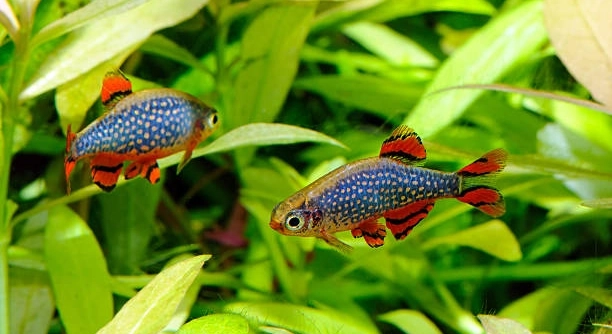
Do you enjoy keeping small, colorful fish but find it challenging to encourage them to breed successfully in your tank? Celestial Pearl Danios are charming and delicate, making their breeding both rewarding and sometimes tricky for hobbyists.
The key to boosting breeding success with Celestial Pearl Danios lies in providing optimal water conditions, a balanced diet, and a suitable breeding environment. Consistent temperature, clean water, and proper plant cover significantly enhance spawning frequency and fry survival.
Understanding the ideal setup and care techniques will make your breeding efforts more successful and enjoyable. Implementing these steps ensures healthier fish and a thriving aquatic community.
Preparing the Breeding Tank
Setting up the breeding tank properly is essential for success with Celestial Pearl Danios. A small tank of 10-15 gallons works best, providing ample space without overwhelming the fish. Fine-leaved plants or spawning mops create safe areas for egg laying, allowing the adults to deposit eggs without disturbance. Soft, slightly acidic water mimics their natural habitat and encourages spawning. A gentle sponge filter helps maintain clean water without creating strong currents that can damage eggs. Lighting should be moderate, simulating natural daylight cycles to regulate spawning behavior. Maintaining a stable temperature around 78°F ensures the fish remain comfortable and reduces stress. Before introducing breeding pairs, condition the fish with high-quality live or frozen foods such as daphnia, brine shrimp, and micro worms. Feeding smaller amounts multiple times a day helps improve their health and readiness for reproduction. Regular water changes of 20-30% keep the environment fresh and reduce harmful ammonia levels.
A well-prepared tank sets the stage for higher egg survival rates and healthier fry growth. Attention to detail at this stage prevents future problems.
Consistent monitoring is important once breeding begins. Observe the adults carefully to prevent egg predation, as some fish may eat their own eggs. Remove the adults after spawning to increase fry survival. Keep water parameters stable, testing for ammonia, nitrites, and nitrates frequently. Introduce gentle aeration to maintain oxygen levels without disturbing the eggs. Feeding newly hatched fry requires infusoria or commercial liquid fry food during the first few days. Gradually, switch to freshly hatched brine shrimp as the fry grow. Monitor growth rates and maintain regular water changes to prevent waste buildup. Recording observations can help identify optimal conditions for future breeding attempts. Over time, a consistent routine improves the overall health and breeding success of your Celestial Pearl Danios. Patience and attention to their specific needs make a significant difference in outcomes.
Selecting and Conditioning Breeding Pairs
Healthy, mature fish are crucial for successful breeding. Pairs should be at least six months old and display vibrant colors, indicating good health and readiness to spawn.
Conditioning involves feeding high-quality live or frozen foods for two weeks prior to breeding. Daphnia, brine shrimp, and bloodworms increase fertility and enhance spawning behaviors. Separating males and females during this period can stimulate stronger mating responses when reintroduced. Observe males for bright coloration and active swimming patterns, which indicate readiness. Females should have rounded abdomens, signaling they are carrying eggs. Avoid overcrowding, as stress can inhibit spawning and reduce egg quality. Frequent, small feedings encourage growth without polluting the water. Providing ample hiding spots in the tank helps reduce aggression and promotes natural behaviors. Tracking water temperature and maintaining consistency encourages synchronization of spawning events. Small adjustments in lighting cycles can also trigger natural breeding instincts. Preparing both the environment and the fish ensures higher rates of egg production and healthier fry, making the breeding process more predictable and rewarding.
Feeding Strategies for Breeding Success
Regular feeding with nutrient-rich foods improves fertility and overall health. High-protein live or frozen foods, such as brine shrimp and daphnia, are particularly effective for conditioning breeding pairs.
Feeding multiple small portions throughout the day ensures the fish remain active and healthy. Overfeeding can lead to water quality issues, so balance is key. Incorporate a mix of live, frozen, and high-quality flake foods to provide varied nutrition. Healthy fish are more likely to spawn frequently, and their eggs have higher viability. Observation during feeding helps identify signs of stress or illness that could hinder breeding success. Adjust portions based on activity levels and the number of fish in the tank.
Introducing foods that stimulate natural hunting behaviors can encourage activity and reduce aggression among breeding pairs. Live foods trigger instincts, making males more likely to display courtship behaviors. Females respond better when they are well-nourished and in good condition. Consistency in feeding routines also reinforces their natural biological rhythms, aligning with spawning cycles. Proper feeding practices not only improve egg quantity but also enhance fry survival rates, creating a more predictable and rewarding breeding experience over time.
Monitoring Water Quality
Stable water parameters are critical for breeding success. Frequent testing for ammonia, nitrites, nitrates, pH, and temperature ensures a safe environment.
Maintaining clean water reduces stress and prevents disease. Regular partial water changes of 20-30% keep ammonia and nitrate levels low. Avoid sudden temperature or pH fluctuations, as they can inhibit spawning or cause egg loss. Using a gentle sponge filter maintains water clarity without creating strong currents that might dislodge eggs. Observing fish behavior helps detect early signs of water-related stress. Even minor changes in water chemistry can affect fry survival, so monitoring and adjusting consistently is essential for long-term breeding success.
Consistency in water quality supports both adult fish and developing fry. Optimal parameters improve spawning frequency and egg viability. Tracking readings and keeping a log allows you to notice trends or issues early. Pairing stable water conditions with proper feeding and a secure breeding setup creates an environment where Celestial Pearl Danios can thrive. Adjustments should be made gradually to prevent shocking the fish. Regular maintenance and observation ensure that both breeding adults and fry remain healthy, giving your tank a higher chance of successful breeding outcomes and a more vibrant population over time.
Egg Care and Protection
Removing adults after spawning prevents egg predation. Eggs are delicate and require stable conditions to develop properly.
Using fine-leaved plants or spawning mops gives eggs shelter. Gentle water flow ensures oxygenation without dislodging them.
Hatching and Fry Development
Fry usually hatch in 2-3 days depending on temperature. Maintain consistent warmth and clean water to support healthy development. Introduce infusoria or liquid fry food immediately after hatching, gradually moving to newly hatched brine shrimp as they grow. Regular observation ensures fry are feeding and developing correctly.
Tank Maintenance for Fry
Frequent small water changes help keep ammonia and nitrate levels low. Avoid disturbing the fry during cleaning to prevent stress or injury.
FAQ
What is the ideal water temperature for breeding Celestial Pearl Danios?
The optimal water temperature for breeding Celestial Pearl Danios is between 77°F and 79°F. Maintaining a stable temperature is crucial, as sudden fluctuations can stress the fish and reduce spawning activity. Using a reliable aquarium heater with a thermostat helps ensure consistency. Regularly checking the temperature prevents unnoticed drops or spikes that could harm eggs or fry.
How often should I feed breeding pairs?
Breeding pairs should be fed small portions 2-3 times daily. High-protein foods like brine shrimp, daphnia, and bloodworms help condition the fish for spawning. Avoid overfeeding, which can deteriorate water quality and reduce egg viability. A varied diet improves overall health, making the fish more active and increasing chances of successful breeding. Observing their feeding habits allows adjustments to portion sizes and frequency based on activity levels.
Do I need to separate males and females before spawning?
Yes, separating males and females for about one to two weeks before introducing them to the breeding tank encourages stronger mating responses. Isolation allows the fish to build energy reserves and can increase spawning frequency. When reintroduced, males display brighter colors and more active courtship behavior, while females respond better, increasing egg production.
How can I prevent adults from eating the eggs?
Removing adults immediately after spawning is the most effective method to prevent egg predation. Some breeders use a dedicated breeding tank or net dividers to protect eggs. Spawning mops or dense fine-leaved plants provide hiding spaces, but adult removal remains the safest approach. Consistently monitoring the tank ensures eggs remain intact and have the highest chance of developing into healthy fry.
What should I feed the fry after hatching?
Newly hatched fry require very small foods, such as infusoria or commercial liquid fry food. After 3-5 days, gradually introduce freshly hatched brine shrimp as they grow. Feeding multiple small portions daily ensures fry have enough nutrition to develop properly. Monitoring growth and behavior allows timely adjustments, and maintaining clean water is critical to prevent disease.
How do I maintain water quality during breeding?
Regular partial water changes of 20-30% maintain low ammonia and nitrate levels. Gentle filtration, using a sponge filter, prevents strong currents that could damage eggs or fry. Consistently checking pH, ammonia, and nitrate levels helps detect early problems. Avoid sudden changes in water chemistry, as even small fluctuations can reduce egg survival and stress the breeding adults.
When do fry become free-swimming?
Fry typically become free-swimming about 3-5 days after hatching. During this period, they rely on their yolk sac for nutrition before needing external food. Providing infusoria or liquid fry food at the right time supports healthy development. Observing movement and growth ensures that all fry are thriving and ready for the transition to active feeding.
How many fry can I expect from a single spawning?
A single spawning can produce 20 to 50 eggs, depending on the female’s age, health, and diet. Not all eggs survive, so removing adults and maintaining ideal conditions improves survival rates. Consistent feeding, water quality, and temperature stability directly influence the number of fry that reach maturity.
Can I breed multiple pairs in one tank?
Breeding multiple pairs together is possible but increases competition and stress. Overcrowding can lead to aggression and egg predation. Using separate tanks or partitions ensures higher survival rates and reduces conflicts. Monitoring interactions between fish helps determine whether pairs can coexist safely or need individual setups.
How long does it take for fry to mature?
Celestial Pearl Danio fry typically reach maturity in 4-6 months under optimal conditions. Adequate nutrition, clean water, and consistent temperatures support healthy growth. Gradually transitioning from live to flake or pellet foods helps the fry adjust to adult diets. Maintaining these conditions ensures they develop vibrant colors and reproductive capability efficiently.
Celestial Pearl Danios are small, colorful fish that bring life to any tank. Breeding them can feel challenging at first, but following the right steps makes it achievable. Providing a proper breeding environment is essential. A small tank with fine-leaved plants or spawning mops gives eggs the shelter they need. Maintaining stable water temperature and gentle filtration ensures eggs and fry remain safe. Conditioning adults with high-quality live or frozen foods improves fertility and overall health, encouraging frequent and successful spawning. Paying attention to these details prevents common problems and makes breeding more predictable.
Once eggs are laid, careful management ensures they develop into healthy fry. Removing adults after spawning prevents egg predation, while maintaining clean water supports growth. Feeding fry with infusoria or liquid fry food during the first days, then gradually introducing newly hatched brine shrimp, provides the necessary nutrition for proper development. Regular partial water changes and monitoring water parameters such as pH, ammonia, and nitrates prevent stress and disease. Consistency in care helps fry grow strong and healthy, making the effort of breeding rewarding. Observing their growth also allows for early detection of any issues, so adjustments can be made promptly.
Successful breeding of Celestial Pearl Danios requires patience and attention, but it is highly satisfying when done correctly. Stable water conditions, proper feeding, and a well-prepared breeding tank create an environment that supports both adults and fry. Understanding their behavior and natural needs allows for improved survival rates and healthier offspring. Over time, the practice of maintaining optimal conditions becomes easier and more routine. With careful observation, consistent care, and the right setup, breeding these fish can become a manageable and enjoyable part of aquarium keeping. Following these steps ensures a thriving, colorful population of Celestial Pearl Danios that adds vibrancy and life to any tank.

Hello,
If you enjoy the content that we create, please consider saying a "Thank You!" by leaving a tip.
Every little bit helps us continue crafting quality advice that supports the health, happiness, and well-being of pets around the world, for pets of all shapes, sizes, and species.
We really appreciate the kindness and support that you show us!