
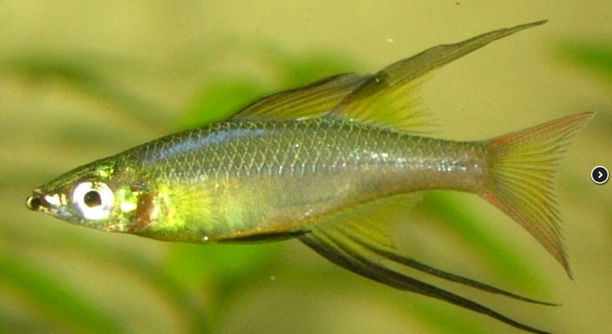
Threadfin are fascinating fish that respond strongly to their environment. Lighting can influence their behavior in subtle but meaningful ways. Adjusting light intensity and timing can make them more active and visible in tanks.
Optimal lighting for threadfin involves using a balance of intensity and spectrum that mimics their natural habitat. Light timing and direction influence feeding patterns, social interactions, and general activity levels, making careful control essential for behavioral management.
Properly setting up lights can improve their daily routines and overall well-being. Observing how threadfin respond opens opportunities to enhance their environment naturally.
Using Natural Light Cycles
Threadfin respond well to light that follows a natural day-night rhythm. I noticed that when their tank mirrored sunrise and sunset patterns, their activity levels increased. Too much light can stress them, while too little makes them sluggish. Mimicking natural light cycles helps regulate feeding habits and encourages swimming. Gradually adjusting light intensity over time prevents sudden shocks. Positioning the tank near indirect daylight also adds a subtle glow that they seem to enjoy. I often use a timer to maintain consistency. This reduces the need for constant manual adjustments and helps the fish settle into predictable behavior patterns. Over weeks, I observed clearer interactions among the threadfin, including schooling and exploratory movements. Lighting transitions that are too abrupt can trigger hiding or aggression. Even a soft night light can maintain visibility without disturbing rest periods. Monitoring their responses daily allows fine-tuning of the schedule. These changes can be small but have a measurable impact on overall health and activity.
Consistent natural light cycles enhance threadfin alertness and feeding while reducing stress and aggression. They thrive with predictable, gentle changes in illumination.
A balanced natural cycle also strengthens social behavior. When lights gradually brighten in the morning, threadfin start swimming actively and feed reliably. Dimming in the evening signals rest, reducing nighttime stress. Over time, the fish become more confident exploring all areas of the tank, including corners they normally avoid. Adjusting light to match their innate rhythms encourages healthy growth, reduces lethargy, and promotes visible coloration. Observing how they react to minor changes provides insight into optimal lighting strategies. Even partial shade areas in the tank offer retreat spaces that support comfort. Threadfin are sensitive to sudden brightness, so slow transitions are important. Using a combination of timers, indirect natural light, and soft artificial lighting creates an environment that feels natural to them. Attention to these details enhances overall behavior, feeding efficiency, and social dynamics, making daily care smoother and more predictable.
Spectrum Selection
Different light spectrums affect how threadfin perceive their surroundings. Cooler, blue-leaning light often stimulates activity. Warmer tones create a calmer environment.
Blue and full-spectrum lights improve visibility and support natural movement. Threadfin respond positively, exhibiting more frequent interactions and feeding behaviors. The right spectrum highlights their coloration.
Light Intensity Adjustment
Threadfin respond differently to varied light intensities. Too bright makes them hide, while soft lighting encourages exploration. Adjusting gradually helps them adapt without stress.
I noticed that lowering light during the day encourages threadfin to swim more openly and interact with tank mates. Bright light can trigger hiding, especially near the surface, while moderate intensity creates comfort. Using dimmers or adjustable LED lights allows control over brightness. Placement of the light source matters; overhead lighting is less stressful than side lighting that casts harsh shadows. Observing their movements helps determine the best intensity, as their reactions indicate comfort levels. Gradual changes prevent sudden stress responses and allow them to adjust naturally. Over time, the right intensity encourages regular feeding patterns and more predictable behavior. Even small adjustments can improve their activity and overall health, making them more visible and engaging in the tank.
Adjustable light intensity also benefits nighttime viewing. Using soft, indirect light keeps threadfin active while avoiding disruption to rest periods.
Directional Lighting
Threadfin respond strongly to the angle and direction of light. Overhead light creates natural shadows, encouraging natural behavior.
Positioning lights at different angles alters how threadfin explore their environment. Light from above mimics sunlight and encourages swimming near the tank’s center, while side lighting highlights hiding spots. I often experiment with angles to see which areas they frequent most. Shadows created by decorations or plants offer comfort, making them more likely to interact rather than stay still. Observing their daily movements helps determine optimal angles. Even slight shifts in direction can reduce aggression or territorial disputes, as they feel more secure with predictable light patterns. Combining soft overhead lighting with subtle side highlights balances visibility and comfort, enhancing feeding behavior and schooling activity. Threadfin tend to respond best when lighting supports natural movement patterns without glare. These adjustments make the tank feel more natural and allow their true colors and patterns to shine, creating a healthy and engaging environment.
Flicker Reduction
Threadfin are sensitive to flickering lights. Reducing flicker prevents stress and encourages consistent activity.
Using high-quality LEDs or stabilizing power sources minimizes flicker. I noticed my fish swim more steadily when lights are stable, showing calmer and more natural behavior.
Timed Lighting
Consistent schedules help threadfin anticipate feeding and rest periods. Using timers creates predictable light changes, supporting natural rhythms. Regular timing encourages active swimming in the day and calm behavior at night.
Highlighting Key Areas
Targeted light over feeding zones increases visibility and activity. Threadfin respond quickly when certain spots are brighter, enhancing feeding efficiency.
FAQ
How long should the lights be on for threadfin each day?
Threadfin do best with a consistent 10 to 12 hours of light per day. I keep a timer to avoid overexposure, which can stress the fish. Less than 10 hours may reduce activity, while longer periods may disrupt feeding and rest patterns.
Can I use regular aquarium lights for threadfin?
Yes, regular aquarium lights work if the intensity and spectrum are balanced. I prefer LED lights because they allow control over brightness and reduce heat. Avoid flickering bulbs, as threadfin are sensitive and may hide or become agitated.
Should the light be directly overhead?
Overhead light is ideal because it mimics natural sunlight. I sometimes adjust angles slightly to create shaded areas, letting threadfin explore comfortably. Side or harsh angled light can create stress and territorial disputes.
Is colored lighting beneficial for threadfin?
Colored lighting, especially blue or full-spectrum lights, can enhance activity. I notice brighter coloration and more social interaction under the right tones. Avoid excessive red or intense hues, as these can make them anxious or overly active.
How do I prevent stress from sudden lighting changes?
Gradual adjustments are key. I increase or decrease intensity slowly over several minutes. Using timers for sunrise and sunset transitions helps threadfin acclimate naturally, keeping behavior predictable and reducing hiding or aggressive responses.
Can night lights be used?
Soft night lights are helpful if you need to observe threadfin without disturbing rest. I use low-intensity blue or dim white lights, which maintain visibility without affecting their sleep cycle. Avoid bright lights, which can interrupt rest and increase stress.
Does tank size affect lighting needs?
Yes, larger tanks require stronger or more evenly distributed lighting. I ensure all areas receive adequate light while providing shaded spots. In smaller tanks, moderate intensity is enough to prevent stress and maintain natural behavior.
How often should I adjust lighting based on fish behavior?
Observing threadfin daily is enough. I tweak light intensity or direction only if they hide frequently or show reduced activity. Small, incremental changes are safer than large adjustments, which can trigger stress or aggression.
Can lighting influence feeding habits?
Absolutely. Threadfin are more likely to feed actively under moderate, consistent lighting. I noticed they gather in well-lit areas during feeding, making monitoring portions and reducing waste easier. Uneven or flickering light can make them shy away from food.
Do decorations affect lighting effectiveness?
Yes, plants, rocks, and other decorations create shadows that impact how threadfin perceive the tank. I arrange them to balance shaded retreats and bright spots, which encourages natural swimming patterns and social interaction. Proper positioning prevents stress and supports exploration.
Is natural sunlight better than artificial light?
Natural sunlight can be beneficial, but it’s harder to control. I use indirect sunlight when possible and rely on artificial lights for consistent timing and intensity. Direct sunlight may overheat water and create algae issues, so balance is essential.
Can lighting improve fish coloration?
Yes, the right spectrum enhances natural colors. I noticed threadfin display brighter hues under full-spectrum or blue-toned lights. Proper intensity also prevents dulling, while too much brightness can wash out colors or stress the fish.
How do I know if lighting is too bright or too dim?
Watch behavior. If threadfin hide frequently, the light may be too bright. If they appear sluggish or avoid active swimming, it could be too dim. I adjust intensity gradually until they swim openly and interact naturally.
Should lighting be adjusted seasonally?
Minor adjustments can help mimic natural seasonal changes. I slightly vary light duration during longer or shorter days to support natural rhythms, which helps feeding patterns, activity levels, and social interactions remain stable.
Can multiple light sources be used effectively?
Yes, combining overhead and side or spot lights can create a dynamic environment. I use this setup to highlight feeding areas while keeping shaded retreats. Multiple sources need careful placement to avoid glare and stress.
Does water clarity affect lighting needs?
Absolutely. In murky water, stronger or additional lighting may be needed. I clean filters regularly and ensure water remains clear, which enhances visibility and supports natural behavior.
Are timers essential for beginners?
Timers simplify lighting management and maintain consistency. I rely on them to ensure threadfin get predictable day-night cycles without daily manual adjustments, reducing stress and supporting natural activity.
Can lighting affect aggression in threadfin?
Yes. Sudden bright lights or harsh angles can trigger territorial behavior. I use soft, gradual changes and balanced intensity to keep interactions calm and avoid stress-induced aggression.
How do I combine natural and artificial lighting?
I use natural indirect light in the morning and supplement with controlled LEDs. This approach keeps cycles consistent while mimicking daylight patterns, supporting feeding, activity, and natural social behavior without overexposure.
What’s the easiest way to test if lighting is effective?
Observe swimming, feeding, and interaction patterns. Threadfin that explore, feed regularly, and show bright coloration indicate effective lighting. Frequent hiding, lethargy, or unusual aggression signals adjustments are needed. Gradual changes are key to success.
How often should bulbs or LEDs be replaced?
Replace lights according to manufacturer recommendations, usually every 1–2 years. I check for dimming or flicker signs, as older lights can reduce intensity, affect spectrum, and influence behavior negatively. Regular maintenance keeps the environment stable.
Can lighting changes improve schooling behavior?
Yes. Threadfin respond to well-lit, balanced areas by swimming together more consistently. I noticed that even small adjustments in intensity or angle encourage synchronized movements and social interactions, supporting healthier group dynamics in the tank.
Is it safe to experiment with new lighting setups?
Experimenting is safe if done gradually. I make one change at a time, monitor behavior for several days, and revert if stress occurs. Sudden or extreme changes can cause hiding, aggression, or reduced feeding.
Do reflections or glare matter?
Yes. Excessive reflections can stress threadfin, making them swim erratically. I position lights to minimize glare and avoid direct reflections on glass. Observing their reactions helps ensure lighting remains comfortable and non-disruptive.
Can lighting reduce disease risk?
Indirectly, yes. Proper lighting supports normal activity and feeding, which strengthens immunity. I noticed healthier scales and reduced signs of stress when the tank receives consistent, balanced light. Poor lighting can lead to inactivity, weakening resilience to illness.
How do I know the best spectrum for my tank?
Observe behavior and coloration. I test blue, full-spectrum, and warm lights, noting activity and visibility. Full-spectrum or blue tones tend to encourage natural behavior and enhance color without causing stress. Adjust gradually based on fish response.
What if my fish are still hiding despite lighting adjustments?
Check for other stressors like water quality, tank mates, or temperature. Lighting alone may not solve hiding. I combine gradual light changes with environmental improvements, which usually encourages exploration and social interaction.
How long does it take to see results from lighting changes?
Responses can appear within days for activity and feeding, while coloration and social behavior may take weeks. I monitor daily and make small adjustments, being patient for long-term improvement.
Can I use dimmers for fine control?
Yes, dimmers are helpful. I adjust brightness in small increments to find the ideal intensity, creating comfort zones without shocking the fish or triggering stress responses.
Does tank placement in a room matter for lighting?
Yes. I avoid direct sunlight and bright room lights that may create glare or uneven illumination. Positioning near indirect daylight or using controlled artificial lights ensures consistent conditions for threadfin behavior.
Are there signs that lighting is improving behavior?
Threadfin swim actively, feed consistently, interact socially, and show bright coloration. I also notice reduced hiding, less aggression, and calmer nighttime rest, all indicating successful lighting adjustments.
How do I balance aesthetics and fish comfort?
I focus on natural-looking light while observing behavior. While decorative lighting can be appealing, comfort and predictable routines take priority. Gradual, balanced illumination supports both appearance and fish health.
What maintenance is needed for lighting systems?
Clean bulbs, check timers, replace aging LEDs, and monitor for flicker or dimming. I keep a schedule to ensure consistent light cycles, protecting both threadfin behavior and tank aesthetics.
Can multiple species in one tank affect lighting choices?
Yes. I consider the needs of all species, balancing intensity and spectrum. Threadfin behavior is influenced by companions, so creating zones with soft and bright areas helps meet everyone’s requirements without causing stress.
Are there cost-effective lighting options?
LEDs with adjustable intensity are efficient and long-lasting. I found they provide control, stability, and spectrum options without high electricity costs, making them practical for both behavior management and budget.
Is it worth investing in high-end lighting?
High-quality lights make it easier to control intensity, spectrum, and timing. I noticed threadfin activity, feeding, and coloration improved compared to basic lighting, making the investment worthwhile for long-term behavior benefits.
How do I start implementing lighting changes safely?
I begin with one change at a time, observe responses, and adjust slowly. Using timers, dimmers, and soft spectrum adjustments ensures threadfin adapt without stress, allowing a controlled improvement in behavior and overall tank health.
What common mistakes should be avoided?
Avoid sudden changes, flickering lights, overly bright intensity, and ignoring fish responses. I learned that patience, gradual adjustments, and careful observation are essential for successful lighting management in threadfin tanks.
Can lighting influence breeding behavior?
Yes, consistent, natural-like light encourages normal reproductive behavior. I observed that proper intensity, spectrum, and timing promote activity, social interaction, and readiness for spawning, supporting healthier breeding outcomes.
How do I troubleshoot lighting problems?
Check timers, bulb quality, intensity, and placement. I observe behavior and make incremental adjustments. Persistent hiding, lethargy, or stress indicates further evaluation of both lighting and environmental conditions is needed.
Does lighting affect long-term health?
Consistent, balanced lighting supports natural behavior, reduces stress, and encourages feeding, all of which contribute to long-term health. I noticed improved growth, coloration, and social behavior in tanks with carefully managed light.
How often should I review lighting setup?
At least every few months, or after adding new tank decorations, fish, or equipment. I routinely observe behavior and adjust gradually to maintain optimal conditions for threadfin activity and well-being.
Can I combine multiple FAQs for efficiency?
Yes, related topics like spectrum, intensity, and timing can be reviewed together for easier management. I keep notes on responses to different adjustments to streamline ongoing care.
How do I ensure threadfin comfort with artificial lights?
Maintain moderate intensity, gradual transitions, and natural-like spectrum. I provide shaded areas and monitor behavior for stress, ensuring threadfin remain active, social, and healthy.
What’s the easiest way to test if changes work?
Observe activity, feeding, schooling, and coloration over several days. I make small adjustments, monitor responses, and confirm improvements before making additional changes. Patience is key.
Are there signs of overexposure to light?
Yes, hiding, erratic swimming, and reduced feeding indicate overexposure. I reduce intensity or duration gradually to restore normal behavior, avoiding sudden stress responses.
Can I combine timers and dimmers effectively?
Yes, timers automate light schedules, and dimmers fine-tune intensity. I use both to replicate natural cycles, supporting activity, feeding, and rest without stress.
Does the type of LED matter?
Yes. I choose LEDs with stable output, low flicker, and adjustable spectrum. Quality LEDs maintain consistent light, reducing stress and supporting natural threadfin behavior.
How can I keep lighting consistent during power outages?
Battery backups or automated timers help maintain schedules. I noticed threadfin respond poorly to sudden dark periods, so maintaining consistency is essential for predictable behavior.
Are there risks with overusing colored lights?
Yes, excessive or intense colors can cause stress or hyperactivity. I use subtle blue or full-spectrum lights for activity and coloration without overwhelming them.
Do threadfin respond differently to artificial vs. natural light?
Yes, natural light is dynamic, but artificial lights provide stability. I use controlled LEDs with gradual transitions to mimic natural cycles while maintaining predictability for feeding and social behavior.
How do I know if lighting supports social behavior?
Threadfin swim together, feed actively, and explore without hiding. I watch for aggression or isolation, which signals adjustments are needed to encourage healthy group dynamics.
Can I adjust lighting for seasonal changes?
Yes, small variations in duration and intensity help mimic seasonal cycles. I gradually shorten or lengthen light hours to support natural rhythms, feeding, and activity.
What tools help manage lighting effectively?
Timers, dimmers, high-quality LEDs, and observation notes. I combine these to monitor intensity, spectrum, and duration, ensuring threadfin remain active, healthy, and comfortable.
Is it important to document lighting adjustments?
Yes, keeping notes helps track what works. I record intensity, duration, and fish behavior, making future adjustments easier and safer.
How quickly do threadfin adapt to new lighting?
Most show response within days, but full behavioral adjustments take weeks. I implement changes gradually and monitor for stress or improved activity over time.
Can lighting affect sleep patterns?
Yes, predictable day-night cycles support normal rest. I avoid bright nighttime lights, using soft dim options if needed, ensuring threadfin maintain healthy sleep and recovery.
Does water temperature interact with lighting effects?
Yes, extreme temperatures combined with bright lights can stress threadfin. I maintain stable water conditions to complement lighting adjustments, ensuring behavior and health remain optimal.
Are there beginner-friendly lighting setups?
Simple LED lights with timers work well. I recommend gradual introduction of spectrum adjustments and soft intensity, allowing threadfin to acclimate while maintaining natural behavior.
How do I balance visibility for humans and comfort for fish?
I focus on moderate intensity and natural spectrum. Observing fish reactions ensures comfort while allowing clear viewing without glare or stress.
Is it okay to switch lighting brands or types?
Yes, but transition gradually. I introduce new lights slowly, monitor behavior, and adjust placement or intensity to avoid shocking threadfin or altering established routines.
How often should I clean lighting fixtures?
Regular cleaning prevents dust, algae buildup, and light reduction. I schedule monthly checks to maintain brightness, spectrum, and overall effectiveness for threadfin behavior.
Do artificial lights affect algae growth?
Yes, bright or long-duration lights promote algae. I balance light duration and intensity and maintain cleaning routines to keep the tank healthy and fish behavior unaffected.
Can lighting reduce hiding behavior?
Yes, balanced intensity and gradual transitions encourage exploration. I observed that proper placement and shaded areas reduce stress and increase active swimming and social interaction.
Are some light colors better for feeding?
Blue and full-spectrum lights encourage activity and visibility. I noticed threadfin feed more readily under these tones, making feeding times predictable and efficient.
Can lighting help new fish acclimate?
Gradual light adjustments and shaded areas help newcomers feel secure. I use soft, stable lighting to reduce stress and encourage feeding and exploration during the first days in the tank.
Does reflection from tank walls affect behavior?
Yes, excessive reflection can confuse or stress threadfin. I adjust lighting angles and decorations to minimize glare, ensuring comfortable visibility and natural behavior.
How important is consistency in lighting?
Extremely important. I maintain predictable schedules to support feeding, activity, and social interactions. Inconsistent lighting can cause stress, hiding, or disrupted rhythms, affecting health and behavior.
Can lighting influence territorial disputes?
Yes, uneven or overly bright light can trigger aggression. I balance intensity and angles, providing shaded retreats to reduce conflict and support harmonious interactions.
Are dimming schedules helpful?
Yes, gradual dimming signals rest periods and reduces stress. I use timers with dimming features to create smooth transitions, encouraging natural sleep and activity cycles.
How do I monitor effectiveness long-term?
Observe behavior, coloration, feeding, and social patterns. I keep notes on adjustments and responses to maintain optimal lighting conditions that support healthy threadfin activity and interaction.
What is the simplest way to improve behavior with lighting?
Start with consistent timing, moderate intensity, and gradual spectrum adjustments. I combine these with careful observation to encourage active, healthy, and socially engaged threadfin.
Does the size of the tank change lighting strategy?
Yes, larger tanks need more evenly distributed light. I adjust intensity, angle, and placement to ensure all areas are illuminated while providing shaded retreats for comfort.
Can lighting alone fix behavior problems?
Not entirely. Lighting supports natural behavior, but water quality, diet, and tank setup are equally important. I combine lighting adjustments with environmental care for best results.
How often should I review fish reactions to light changes?
Daily observations are enough. I note activity, feeding, and social patterns to decide if adjustments are necessary, ensuring threadfin remain comfortable and stress-free.
Is professional advice necessary for lighting setups?
Not always. Basic timers, dimmers, and quality LEDs work well. I recommend learning gradually, monitoring behavior, and adjusting carefully to support threadfin health and activity.
Can lighting improve long-term tank harmony?
Yes, balanced intensity, spectrum, and timing promote social behavior, reduce stress, and encourage active swimming, supporting a harmonious and healthy environment over time.
Does lighting affect growth?
Indirectly, yes. Proper activity, feeding, and stress reduction from balanced lighting support normal growth. I noticed threadfin develop better size and coloration under consistent, well-managed light conditions.
Are all LED lights suitable for threadfin?
No, low-quality LEDs may flicker or lack spectrum control. I choose stable, adjustable lights to prevent stress and encourage natural behavior, making LED quality a key factor.
Can lighting influence mood in fish?
Yes, consistent, comfortable lighting reduces stress and encourages natural curiosity. I observed calmer behavior and more active exploration when the tank has balanced illumination.
Is there an optimal height for lights above the tank?
About 12–18 inches works for most setups. I adjust based on intensity and coverage to avoid glare or overly bright spots, creating a comfortable environment for threadfin.
Can lighting impact oxygen levels?
Indirectly, through algae growth and temperature changes. I monitor both to ensure lighting supports behavior without negatively affecting water quality or oxygen balance.
How do I prevent over-lighting?
Timers, dimmers, and observation prevent overexposure. I gradually adjust intensity and duration, keeping fish active without stress or hiding behavior.
Does lighting affect male and female threadfin differently?
Not significantly, but individual responses vary. I monitor both genders to ensure activity, feeding, and social interactions remain healthy under the same lighting conditions.
Can changing lighting too often be harmful?
Yes, frequent changes can stress threadfin. I implement adjustments slowly and observe reactions before
Final Thoughts
Lighting plays a larger role in threadfin behavior than many realize. I’ve found that small adjustments can have a big impact on how active and social they are. Consistent light cycles, the right intensity, and proper spectrum all contribute to healthier fish. Overly bright or flickering lights can cause stress, hiding, and aggression, while balanced lighting encourages swimming, feeding, and natural interactions. By paying attention to how threadfin respond to different setups, it is possible to create an environment that supports their well-being without complicated equipment or expensive systems. Even simple timers and adjustable LEDs can make a noticeable difference. Over time, maintaining proper lighting helps threadfin feel secure and promotes predictable behavior, making daily observation and care much easier.
It is important to remember that lighting is just one piece of the puzzle. Water quality, tank size, temperature, and diet all interact with lighting to influence behavior. I often adjust lighting in small increments and watch for changes in activity, feeding, and social interactions. This allows me to identify what works best without causing stress. Threadfin are sensitive to sudden changes, so gradual transitions are key. Providing shaded areas and soft night lighting also helps them feel comfortable while maintaining visibility for observation. Using a combination of overhead and directional lighting can simulate natural conditions, encouraging exploration and schooling. When these adjustments are paired with clean water, proper nutrition, and stable temperatures, the overall health and activity levels of the fish improve noticeably.
Watching threadfin thrive under appropriate lighting is rewarding. Their colors become more vivid, they explore more freely, and social interactions become more consistent. I’ve learned that even minor tweaks in timing, spectrum, or intensity can change the entire dynamic of a tank. Observing their responses closely allows for better management of behavior and stress levels. It is worth investing time into understanding how lighting affects them, because the results are tangible and long-lasting. Creating an environment that balances natural rhythms, comfort, and visibility benefits not only the fish but also makes daily care and observation more enjoyable. Lighting does not need to be complicated to be effective. Simple adjustments, careful monitoring, and consistency provide a foundation for threadfin to be active, healthy, and socially engaged in their tank environment.

Hello,
If you enjoy the content that we create, please consider saying a "Thank You!" by leaving a tip.
Every little bit helps us continue crafting quality advice that supports the health, happiness, and well-being of pets around the world, for pets of all shapes, sizes, and species.
We really appreciate the kindness and support that you show us!