
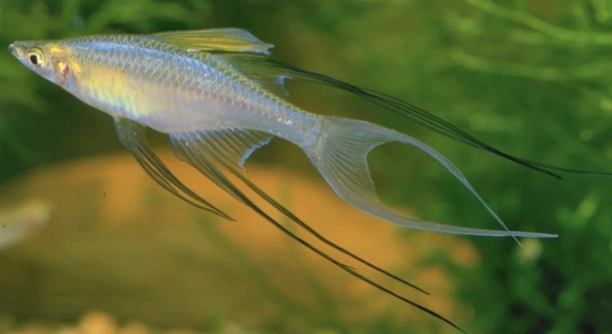
Threadfin Rainbowfish are small, vibrant fish that bring life to any aquarium. They are usually active swimmers, darting through the water, but sometimes they may appear unusually still, causing concern for their owners.
Threadfin Rainbowfish may suddenly become still due to stress, water quality issues, illness, or sudden environmental changes. Maintaining stable conditions, proper diet, and careful observation can help prevent periods of inactivity and support their overall health.
Understanding the reasons behind this behavior helps ensure your Rainbowfish remain healthy and active. Proper care and awareness can make a significant difference in their well-being.
Common Reasons for Sudden Stillness
Threadfin Rainbowfish can suddenly become still for several reasons. One major factor is stress, which can come from overcrowded tanks, aggressive tank mates, or sudden changes in lighting or temperature. Poor water quality is another significant cause. Ammonia, nitrite, or nitrate levels that rise too high can make the fish sluggish or unresponsive. Illness, such as bacterial or parasitic infections, often results in inactivity, and these conditions may require treatment to restore normal behavior. Even changes in diet or insufficient food can make these fish less active. Observing your Rainbowfish daily helps spot subtle changes in behavior. Providing a calm environment with proper filtration, stable temperature, and regular water changes supports their well-being. Gentle handling and careful introduction of new tank mates or decorations also reduce stress. Maintaining clean water and balanced nutrition is essential for their overall vitality.
Stress and poor water quality are the main factors that often make Rainbowfish stop swimming actively.
Paying attention to these conditions can prevent health issues and help the fish remain energetic. Observing behavior and water parameters allows timely adjustments that keep the fish safe.
How to Restore Activity
Improving the environment is the first step to restoring activity. Ensure the tank is clean, water parameters are stable, and temperature is consistent. Avoid sudden changes in lighting or decorations that may startle the fish. Feeding a balanced diet appropriate for Rainbowfish also encourages normal behavior. If illness is suspected, isolate affected fish and treat with suitable medication as recommended by aquarium specialists. Adding hiding spots with plants or decorations can make the fish feel secure and reduce stress. Maintaining a regular schedule for water changes, feeding, and monitoring water chemistry helps prevent future inactivity. Observing interactions with other tank mates ensures that aggression is minimized. Over time, these measures help Rainbowfish return to their natural swimming patterns. Careful attention to both environmental and dietary needs is crucial for maintaining a lively aquarium.
Regular observation and proper care are essential to keep Rainbowfish active and healthy.
Combining clean water, stable temperature, stress reduction, and proper nutrition provides a foundation for active behavior. Monitoring daily allows for early detection of problems, while gradual improvements to the tank environment encourage the fish to resume swimming normally. Avoiding abrupt changes and addressing health issues quickly ensures their long-term well-being. Adjustments like adding plants or gentle companions reduce stress and make the tank more comfortable. Consistent feeding routines and checking water quality prevent inactivity from recurring. Following these steps helps maintain a lively aquarium, promoting both the physical and emotional health of Threadfin Rainbowfish. Over time, this careful approach strengthens resilience, allowing the fish to thrive, interact naturally, and display their characteristic vibrant activity.
Environmental Triggers
Temperature fluctuations can make Threadfin Rainbowfish become still. Sudden drops or spikes in tank temperature stress the fish and slow their movement. Poor lighting or strong currents can also discourage swimming. Maintaining consistent conditions is essential for keeping them active and healthy.
Rapid changes in the aquarium environment often lead to inactivity in Rainbowfish. Even small shifts in temperature or light can be enough to make them stop swimming. Strong water currents can overwhelm them, while insufficient hiding spots leave them feeling exposed. Providing stable water conditions, moderate flow, and gentle lighting helps the fish feel secure. Proper placement of plants and decorations creates areas to explore safely, reducing stress and encouraging normal swimming patterns over time. Monitoring these factors regularly ensures the fish remain lively and responsive.
Stress from tank setup is common and can significantly impact behavior. Crowded spaces, aggressive tank mates, or poorly arranged decorations can make Rainbowfish retreat and stay still. Organizing the tank thoughtfully and keeping a calm environment helps reduce this stress. Observing fish interactions allows timely adjustments to prevent bullying or overcrowding. Using soft lighting and moderate flow encourages natural movement. Over time, these environmental improvements lead to more consistent activity and healthier fish. Attention to these details is key to maintaining a thriving aquarium where Threadfin Rainbowfish feel secure and swim actively.
Dietary Factors
Inadequate or inconsistent feeding can make Rainbowfish stop swimming and appear lethargic. A balanced diet is necessary to support their energy levels and overall health.
Poor nutrition directly affects activity levels. Feeding low-quality flakes or ignoring protein needs can cause sluggishness. Overfeeding may also lead to water contamination, which stresses fish and reduces movement. Fresh or frozen foods, supplemented with high-quality flakes or pellets, ensure adequate nutrients. Rotating food types keeps them interested and provides essential vitamins. Observing eating habits helps identify dietary problems early. Proper portioning and feeding schedules prevent both hunger and overfeeding, maintaining stable energy levels. Adequate nutrition supports immune health, making fish more resilient to environmental stressors and illness.
Vitamin and mineral deficiencies often manifest as inactivity. Lack of essential nutrients weakens muscles and reduces swimming stamina. Ensuring variety in the diet promotes energy, coloration, and overall well-being. Foods rich in protein, vitamins, and minerals strengthen health, reduce stress susceptibility, and encourage natural behaviors. Avoiding filler-heavy foods prevents sluggishness. Gradually introducing new foods helps prevent digestive upset. Monitoring fish response to diet adjustments ensures effectiveness. Providing a consistent, nutrient-rich diet contributes to vibrant activity and supports longevity. Healthy Rainbowfish are more active, colorful, and responsive, making dietary care a key factor in their daily movement and overall vitality.
Illness and Parasites
Bacterial or parasitic infections can cause Rainbowfish to become still. Symptoms may include clamped fins, faded colors, or unusual swimming patterns. Prompt identification and treatment are essential to prevent worsening health and restore normal activity.
Parasites can irritate the fish and reduce their energy. Observing behavior closely helps catch early signs. Isolating affected fish and following proper treatment protocols protects both the sick fish and the rest of the tank.
Water Quality Issues
Poor water conditions are a common reason for inactivity. High ammonia, nitrite, or nitrate levels stress Rainbowfish, making them sluggish. Regular testing, partial water changes, and effective filtration help maintain safe levels. Stable pH and temperature are also important for keeping fish active and healthy.
Tank Size and Space
A small or overcrowded tank can limit movement and increase stress. Adequate space allows Rainbowfish to swim freely and display natural behavior.
Continue the article with the following outline. Bold the questions. Do not write an intro for each header, get straight to the point. Do not use a greeting. Make it feel slightly personal. Write in a simplistic style.; Outline: ; FAQ (write at least 500 words); Note: Skip the intro, get straight to the point. The rest of the headers will be provided later, so do not write them yet. Skip the conclusion, and recap. Respect the given word count for every paragraph.
Final Thoughts
Threadfin Rainbowfish are delicate and sensitive fish that require careful attention to their environment. Maintaining stable water conditions, appropriate temperature, and gentle filtration is crucial to their overall health. Sudden changes in water chemistry, light, or temperature can cause stress, which often results in periods of stillness. Observing your fish daily allows you to notice subtle shifts in behavior that may indicate a problem. Small adjustments, like adding plants or rearranging decorations, can provide hiding spots and make the fish feel secure. Over time, consistent care helps them remain active, vibrant, and healthy. Paying attention to the tank’s setup and the fish’s interactions with each other ensures a calmer and more predictable environment. A well-maintained aquarium reduces the risk of inactivity caused by stress or environmental fluctuations, helping the Rainbowfish thrive naturally.
Diet also plays a significant role in maintaining energy levels and overall vitality. Threadfin Rainbowfish need a balanced diet that includes high-quality flakes, pellets, and occasional fresh or frozen foods. Proper feeding routines prevent both hunger and overfeeding, which can lead to sluggish behavior or water quality issues. Nutrient deficiencies, such as a lack of protein or essential vitamins, can make Rainbowfish appear less active. Rotating food types ensures they receive a complete range of nutrients, supporting immune function and physical stamina. Observing how the fish respond to different foods can help determine if adjustments are needed. Over time, providing a consistent and nutrient-rich diet contributes to vibrant colors, healthy growth, and more active behavior. Paying attention to these details makes it easier to notice any early signs of health problems before they become severe.
Even with proper care, occasional periods of stillness may still occur. Stress, minor illnesses, or temporary discomfort can cause a Rainbowfish to stop moving for a short time. Understanding the potential reasons for these pauses and responding quickly is essential. Isolating sick fish when necessary, adjusting water conditions, and providing a stress-free environment can help restore normal activity. Regular monitoring, preventive measures, and patience are key to keeping Threadfin Rainbowfish healthy. The more time you spend observing and understanding their behavior, the better you can respond to their needs. By maintaining clean water, balanced nutrition, and a stable tank environment, you create the conditions for Rainbowfish to thrive. Over time, careful attention and consistent care will result in more active, vibrant, and resilient fish that display their natural behaviors freely.

Hello,
If you enjoy the content that we create, please consider saying a "Thank You!" by leaving a tip.
Every little bit helps us continue crafting quality advice that supports the health, happiness, and well-being of pets around the world, for pets of all shapes, sizes, and species.
We really appreciate the kindness and support that you show us!