
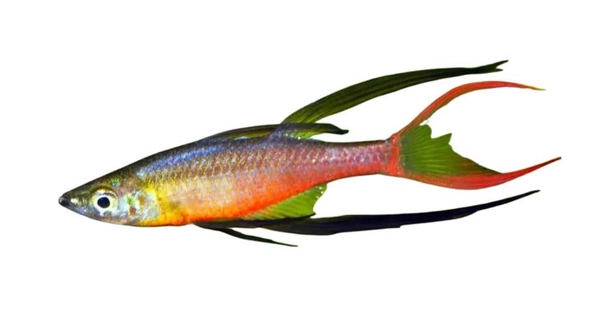
Threadfin Rainbowfish are lively and colorful fish that enjoy having small, safe spaces to retreat to in their tank. Providing hiding spots can reduce stress and encourage natural behaviors. Simple DIY solutions are easy to implement and effective.
Creating DIY hiding spots for Threadfin Rainbowfish can be accomplished using common household materials or aquarium-safe items. These spaces provide shelter, reduce stress, and promote natural activity patterns, contributing to healthier and more comfortable living conditions for the fish.
These simple hiding spots will help improve your aquarium’s environment and make your fish feel more secure and relaxed in their space.
Using PVC Pipes as Hiding Spots
PVC pipes are a practical option for creating shelters in your tank. They are durable, easy to clean, and provide the perfect narrow spaces where Threadfin Rainbowfish can feel secure. Cut the pipes into small sections, smooth the edges, and place them horizontally or vertically in your aquarium. You can also stack multiple pipes to form a small maze or tunnel system. Fish often enjoy weaving through these spaces, and it can help reduce aggressive behaviors by giving them a sense of territory. PVC pipes do not alter water chemistry, making them safe for long-term use. Adding some live plants or pebbles around the pipes can further enhance the hiding spot, creating a more natural feel that encourages exploration. Regularly check the pipes for algae buildup and rinse them with warm water when needed. Your fish will appreciate having these structured, cozy retreats in their habitat.
PVC pipes provide secure retreats while being low-maintenance and safe for your fish. They are a simple solution for stress reduction.
Stacking and arranging PVC pipes allows you to create a dynamic environment within the tank. This setup encourages movement, exploration, and natural interaction among the fish. Over time, the fish learn to recognize each pipe as a personal space, which reduces conflict and promotes healthier behavior. Using different pipe diameters and lengths adds variety, letting both smaller and larger fish find suitable shelters. You can combine the pipes with aquarium plants or rocks for a more natural look, giving the fish a comforting habitat that resembles their natural surroundings. This approach also makes tank cleaning easier, as the pipes can be moved and rinsed separately. Observing your Rainbowfish navigate through the tunnels can be entertaining and informative, allowing you to see their personalities emerge. Regular adjustments in the arrangement can prevent boredom and keep the fish engaged. Overall, PVC pipes offer a durable, customizable, and practical hiding solution that benefits both the fish and the aquarist.
Creating Plant-Based Hiding Areas
Live or artificial plants can serve as excellent hiding spots. They provide cover and comfort for Threadfin Rainbowfish, replicating their natural habitat.
Dense plant clusters reduce stress and offer exploration areas, helping the fish feel safer and more active.
Plant-based hiding spots allow for a more natural aesthetic while supporting healthy fish behavior. You can combine tall, bushy plants with low-lying varieties to create layers of cover. Arrange plants strategically near tank corners or along the substrate to give fish multiple retreat options. Live plants contribute to water quality by absorbing nitrates, while artificial plants offer easy maintenance and flexibility in design. Placing some floating plants can also create shaded areas, giving fish a sense of security from above. For live plants, ensure they are compatible with the water parameters suitable for Threadfin Rainbowfish. By mixing different plant types and sizes, you create a dynamic and engaging environment that stimulates natural behaviors, reduces stress, and enhances the visual appeal of your aquarium. Regular pruning and care maintain the hiding spots’ effectiveness and appearance.
Hiding Under Driftwood
Driftwood provides natural cover and shadow, giving Threadfin Rainbowfish places to retreat. Position pieces carefully to avoid tipping. Smooth edges prevent injury, and small crevices become ideal resting spots for shy or stressed fish.
Choosing the right type of driftwood is important. Opt for aquarium-safe varieties that won’t alter water chemistry. Pieces should be sturdy and large enough to stay in place without floating. Submerge the wood fully before adding fish to allow tannins to release slowly, which can slightly tint the water but is harmless. You can arrange driftwood with rocks or plants to create layered hiding areas that mimic a natural habitat. Driftwood also offers surface area for beneficial biofilm, which some fish may nibble on. Avoid overly sharp or brittle pieces that could break apart and harm your fish. Over time, observing how the fish interact with the wood helps you adjust placement for optimal comfort.
Driftwood hides fish effectively while enhancing tank aesthetics. It encourages exploration and creates shaded, secure zones. Proper placement ensures stability and safety.
DIY Coconut Shell Caves
Coconut shells are lightweight and safe for aquariums. Cut and clean the shell, leaving openings for entry. Submerge shells fully to create cozy, private hiding spots for Threadfin Rainbowfish.
These shells provide shelter, reduce stress, and can be stacked or paired with plants for a natural look. Each fish can claim its own cave, which lowers aggression and promotes healthy social behavior. Coconut shells are inexpensive and versatile, fitting small or large tanks. Rinse them regularly to remove algae buildup and maintain water clarity. Over time, shells can develop biofilm, giving fish surfaces to explore and nibble.
By incorporating coconut shell caves, you can create multiple hiding zones quickly. They are easy to move, clean, and arrange. Combining shells with gravel or sand enhances the habitat, making it feel natural. Fish enjoy the texture and enclosure, often retreating inside during feeding or tank disturbances. Coconut shells are simple, functional additions that support fish well-being while adding an organic touch to your aquarium layout. Regular observation ensures each shell is safe, stable, and continues to serve as a comfortable retreat.
Small Terracotta Pots
Terracotta pots offer compact hiding spaces. Place them on their sides so fish can swim in easily. Smooth any rough edges to prevent injury.
These pots create shaded retreats. You can bury them partially in substrate to stabilize and give a natural appearance.
Floating PVC Rings
PVC rings can float or rest on the substrate. They form tunnels and loops for Threadfin Rainbowfish to swim through and hide. Arrange multiple rings to create layers of cover that encourage exploration and reduce stress.
Rock Piles
Stacked rocks form caves and crevices that fish enjoy. Ensure the rocks are stable and aquarium-safe to prevent collapses. Regularly check for algae buildup and clean gently.
FAQ
How do I make sure my hiding spots are safe for Threadfin Rainbowfish?
Always use aquarium-safe materials. Smooth any sharp edges on pipes, pots, or rocks. Avoid toxic woods or adhesives. Check stability to prevent tipping or collapsing. Submerge new items and rinse thoroughly to remove dust or debris. Over time, inspect items for cracks or wear that could harm fish. Using natural or certified aquarium products ensures the fish remain safe and healthy.
How many hiding spots should I provide in a tank?
Provide at least one hiding spot per fish plus a few extra. Multiple options reduce stress and aggressive behavior. Spread them across different areas of the tank, including substrate, mid-level, and near the surface. This variety allows each fish to choose a comfortable retreat without competing for the same space.
Can I use real plants as hiding spots?
Yes, live plants are excellent for cover. Tall, bushy plants like Vallisneria or Java Fern provide shade and retreat areas. Pairing tall plants with low or floating plants creates layers for exploration. Live plants also improve water quality by absorbing nitrates and providing surfaces for biofilm growth, which some fish nibble.
Are artificial plants safe to use?
Artificial plants can be used safely if they are made of non-toxic materials. They are easy to clean, durable, and don’t require special care. Arrange them to create dense clusters or layered zones to simulate natural hiding areas. Make sure edges are smooth to prevent injuries. Artificial plants are a practical option for aquariums with low light or fish that nibble on live plants.
How do I clean hiding spots without stressing my fish?
Remove items one at a time during partial water changes. Rinse with warm water and scrub gently to remove algae or debris. Avoid using soap or chemicals. Replace the cleaned item immediately, or provide a temporary retreat if multiple items are cleaned at once. Frequent gentle cleaning maintains water quality while minimizing stress.
Do fish prefer certain types of hiding spots?
Threadfin Rainbowfish enjoy narrow, enclosed spaces like PVC pipes, coconut shells, or rock crevices. They also use dense plant clusters or shaded areas under driftwood. Observe your fish’s behavior to see which spots they favor. Providing a mix of open tunnels and cozy retreats satisfies their natural instincts and encourages healthy activity patterns.
Can hiding spots affect fish behavior?
Yes, appropriate hiding spots reduce stress, limit aggression, and encourage natural exploration. Fish feel more secure and display normal swimming, feeding, and social behaviors. Without hiding spots, fish may become timid, stressed, or territorial. A well-planned layout promotes a balanced tank environment and improves overall fish health.
Is it necessary to rotate or change hiding spots?
Occasionally adjusting placement can prevent boredom and stimulate natural curiosity. Rotating items slightly or introducing new types of shelters keeps the environment dynamic. However, avoid frequent drastic changes, as this can stress the fish. Small, gradual adjustments maintain comfort while encouraging exploration.
Can I combine different materials for hiding spots?
Combining materials, like PVC with plants or driftwood with rocks, creates a more natural and interesting habitat. This variety appeals to different fish preferences and offers multiple retreat options. Layering textures and shapes increases hiding opportunities while enhancing the visual appeal of the aquarium.
How do I know if my fish are using the hiding spots effectively?
Observe the fish during feeding, resting, and active periods. Fish will retreat into shelters when stressed, resting, or exploring. Healthy, active fish frequently visit hiding spots and appear less skittish. If certain spots are ignored, consider adjusting placement, size, or adding additional shelters to meet their needs.
Can hiding spots help with breeding?
Yes, Threadfin Rainbowfish often use sheltered areas for spawning. Providing narrow caves, dense plants, or coconut shells encourages natural breeding behavior. Ensure that hiding spots are secure and accessible to protect eggs and fry. Multiple retreats can reduce stress among adults and increase the likelihood of successful reproduction.
Do hiding spots affect water quality?
Properly maintained hiding spots do not negatively affect water quality. Materials like PVC, driftwood, rocks, and ceramic are safe. Live plants can improve water quality by absorbing nitrates. Clean items regularly to prevent algae or debris buildup, ensuring a healthy environment for your fish.
What are the best DIY materials for hiding spots?
Safe options include PVC pipes, coconut shells, terracotta pots, driftwood, and smooth rocks. Combine with live or artificial plants to create layers and varied retreats. Avoid treated wood, sharp edges, or toxic adhesives. Using common household or aquarium-certified items allows for simple, affordable, and effective shelters that support fish well-being.
Threadfin Rainbowfish benefit greatly from having multiple hiding spots in their aquarium. These small, secure areas help them feel safe and reduce stress, which is important for their overall health. Fish without proper hiding spaces can become timid, display aggressive behavior, or even stop eating. Simple DIY solutions, such as PVC pipes, coconut shells, or terracotta pots, provide excellent retreats without taking up much space. By including these in your tank, you create a more comfortable and natural environment where your fish can explore, rest, and interact with their surroundings. Each fish may have different preferences, so offering a variety of hiding spots ensures everyone can find a place they enjoy. Observing which areas your fish favor can also give you insights into their personalities and behaviors.
Using natural materials like driftwood, rocks, or live plants not only provides shelter but also adds aesthetic value to your tank. Driftwood creates shaded zones and nooks where fish can retreat, while rocks and stacked formations form caves and crevices. Live plants offer both cover and benefits for water quality by absorbing nitrates and producing oxygen. Artificial plants can also be used for similar purposes if maintenance or light conditions make live plants difficult to manage. When arranging hiding spots, it is important to consider stability and safety. Avoid sharp edges, unstable stacks, or materials that can alter water chemistry. Proper placement ensures fish can access retreats without risk of injury and helps maintain a harmonious tank environment. Over time, slight adjustments to the layout can keep your fish engaged while preventing boredom.
Hiding spots play a role beyond comfort; they encourage natural behaviors like exploring, resting, and even breeding. Providing multiple options across different areas of the tank allows each fish to establish its own space, which reduces competition and aggression. Fish are naturally curious, and a well-structured environment supports mental stimulation and physical activity. Regular care, including cleaning and monitoring of shelters, keeps the tank healthy while maintaining the functionality of each retreat. Ultimately, incorporating thoughtfully designed hiding spots creates a safer, more dynamic, and visually appealing aquarium. Your Threadfin Rainbowfish will thrive when they have places to feel secure, rest, and enjoy a habitat that meets their natural needs. By taking the time to add these spaces, you contribute to their long-term health and happiness in a manageable and practical way.

Hello,
If you enjoy the content that we create, please consider saying a "Thank You!" by leaving a tip.
Every little bit helps us continue crafting quality advice that supports the health, happiness, and well-being of pets around the world, for pets of all shapes, sizes, and species.
We really appreciate the kindness and support that you show us!