
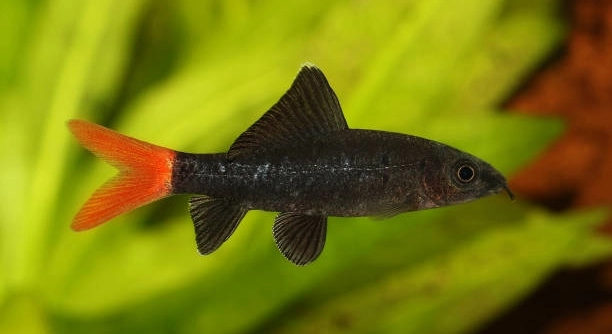
Rainbow sharks are popular aquarium fish known for their vibrant colors and peaceful nature. However, these fish can sometimes show signs of aggression, surprising many owners. Understanding what triggers this behavior is important for maintaining a calm tank environment.
Several factors can cause a rainbow shark to become aggressive, including overcrowding, lack of hiding spots, poor water quality, sudden changes in their environment, improper diet, territorial disputes, and stress from incompatible tank mates. Addressing these issues helps reduce aggression and promote healthier behavior.
Knowing what influences your rainbow shark’s temperament can improve their well-being. The following information will help you identify and manage common causes of aggression effectively.
Overcrowding and Tank Size
Keeping too many fish in one tank can cause stress and aggression in rainbow sharks. These fish need enough space to swim freely and establish their own territory. When the tank is crowded, they may feel threatened and become more aggressive. A tank smaller than 30 gallons is usually not enough for one rainbow shark. In a crowded tank, they compete for space, food, and hiding places. This competition leads to fights and chasing. To keep aggression low, it is important to provide at least 40 gallons for one rainbow shark, and more if you want to keep other fish with them. Providing enough space reduces stress and helps the fish feel safe.
A larger tank gives rainbow sharks room to swim and hide, which lowers their aggression.
If you notice your rainbow shark acting aggressively, first check your tank size and the number of fish inside. Too many fish in a small tank cause constant stress and territorial fights. When fish have enough room, they are calmer and healthier. You can also add decorations or plants to create hiding spots that reduce tension. Giving each fish a space to retreat to can stop chasing and attacks. Always avoid overcrowding, and consider upgrading the tank if it is too small for your fish collection. Regular cleaning and water changes also help keep the environment peaceful. This creates a healthier and happier tank for your rainbow shark and all its tank mates.
Poor Water Quality
Poor water quality can cause stress, leading to aggressive behavior in rainbow sharks. Dirty water increases harmful substances like ammonia and nitrites, which irritate fish and weaken their immune system. Stress from bad water conditions makes rainbow sharks more likely to attack other fish or defend their territory aggressively. Keeping water clean with regular testing and changes is essential. A stable temperature between 72-79°F also helps maintain calm behavior.
Maintaining good water conditions is crucial for reducing aggression.
Testing water parameters weekly and performing partial water changes prevent buildup of toxins. Filters should be checked and cleaned regularly to ensure they work properly. Overfeeding can pollute the water quickly, so feed your fish only what they can eat in a few minutes. Using water conditioners removes harmful chemicals and improves water quality. A clean tank supports the natural behavior of rainbow sharks, making them less aggressive. Clear water and proper care lead to a balanced and peaceful aquarium environment. Monitoring water quality should be part of your regular fish care routine to keep your rainbow shark healthy and calm.
Territorial Behavior
Rainbow sharks are naturally territorial, especially as they grow older. They often claim specific areas of the tank and defend them aggressively. This behavior is more noticeable when multiple rainbow sharks or similar species share the same tank.
When rainbow sharks feel their space is invaded, they chase and nip at other fish to establish dominance. Territorial disputes often occur around decorations, plants, or preferred hiding spots. These fights can cause stress and injury if not managed properly. To reduce territorial aggression, it helps to provide plenty of space and visual barriers. Rearranging tank decorations occasionally can also prevent fish from becoming too attached to one spot. Adding fast-swimming or larger fish that occupy different tank levels may divert attention and reduce conflicts. Understanding and managing territory needs is key to maintaining peace.
Providing separate territories or larger tanks lessens the intensity of these disputes, helping all fish coexist more peacefully.
Stress from Incompatible Tank Mates
Aggression often increases when rainbow sharks share a tank with incompatible fish species. Fish that are too small, slow, or brightly colored can trigger territorial or predatory behavior. Similarly, overly aggressive species can provoke fights and stress. Choosing tank mates carefully is important to maintain balance.
Avoiding species that dwell in the same tank level reduces competition and aggression. Peaceful, similarly sized fish with different swimming zones create a calmer environment. Introducing tank mates gradually helps rainbow sharks adjust to new companions. Monitoring behavior closely after adding new fish allows early detection of aggression. Removing or separating aggressive individuals quickly prevents injury and stress. Selecting compatible tank mates is essential for a peaceful aquarium where rainbow sharks feel secure and less prone to aggressive outbursts.
Sudden Changes in Environment
Rainbow sharks are sensitive to sudden changes in their environment. Moving the tank, changing decorations, or altering water conditions quickly can cause stress and trigger aggression. Keeping a stable environment helps them feel secure.
Gradual changes are better. When changes are necessary, introduce them slowly to avoid shocking your fish.
Improper Diet
An unbalanced diet can lead to irritability and aggressive behavior in rainbow sharks. They need a mix of protein and plant-based foods to stay healthy and calm. Feeding too little or too much can affect their mood.
Ensuring a varied and consistent diet supports their overall well-being and reduces aggression.
Lack of Hiding Spots
Rainbow sharks need hiding spots to retreat and feel safe. A tank without enough places to hide can make them anxious and aggressive. Plants, caves, and decorations provide shelter and reduce stress.
FAQ
Why is my rainbow shark suddenly aggressive?
Aggression in rainbow sharks can appear due to stress, overcrowding, poor water quality, or changes in the tank environment. It may also happen when they feel their territory is threatened by other fish. Checking these factors helps identify the cause and reduce aggression.
How can I stop my rainbow shark from attacking other fish?
Start by ensuring the tank is large enough with proper hiding spots. Avoid overcrowding and choose compatible tank mates. Keep water clean and stable. Providing a balanced diet also lowers stress and aggression.
Can rainbow sharks live with other fish?
Yes, but it depends on the species. Rainbow sharks prefer tank mates that swim at different levels and are not too small or aggressive. Good companions include fast-moving fish or peaceful species that keep to themselves.
What tank size is best for a rainbow shark?
A minimum of 40 gallons is recommended for one rainbow shark. Larger tanks are better if you want to keep more fish. Adequate space prevents territorial disputes and aggression.
How often should I change the water?
Perform a 20-30% water change every one to two weeks. Regular water changes keep toxin levels low and water conditions stable, which helps keep your rainbow shark calm.
What should I feed my rainbow shark?
A mix of high-quality pellets, flakes, and occasional live or frozen foods like bloodworms or brine shrimp works well. Including some vegetable matter like blanched spinach supports their health and mood.
Why does my rainbow shark chase others even though there’s enough space?
Sometimes chasing is part of normal territorial behavior. However, it can also mean your fish is stressed or feels insecure. Adding more hiding spots and rearranging the tank can help break up territories and reduce chasing.
How do I know if my rainbow shark is stressed?
Signs of stress include hiding constantly, loss of color, rapid breathing, and increased aggression. Poor water quality, overcrowding, or incompatible tank mates often cause stress.
Can changing decorations help reduce aggression?
Yes. Rearranging plants, rocks, or caves changes territories and prevents fish from becoming too attached to one area. This reduces territorial fights and helps your rainbow shark feel more secure.
Is it normal for rainbow sharks to be aggressive sometimes?
Yes, some level of aggression is natural as they defend their territory. The goal is to keep this behavior minimal and prevent serious fighting or injury by managing the tank environment carefully.
What should I do if aggression continues despite changes?
If aggression persists, consider separating the aggressive fish temporarily. You may also need to upgrade your tank size or rehome incompatible tank mates. Consulting a fish care expert can provide additional advice.
Final thoughts on managing aggression in rainbow sharks focus on understanding their needs clearly. These fish can be peaceful when their environment is right, but several factors may cause them to act out. Overcrowding, poor water quality, lack of hiding places, and incompatible tank mates are the main reasons aggression develops. Addressing these problems early helps keep your rainbow shark calm and healthy. It is important to provide enough space and stable conditions for your fish to thrive.
Taking care of your rainbow shark means paying close attention to the tank setup and daily care. A large enough tank with proper filtration and regular water changes reduces stress. Including plants, rocks, and caves creates safe spots for your fish to retreat. Choosing the right companions also matters because some fish do not get along well with rainbow sharks. Watching your fish’s behavior regularly helps catch signs of stress or aggression early, so you can adjust the environment or care routine as needed.
Patience is key when dealing with aggressive behavior in rainbow sharks. Changes may take time to show results, and sometimes trial and error is necessary to find the best setup for your tank. Keep feeding a balanced diet and avoid sudden changes that could upset your fish. With consistent care and attention, rainbow sharks often become less aggressive and more enjoyable to watch. Understanding their natural behavior and needs supports a peaceful aquarium for all your fish.

Hello,
If you enjoy the content that we create, please consider saying a "Thank You!" by leaving a tip.
Every little bit helps us continue crafting quality advice that supports the health, happiness, and well-being of pets around the world, for pets of all shapes, sizes, and species.
We really appreciate the kindness and support that you show us!