
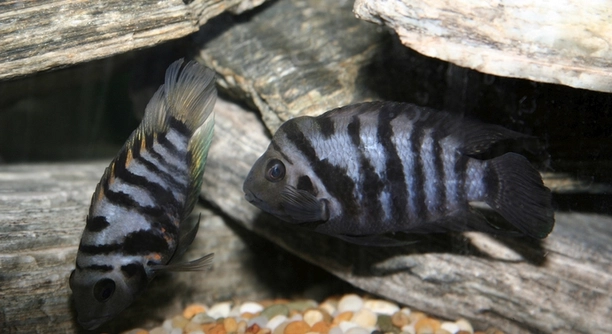
Cichlid tanks require careful attention to maintain a healthy environment for the fish and plants. Balancing the ecosystem helps ensure that all living things thrive together without stress or disease. Proper care creates a more enjoyable and lasting aquarium experience.
Balancing the ecosystem in a cichlid tank involves controlling water quality, managing fish population, providing adequate filtration, maintaining proper feeding habits, incorporating beneficial plants, monitoring waste buildup, and performing regular water changes to promote stability and health.
Knowing how to maintain this balance will support your tank’s long-term success and the well-being of its inhabitants. This guide offers practical steps to help you create a harmonious aquatic environment.
Control Water Quality
Water quality is the foundation of a healthy cichlid tank. Regularly test for ammonia, nitrite, nitrate, and pH levels to keep them within safe ranges. Ammonia and nitrite should be at zero, while nitrate must be kept low through water changes. The pH should match the specific needs of your cichlid species. Temperature is also important; keep it stable to avoid stressing the fish. Using a reliable filtration system helps remove harmful substances and promotes beneficial bacteria growth. Avoid overfeeding, as leftover food breaks down and pollutes the water. Removing uneaten food and cleaning debris regularly helps keep water clear and safe. Paying close attention to water quality creates a supportive environment where cichlids can thrive and stay active.
Maintaining proper water quality requires consistent testing and adjustments. It’s the key to preventing disease and promoting healthy growth in your cichlid tank.
Water quality directly influences fish health and behavior. Poor conditions can cause stress, making fish prone to illness. By controlling water parameters, you create a stable environment that supports the natural balance of the ecosystem, benefiting both fish and plants.
Manage Fish Population
Keeping the right number of cichlids prevents overcrowding and aggression. Overstocking leads to poor water quality and stress. A balanced population helps fish establish territories and reduces fighting. Choose species that can coexist peacefully and match their adult sizes to your tank capacity. Monitor fish behavior closely to identify any signs of stress or aggression. Removing overly aggressive individuals can protect the overall balance. Providing enough hiding spots and territories also helps reduce conflict. A well-managed population keeps the ecosystem stable and your cichlids healthy.
Proper fish management supports a peaceful and balanced tank.
Overcrowding disrupts the ecosystem by increasing waste and stressing fish. It can also damage plants and the tank’s structure. When population is managed carefully, fish have enough space and resources to live comfortably. This balance minimizes competition and supports natural behaviors. Adding fish gradually allows the filtration system to adjust. Avoid sudden changes in fish numbers, as this can unbalance the tank. Keeping population in check is a simple but essential step for a balanced cichlid tank.
Provide Adequate Filtration
Filtration keeps the water clean and clear by removing waste and toxins. It supports beneficial bacteria that break down harmful substances. A good filter matches your tank size and fish load for optimal performance.
Using a filter with mechanical, chemical, and biological stages is ideal. Mechanical filtration traps debris, chemical filtration removes impurities, and biological filtration encourages beneficial bacteria growth. Regular cleaning of the filter media is necessary but avoid replacing all media at once, so helpful bacteria remain active. Proper filtration reduces ammonia and nitrite spikes that stress fish and disrupt the ecosystem.
Filters also help circulate water, improving oxygen levels. Consistent filtration maintains a healthy environment where cichlids can grow and behave naturally. Skimping on filtration can lead to poor water quality and unhealthy fish.
Maintain Proper Feeding Habits
Overfeeding is a common problem that causes water pollution and health issues. Feed your cichlids only what they can eat in a few minutes, once or twice daily. Removing uneaten food prevents waste buildup.
Balanced diets include high-quality pellets, flakes, and occasional live or frozen foods. Avoid over-relying on one food type to meet nutritional needs. Variety keeps cichlids healthy and vibrant. Feeding smaller portions more often helps prevent excess waste and keeps fish active. Observe your fish during feeding to ensure all are eating properly, especially shy individuals. Proper feeding habits support water quality and fish well-being in the long term.
Incorporate Beneficial Plants
Live plants improve water quality by absorbing nitrates and producing oxygen. They create hiding spots and reduce stress for cichlids. Choose hardy plants that tolerate your tank’s conditions.
Plants also compete with algae for nutrients, helping to keep algae growth under control. Proper lighting and substrate will support healthy plant growth and a balanced ecosystem.
Monitor Waste Buildup
Fish produce waste that can accumulate and harm water quality. Regular cleaning removes excess waste before it becomes toxic. Pay attention to uneaten food and debris on the tank bottom.
Using a gravel vacuum during water changes helps remove detritus and keeps the substrate clean. Staying on top of waste buildup prevents ammonia and nitrate spikes.
Perform Regular Water Changes
Water changes dilute toxins and replenish minerals. Changing 20-30% of the water weekly keeps the tank stable. Avoid removing too much water at once, which can stress fish.
Regular water changes maintain balance by reducing nitrate levels and refreshing oxygen content. This simple step is essential for a healthy cichlid environment.
FAQ
How often should I test the water in my cichlid tank?
Testing the water once a week is usually enough for most tanks. If you are new to cichlid keeping or notice any signs of stress in your fish, increase testing to twice a week. Consistent monitoring helps catch problems early and keeps the ecosystem balanced.
What is the best type of filter for a cichlid tank?
A filter with mechanical, chemical, and biological stages works best. Canister filters are popular for their efficiency and capacity. Hang-on-back filters also provide good filtration for smaller tanks. Choose one that matches your tank size and fish load to maintain optimal water quality.
Can I keep different species of cichlids together?
Some species can live peacefully together if their sizes, temperaments, and water needs are compatible. Avoid mixing overly aggressive cichlids or those that have very different environmental requirements. Research each species carefully before combining them.
How do I prevent algae growth in my tank?
Maintaining proper lighting, regular water changes, and not overfeeding helps control algae. Adding live plants competes with algae for nutrients. If algae still appears, reduce light duration or consider algae-eating fish or snails compatible with cichlids.
What should I do if my fish become aggressive?
Aggression can result from overcrowding or lack of hiding spaces. Try rearranging decorations to break territories, add more hiding spots, or remove aggressive fish if necessary. Managing population and environment reduces stress and conflict.
How often should I feed my cichlids?
Feed your cichlids once or twice daily, only giving as much food as they can eat in a few minutes. Overfeeding leads to water quality problems. Use varied diets including pellets, flakes, and occasional live or frozen foods for balanced nutrition.
Is it necessary to use water conditioners?
Yes, water conditioners remove harmful chemicals like chlorine and chloramine from tap water. Always treat new water before adding it to the tank to protect your fish and maintain a healthy ecosystem.
Can plants survive with cichlids?
Many hardy plants can thrive in cichlid tanks, but some species may uproot or eat delicate plants. Choose sturdy plants like Java fern or Anubias that can tolerate cichlid behavior and water conditions.
What temperature is ideal for cichlid tanks?
Most cichlids do well in water between 75°F and 82°F (24°C to 28°C). Keep the temperature stable, as fluctuations stress fish and disrupt the ecosystem. Use a reliable heater and thermometer to monitor temperature.
How do I know if water changes are effective?
Clear water, healthy fish behavior, and stable test results indicate effective water changes. Regular partial water changes prevent toxin buildup and support a balanced tank environment. Adjust frequency based on tank size, stocking, and filtration.
Balancing the ecosystem in a cichlid tank takes attention and care, but the results are worth the effort. When water quality is maintained, fish populations are managed well, and feeding habits are controlled, the tank becomes a stable and healthy environment. Using proper filtration and including live plants further supports this balance. Regular cleaning and water changes also help keep the tank free from harmful buildup. Each step plays an important role in creating an environment where cichlids can live comfortably and display their natural behaviors. Taking the time to understand these basics makes it easier to avoid common problems and ensures a more successful aquarium.
It’s important to remember that every cichlid tank is unique. Factors like the species you keep, the tank size, and your local water conditions will influence how you care for your setup. Monitoring your tank regularly allows you to notice changes early and respond before issues grow. Patience is key; sometimes adjustments take time to show positive effects. Consistency in maintenance routines makes a big difference in the long run. While it may seem like a lot at first, maintaining balance becomes second nature with practice and experience. The healthier the environment, the happier your cichlids will be, and the more enjoyable your aquarium will become.
Ultimately, creating a balanced ecosystem is about working with nature inside your tank. Supporting water quality, fish health, and plant life all together helps build a system that sustains itself. This reduces stress on both the fish and the caretaker. As you apply these practices, you may find your cichlids thriving more than ever before. It is rewarding to watch them interact and grow in a healthy tank. By staying mindful of the ecosystem’s needs and making small adjustments as needed, you can keep your cichlid tank balanced and beautiful for years to come.

Hello,
If you enjoy the content that we create, please consider saying a "Thank You!" by leaving a tip.
Every little bit helps us continue crafting quality advice that supports the health, happiness, and well-being of pets around the world, for pets of all shapes, sizes, and species.
We really appreciate the kindness and support that you show us!