
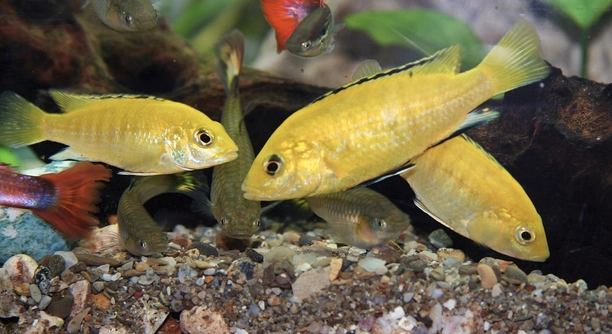
Electric Yellow Cichlids are bright, lively fish that add energy to any aquarium. Many fishkeepers enjoy their striking color and playful personality, but some may feel cautious about handling them or introducing them to other fish in their tank.
Electric Yellow Cichlids can bite, but their aggression is generally moderate. Biting usually occurs during feeding, breeding, or territorial disputes. Understanding their behavior and providing adequate space and hiding spots helps minimize biting incidents in home aquariums.
Learning about their habits and temperaments can make caring for these vibrant fish easier and more enjoyable for any aquarist.
Why Electric Yellow Cichlids Bite
Electric Yellow Cichlids bite mainly due to territorial instincts and breeding behavior. They are naturally protective of their space and may nip at other fish that come too close. Biting is also more common during feeding, as these fish are competitive and eager to secure food. Understanding their social hierarchy in the tank is crucial to reducing aggression. Providing plenty of hiding spots, decorations, and enough room allows each fish to establish its own territory without constant confrontation. Regular observation helps identify any patterns of aggression so adjustments can be made quickly. Temperature, water quality, and diet also play a role in maintaining calm behavior. When their environment is well-managed, biting incidents are less frequent. Electric Yellow Cichlids can coexist peacefully with other fish if these guidelines are followed. With careful planning, they become enjoyable and colorful members of a home aquarium, showing personality without excessive aggression.
Proper tank setup and monitoring behaviors significantly reduce the risk of bites. Observing interactions is key.
Attention to tank size, decorations, and social groupings ensures your cichlids remain healthy and less aggressive, fostering a balanced aquatic environment for all inhabitants.
Preventing Bites in Your Aquarium
Limiting biting starts with providing enough space and hiding spots. Electric Yellow Cichlids need at least 30 gallons for a small group.
Proper feeding routines, tank maintenance, and compatible fish selection are essential to prevent aggression. Monitor interactions regularly to adjust tank setup if biting increases. Avoid overcrowding, as it often triggers defensive behavior. Using rocks and plants creates natural boundaries. Establishing a feeding schedule reduces competition and lowers stress levels. Choose fish with similar temperament to maintain peace. Regular water changes and monitoring parameters ensure fish remain healthy, preventing irritation that could lead to biting. Observing each cichlid helps identify potential instigators or overly shy fish. Adjusting tank layout or separating fish temporarily may be necessary in some cases. With consistent care, bites can be minimized, making the aquarium environment enjoyable and safe. Patience and attention to detail are key to maintaining harmony.
Signs Your Electric Yellow Cichlid Might Bite
Nipping at fins, chasing other fish aggressively, or sudden lunges are common signs of potential biting. Watching these behaviors early helps prevent injuries and allows adjustments to tank conditions before problems escalate.
Aggression often appears when a fish feels its territory is threatened. Electric Yellow Cichlids may suddenly swim quickly toward another fish or snap their mouths as a warning. Feeding time can trigger additional nips if they feel competition for food. Noticing repeated aggressive patterns allows you to make changes, such as adding rocks or plants to create boundaries.
Some biting results from stress or overcrowding. High fish density, poor water quality, or incompatible tank mates can increase agitation. Providing space, hiding spots, and maintaining proper water conditions helps reduce tension and limits biting. Careful observation ensures you identify the main triggers for each fish.
Managing Aggression in Mixed Tanks
Separating aggressive fish or adding visual barriers can lower biting incidents. Electric Yellow Cichlids respond well to clearly defined territories within the tank.
Choosing tank mates with similar size and temperament minimizes conflict. Avoid placing timid or slow-moving fish with aggressive cichlids. Regular feeding routines help reduce competition, while hiding spaces allow stressed fish to retreat. Maintaining water quality and monitoring behaviors ensures a balanced environment. Occasionally rearranging tank decor can disrupt established dominance and prevent persistent bullying. Observing interactions and adjusting the setup early keeps the tank peaceful. By managing territory, diet, and companions, biting becomes less frequent and the aquarium remains harmonious.
Understanding Territorial Behavior
Electric Yellow Cichlids mark their space and defend it vigorously. They may chase or nip other fish that enter their established areas. Recognizing these boundaries in the tank can help reduce conflicts and create a calmer environment.
Territorial disputes often peak during breeding periods. Males become more protective and may bite more frequently. Providing additional hiding spots and separating overly aggressive fish temporarily can prevent serious injuries. Observing these behaviors helps maintain harmony among all tank inhabitants.
Feeding and Biting
Competition for food can trigger nipping. Feeding multiple areas of the tank reduces conflict and ensures all fish get enough nutrition.
Choosing Compatible Tank Mates
Pair Electric Yellow Cichlids with similarly sized, semi-aggressive fish. Avoid slow, timid species that may become frequent targets of biting. Proper selection minimizes aggression and promotes balance.
Tank Setup Tips
Using rocks, caves, and plants creates natural boundaries. These structures help reduce stress and prevent territorial clashes in the aquarium.
FAQ
Do Electric Yellow Cichlids bite humans?
Yes, they can nip if they feel threatened or stressed, but bites are usually minor. Handling should be gentle and limited, as these fish are more prone to bite when removed from water or during tank maintenance. Avoid putting your fingers directly in areas where they are feeding or guarding a territory. Using tools like nets or feeding tongs reduces the risk of being bitten and keeps both you and the fish safe.
Why is my cichlid biting other fish?
Biting often happens because of territorial instincts, stress, or competition for food. Electric Yellow Cichlids naturally establish hierarchies in the tank. Overcrowding or lack of hiding spots can increase aggression. Observing which fish are repeatedly targeted helps determine whether adjustments like rearranging decor or separating aggressive individuals are needed. Providing ample space and visual barriers can reduce conflicts and prevent injuries.
When does biting increase the most?
Biting usually spikes during feeding times, breeding, or when new fish are introduced. Males become more aggressive when protecting a spawning area. Providing multiple feeding points and carefully managing tank introductions helps reduce stress-induced aggression. Watching fish behavior over time allows you to anticipate conflicts and intervene early, maintaining a calmer environment for all tank inhabitants.
Can diet affect biting behavior?
Yes, diet plays a role. Inadequate or inconsistent feeding can increase competition and nipping. Offering a balanced diet, including flakes, pellets, and occasional live or frozen food, keeps fish satisfied and less likely to fight. Feeding at consistent times and ensuring all fish get enough reduces stress and supports healthy social behavior in the tank.
Do Electric Yellow Cichlids bite more in small tanks?
Smaller tanks limit space and make territorial disputes more frequent. Aggression increases when fish feel crowded or unable to escape from dominant individuals. Providing a larger tank with at least 30 gallons for a small group and adding decorations, rocks, or plants for hiding spots helps manage territorial behavior and lowers biting incidents.
How can I safely handle my cichlid?
Minimize direct contact by using nets or containers during cleaning or moving fish. Avoid sudden movements and stress triggers, as cichlids may bite defensively. If you need to interact with them in the tank, ensure feeding areas and territories are not disturbed, which helps prevent accidental nips and keeps the fish calm.
Are some Electric Yellow Cichlids more aggressive than others?
Yes, individual temperament varies. Males are usually more territorial and prone to biting than females. Age, size, and social hierarchy also influence behavior. Observing patterns in aggression helps identify which fish may need more space or temporary separation to maintain peace in the aquarium.
Will biting stop over time?
Biting often decreases as fish establish a stable hierarchy and territories. Consistent tank management, proper feeding, and adequate space encourage natural social behavior. Some minor nipping may continue, but serious aggression usually diminishes once dominance and boundaries are clearly established.
Can biting harm other fish seriously?
Repeated nips can cause stress, fin damage, or infection in other fish. Monitoring interactions and intervening when injuries occur is important. Adding hiding places, rearranging the tank, or separating aggressive fish temporarily helps prevent long-term harm and supports a balanced, healthy environment.
What signs show biting is becoming a problem?
Persistent chasing, torn fins, and stress behaviors indicate excessive aggression. If injuries become frequent or a fish is isolated, it may be necessary to adjust tank layout, introduce visual barriers, or temporarily remove the aggressor. Prompt action prevents escalation and protects all fish in the aquarium.
Electric Yellow Cichlids are vibrant, active fish that bring energy and color to any aquarium. Their lively personalities make them appealing to many fishkeepers, but they do require attention to behavior and tank setup. Biting is a natural part of their instinctive behavior, mainly linked to territory, breeding, and competition for food. Observing your fish regularly and understanding the situations that trigger aggression is essential to keeping a peaceful tank. With proper planning, these bites can be managed, and the fish can coexist without constant conflict. Creating an environment that provides enough space and hiding spots ensures that each fish can feel secure while minimizing stress. Their territorial nature does not mean they are uncontrollable; careful management and monitoring can maintain harmony. Paying attention to their habits helps prevent unexpected injuries to other fish and avoids potential frustration for you as the caretaker. Knowing that some nipping is natural can help adjust expectations and approaches to handling them.
Proper tank size and layout are key to reducing biting behavior. Electric Yellow Cichlids need space to establish their own territories, and overcrowding increases aggression. Including rocks, plants, and caves provides visual barriers and hiding places, which can significantly decrease stress and prevent fights. Feeding routines also influence behavior, as competition for food is a common cause of nipping. Offering multiple feeding points ensures all fish receive adequate nutrition and reduces tension in the tank. Selecting compatible tank mates is another crucial factor; choosing fish with similar size and temperament helps prevent ongoing disputes. Maintaining consistent water quality, temperature, and filtration is equally important because unhealthy conditions can make fish more irritable and prone to biting. Regular observation allows for adjustments before problems escalate, such as rearranging tank décor or temporarily separating overly aggressive individuals. Understanding these environmental and social factors allows you to enjoy the fish’s vibrant colors and personality without frequent issues.
Biting is not a sign of failure in fishkeeping, but rather an aspect of understanding Electric Yellow Cichlids’ natural behavior. With patience, planning, and attention, you can create a safe and stimulating environment where aggression is minimized. Recognizing signs of stress, territorial behavior, and feeding-related nipping helps in making timely interventions. Over time, most cichlids settle into a hierarchy, reducing conflict and allowing for smoother coexistence. Following simple strategies like providing sufficient space, feeding appropriately, and monitoring social interactions can prevent serious injuries and keep the aquarium balanced. These steps not only protect other fish but also support the overall well-being of your cichlids, allowing them to thrive. Maintaining a structured, calm, and enriched environment ensures that you can enjoy their vibrant presence and unique personalities without constant worry about biting. With the right approach, Electric Yellow Cichlids can remain a colorful, engaging, and relatively peaceful addition to your aquarium for many years.

Hello,
If you enjoy the content that we create, please consider saying a "Thank You!" by leaving a tip.
Every little bit helps us continue crafting quality advice that supports the health, happiness, and well-being of pets around the world, for pets of all shapes, sizes, and species.
We really appreciate the kindness and support that you show us!