
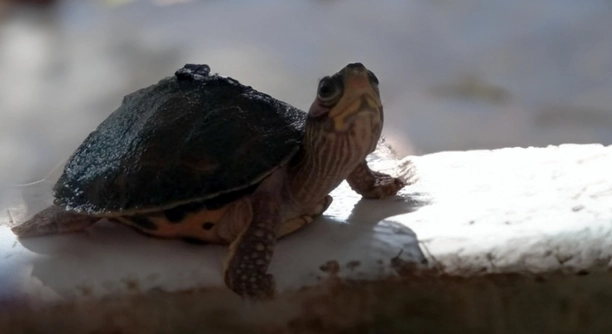
Tortoises are fascinating pets, but their behavior can sometimes be puzzling. If you’ve noticed your Indian roofed tortoise constantly trying to climb out of its enclosure, you’re not alone. Many tortoise owners wonder about this behavior.
The main reason your Indian roofed tortoise keeps trying to climb out is likely due to its natural instincts and search for more space. Tortoises are curious and often attempt to explore their environment when they feel confined or stressed.
Understanding the reasons behind your tortoise’s behavior can help you create a more comfortable and enriching environment for your pet.
Why Your Tortoise Might Be Bored
Indian roofed tortoises are naturally curious creatures that love to explore. If your tortoise is constantly trying to climb out, it might be a sign that it’s not getting enough mental stimulation. These tortoises are known to roam large areas in the wild, so a small, static enclosure can feel restrictive to them. When they are bored, climbing is often an outlet for their energy.
They need an environment that mimics their natural habitat, filled with plenty of room to roam. This helps reduce stress and keeps them engaged. If the enclosure is too small or lacks variety in terms of terrain, your tortoise might try to escape in search of something more stimulating.
Consider adding natural elements like rocks, logs, and different types of substrate to make the environment more interesting. This way, your tortoise can climb and explore in a safe, controlled manner, without attempting to escape in search of adventure.
The Impact of Temperature
Another factor to consider is temperature. If your tortoise feels too hot or too cold in its enclosure, it may try to leave in search of a more comfortable spot. Temperature regulation is essential for your pet’s well-being, as it affects their digestion and overall health.
Maintaining the right temperature gradient in the enclosure, with a warm basking area and cooler spaces, will help your tortoise feel more at ease. Make sure the setup allows your tortoise to choose where it wants to go based on its needs.
Stress and Anxiety
Stress can be another reason your tortoise is trying to climb out. When tortoises feel threatened or unsafe, they may attempt to escape their enclosures. This could be caused by too much noise, unfamiliar smells, or even the presence of other animals.
A common cause of stress in tortoises is the lack of hiding spots. They need places to retreat and feel secure. If your tortoise doesn’t have a safe space where it can rest and relax, it may try to escape to find a place where it feels safer. Adding hides or darker areas in the enclosure can help reduce stress levels.
Additionally, changes in the environment, such as moving the enclosure to a different location, can cause anxiety. Tortoises thrive on routine, so sudden changes may disrupt their comfort. It’s important to keep their environment as stable and predictable as possible to reduce stress-related behaviors like climbing out.
Inadequate Enclosure Size
If the enclosure is too small, your tortoise may feel cramped and constantly search for more space. A larger habitat offers more opportunities for movement, exploration, and natural behavior, reducing the urge to climb out. A cramped space can also limit access to essential resources like food, water, and heat, adding to the discomfort.
Indian roofed tortoises are terrestrial, which means they are used to roaming large areas. To keep your pet happy and healthy, its enclosure should be spacious enough to allow for free movement. Ideally, your tortoise should have enough space to turn around easily, move towards different environmental features, and dig if it wishes to. Providing a more generous space will likely discourage escape attempts and help your tortoise live a more fulfilling life.
Health Issues
Sometimes, a tortoise might try to climb out due to health problems. Pain or discomfort from an injury or illness can make them restless. If your tortoise isn’t feeling well, it may try to escape in search of a more comfortable space.
If you notice other signs like loss of appetite, lethargy, or abnormal behavior, it’s best to take your tortoise to a vet. Certain health issues can affect its mobility or overall well-being, making it want to leave its enclosure. Regular check-ups are important to ensure your tortoise is healthy and stress-free.
Feeding and Diet
An imbalanced diet can also lead to climbing behavior. Tortoises that aren’t getting the right nutrition may feel weak or uncomfortable, prompting them to search for food outside their enclosure. It’s crucial to provide a diet rich in fiber and appropriate for their species.
Make sure your tortoise’s food consists mainly of leafy greens, flowers, and some fruits. Providing variety in their diet will keep them healthy and satisfied, reducing the likelihood of them seeking food elsewhere. Also, ensure the food is fresh and free of pesticides to avoid any health complications.
Lighting and UVB Needs
Proper lighting is essential for your tortoise’s health and comfort. Without UVB light, your tortoise won’t be able to properly digest calcium, leading to issues with its bones and overall health. Poor lighting can also make the enclosure feel less inviting, which might encourage your tortoise to climb out in search of better conditions.
If you haven’t already, invest in a high-quality UVB lamp and ensure it’s positioned properly within the enclosure. The light should cover a significant portion of the habitat so your tortoise can bask and stay healthy.
FAQ
Why is my tortoise trying to climb out of its enclosure?
Your tortoise might be trying to climb out for a few reasons, including boredom, stress, or simply the instinct to explore. In the wild, tortoises roam large areas and have more freedom. If they feel restricted in an enclosure that’s too small, lacking stimulation, or even too hot or cold, they might attempt to escape. This is their way of seeking more space or a more comfortable environment. Ensuring the enclosure is spacious and enriched with items like rocks, logs, and hiding places can reduce this behavior.
How can I stop my tortoise from climbing out?
To stop your tortoise from climbing out, start by evaluating its environment. Make sure the enclosure is large enough for it to move around freely. Adding natural elements like rocks, plants, and tunnels will keep it entertained. Additionally, ensure the habitat is properly heated, with a warm basking area and cooler spaces. Regularly check the temperature and humidity levels to make sure they’re within the optimal range. If stress is a factor, consider adding more hiding spots to give your tortoise a sense of security.
Can I use a taller enclosure to prevent climbing?
A taller enclosure might help prevent some climbing attempts, but it’s not a guaranteed solution. Tortoises are surprisingly strong and determined creatures. A taller wall could deter some climbing, but your tortoise may still try to climb if it feels stressed or restricted. Instead of just focusing on height, ensure the enclosure is large enough in length and width to allow for natural movement. Adding obstacles, such as rocks or logs, within the enclosure can also help break up any climbing attempts.
How do I know if my tortoise is stressed?
Tortoises show signs of stress in various ways. If your tortoise is constantly pacing, trying to climb, or hiding more than usual, these could be signs that it’s stressed. Other signs include lack of appetite, lethargy, or abnormal behavior, such as aggression or excessive hiding. Changes in the environment or handling can also contribute to stress. If these signs persist, it’s essential to check the enclosure’s conditions, including temperature, lighting, and space. In severe cases, it may be worth consulting a vet.
What is the best type of substrate for my tortoise’s enclosure?
The best substrate for your tortoise depends on its species and natural habitat. For Indian roofed tortoises, a mixture of coconut coir, soil, and sand works well as it retains moisture, provides texture for digging, and mimics their natural environment. You should avoid substrates that can cause impaction, like loose gravel or fine sand. Keep the substrate dry enough to prevent mold growth, but also ensure that it retains some moisture to help maintain the right humidity. Regularly clean the substrate to prevent bacteria buildup and keep the environment healthy.
Should I add water to my tortoise’s enclosure?
Yes, providing water is important for your tortoise’s hydration, especially if it’s a species that requires higher humidity. However, make sure the water dish is shallow enough to prevent drowning. Tortoises often drink from standing water, and they may also soak in it to help with hydration and shedding. The water should be changed daily to ensure it stays clean. Additionally, you can use a humidifier or mist the enclosure occasionally to maintain the right humidity levels for your tortoise.
Can my tortoise live with other pets?
While some tortoises may tolerate living with other pets, it’s generally not recommended to house them with other animals, especially those that might pose a threat. For example, birds or predatory animals may stress out your tortoise. Even other reptiles can be a problem, as some might fight for territory or resources. It’s always best to keep your tortoise in its own space, where it feels safe and secure. If you plan to introduce other animals, ensure they are compatible and closely monitor their interactions to avoid stress or harm.
How often should I feed my tortoise?
The feeding schedule for your tortoise depends on its age, size, and species. Young tortoises need to eat more frequently—typically once a day—while adult tortoises can be fed every other day or a few times a week. In general, tortoises are herbivores, so their diet should consist of leafy greens, flowers, and a small amount of fruit. It’s important to provide variety and avoid overfeeding to prevent obesity. Always offer fresh food and ensure they have access to clean water at all times. Make sure the food is free from pesticides, as these can be harmful.
How can I tell if my tortoise is healthy?
A healthy tortoise will be active, alert, and curious. It should be eating regularly, with a good appetite, and should not appear excessively lethargic. Healthy tortoises also have smooth, firm shells with no signs of damage or irregularities. Their eyes should be clear, and they should be able to move easily without signs of pain. If your tortoise has difficulty walking, refuses food, or shows signs of injury, these are indicators that something might be wrong. Regular veterinary check-ups are essential to ensure your tortoise stays healthy.
Is it normal for my tortoise to burrow?
Yes, burrowing is completely normal for tortoises, especially if they’re given the right conditions. Tortoises often dig or burrow to create a comfortable, cooler spot to rest, or to escape extreme temperatures. In the wild, they burrow to protect themselves from predators and harsh weather. If your tortoise is burrowing in its enclosure, make sure the substrate is deep enough to allow for this behavior. You should also ensure that the enclosure has adequate temperature and humidity levels to make burrowing safe and beneficial.
Final Thoughts
Understanding why your Indian roofed tortoise is trying to climb out of its enclosure can help you provide a better environment for it. It’s common for tortoises to feel confined or restless, especially if their space is too small or lacks variety. When a tortoise starts attempting to climb, it’s often a sign that it needs more mental stimulation, room to move, or a change in its habitat. By identifying the root cause, you can address the issue and create a more comfortable space that meets your tortoise’s natural needs.
Ensuring your tortoise’s enclosure is the right size and filled with engaging features is essential for its well-being. The enclosure should have enough room for your tortoise to move freely and explore. Adding different textures, climbing surfaces, and hiding spots will make the environment more stimulating. Remember that temperature and lighting are also crucial factors to consider. Without the right conditions, your tortoise may feel uncomfortable and stressed, leading to behavior like trying to escape. Maintaining a stable environment with proper temperature, humidity, and lighting will help reduce these climbing attempts and promote a healthier, happier pet.
Lastly, it’s important to be patient and observe your tortoise’s behavior. Regularly checking its health, diet, and the overall conditions of its habitat will help ensure that it is living in a safe and comfortable environment. If climbing persists despite making changes to its enclosure, it may be worth consulting a vet to rule out any underlying health problems. By staying attentive to your tortoise’s needs and adjusting its habitat accordingly, you can improve its quality of life and prevent the frustration of climbing attempts.

Hello,
If you enjoy the content that we create, please consider saying a "Thank You!" by leaving a tip.
Every little bit helps us continue crafting quality advice that supports the health, happiness, and well-being of pets around the world, for pets of all shapes, sizes, and species.
We really appreciate the kindness and support that you show us!