
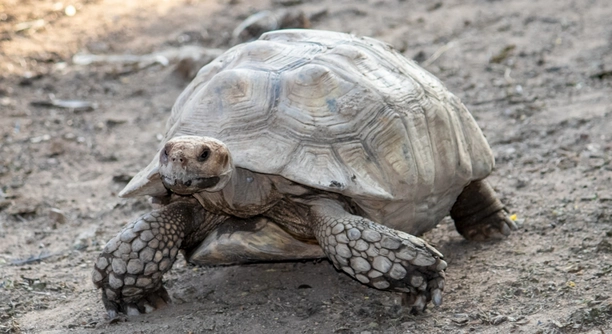
Has your sulcata tortoise recently stopped eating as much as usual? This change in eating habits can raise concerns, but understanding the potential causes can help you address the issue. Let’s explore why this might be happening.
The main reasons your sulcata tortoise may eat less include changes in temperature, illness, stress, or a shift in diet. Environmental factors like cooler temperatures often cause slower digestion, while health problems or stress can lead to decreased appetite.
There are various factors that can affect your tortoise’s eating habits. Understanding these can help ensure your sulcata remains healthy and happy.
Temperature Changes and Its Effects on Appetite
If your sulcata tortoise is eating less, one of the first things to check is the temperature in its environment. These reptiles are cold-blooded, meaning they rely on external heat sources to regulate their body temperature. When temperatures drop, their metabolism slows down, leading to a decrease in appetite. Tortoises generally become less active in cooler conditions, which could explain why they’re not eating as much.
Sometimes, a minor change in the weather or a sudden drop in room temperature can impact their feeding behavior. If your tortoise is kept outdoors, colder seasons might affect its food intake. Similarly, if you’re keeping your pet indoors, ensure its habitat stays warm enough for it to thrive.
Maintaining a consistent temperature, ideally between 85°F and 95°F during the day, is crucial for their health and appetite. Use a heat lamp or a basking spot to provide the necessary warmth for digestion. Without the right environment, your sulcata will not feel the need to eat as much, which can lead to poor nutrition.
Illness and Stress Could Play a Role
Changes in appetite may also stem from illness or stress. Any signs of lethargy, abnormal behavior, or changes in the shell can indicate health issues. Stress can come from environmental changes, loud noises, or handling. If your tortoise feels threatened, it may stop eating altogether. Keeping their environment stable and quiet is essential.
In case of illness, it’s important to act quickly. A visit to the vet can help identify underlying health problems that could be affecting your tortoise’s appetite. Avoiding stress by providing a calm and secure environment will help them feel comfortable enough to eat regularly.
Changes in Diet
A sudden decrease in your tortoise’s food intake could be due to a shift in its diet. Sulcata tortoises are herbivores and need a variety of high-fiber greens. If their food is too dry or lacking in nutrients, they may stop eating. Keep their meals balanced and fresh to ensure they stay interested in food.
Ensure that your sulcata gets a mix of grass, hay, and dark leafy greens. Offering a variety helps mimic their natural diet and keeps them engaged in eating. Avoid giving too much fruit or high-calcium vegetables, as this can upset their digestion and reduce their appetite.
Also, check if the food is clean and free from pesticides or chemicals, as this can discourage eating. The food should be fresh and safe for them to consume. When the diet changes or becomes unappealing, it may cause your tortoise to eat less, leading to potential health concerns.
Overfeeding and Its Impact
Overfeeding can sometimes result in reduced appetite. If you’re offering too much food, your tortoise may not feel hungry enough to finish its meals. This can be a common issue when owners try to ensure their pet is well-fed, but it’s essential to balance portion sizes.
Overfeeding can also lead to an unhealthy weight gain, which can further cause a lack of interest in food. To prevent this, feed your tortoise an appropriate amount of food based on its age, size, and activity level. Avoid leaving too much food in its enclosure at all times, as this can lead to uneaten food spoiling and affecting your tortoise’s health.
Moderation is key when feeding your sulcata tortoise. Providing enough food for it to remain healthy without overfeeding will help maintain its appetite and energy levels. Too much food can lead to lethargy and loss of interest in eating. Keep an eye on its body condition to ensure it’s not gaining excessive weight.
Parasites and Health Issues
Internal parasites can cause your sulcata tortoise to eat less. These parasites affect digestion, causing discomfort, bloating, and reduced appetite. If you notice any signs of diarrhea, lethargy, or weight loss, it’s important to have your tortoise checked by a vet for potential parasite issues.
Parasites can sneak into the tortoise’s system through contaminated food, water, or poor enclosure hygiene. If your tortoise stops eating and shows signs of illness, a vet check-up is necessary. Proper deworming and maintaining a clean living space will help avoid parasitic infections that affect appetite and overall health.
Dehydration and Its Effect
Dehydration is another factor that could make your tortoise eat less. If it isn’t drinking enough water, it might become lethargic and lose interest in food. Ensure fresh water is available at all times and monitor your tortoise’s hydration levels closely.
A hydrated tortoise is more likely to maintain a healthy appetite and stay active. Lack of water can lead to constipation, making eating more difficult. Offer water and mist your tortoise with fresh, clean water occasionally, especially during dry seasons, to help keep it hydrated and encourage feeding.
FAQ
Why is my sulcata tortoise eating less than usual?
A decrease in appetite is often linked to changes in temperature, diet, or stress. If the environment has become colder, your tortoise’s metabolism may slow, causing it to eat less. Similarly, changes in its food or stress from handling can lead to reduced food intake. If you notice any other signs of illness, it’s a good idea to consult a vet to rule out health issues.
How can I tell if my tortoise is sick?
Signs that your tortoise might be sick include lethargy, watery eyes, abnormal breathing, changes in shell appearance, or diarrhea. If your sulcata is eating less and shows any of these signs, it’s important to get a professional opinion. Sometimes, subtle symptoms can point to more serious health concerns.
What temperature should my tortoise’s habitat be?
A sulcata tortoise needs a temperature range of about 85°F to 95°F during the day. At night, it can drop slightly but should never fall below 70°F. A consistent temperature will help regulate their digestion and appetite. Using a heat lamp or basking area helps ensure they stay warm enough to feed properly.
How much should I feed my sulcata tortoise?
A sulcata tortoise needs a diet of mostly grasses, hay, and some leafy greens. It’s important not to overfeed, as they are prone to obesity, which can reduce their appetite. A good rule of thumb is to provide an amount of food that is about the size of their shell every day, adjusting as necessary for their size and age.
Can dehydration cause a loss of appetite in my tortoise?
Yes, dehydration can make your tortoise lethargic and uninterested in eating. Make sure your tortoise has access to fresh water at all times. Regularly misting them, especially in drier climates or during the colder months, can help ensure they stay hydrated.
Is it normal for my tortoise to not eat for a day or two?
It’s not unusual for a sulcata tortoise to skip a meal every once in a while, especially if environmental conditions or diet have changed. However, if this becomes a regular occurrence or is accompanied by other concerning symptoms, it’s best to investigate further. A few days without eating might not be harmful, but longer periods of reduced food intake can be concerning.
Should I be concerned if my tortoise loses weight?
Weight loss in tortoises can indicate several issues, including poor diet, dehydration, or illness. If your sulcata tortoise is eating less and losing weight, you should monitor its behavior closely and consider a vet check-up to rule out any health problems. If your tortoise is eating well but still losing weight, an underlying condition could be to blame.
Can stress cause my tortoise to eat less?
Yes, stress is a common factor in a tortoise’s reduced appetite. Stressors like loud noises, changes in the environment, or frequent handling can cause a sulcata tortoise to become anxious, which can impact its eating habits. Reducing stress by keeping its habitat quiet and stable can help encourage normal eating behaviors.
Is it okay to feed my sulcata tortoise fruit?
Fruit should only be given in moderation. While sulcata tortoises enjoy fruit, too much can upset their digestive system and lead to reduced appetite. Stick to offering fruit as an occasional treat, while focusing on high-fiber greens and grasses for their main diet.
Can I overfeed my sulcata tortoise?
Overfeeding can lead to obesity, which might cause a lack of interest in food or make your tortoise less active. If you’re giving them too much food, they may not feel hungry and might refuse meals. It’s crucial to find a balance and provide appropriate portions based on their size and age. Keep track of their body condition and adjust portions as needed.
How do I keep my sulcata tortoise’s shell healthy?
A healthy diet and regular exposure to sunlight or UVB lighting are key to maintaining a strong shell. Make sure they have enough calcium in their diet to help their shells grow properly. Also, ensure they have plenty of room to roam, as exercise helps keep their shell in good condition. Avoid rough surfaces or potential injury to the shell, as damage can cause long-term issues.
Final Thoughts
If your sulcata tortoise is eating less, it’s important to carefully consider all possible causes. Changes in temperature, diet, stress, and health issues can all play a role. By monitoring its environment and making necessary adjustments, you can help your tortoise regain its appetite. Sometimes, a small change like adjusting the temperature or adding a new food item can make a difference. However, if your tortoise continues to eat less or shows other signs of illness, a visit to the vet is always a good idea.
Ensuring your tortoise is healthy and comfortable requires consistent attention. Make sure its habitat has the right temperature, humidity, and space for movement. A proper diet is essential for maintaining not only their appetite but also their overall health. Regularly providing fresh food and water, avoiding overfeeding, and preventing dehydration are key to ensuring your tortoise stays on track. Being mindful of stress levels is just as important. Sudden changes or loud environments can cause anxiety, which might lead to reduced food intake.
Ultimately, taking a balanced approach to your sulcata tortoise’s care will help keep it happy and healthy. Observe its behavior, adjust its environment when needed, and be aware of any changes in appetite or behavior. This way, you can prevent any issues from becoming bigger problems. If you ever feel uncertain, don’t hesitate to seek professional advice. Taking good care of your tortoise will ensure that it remains a part of your life for many years to come.

Hello,
If you enjoy the content that we create, please consider saying a "Thank You!" by leaving a tip.
Every little bit helps us continue crafting quality advice that supports the health, happiness, and well-being of pets around the world, for pets of all shapes, sizes, and species.
We really appreciate the kindness and support that you show us!