
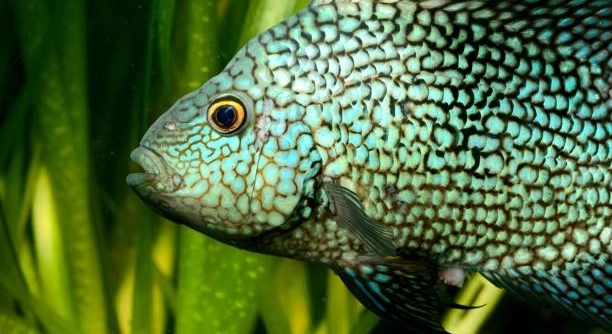
Many aquarium enthusiasts enjoy keeping Dempseys because of their vibrant colors and lively personalities. Over time, hobbyists notice subtle differences between males and females that can affect care, behavior, and compatibility in home tanks.
Male and female Dempseys display distinct physical and behavioral traits. Males tend to be larger, more aggressive, and have brighter coloration, while females are generally smaller, less territorial, and often show more nurturing behavior. These differences influence breeding and tank management decisions.
Recognizing these variations can improve tank harmony and ensure healthier interactions. Understanding their traits helps hobbyists make informed choices when selecting or pairing Dempseys.
Size Differences Between Male and Female Dempseys
Male Dempseys are generally larger than females, both in length and body mass. While females often reach around 6 to 8 inches, males can grow up to 10 inches or more. This size difference becomes more noticeable as the fish mature. Larger males tend to dominate spaces in the tank, often staking out territories and defending them vigorously. Females, being smaller, usually have more modest swimming ranges and less territorial behavior. The difference in size also affects tank setup. Bigger males require more room and hiding spots to reduce stress and aggression. If a male and female share the same tank, careful monitoring is needed to prevent bullying or chasing. Size also impacts feeding habits. Males may eat more quickly and dominate feeding times, while females may need supplemental feed to ensure they get enough nutrition. Recognizing this difference early helps maintain balance and reduces conflicts in mixed-gender tanks.
Male Dempseys’ larger size can influence tank dynamics, making careful observation essential for a harmonious environment.
Tank size, decoration placement, and feeding schedules all need adjustment when keeping mixed males and females. Proper management prevents injuries and ensures both genders thrive.
Coloration Variations Between the Sexes
Female Dempseys usually display softer, muted colors compared to males.
Males tend to have brighter, more vivid patterns that intensify as they age. These colors serve multiple purposes, including attracting mates and signaling dominance. While females may have subtle blue, green, or gold tones, males often show deep blues, reds, and metallic highlights that shimmer under good lighting. Color differences are not just aesthetic—they can indicate health and stress levels. A pale male may be experiencing illness or low water quality, while a vibrant female may be ready for breeding. Lighting, diet, and water conditions also influence how pronounced these colors appear. Breeders often select males with the brightest colors for mating, while females are chosen for body shape and temperament. Understanding these coloration patterns helps in identifying gender quickly and provides insight into the fish’s mood and overall well-being. Observing these traits over time allows for better tank management and more balanced pairings.
Fin Shape and Size Differences
Male Dempseys generally have longer, more pointed dorsal and anal fins than females. Females’ fins are shorter and rounder, giving them a softer appearance. These differences are most noticeable in mature fish, making identification easier for careful observation.
Longer fins in males can make them appear more aggressive or dominant in the tank. They use these fins to display during territorial disputes or mating displays, often flaring them to look larger and more intimidating. Females’ shorter fins allow for quicker, more agile movements, helping them avoid confrontation with males. Fin condition also reflects overall health; torn or frayed fins can indicate stress, poor water quality, or aggression in the tank. Paying attention to fin shape and movement can help in distinguishing gender and managing interactions between fish. Proper care and observation of fin health contribute to a calmer tank environment and reduce the risk of injury.
Fins also play a role in breeding behavior. Males may use their longer fins to court females, while females rely on shorter fins for quick responses during spawning. Differences in fin size can influence how each fish navigates decorations and interacts with others in the tank, impacting feeding and territory management.
Behavioral Traits Between Males and Females
Males are typically more aggressive and territorial than females. They assert dominance over space and feeding areas, often chasing other fish. Females are generally calmer and more adaptable.
Aggression in males becomes evident as they mature, with increased chasing, flaring, and occasional biting. This behavior is linked to territory protection and breeding instincts. Females usually avoid confrontation and may retreat to hiding spots when males act aggressively. These behavioral differences influence tank dynamics, especially in mixed-gender setups. Understanding which fish are naturally dominant or passive helps in arranging tank decor, creating territories, and planning feeding schedules. Males may monopolize food, requiring observation to ensure females receive enough nutrition. Behavioral cues also indicate readiness for breeding, as males become more active and display brighter colors, while females respond with subtle signals like body positioning or fin movement. Properly observing these behaviors supports healthier interactions and reduces stress-related issues in the aquarium.
Mouth Size and Jaw Structure
Male Dempseys have slightly larger and stronger jaws than females. This allows them to defend territory more effectively and compete during feeding times. Females’ mouths are smaller and less pronounced, which affects how they interact with tank mates during meals.
The difference in jaw size also influences breeding behavior. Males use their stronger jaws to nudge or move objects when courting females or preparing nesting areas. Females rely more on subtle movements and positioning rather than strength. Observing mouth size can help in identifying gender, especially when fish are mature. It also helps in planning feeding strategies to prevent competition and ensure both genders receive adequate nutrition.
Breeding and Egg-Laying Behavior
Females are responsible for laying eggs, often selecting specific surfaces or secluded areas in the tank. Males focus on guarding the territory and protecting the eggs once they are laid.
During spawning, females release eggs in carefully chosen spots, usually on flat surfaces or inside shelters. Males immediately fertilize the eggs and become highly protective, chasing away other fish to prevent interference. Females may assist with minor egg placement but retreat if the male becomes too aggressive. Recognizing these behaviors is essential for breeders or anyone managing a mixed tank. Understanding which fish will exhibit protective or nurturing behavior ensures eggs are less likely to be disturbed and improves survival rates. Observing the dynamics between male and female during breeding provides insight into their natural instincts and helps maintain a balanced tank environment.
Growth Rate Differences
Males typically grow slightly faster and reach their full size sooner than females. This can affect tank hierarchy and feeding routines.
FAQ
How can I tell a male Dempsey from a female?
The easiest way is to look at size, coloration, and fin shape. Males are usually larger, have brighter colors, and longer, pointed dorsal and anal fins. Females are smaller, display softer colors, and have shorter, rounder fins. Observing behavior also helps—males are often more territorial and assertive, while females are calmer. During breeding, males become more protective and display their fins, while females focus on laying eggs in hidden or flat areas.
Do males bully females in a shared tank?
Yes, aggression is common in males, especially in smaller tanks or when space is limited. Males may chase females and dominate feeding areas. Providing hiding spots, dividing territories with decorations, and careful observation during feeding times can reduce stress for females and help maintain balance in the tank.
Which gender is better for beginners?
Females are usually easier for beginners because they are calmer and less aggressive. Males can be more demanding due to their territorial behavior, especially in smaller tanks or when paired with other aggressive fish. Choosing a female or a group of females helps prevent constant chasing and stress in community setups.
Do males always have brighter colors than females?
Generally, yes. Males develop vivid blues, reds, and metallic highlights as they mature, while females have more muted tones. Color brightness can also reflect health—pale males may indicate stress or illness. Proper diet, water quality, and tank conditions help maintain strong coloration in both genders.
Can females become aggressive like males?
Females are usually less aggressive, but they can show defensive behavior, especially when protecting eggs or hiding spots. Aggression in females is less frequent and usually milder compared to males. Understanding their behavior and providing sufficient space reduces conflicts and ensures smoother tank interactions.
Do male and female Dempseys eat differently?
Males often eat faster and may try to dominate feeding sessions due to their larger size and higher activity levels. Females might eat more slowly and need supplemental feeding to ensure they get enough nutrition. Observing feeding behavior and adjusting food distribution prevents competition and ensures both genders are healthy.
How do Dempseys behave during breeding?
Males guard eggs aggressively, often chasing away intruders, while females focus on laying eggs in flat surfaces or sheltered areas. The male’s protective behavior is temporary but intense, and the female may retreat until the eggs hatch. Observing these behaviors helps manage breeding tanks effectively.
Is tank size important for mixed-gender tanks?
Yes, larger tanks reduce stress and aggression. Males need more space to establish territories, and females need areas to retreat safely. Proper tank size, along with hiding spots and decorations, ensures both genders can coexist without constant chasing or competition.
Do Dempseys change behavior as they age?
Yes. Males become more dominant, territorial, and colorful with age. Females remain calmer but may show subtle changes during breeding periods. Observing these changes helps maintain harmony in the tank and ensures both genders thrive in the long term.
Are there health differences between males and females?
Not inherently, but males may be more prone to stress-related injuries due to aggression, while females may face nutritional challenges if dominated during feeding. Providing proper diet, tank space, and monitoring interactions helps both genders stay healthy and reduces risk of illness.
Can I keep multiple males together?
It is possible but challenging. Multiple males often fight over territory, which can lead to injuries. If attempted, a very large tank with plenty of hiding spots is necessary. Even then, monitoring is crucial to prevent long-term stress or harm.
Do males or females live longer?
Lifespan is similar for both genders, typically around 10 years with proper care. Differences in behavior, like aggression in males, can indirectly affect longevity if stress or injuries occur. Proper tank management ensures both males and females have a healthy life.
How does fin shape affect swimming?
Males’ longer fins can make movements more deliberate and noticeable, often used in displays or flaring. Females’ shorter fins allow faster, more agile swimming, especially when avoiding aggressive males. These differences can influence feeding and interaction within the tank, making observation important for tank balance.
Are there visual cues when a female is ready to breed?
Yes. Females may develop a slightly rounder belly when ready to lay eggs, and their body colors may subtly shift. They often explore flat surfaces or secluded areas, preparing for egg-laying. Observing these cues allows better timing for breeding management and helps reduce stress during the process.
Does water quality affect males and females differently?
Both genders are sensitive to poor water conditions, but males may show stress more visibly through faded colors and aggressive behavior. Females might become more withdrawn or reduce feeding. Maintaining stable water parameters benefits both genders, supporting health, coloration, and behavior.
How do I prevent aggression in a mixed tank?
Providing a larger tank, creating multiple hiding spots, and monitoring feeding times reduces aggression. Separating overly dominant males or adding additional females can also help. Observing interactions and adjusting tank layout ensures both males and females coexist more peacefully, maintaining a balanced and calm environment.
Do males require different lighting or diet than females?
Not specifically, but brighter colors in males often benefit from proper lighting and nutrient-rich diets. Both genders need a balanced diet with protein and vitamins. Consistent water quality and lighting enhance health and coloration for all fish in the tank.
Can I identify gender in juvenile Dempseys?
It is difficult. Juveniles have less pronounced size, color, and fin differences. Gender becomes clearer as they mature, usually after 6–12 months. Observing subtle behaviors and waiting for physical development provides more accurate identification than trying to differentiate young fish too early.
Is aggression always linked to breeding?
No. Males display aggression even outside breeding periods due to territory instincts. Aggression can increase with tank crowding, small tanks, or competition for food. Understanding natural male behavior and providing proper space reduces conflict and prevents stress for both males and females.
Do females need extra care during egg-laying?
Yes. Females may retreat and need quiet, secure areas to lay eggs. Disturbances or aggressive males can cause stress. Providing secluded spaces, stable water conditions, and proper nutrition ensures females can complete egg-laying safely and maintain health.
How do I encourage natural behavior in a home tank?
Maintain proper tank size, hiding spots, and consistent feeding routines. Allow males and females to establish territories naturally while monitoring interactions. Balanced conditions encourage natural swimming, feeding, and breeding behaviors, keeping both genders active and healthy.
Are there signs of stress unique to each gender?
Males show aggression spikes, flaring, or faded colors when stressed. Females may become withdrawn, reduce feeding, or hide more often. Recognizing these signs allows timely adjustments in tank setup, diet, or social arrangements to reduce stress and maintain well-being.
Can male Dempseys coexist with other aggressive fish?
It depends on tank size and species compatibility. Males are territorial and may fight other aggressive fish. Providing ample space, hiding areas, and observing interactions is essential to prevent injury and maintain balance in the aquarium.
Do females play a role in protecting eggs?
Females focus on laying eggs, while males primarily guard them. Females may help with minor placement but usually avoid confrontation, leaving protection to the male. Understanding this division of roles helps manage breeding tanks effectively.
How important is observation for mixed-gender tanks?
Observation is crucial. Noticing aggression, feeding issues, or hiding behavior ensures both males and females stay healthy. Early intervention prevents injuries, stress, or dominance problems, creating a stable environment for all fish.
Can gender differences impact compatibility with other species?
Yes. Aggressive males may bully other fish, while calmer females integrate more easily. Considering gender alongside species behavior helps prevent conflicts and maintains a peaceful multi-species tank.
How do I identify a healthy male or female?
Healthy males are brightly colored, active, and display normal territorial behavior without excessive aggression. Healthy females are alert, swim freely, and feed properly. Regular observation of color, fins, and behavior helps monitor overall health.
Is breeding stressful for females?
It can be if the tank lacks hiding spots or males are overly aggressive. Providing safe areas, stable water conditions, and proper nutrition minimizes stress and supports successful egg-laying.
Do male and female Dempseys respond differently to environmental changes?
Males may show aggression or color fading under stress, while females may hide or reduce feeding. Both require stable conditions for health, but behaviors differ in response to changes, making observation key.
How long should I wait to separate males and females if needed?
Monitor interactions daily. Separation may be necessary if aggression persists, feeding is disrupted, or females are stressed. Acting promptly prevents injuries and maintains overall tank harmony.
Are there any feeding tips for mixed-gender Dempseys?
Feed in multiple locations to reduce competition. Ensure females receive enough food despite faster, dominant males. Using sinking pellets and spreading meals throughout the tank ensures balanced nutrition for both genders.
Do males become more colorful when ready to breed?
Yes. Bright colors signal health and readiness to attract females. Observing these changes helps predict breeding periods and manage tank interactions more effectively.
Can females’ coloration indicate health issues?
Yes. Pale or dull colors may indicate stress, poor water quality, or illness. Maintaining clean water, proper diet, and monitoring interactions supports vibrant coloration and overall health.
Do males or females require different tank decorations?
Not specifically, but males benefit from territory markers and hiding spots to reduce aggression. Females need retreats to avoid bullying. Proper decoration placement improves tank harmony and allows natural behaviors.
Is it normal for males to flare at females?
Yes. Flaring is a display of dominance or courtship. It is typical behavior, especially in mature males, and should be monitored to ensure it does not escalate into harmful aggression.
Can juvenile Dempseys show early behavior differences?
Subtle cues exist, like mild chasing or feeding dominance in future males. However, major differences in size, color, and aggression usually appear after several months of growth.
Are there signs that a male is too aggressive for a tank?
Frequent chasing, injuries to other fish, and monopolizing food indicate excessive aggression. Interventions like separating males, increasing hiding spots, or adjusting tank size may be necessary.
Do females need extra care if paired with a very aggressive male?
Yes. Females may need secluded areas and careful monitoring during feeding. Reducing stress ensures proper nutrition and prevents injuries, supporting long-term health.
How do I encourage natural pair bonding?
Provide a spacious tank with hiding spots. Allow males to display dominance gradually while females explore territory. Observing interactions and minimizing disturbances encourages natural pairing and breeding behavior.
Can I keep multiple females together safely?
Yes. Females are calmer and more adaptable, making it easier to house them in groups. Proper space and feeding distribution ensure harmony and reduce stress.
How long do Dempseys take to mature?
Typically, they mature between 6–12 months. Size, coloration, and fin development become more pronounced during this period, allowing easier gender identification.
What is the best way to maintain gender balance in a tank?
Avoid overcrowding, provide hiding spots, and monitor interactions. Having more females than males reduces stress and prevents excessive aggression, creating a balanced environment.
Do males guard territory outside breeding?
Yes. Males maintain dominance over certain areas even when not breeding. Proper tank size and decorations help reduce conflicts and stress for other fish.
How do I know if a female is stressed by a male?
Signs include hiding, reduced feeding, and lethargy. Observing behavior closely helps determine if interventions like adding hiding spots or separating fish are needed.
Does diet affect coloration differently for males and females?
Males often show brighter colors with nutrient-rich diets, while females’ coloration may change subtly. Balanced diets benefit both genders’ health, behavior, and appearance.
Can Dempseys live in community tanks?
Yes, if aggression is managed. Females adapt well, but males require space and compatible tank mates to prevent fighting. Observation and tank design are crucial.
Are there seasonal behavior changes?
Behavior is mostly linked to maturity and breeding readiness rather than seasons. Males may flare more frequently during spawning periods, while females adjust nesting behavior accordingly.
How do I prevent fin damage in males and females?
Provide adequate space, avoid overcrowding, and monitor aggression. Decorations should be smooth and free of sharp edges. Proper care reduces stress-related fin injuries.
Can stress affect breeding success?
Yes. High stress can cause males to neglect eggs or females to delay laying. Stable water conditions, hiding spots, and proper feeding support successful breeding.
Do Dempseys recognize tank mates?
They respond to behavior, size, and territory, not recognition like mammals. Males identify threats and competitors, while females gauge safety when exploring or feeding.
Are males more prone to disease due to aggression?
Aggression can cause stress and injuries, increasing susceptibility to illness. Maintaining water quality and managing interactions minimizes health risks.
Do females help in raising fry?
Females generally do not guard fry. Males take primary responsibility for protecting eggs and young. Females’ role ends after egg-laying, focusing on recovery and feeding.
Is breeding easier with a dominant male?
A confident male increases egg fertilization success, but excessive aggression can stress females. Balancing dominance with space and hiding spots ensures safer breeding.
Can I adjust lighting to highlight gender differences?
Yes. Proper lighting enhances males’ vivid colors and makes subtle female patterns more visible. Lighting also affects perceived health and tank aesthetics.
Do males flare at other males differently than at females?
Yes. Aggression displays toward males are more intense and prolonged, aimed at establishing dominance. Flaring at females is often shorter, associated with courtship.
How important is hiding space for females?
Crucial. Females need retreats to avoid chasing males, reduce stress, and maintain feeding opportunities. Adequate shelter supports overall health and tank harmony.
Are there personality differences besides aggression?
Yes. Males are more territorial and assertive, while females are calmer and more flexible. Recognizing these traits helps plan tank layout, feeding routines, and breeding management.
How do I know if males are ready to breed?
Signs include brighter coloration, increased flaring, and protective behavior around selected territory. Observing these cues allows proper timing for breeding interventions.
Do females always lay eggs when males are present?
Not always. Females may wait until conditions feel safe, hiding spots are adequate, and the male’s behavior is non-threatening. Patience ensures better spawning outcomes.
Can aggression levels change over time?
Yes. Males may become more or less aggressive with age, tank conditions, or presence of other fish. Monitoring and adjustments keep the tank stable.
Do males eat more than females?
Often, due to larger size and activity levels. Ensuring females receive enough food prevents nutritional deficiencies and maintains health for both genders.
Are there signs a female is hiding due to illness or stress?
Yes. Lethargy, loss of appetite, and prolonged hiding may indicate health issues rather than just avoidance of males. Quick observation helps identify problems early.
Does tank décor influence gender behavior?
Yes. Hiding spots and territory markers reduce conflicts and support natural behaviors. Males assert dominance without constant stress on females, improving tank balance.
How long does male guarding last after eggs are laid?
Typically until eggs hatch, about 3–5 days depending on water temperature. Males remain vigilant, chasing intruders and protecting fry during this period.
Can females become aggressive if males are absent?
Occasionally, if defending space or during competition for food. This aggression is milder and less frequent than in males. Proper tank space reduces conflicts.
Do males or females react differently to tank changes?
Males may flare, hide, or chase during rearrangements. Females may become more reserved and reduce feeding. Both require stable environments for health and behavior consistency.
Is observing behavior more reliable than physical traits for gender identification?
Yes, especially in mature fish. Behavior such as aggression, courtship, and egg-laying patterns often confirm gender alongside size, color, and fin differences.
Can diet changes influence aggression?
Indirectly. Poor nutrition can increase stress and irritability in males, while well-fed fish are calmer. Balanced feeding supports stable behavior and tank harmony.
Do females ever interact with fry?
Females may approach fry briefly but rarely guard them. Males take the lead in protecting young, while females recover and focus on feeding.
How can I safely separate aggressive males?
Using tank dividers, separate tanks, or larger spaces with distinct territories prevents fights. Quick action reduces stress and prevents injury to both males and females.
Are there any visual differences in the eyes of males and females?
Subtle differences exist. Males often have slightly larger eyes relative to body size and more intense coloration around the iris. Females’ eyes are proportionally smaller and less striking.
Can juvenile males show early aggression?
Some do, displaying mild chasing or dominance during feeding. Aggression intensifies as they grow, but early signs help predict future behavior.
Do females show body changes after laying eggs?
Yes. Their belly may appear smaller, and they often regain energy gradually. Observing recovery ensures proper care and feeding.
Are water changes more critical for males or females?
Both benefit equally, but males may show stress faster with poor water quality. Regular maintenance supports health, color, and behavior for all fish.
Do males always flare when threatened?
Usually, but intensity varies with personality, tank size, and presence of rivals. Flaring is a natural display to assert dominance or deter threats.
How can I reduce stress during feeding?
Spread food in multiple locations, provide hiding spots, and monitor dominant males. Balanced feeding ensures females get enough nutrition without confrontation.
Do females hide more than males naturally?
Yes. Females are generally more cautious, especially in the presence of aggressive males. Hiding helps them stay safe and maintain energy for feeding and breeding.
Can I mix juvenile males and females safely?
Yes, juveniles are less aggressive. Careful observation and sufficient space reduce early dominance issues before gender differences fully develop.
How long does it take for males to reach peak coloration?
Typically 1–2 years, depending on diet, lighting, and water quality. Full coloration signals maturity and breeding readiness.
Do females change color during breeding?
Slightly. Colors may deepen or shift subtly, indicating readiness to lay eggs. Changes are less dramatic than in males but noticeable with careful observation.
**Are males more sensitive to tank temperature changes?
Understanding the differences between male and female Dempseys is essential for anyone keeping these fish. Size, coloration, fin shape, and behavior all vary between genders, and recognizing these traits helps in planning tank setups, feeding schedules, and breeding management. Males are generally larger, more colorful, and more aggressive, while females are smaller, calmer, and often more adaptable. These differences are natural and reflect their roles in reproduction and territory defense. Observing your fish carefully over time allows you to see these characteristics clearly, which can prevent unnecessary stress or conflicts in the tank. By paying attention to subtle cues such as fin shape, jaw size, and swimming patterns, you can tell genders apart even before breeding age.
Behavior plays a large role in managing a mixed-gender tank. Males are territorial and may chase or flare at other fish, including females, which can be stressful if the tank is too small or lacks hiding spaces. Females, on the other hand, tend to be more reserved and rely on agility and retreating to stay safe. Providing decorations, caves, and plants helps reduce aggression while giving both genders areas to explore. Feeding strategies also matter: males may dominate food, so offering meals in multiple locations ensures females get enough nutrition. Recognizing and accommodating these natural tendencies promotes a healthier and calmer tank environment, where both males and females can thrive without constant stress or competition.
Breeding behavior is another area where gender differences are clear. Females select spots to lay eggs and focus on the process quietly, while males guard the eggs aggressively, ensuring they remain safe from intruders. These roles are instinctive and are influenced by tank size, water quality, and stress levels. Understanding these dynamics is important even if you are not planning to breed your fish, as it affects interactions between males and females. Overall, appreciating the distinctions between male and female Dempseys improves long-term care. Observing their size, coloration, behavior, and breeding habits allows you to create a balanced, stable tank, supporting their health, comfort, and natural instincts over time.

Hello,
If you enjoy the content that we create, please consider saying a "Thank You!" by leaving a tip.
Every little bit helps us continue crafting quality advice that supports the health, happiness, and well-being of pets around the world, for pets of all shapes, sizes, and species.
We really appreciate the kindness and support that you show us!