
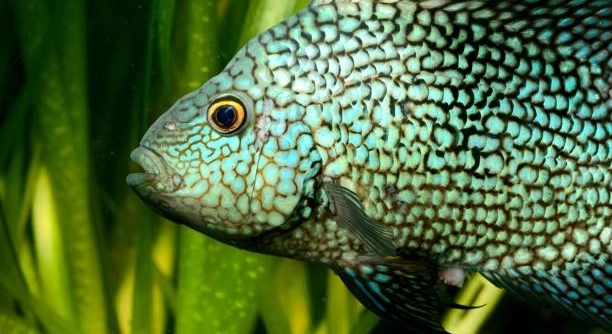
Have you ever set up a community tank and wondered how your Jack Dempsey fish would behave with other fish around? These fish are known for their bold colors and strong personalities in home aquariums. Their reactions can be surprising for first-time owners.
Jack Dempsey fish generally show territorial and sometimes aggressive behavior toward tank mates, especially in smaller tanks. They may chase or intimidate other fish, but proper tank size, hiding spots, and compatible species can reduce conflicts and promote a calmer environment.
Learning about their interactions can help you create a balanced aquarium where all fish coexist more peacefully. Understanding their behavior is key to keeping your tank healthy and stress-free.
Choosing Compatible Tank Mates
When I first added other fish to my Jack Dempsey tank, I noticed their strong reactions immediately. These fish are naturally territorial and can become aggressive if the space feels crowded. Smaller, fast-moving fish like tetras or danios are often chased, while other cichlids of similar size can sometimes coexist peacefully. Adding plenty of hiding spots, plants, and rocks helps reduce stress for all fish. It’s important to observe interactions during the first days and separate any fish that show excessive aggression. Over time, Jack Dempseys may establish a pecking order, which can stabilize behavior if the tank is large enough. Adjusting water temperature and maintaining proper filtration also contributes to calmer interactions. Feeding routines play a role too, as Jack Dempseys can become territorial around food. Overall, tank size, structure, and species selection are key factors in keeping a balanced aquarium with these bold fish.
Providing enough space and hiding spots can reduce conflicts, allowing Jack Dempseys and other fish to coexist more peacefully.
Observing how each fish responds over time gives valuable insight into compatibility. Some fish may initially appear aggressive but calm down once territories are established. Regular monitoring helps prevent injuries and ensures all species thrive. By understanding their behavior patterns, you can create a stable tank environment that feels secure for everyone. Adjusting tank layout, adding decorations, and feeding carefully all contribute to a smoother coexistence.
Managing Aggression in the Tank
Jack Dempseys often show aggression during feeding or when defending their space.
Aggression can be controlled by keeping tank mates of similar size, adding visual barriers, and spacing out hiding spots. Avoid overcrowding, as it increases stress and triggers territorial behavior. Monitoring daily interactions allows for timely intervention if fights occur. Choosing calmer fish species helps reduce tension, and maintaining consistent water conditions supports overall fish health. Adjusting feeding schedules and providing multiple feeding areas can prevent competition, as Jack Dempseys tend to dominate a single feeding spot. Regular tank maintenance, including water changes and filter checks, ensures a stable environment that minimizes aggression triggers. Over time, observing patterns in behavior can guide changes in tank layout or fish selection, leading to a more harmonious community.
Some tank mates adapt well to Jack Dempseys, while others need more space or separation. Fast-swimming fish often avoid conflict, while larger cichlids may compete. By carefully selecting species and managing the environment, aggression can be minimized. The key is creating an aquarium where each fish has its own territory and access to resources without constant stress. Consistency in care, including feeding and water quality, further reduces disputes. Over time, a well-planned tank can support a mix of compatible species, allowing Jack Dempseys to display natural behavior without harming others. Observing interactions daily and making small adjustments helps maintain a peaceful community, keeping all fish healthy and active.
Setting Up the Tank Environment
Tank size is crucial for Jack Dempseys. A 55-gallon tank or larger is ideal to give them room to establish territory. Rocks, caves, and plants provide hiding spots for all fish, reducing stress and aggression. Open swimming space is also important for active movement.
Providing multiple hiding spots and decorations helps balance the tank. Jack Dempseys are territorial, and other fish need places to escape. Grouping rocks into separate areas creates mini territories. Floating plants can soften the environment and reduce direct lines of sight, lowering aggression. Maintaining consistent water temperature and pH further supports peaceful coexistence. Monitoring fish behavior after rearranging decorations ensures the layout works effectively.
Lighting and substrate choices also affect interactions. Dim lighting and darker substrate often calm Jack Dempseys, making them less likely to chase tank mates. Using sand or smooth gravel prevents injury during disputes. Plants or decorations should not block filtration or swimming paths, maintaining overall water quality. Changing tank decorations gradually allows fish to adjust without causing sudden stress. Observing behavior after each change ensures a stable environment where territorial disputes remain manageable.
Feeding and Behavior
Feeding routines can influence aggression and tank harmony. Jack Dempseys may become possessive around food, so offering multiple feeding points is important to prevent fights and stress among other fish.
Providing balanced nutrition supports both growth and temperament. Feeding high-quality pellets along with occasional live or frozen foods keeps Jack Dempseys healthy. Dividing meals into smaller portions reduces competition and prevents overeating. Observing which areas of the tank attract the most attention helps adjust feeding placement. Avoiding overfeeding prevents water quality issues and limits aggressive behavior linked to food scarcity. Maintaining consistent feeding times creates predictability, which can calm territorial instincts.
Behavior monitoring during feeding reveals patterns of dominance or stress. Some tank mates may retreat while others assert themselves, and adjusting meal placement or portion size can help. Ensuring all fish have access to food without direct confrontation reduces injuries. Over time, consistent feeding strategies allow Jack Dempseys to settle into routines, while other species adapt to coexist without constant harassment. This balance supports a healthier, more stable tank environment and helps all fish thrive.
Observing Social Hierarchy
Jack Dempseys quickly establish a social order in the tank. Dominant fish often claim central territories, while submissive ones stay near hiding spots. Recognizing these roles early helps prevent serious fights and injuries among tank mates.
Aggressive displays, such as flaring fins or chasing, are normal. Monitoring these behaviors ensures that no fish is being overly stressed. Intervening only when necessary keeps the hierarchy stable and maintains peace in the tank.
Introducing New Fish
Adding new fish requires careful planning. Quarantine new arrivals for at least two weeks to prevent disease spread. Slowly acclimate them to the tank water to reduce stress and ensure a smooth transition for all fish.
Maintaining Water Quality
Consistent water changes and proper filtration reduce aggression. Clean water keeps Jack Dempseys and other fish healthy, helping them coexist more peacefully.
FAQ
How aggressive are Jack Dempsey fish toward other tank mates?
Jack Dempseys are moderately to highly aggressive, especially in smaller tanks. They establish territories and may chase or nip at other fish that enter their space. Aggression is usually strongest during feeding or breeding. Providing ample hiding spots, plants, and rocks helps reduce stress and allows tank mates to escape. Observing behavior daily is important, as it lets you intervene if any fish are being harmed. Larger, similarly sized cichlids tend to coexist better than small, fast-moving fish that can trigger chasing behaviors.
Can Jack Dempseys live with other cichlids?
Yes, but compatibility depends on tank size and temperament. Other cichlids of similar size can sometimes coexist if the aquarium is large enough to create separate territories. Introducing all fish at the same time often works better than adding newcomers later. Avoid mixing them with highly aggressive cichlids, which can result in fights. Decorations, caves, and visual barriers help reduce confrontations by giving each fish its own space. Regular observation ensures that interactions remain manageable, and aggressive individuals can be separated if needed.
What are the best tank mates for Jack Dempseys?
Good tank mates are other robust fish that can handle a bold personality without being easily stressed. Medium to large cichlids, silver dollars, and peaceful catfish can work well if the tank is spacious. Avoid tiny fish like tetras or guppies, as they are often chased. Fast swimmers that can quickly escape may adapt, but monitoring interactions is essential. Providing multiple hiding spots allows less dominant fish to feel secure. Over time, compatible tank mates may settle into a predictable social structure, reducing overall tension in the aquarium.
How do I reduce aggression in a community tank?
Aggression can be minimized by providing a large tank with at least 55 gallons for a pair of Jack Dempseys. Decorate with caves, rocks, and plants to create visual boundaries. Feeding in multiple locations prevents competition. Keeping water quality high and stable helps maintain calm behavior. Sometimes splitting dominant individuals or rearranging decorations can reduce stress. Choosing compatible tank mates and avoiding overcrowding are the most effective long-term strategies. Observing fish behavior consistently allows for small adjustments before serious conflicts occur.
Do Jack Dempseys get along with peaceful fish?
Generally, they do not mix well with very peaceful or small fish. These fish are likely to be stressed or chased. If you prefer peaceful species, it’s better to give Jack Dempseys a species-only tank or choose other robust fish that can handle a stronger personality. Proper tank structure and hiding spots may allow temporary coexistence, but it is rarely ideal. Peaceful fish often remain near the edges or hiding spots and may not thrive if dominated.
How do Jack Dempseys react during feeding?
They become more territorial and competitive. Dominant fish may chase others away from food. Using multiple feeding stations and spreading food evenly reduces conflict. Feeding smaller amounts several times a day keeps aggression low and ensures all fish receive proper nutrition. Monitoring behavior during feeding helps prevent injury and maintains harmony. Over time, consistent routines can teach Jack Dempseys that food is plentiful and shared space is acceptable.
Can they be kept with bottom dwellers?
Yes, some bottom-dwelling species like plecos or larger catfish usually coexist well. Bottom dwellers occupy a different tank level, reducing direct competition. Make sure caves or hiding spots are available for both bottom and mid-level fish. Observe interactions initially, as territorial disputes may still occur.
Do Jack Dempseys calm down as they age?
Yes, they can become less aggressive once they establish territory and social hierarchy. Young fish are often more unpredictable, but with proper tank size, decorations, and compatible tank mates, adults typically show calmer behavior. Maintaining stable conditions supports a peaceful environment.
How often should I monitor interactions?
Daily observation is ideal. Watching for chasing, fin nipping, or hiding ensures early intervention if aggression becomes dangerous. Noticing subtle behavior changes allows you to adjust tank layout, feeding practices, or separate fish before injuries happen. Consistent monitoring helps maintain a balanced, healthy aquarium.
What signs indicate a problem with tank mates?
Signs include torn fins, excessive hiding, rapid breathing, or loss of appetite. These indicate stress from aggression or poor compatibility. Immediate action, such as rearranging decorations, adding hiding spots, or separating fish, helps prevent serious injury or death. Consistently checking behavior ensures all species remain healthy and safe in the tank.
Are breeding pairs more aggressive?
Yes, breeding pairs increase territorial behavior. They defend nests and chase other fish aggressively. Extra hiding spots, larger tank space, and separation of vulnerable fish are necessary during this time. Understanding this natural instinct helps you manage aggression without harming the fish.
Can aggression affect water quality?
Indirectly, yes. Stressed fish may produce more waste, and fighting can lead to injuries that risk infections. Maintaining filtration, performing regular water changes, and removing uneaten food keeps water conditions stable and reduces aggression triggers.
Is it better to introduce multiple Jack Dempseys at once?
Introducing multiple juveniles simultaneously often reduces initial aggression because no single fish dominates territory immediately. Gradual introductions of new fish later may trigger fighting, so planning tank population carefully is essential. Proper acclimation and observation ensure a peaceful environment.
Do decorations really help with behavior?
Yes, visual barriers, caves, and plants provide escape routes and territory boundaries. Rearranging decorations periodically can reset dominance disputes, and hiding spots give stressed fish security. A thoughtfully decorated tank supports calmer interactions and reduces overall aggression.
How important is tank size for aggression?
Tank size is one of the most critical factors. Smaller tanks amplify territorial behavior, while larger tanks allow Jack Dempseys and tank mates to establish territories without constant conflict. A minimum of 55 gallons is recommended, with additional space for each added fish species.
Can aggression ever be completely eliminated?
No, Jack Dempseys are naturally territorial. Aggression can be managed but not entirely removed. Consistent care, proper tank mates, decorations, and monitoring can minimize conflicts, creating a balanced and safe environment for all fish.
How do I know if my tank layout works?
Observing fish behavior after rearranging decorations shows if territory disputes decrease. Less chasing, calmer feeding, and more relaxed hiding indicate an effective layout. Adjust gradually and maintain monitoring to ensure stability.
Is it safe to mix sizes of Jack Dempseys?
Mixing very different sizes can lead to bullying or injury. Similar-sized fish coexist more predictably. Juveniles may be stressed if housed with adults. Gradual introductions and proper tank space are essential for safety.
What long-term strategies help keep peace?
Use a large tank, provide hiding spots, feed multiple areas, and choose compatible tank mates. Observe behavior consistently and adjust decorations, feeding, or separation when needed. Predictable routines and stable water conditions support calm interactions and reduce aggression over time.
Are Jack Dempseys suitable for beginners?
They can be challenging due to aggression and territorial behavior. Understanding compatibility, tank setup, and feeding management is essential. With careful planning and observation, even a beginner can maintain a healthy community, but these fish require attention and consistency.
Do they show signs of stress easily?
Yes, stressed Jack Dempseys may hide, flare fins, or chase excessively. Maintaining water quality, proper diet, and safe tank mates reduces stress and supports healthy behavior. Immediate observation and adjustments help prevent long-term problems.
Can aggression affect other species’ health?
Yes, stressed or injured fish may have weakened immunity, leading to illness. Ensuring sufficient space, hiding spots, and compatible species reduces stress, improving overall tank health. Regular observation and intervention protect all fish.
How do I balance aggression and social interaction?
Provide adequate space, multiple territories, and hiding spots while choosing species that can handle moderate aggression. Monitor interactions, adjust layout or feeding, and intervene if fights become harmful. This approach allows natural behavior without risking safety.
Are there seasonal or breeding-related behavior changes?
Yes, breeding periods increase aggression. Providing extra hiding spaces and separating vulnerable fish during this time helps manage stress and reduce injuries. Understanding these patterns ensures a safer, more stable environment.
Can tank decorations influence aggression levels?
Decorations break line-of-sight and create private spaces. Rocks, caves, and plants reduce territorial disputes and stress. Rearranging periodically can prevent dominance conflicts. Thoughtful layout directly supports calmer fish behavior and safer tank conditions.
Is monitoring behavior more important than tank size?
Both are important, but monitoring ensures that aggression is addressed promptly. Large tanks help, but observing feeding, chasing, and hiding patterns allows you to intervene before serious problems occur. Daily attention complements proper tank setup.
How long does it take for Jack Dempseys to settle?
It varies, but most fish establish a social hierarchy within a few weeks. Consistent care, stable conditions, and compatible tank mates speed up the process. Observing interactions ensures the tank remains safe during this adjustment period.
What is the best way to handle aggressive incidents?
Separate injured or overly aggressive fish immediately. Rearrange decorations or add hiding spots if fights persist. Avoid sudden changes, and monitor interactions closely. Gradual adjustments help restore balance without causing additional stress.
Are multiple feeding points always necessary?
Yes, multiple feeding points prevent competition and reduce chasing. Spread food evenly to allow all fish access. This simple adjustment significantly lowers aggression during mealtime and improves tank harmony.
Can aggression cause long-term injuries?
Yes, repeated chasing or nipping can damage fins or scales. Prompt observation, tank adjustments, and separating aggressive fish prevent permanent injuries and maintain overall health.
How do I know if a new fish is compatible?
Observe its behavior in quarantine and during initial introduction. Look for signs of stress, fleeing, or aggression. Choosing species with similar size and temperament increases the chances of successful coexistence.
Is water temperature linked to aggression?
Yes, unstable or inappropriate temperatures can increase stress and aggression. Keeping a consistent, species-appropriate temperature helps maintain calmer behavior and overall health.
What should I do if aggression persists despite all measures?
Separating overly aggressive individuals, adding partitions, or creating a species-only tank may be necessary. Continuous observation and careful management are key to preventing injury and stress.
Does feeding frequency affect aggression?
Yes, infrequent or irregular feeding can trigger competition and chasing. Providing small, regular meals reduces stress and allows all fish to eat safely. Consistent routines promote calmer behavior.
Can juvenile Jack Dempseys be kept with adults?
It’s risky. Adults may bully juveniles. Similar-sized groups coexist more safely. If housing together, ensure plenty of hiding spots and monitor interactions closely to prevent injuries.
Are hiding spots more important than tank size?
Both matter, but hiding spots directly reduce stress for submissive fish. Large tanks help, but proper shelters allow less dominant fish to escape, minimizing conflicts.
Do Jack Dempseys ever ignore tank mates?
Yes, once a hierarchy is established and territory boundaries are clear, they often tolerate other fish, particularly in large tanks with adequate space and hiding spots.
How do I prevent fin nipping?
Provide space, compatible tank mates, and multiple feeding stations. Visual barriers reduce direct confrontations. Observing behavior and separating aggressive individuals prevents injuries and stress.
Can tank lighting influence aggression?
Bright or harsh lighting can increase stress and aggression. Dimmed or natural lighting creates a calmer environment, reducing chasing and territorial disputes.
What is the safest way to introduce a new Jack Dempsey?
Quarantine first, then acclimate slowly. Add to a well-decorated tank with plenty of hiding spots. Monitor interactions closely during the first days to prevent conflict.
Are Jack Dempseys better alone or in groups?
They can live alone or with compatible species. Small groups may work in large tanks, but alone they are easier to manage, especially for beginners. Observation is key either way.
Do they react differently to male and female tank mates?
Yes, males may show more aggression toward other males or during breeding. Females are less territorial but still defend nests. Knowing gender dynamics helps manage interactions effectively.
Can aggression levels change over time?
Yes, as fish mature or establish territory, aggression may decrease. Environmental changes, breeding periods, or new tank mates can temporarily increase conflicts. Consistent observation ensures safety.
Is it necessary to separate aggressive pairs permanently?
Not always. Temporary separation or rearranging decorations may be enough. Permanent separation is needed only if repeated interventions fail to reduce harmful behavior.
Do Jack Dempseys recognize individual tank mates?
They recognize other fish based on size, behavior, and territory. Social recognition helps establish hierarchy and predict interactions, reducing constant conflict once boundaries are set.
Are there specific behaviors that signal dominance?
Yes, flaring fins, chasing, and occupying prime territory indicate dominance. Submissive fish often retreat or hide. Understanding these signals helps manage tank dynamics safely.
How does tank layout affect long-term aggression?
Well-planned layouts with territories, hiding spots, and visual barriers reduce repeated conflicts. Poorly organized tanks lead to continuous chasing and stress, impacting health.
Can aggression cause disease?
Indirectly, yes. Stress from fights weakens immunity, making fish more prone to infections. Maintaining calm conditions and good water quality reduces this risk.
What is the best way to monitor tank interactions?
Watch feeding, chasing, and hiding patterns daily. Note any injuries or excessive stress. Gradual interventions maintain stability and minimize harm.
Are Jack Dempseys compatible with schooling fish?
Small schooling fish may be harassed and stressed. Medium to large schooling fish are safer, especially if they are fast and can escape easily. Observation is essential.
Can tank water clarity influence behavior?
Yes, poor water quality stresses fish and increases aggression. Clear, stable water supports calmer interactions and overall health.
How do I adjust if a tank mate is being bullied?
Add hiding spots, rearrange decorations, or separate the aggressive fish temporarily. Consistent observation ensures that bullied fish recover and stress is minimized.
Are Jack Dempseys more aggressive at night?
Not significantly, but some activity may continue. Providing shelters and calm conditions overnight supports safer resting behavior for all fish.
Can tank size alone prevent aggression?
No, size helps but does not eliminate territorial instincts. Proper layout, compatible species, feeding practices, and observation are all necessary for minimizing conflicts.
Is water current a factor in aggression?
Yes, strong currents can stress Jack Dempseys and tank mates, triggering chasing or hiding. Gentle, consistent flow helps maintain calm behavior.
Do Jack Dempseys need supervision during breeding?
Yes, breeding pairs are highly territorial. Additional hiding spots and temporary separation of other fish prevent injuries and stress.
Are visual barriers more important than hiding spots?
Both are important. Visual barriers prevent direct line-of-sight confrontations, while hiding spots allow fish to escape. Together they reduce aggression significantly.
Can rearranging decorations reset dominance?
Yes, it disrupts established territories and can reduce repetitive conflicts. Gradual adjustments prevent sudden stress while restoring balance.
Do aggressive behaviors indicate poor health?
Not always. Normal territorial behavior is expected, but extreme aggression combined with lethargy, loss of appetite, or discoloration may signal health issues. Observation and water checks are essential.
How long should new fish be monitored?
At least two weeks initially, longer for sensitive or smaller tank mates. Early detection of aggression prevents injuries and ensures compatibility.
Are Jack Dempseys more aggressive in small groups?
Yes, smaller groups increase competition for territory. Larger tanks and groups allow social hierarchy to stabilize, reducing constant fighting.
Can aggression be seasonal?
Yes, breeding and environmental changes may increase territorial behavior. Extra care and monitoring during these times help maintain safety.
Do Jack Dempseys require separate feeding areas from tank mates?
Yes, multiple feeding stations reduce conflict and stress. Even distribution of food ensures all fish eat without being chased.
Can aggression affect breeding success?
Yes, excessive stress or fighting may prevent mating. Providing safe spaces and minimizing conflicts supports successful reproduction.
Do Jack Dempseys respond to human presence?
Yes, they may recognize feeding routines and familiar movements. Calm interaction reduces stress, while sudden disturbances can trigger chasing or hiding.
Are aggressive interactions always physical?
No, many are visual displays, such as flaring fins or posturing. Physical fights occur less frequently if territories and hiding spots are sufficient.
How does tank shape influence aggression?
Longer tanks allow fish to establish territories without constant confrontation. Tall tanks help vertical space use but may not reduce horizontal disputes.
Are Jack Dempseys suitable for mixed-species aquariums?
Yes, with careful planning. Large tanks, compatible species, hiding spots, and feeding management are essential. Observation ensures peaceful coexistence and reduces injury risk.
Can aggression cause stress in otherwise calm fish?
Yes, repeated chasing or nipping stresses submissive fish. Stress affects appetite, immunity, and overall health. Proper management prevents long-term problems.
Do they react differently to new decorations versus new fish?
Yes, new fish may trigger territorial aggression, while new decorations may temporarily reset hierarchy. Gradual introductions minimize stress.
Is aggression more common in male Jack Dempseys?
Yes, males often defend territories and breeding sites more vigorously. Observing gender dynamics helps manage tank harmony effectively.
Can stress from aggression cause death?
Indirectly, yes. Chronic stress weakens immunity, making fish vulnerable to disease. Prompt intervention and stable conditions prevent serious outcomes.
Are Jack Dempseys better with other cichlids than non-cichlids?
Generally, yes. Similar size and behavior reduce chasing. Non-cichlids, especially small species, are more likely to be stressed or injured.
How do I know if aggression is normal or excessive?
Normal aggression includes brief chasing, flaring, or territory defense. Excessive aggression involves repeated injury, hiding, loss of appetite, or continuous harassment, which requires intervention.
Do Jack Dempseys establish permanent territories?
Yes, they often defend the same area for months. Proper tank layout and decorations help maintain clear boundaries and reduce conflict.
Can aggression affect fish coloration?
Yes, stressed or bullied fish may fade in color, while dominant Jack Dempseys display vibrant hues. Maintaining calm conditions supports natural coloration.
Are Jack Dempseys compatible with livebearers?
Small livebearers like guppies or mollies are usually stressed and chased. Only larger or robust livebearers may coexist safely in a large tank with hiding spots.
Do Jack Dempseys need regular social interaction?
They do not require constant interaction but benefit from consistent feeding and predictable tank routines.
Final Thoughts
Jack Dempsey fish are strong and bold creatures that bring character to any aquarium. Their bright colors and confident personalities make them a fascinating addition, but their natural territorial instincts require careful planning. Understanding their behavior is key to creating a harmonious environment. Aggression is normal, especially in smaller tanks or during feeding and breeding periods. Observing interactions daily helps identify potential issues before they escalate. Providing sufficient space, hiding spots, and visual barriers can reduce stress and create safer conditions for all fish. The balance between territory, tank mates, and layout is what allows these fish to coexist peacefully in a community tank.
Choosing the right tank mates is one of the most important steps for a successful setup. Jack Dempseys do better with medium to large, robust species that can tolerate their confident behavior. Small or overly peaceful fish often become stressed or chased, which can affect their health. Decorating the tank with rocks, caves, and plants allows each fish to have its own space and reduces direct confrontation. Feeding routines also play a big role in reducing aggression. Providing multiple feeding areas, spreading food evenly, and maintaining a regular schedule ensures that all fish receive adequate nutrition without competing excessively. Over time, consistent observation and small adjustments to layout or feeding practices help maintain balance and minimize conflicts.
Managing water quality and tank environment is equally important. Jack Dempseys thrive in clean, stable water with appropriate temperature and pH levels. Poor water conditions increase stress, which can lead to more aggressive behavior. Regular water changes, proper filtration, and monitoring of water parameters support healthy fish and calmer interactions. Adjusting lighting and tank decor can also influence behavior, as dimmer lighting and darker substrate often reduce territorial disputes. By understanding their natural instincts, carefully selecting compatible species, and maintaining a stable environment, it is possible to keep a tank where Jack Dempseys and other fish coexist safely. Over time, their behavior can become predictable, allowing a more peaceful and enjoyable aquarium experience for both the fish and the owner.

Hello,
If you enjoy the content that we create, please consider saying a "Thank You!" by leaving a tip.
Every little bit helps us continue crafting quality advice that supports the health, happiness, and well-being of pets around the world, for pets of all shapes, sizes, and species.
We really appreciate the kindness and support that you show us!