
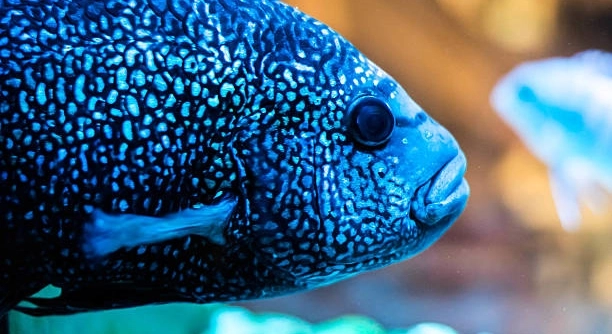
Jack Dempsey fish are known for their vibrant colors and unique behaviors, making them a popular choice for home aquariums. Observing their interactions can reveal interesting patterns, especially when it comes to their mating habits. These fish display specific signs when preparing to reproduce, which can help owners identify when breeding is occurring.
Mating behavior in Jack Dempsey fish is indicated by distinct physical and behavioral changes. Key signs include intensified coloration, nest-building activity, frequent courtship displays, protective guarding of territory, and synchronized swimming between male and female specimens. Recognizing these behaviors confirms reproductive activity.
Paying attention to these cues allows fish owners to better understand their Jack Dempsey’s natural instincts and respond appropriately to their care needs. Observing these patterns ensures healthier interactions in the aquarium.
Changes in Coloration
During mating season, Jack Dempsey fish often display more vivid and intense colors. The males’ blues and greens become brighter, while the females show deeper shades along their bodies. This shift in coloration is a natural signal to attract a mate and communicate readiness for breeding. Observing these changes can help you determine when the fish are preparing to spawn. The colors are not just for show; they play a role in dominance and territory establishment as well. Males with the most vibrant hues are usually more successful in attracting females. Over time, you may notice subtle differences in individual fish, which can indicate health and mood alongside reproductive readiness. These visual cues are reliable indicators when monitoring your aquarium and ensuring proper care during breeding periods. They also help differentiate between normal behavior and stress-related color changes. Tracking these patterns can improve your understanding of their daily habits.
Color changes are an early sign of mating readiness. Monitoring them helps predict breeding activity in your tank.
Observing coloration provides insight into the fish’s condition and interactions. When combined with other behaviors like nest building and guarding, it gives a clear picture of reproductive activity. Paying attention to these visual cues ensures that the fish are healthy and that their environment supports natural behaviors. It also allows for timely intervention if aggression or stress arises. Recognizing these patterns early can help you prepare the tank for eggs and fry, ensuring a safe and controlled environment. Consistent observation strengthens the connection between care practices and fish behavior, making it easier to maintain a thriving aquarium.
Nest-Building Activity
Male Jack Dempsey fish begin preparing a nesting site, often clearing a flat area of substrate or moving small objects to create a suitable location.
The nest is central to mating, as it provides a safe space for the female to lay eggs and for the male to guard them until hatching. Nest construction involves meticulous digging and cleaning, demonstrating the male’s dedication to reproductive success. The male will actively patrol the area, removing debris and sometimes even rearranging plants to create a secure environment. This behavior is highly territorial, and aggression toward other fish may increase as the male protects his nest. Female involvement is limited during the initial stages, but she observes the site closely before spawning. Nest-building activity usually coincides with increased coloration and courtship displays, forming a predictable pattern of mating readiness. Understanding this behavior helps in managing tank conditions, providing adequate space, and preventing conflicts between other fish species. Observing these steps gives a practical indication that mating is about to occur and can guide your approach to care during breeding.
Courtship Displays
Jack Dempsey fish perform specific movements to attract a mate. Males often swim in exaggerated patterns, flare their fins, and approach females repeatedly. These displays signal readiness and help the female assess the male’s suitability for spawning. Observing these behaviors can indicate imminent mating activity.
During courtship, the male may circle the female while vibrating or shaking slightly. He will flare his gill covers and fins to appear larger and more attractive. The female often responds by following the male closely or showing subtle movements that indicate acceptance. These interactions can last several hours, with the male repeatedly returning to his nest and the female inspecting it. Courtship intensity can vary depending on the individual fish’s temperament, age, and health. Maintaining a calm tank environment supports natural courtship, while overcrowding or stress can disrupt these behaviors. Recognizing these signs helps anticipate spawning events and ensures proper tank management during this period.
Repeated courtship actions also serve to strengthen pair bonds and establish mutual recognition between the male and female. These behaviors are essential for successful reproduction, as the female relies on the male’s displays to gauge readiness and protection capabilities. Courtship patterns are consistent, predictable, and directly tied to spawning success, making them reliable indicators for fish owners monitoring reproductive activity.
Territory Guarding
Male Jack Dempsey fish aggressively defend the area around their nest from intruders and other fish. This ensures a safe environment for eggs and fry, preventing disturbance or predation.
Territorial behavior includes chasing, nipping, and flaring at nearby fish. The male will patrol his designated space constantly, showing heightened vigilance compared to non-mating periods. Females usually remain close to the nest, observing while the male maintains control. This guarding protects both the eggs after spawning and the nesting site itself. Aggression levels can be intense, sometimes requiring temporary separation of other tank mates. Clear boundaries in the tank reduce stress and allow natural guarding behaviors to continue uninterrupted. Recognizing these signs is essential for managing tank dynamics and ensuring the safety of both eggs and adult fish.
Synchronized Swimming
Jack Dempsey pairs often swim together in close patterns near the nest. This coordinated movement helps strengthen pair bonding and prepares the female for egg-laying. Watching these synchronized movements is a clear sign that mating behavior is underway.
The swimming is deliberate, with the male often leading and the female following. These movements are repeated several times a day. They serve both as a bonding activity and a way to ensure the female is comfortable with the nest location.
Increased Aggression
During mating, males show elevated aggression toward other fish and intruders. This behavior ensures protection of the nest and eggs from potential threats.
Egg-Laying
Females lay eggs directly into the prepared nest. This process can take several hours, depending on the number of eggs and the female’s readiness. Observing the eggs in the nest confirms successful spawning.
FAQ
How can I tell if my Jack Dempsey is ready to mate?
Look for a combination of behaviors and physical changes. Males display brighter colors, build and guard nests, and perform courtship displays. Females often follow the male closely and inspect the nest. Increased activity around a specific area of the tank usually signals readiness for spawning.
How long does the mating process last?
The mating process can take several hours. Nest building starts first, followed by courtship displays and synchronized swimming. Egg-laying happens afterward, and the male will guard the eggs until they hatch. Observing these stages helps track the progression of breeding behavior.
Do males and females show different behaviors during mating?
Yes, males are more active and territorial. They build nests, chase intruders, flare fins, and maintain close watch over the area. Females mainly observe, inspect nests, and respond to courtship displays. Their movements are more subtle but still indicate readiness to spawn.
What are the signs of successful egg-laying?
A female depositing eggs in the nest is the clearest sign. The eggs are small, sticky, and often laid in clusters. After laying, the male will actively fan and guard the eggs, keeping them clean and safe. The presence of eggs confirms that mating was successful.
How should I manage aggression during mating?
Aggression increases, especially from the male. Remove any fish that might be stressed by chasing or nipping. Providing hiding spots or separating non-breeding tank mates helps reduce conflict. Maintaining proper tank size and structure ensures natural territorial behavior without harm to other fish.
Can Jack Dempsey fish mate more than once in a season?
Yes, they can. After the fry hatch and grow, the pair may repeat the process if environmental conditions are favorable. Continuous observation and proper tank maintenance support multiple breeding cycles throughout the year.
What environmental conditions support mating?
Water temperature, pH, and cleanliness affect breeding behavior. Stable temperatures between 78–82°F, slightly acidic to neutral pH, and clean water encourage mating. Proper diet also supports health and readiness. Stress-free surroundings help males and females display natural reproductive behaviors.
Do Jack Dempsey fish fight after mating?
Some aggression continues as males protect the nest and fry. Males may become territorial even after egg hatching. Reducing disturbances and ensuring adequate space helps minimize prolonged conflicts between pairs and other fish.
How can I care for eggs and fry?
The male usually guards the eggs, fanning them to prevent fungus and keeping them safe from other fish. Once hatched, fry require small, frequent feedings and stable water conditions. Observing the male’s behavior gives insight into how well the eggs and fry are being cared for.
Are there signs that mating is unsuccessful?
If eggs are not laid, or if eggs appear damaged or fungus-infected, mating may have failed. In some cases, stress or poor environmental conditions prevent successful spawning. Adjusting tank conditions and monitoring behavior can improve chances in subsequent attempts.
Can I breed Jack Dempsey fish in a community tank?
It is challenging. Aggression during mating can stress or harm other fish. Using a separate breeding tank with proper hiding spots and space for nest building is usually the safest method. This ensures both successful mating and the wellbeing of all fish.
How do I know when the fry are ready to be independent?
Fry grow quickly under proper conditions. When they begin swimming freely and consuming prepared foods, they can be gradually introduced to the main tank. Observing their size, swimming ability, and feeding behavior indicates readiness for independence.
What are common mistakes to avoid during mating?
Overcrowding, poor water quality, sudden disturbances, and aggressive tank mates can disrupt mating. Ignoring nest-building behavior or failing to provide hiding spots may reduce success. Careful observation, proper tank setup, and patience are essential for healthy reproduction.
How often should I check on mating Jack Dempsey fish?
Frequent but non-intrusive observation is best. Watch for nest building, courtship, and guarding behaviors. Intervene only if aggression threatens other fish or eggs. Careful monitoring ensures proper support while allowing natural behavior to continue.
Can diet affect mating behavior?
Yes, a balanced diet with protein-rich foods encourages health and reproductive readiness. Malnourished fish may not display courtship behaviors or build nests. High-quality flakes, pellets, and occasional live foods provide the nutrients necessary for successful mating.
What should I do if my fish ignore each other?
If there is no interaction, environmental factors may be an issue. Check water quality, tank size, and temperature. Sometimes separating pairs into a smaller breeding tank encourages attention and courtship. Patience is important, as not all pairs mate immediately.
How do I distinguish male from female Jack Dempsey fish?
Males are larger, more colorful, and display extended fins during courtship. Females are smaller with subdued coloration and fewer aggressive behaviors. Observing these physical differences along with behavior helps identify sexes accurately for breeding purposes.
Is it necessary to remove the male after spawning?
Usually not, as males are protective of eggs and fry. Removing them can increase risk of predation or neglect. Only intervene if aggression is extreme or if the male is harming the female or other fish in the tank.
Can stress prevent mating?
Yes, sudden changes in temperature, overcrowding, or frequent disturbances can inhibit reproductive behavior. Creating a calm, stable environment promotes natural mating patterns and reduces the likelihood of skipped or failed spawning.
How can I increase the chances of successful mating?
Maintain stable water conditions, provide space for nests, offer a nutritious diet, and monitor aggression. Observing behaviors like coloration changes, courtship displays, and nest building helps support natural breeding while minimizing stress and competition.
What is the role of the male after eggs are laid?
The male fends off intruders, fans the eggs to provide oxygen, and keeps the nest clean. His protection continues until the fry are free-swimming, ensuring the highest survival rate for offspring. This behavior is critical for successful reproduction.
Are there signs that the female is ready to lay eggs?
Females inspect the nest frequently, follow the male, and display subtle movements indicating receptiveness. Swelling of the abdomen is another clear physical sign. These behaviors combined confirm that the female is prepared for spawning.
Can Jack Dempsey fish mate without a nest?
Nesting is essential. Without a secure site, males cannot display protective behaviors effectively, and females are unlikely to lay eggs. Providing substrate, flat surfaces, or small objects encourages natural nest construction and successful mating.
What should I avoid feeding during mating?
Avoid overfeeding or giving low-quality food. Excessive food can degrade water quality and increase stress, which may disrupt courtship and nest guarding. Stick to nutrient-rich, moderate portions to support health and reproductive behavior.
How do I know if mating is progressing normally?
Sequential behaviors—nest building, courtship displays, synchronized swimming, egg-laying, and guarding—indicate normal progression. Interruptions, aggression, or lack of female participation may signal issues that need attention to ensure successful reproduction.
Can environmental enrichment affect mating?
Yes, providing plants, hiding spots, and structured territories supports natural behavior. Enrichment reduces stress, encourages nest building, and allows both male and female to display normal reproductive behaviors. A well-arranged tank promotes higher chances of successful mating and healthier offspring.
How important is water temperature during mating?
Temperature between 78–82°F is optimal. Too low or high temperatures can delay spawning or reduce egg viability. Stable, appropriate temperature ensures the fish are physiologically prepared for reproductive activity and encourages consistent courtship behavior.
What if eggs fail to hatch?
Failed hatching can result from fungus, poor water quality, or neglect. Remove infected eggs, maintain clean water, and ensure proper oxygenation. Observing male behavior and nest maintenance helps prevent repeated failures and improves success in future spawning attempts.
How can I tell the fry are healthy?
Healthy fry are active, swim consistently, and feed on small, frequent meals. They display steady growth and coloration appropriate for their age. Monitoring these signs helps ensure proper care and adjustments if any issues arise.
Do Jack Dempsey pairs stay together after mating?
Pairs may remain in proximity, but repeated mating depends on conditions and individual temperament. Observing interactions post-spawning helps determine if future breeding is likely or if re-pairing may be necessary.
How often should I clean the tank during mating?
Minimal disturbance is key. Clean water and filtered systems help maintain quality, but avoid major disruptions during active courtship or nest guarding. Partial water changes and routine maintenance support a stable environment without stressing the fish.
Can I breed multiple pairs together?
It is risky due to aggression and territorial behavior. Separate breeding tanks are recommended to prevent conflicts and protect eggs and fry. Proper planning ensures successful reproduction while minimizing stress and harm to all fish.
What signs indicate the male is stressed?
Excessive hiding, dull coloration, or lethargy may indicate stress. Stress can reduce courtship activity and nest guarding. Adjusting tank conditions, reducing disturbances, and providing adequate space helps the male recover and continue reproductive behaviors.
How do I care for fry after hatching?
Feed them finely crushed food or specialized fry feed multiple times per day. Maintain stable water conditions and keep an eye on aggression from adults. Separate fry if necessary to ensure survival and steady growth in their early stages.
Is it normal for females to be aggressive during mating?
Females are usually less aggressive but may display territorial behaviors near the nest or respond to persistent male attention. Mild aggression is natural, but extreme fighting may indicate stress or overcrowding, requiring intervention.
Can breeding affect adult fish health?
Breeding demands energy and can temporarily reduce immunity. A balanced diet, proper water conditions, and stress-free surroundings minimize negative effects and support overall health during and after mating.
What is the most reliable indicator that mating is occurring?
A combination of nest building, courtship displays, synchronized swimming, egg-laying, and male guarding provides the clearest evidence of mating activity. Observing these behaviors together confirms that reproductive processes are progressing normally.
How long does it take for eggs to hatch?
Jack Dempsey eggs typically hatch in 3–5 days, depending on temperature and water quality. During this time, the male actively guards and fans the eggs to ensure oxygenation and prevent fungus, supporting healthy development until the fry emerge.
What is the best way to track mating behavior?
Keep a daily log of observed behaviors, noting coloration, nest activity, courtship displays, and aggression. Tracking these patterns helps anticipate egg-laying, monitor health, and provide targeted care for both adults and fry.
Can stress affect egg viability?
Yes, stress can prevent successful fertilization or lead to fungus-infected eggs. Minimizing disturbances, maintaining clean water, and separating aggressive tank mates support egg viability and fry survival.
How do I know if the male is fanning the eggs correctly?
Proper fanning involves steady fin movement to circulate water over the eggs. It prevents debris accumulation and fungus growth. Observing consistent fanning behavior indicates that the male is maintaining the eggs appropriately and supporting successful hatching.
Are there any behavioral changes after spawning?
Males remain protective of the nest and fry, while females may become less active. Both may show reduced aggression once fry are free-swimming. Observing these changes helps manage tank dynamics and ensures ongoing health and safety.
Can environmental stress prevent successful fry development?
Yes, unstable temperature, poor water quality, or overcrowding can harm developing fry. Maintaining stable conditions and monitoring male guarding behavior maximizes survival rates and supports healthy growth.
How can I encourage repeated breeding?
Ensure optimal water conditions, provide adequate nutrition, and allow recovery time between breeding cycles. Observing natural behaviors and minimizing stress supports repeated mating and healthier offspring.
Is it necessary to separate fry from adults?
Separation depends on aggression levels. Some males guard fry without harm, but others may become aggressive. Providing safe zones or moving fry to a separate tank can prevent accidental injury or predation, ensuring higher survival rates.
What are common signs of unsuccessful mating?
Lack of nest building, minimal courtship, absent egg-laying, or eggs failing to hatch indicate problems. Environmental factors, stress, or poor health are usually responsible and need correction before attempting another breeding cycle.
Can mating behavior occur outside the typical breeding season?
Yes, if conditions are favorable. Stable water temperature, proper diet, and minimal stress can trigger reproductive behaviors even outside the usual period, though success rates may vary depending on fish readiness.
How important is observation during mating?
Close, calm observation helps track behavior, identify issues, and ensure the safety of eggs and fry. Regular monitoring allows timely intervention and supports natural reproductive processes without excessive disturbance.
What is the typical lifespan of Jack Dempsey fry?
With proper care, fry grow quickly and can reach maturity within 6–12 months. Maintaining stable water, nutrition, and protection during early stages ensures healthy growth and future reproductive success.
Can aggressive behavior indicate successful mating?
Yes, heightened male aggression around the nest signals active defense of eggs or fry. This behavior is a natural part of reproduction and ensures survival of offspring while demonstrating the male’s commitment to reproductive success.
How can I tell if the female is stressed during mating?
Hiding, reduced movement, or avoidance of the male may indicate stress. Ensuring proper tank conditions and minimizing disturbances supports female health and encourages participation in spawning.
Are there specific signs that mating is unsuccessful early on?
Males ignoring nest building, lack of courtship displays, or females avoiding the nest early may indicate unsuccessful mating. Adjusting tank conditions or re-pairing fish may be necessary to promote successful reproduction.
What is the ideal tank setup for mating Jack Dempsey fish?
Provide adequate space, hiding spots, flat surfaces for nest building, stable water conditions, and minimal disturbances. A well-prepared environment encourages natural behaviors, reduces stress, and increases the likelihood of successful mating.
How can I tell if eggs are fertilized?
Fertilized eggs are usually clear with a visible embryo developing inside. Unfertilized eggs turn cloudy or white. Observing eggs daily allows for early intervention if problems arise.
How do I maintain water quality during mating?
Use a reliable filter, perform partial water changes, and monitor temperature, pH, and ammonia levels. Maintaining clean, stable water prevents stress and supports both adult fish and developing eggs or fry.
Can Jack Dempsey fish mate in a small tank?
Breeding in small tanks is possible but increases aggression and stress. Providing sufficient space and hiding areas is critical to prevent conflicts and ensure proper nest building and egg protection.
What should I do if aggression becomes too high?
Remove other fish from the tank or separate males temporarily if necessary. Providing space and hiding spots can reduce stress and prevent harm to the pair or eggs during mating.
Is it normal for males to chase females repeatedly?
Yes, chasing is part of courtship. It guides the female to the nest and demonstrates the male’s strength. As long as the behavior does not injure the female, it is a normal aspect of mating.
How do I know if mating will result in healthy fry?
Healthy fry come from fertilized eggs, proper parental care, and stable tank conditions. Observing consistent courtship, nest building, and male guarding ensures the highest chances of producing viable offspring.
What is the best way to support multiple pairs breeding?
Use separate tanks or divided sections to prevent conflicts. Ensure each pair has adequate space, hiding spots, and resources. Managing pairs individually increases success while reducing aggression and stress.
How do I track progress from eggs to free-swimming fry?
Monitor daily for embryo development, hatching times, and male guarding behavior. Record observations to track survival rates, growth, and health. This helps adjust care and predict when fry can be introduced to a larger tank.
Are there visual signs that mating behavior is normal?
Yes, sequential displays like coloration intensification, nest building, courtship swimming, egg-laying, and male guarding indicate normal behavior. Consistency in these actions confirms reproductive activity is proceeding correctly.
How important is diet after spawning?
Post-spawning nutrition supports recovery, maintains health, and ensures energy for continued guarding or repeated breeding. Protein-rich, high-quality food is essential for both males and females.
What should I avoid during mating?
Avoid overcrowding, sudden disturbances, poor water quality, and tank mates that trigger aggression. Minimizing stressors allows natural reproductive behaviors to continue uninterrupted, increasing chances of successful spawning and healthy fry.
How do I know when the fry can eat independently?
Once fry actively swim and accept small, prepared foods, they are ready for independent feeding. Gradually increasing food availability supports healthy growth without overwhelming their small digestive systems.
Can mating behavior vary between individual fish?
Yes, age, temperament, and health influence intensity, timing, and patterns. Observing each pair individually ensures appropriate care and management for successful mating.
What are key behaviors to monitor for successful breeding?
Focus on nest building, coloration changes, courtship displays, synchronized swimming, egg-laying, and male guarding. These behaviors provide reliable indicators of mating progress and reproductive success.
Can Jack Dempsey fish mate without specific environmental triggers?
While natural triggers like temperature and territory are important, consistent care, diet, and minimal stress can sometimes initiate mating behaviors even in less-than-ideal conditions.
How long should I wait between breeding attempts?
Allow sufficient recovery time for adults after fry care. This period prevents exhaustion, supports health, and increases the likelihood of successful subsequent breeding cycles.
Are there signs that male guarding is ineffective?
If eggs show fungus, are displaced, or fry are predated, male guarding may be insufficient. Adjusting tank setup or separating eggs can improve survival rates.
What role do hiding spots play during mating?
Hiding spots reduce stress, prevent injury, and allow females to avoid persistent males. They support natural behavior and improve the likelihood of successful spawning.
Can mating behaviors indicate overall fish health?
Yes, active courtship, nest building, and proper guarding indicate healthy, well-nourished fish. Lack of behavior may signal illness, stress, or poor environmental conditions requiring intervention.
How do I prevent egg fungus during mating?
Maintain clean water, ensure proper male fanning, and remove any debris. Fungus is common but preventable with consistent care and attention to tank hygiene.
Are all Jack Dempsey pairs successful breeders?
Not all pairs mate successfully. Differences in compatibility, health, or environmental conditions can prevent spawning. Observing behavior and adjusting conditions improves chances of success.
Can male aggression harm the female during mating?
Excessive aggression may injure the female. Providing adequate space and monitoring interactions ensures safety while allowing natural reproductive behaviors to occur.
**
Observing Jack Dempsey fish during mating can be both fascinating and rewarding. Their behaviors, from vibrant coloration to nest building and courtship displays, reveal a lot about their natural instincts. Paying attention to these behaviors allows you to understand the dynamics between the male and female and how they interact within their environment. Each fish is unique, so while some may follow a predictable pattern, others may show variations in timing or intensity. Recognizing these differences helps provide better care and ensures the breeding process occurs smoothly. Mating is a natural part of their life cycle, and understanding these steps provides insight into their health, temperament, and overall well-being. By observing closely, you can anticipate changes in behavior and respond appropriately, whether that involves adjusting tank conditions or creating safe spaces for eggs and fry.
The environment plays a crucial role in supporting mating behavior. Proper water temperature, clean conditions, and sufficient space for nesting are all essential factors. Males become territorial and protective during this period, and aggression can increase, which is a normal aspect of reproduction. Providing hiding spots for the female and ensuring other fish do not interfere reduces stress and allows natural behavior to occur. A balanced diet is equally important, as it supports energy levels and reproductive readiness. Monitoring both adults and eggs helps prevent issues such as fungus, predation, or stress-related behavior. Small adjustments in tank setup or routine care can make a significant difference in the success of mating and the survival of fry. Attention to detail ensures the fish can reproduce naturally while maintaining their health.
Mating Jack Dempsey fish requires patience, observation, and careful management of the aquarium environment. Each stage, from courtship to egg-laying and guarding, contributes to the overall success of reproduction. While these fish can be aggressive during this time, their behavior is purposeful and indicates their commitment to protecting offspring. Understanding these natural instincts allows for better support and reduces the risk of unnecessary stress or harm. Observing patterns over time provides valuable insight into their behavior and helps anticipate future breeding cycles. Providing optimal conditions, maintaining water quality, and monitoring interactions between fish ensures a safe and productive environment. Ultimately, recognizing and supporting these behaviors allows Jack Dempsey fish to thrive, resulting in healthier adults, successful spawning, and strong, resilient fry. This knowledge enhances the experience of caring for these fish and encourages responsible, informed aquarium management.

Hello,
If you enjoy the content that we create, please consider saying a "Thank You!" by leaving a tip.
Every little bit helps us continue crafting quality advice that supports the health, happiness, and well-being of pets around the world, for pets of all shapes, sizes, and species.
We really appreciate the kindness and support that you show us!