
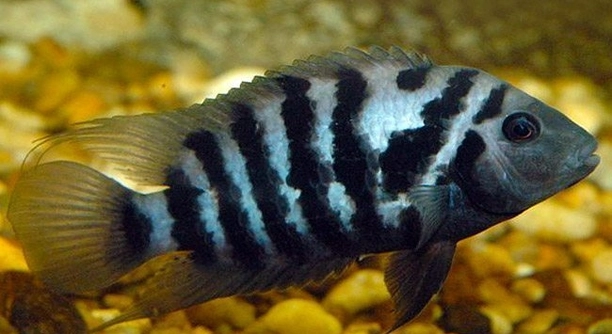
African cichlids are popular fish known for their bright colors and lively behavior. Many fish keepers notice their strong and often aggressive nature in home aquariums. Understanding their behavior helps create a better environment for both fish and owners.
African cichlids generally remain aggressive throughout their lives. Their territorial instincts and social hierarchy drive this behavior, making aggression a natural and persistent trait. However, aggression levels can vary depending on species, tank size, and social conditions.
Knowing how aggression works in these fish can help you manage your aquarium more peacefully. Learning to balance their environment is key to keeping everyone happy.
Why African Cichlids Are Aggressive
African cichlids have a natural instinct to protect their territory and compete for resources. This behavior comes from their wild habitats, where space and food are limited. In home tanks, this can cause frequent chasing and fights. Different species show different levels of aggression. Some are more peaceful, while others are very territorial. The size of the aquarium also affects aggression. Smaller tanks can make fish feel crowded, increasing stress and fighting. Adding hiding places and decorations can help reduce tension by giving fish space to escape. It’s important to know the specific needs of the species you keep to manage their behavior better. When their environment suits them, aggression is easier to control.
Aggression is also part of their social structure. It helps establish dominance and mating rights.
Understanding these reasons helps create a tank setup that works for your cichlids’ natural behavior.
Managing Aggression in Your Tank
Keeping African cichlids in a well-planned environment reduces aggressive behavior.
Proper tank size, enough hiding spots, and compatible species help. Mixing very aggressive types with more peaceful fish usually causes more problems. Watching how your fish interact is important. You can make changes if fights become serious or frequent. Feeding them well also lowers aggression, as hungry fish are more likely to fight. Regular maintenance of water quality keeps fish healthy and less stressed, which helps keep aggression down. With careful planning and attention, you can enjoy your cichlids while minimizing conflicts in the tank.
Signs of Aggression to Watch For
Aggression in African cichlids shows through chasing, biting, and fin nipping. Territorial disputes often cause constant chasing. Fish may hide or lose color when stressed.
When aggression becomes excessive, fish may get injured or show signs of stress like fading colors or hiding more than usual. It’s important to separate overly aggressive individuals to prevent harm. Watch for repeated attacks on the same fish or signs of wounds. These behaviors can disrupt the tank’s balance and harm all inhabitants.
Sometimes aggression spikes during breeding when males guard their nests. In these times, extra care is needed to avoid injuries. Adjusting tank layout or temporarily moving aggressive fish can reduce conflicts and keep the tank peaceful.
How Tank Setup Affects Behavior
Tank size influences how much space fish have to claim and defend. Small tanks increase tension by forcing fish into close quarters. Larger tanks allow fish to spread out, reducing fights over territory. Decorations, rocks, and plants provide hiding spots and break sight lines, helping fish feel safe and less threatened.
A well-arranged tank mimics natural environments, calming aggressive behavior. Clear open spaces combined with hiding spots give fish room to swim freely and places to escape if needed. This balance keeps dominant fish from bullying weaker ones nonstop. Changing the layout occasionally can also reset territories, preventing long-term bullying.
Tank setup is a key factor in managing aggression and keeping African cichlids healthier and less stressed. It takes some trial and error, but the right environment makes a big difference.
Feeding and Aggression
Feeding African cichlids well reduces competition for food, which lowers aggression. Uneaten food can cause water quality issues, so regular feeding is important.
Providing multiple feeding spots helps keep peace. This prevents dominant fish from blocking others, reducing fights during feeding times.
Choosing Compatible Species
Some cichlid species are naturally more aggressive than others. Mixing species with similar temperaments helps keep peace in the tank. Avoid placing highly aggressive fish with very peaceful ones to prevent constant bullying.
Research the species’ behavior before adding new fish. Compatibility is key to a balanced tank environment.
Using Plants and Decorations
Plants and decorations offer hiding spots that calm aggressive behavior. They create natural barriers, helping fish avoid constant confrontations and reducing stress.
When to Separate Fish
If aggression leads to injuries or constant stress, separating fish is necessary. Temporary separation can restore balance and prevent harm.
FAQ
Do African cichlids ever stop being aggressive as they get older?
African cichlids generally keep their aggressive nature throughout their lives. Their behavior is tied to territorial instincts and social hierarchy, which don’t usually fade with age. While some fish might calm slightly after establishing dominance, aggression mostly remains a constant part of their behavior.
How can I tell if aggression is normal or harmful?
Normal aggression includes occasional chasing or displays to set boundaries. Harmful aggression causes injuries, constant stress, or prevents fish from eating or resting. If you notice wounds, faded colors, or hiding fish, it’s a sign that aggression is too high and needs managing.
Can tank size alone reduce aggression?
Tank size plays a big role in reducing aggression by giving fish more space. However, it’s not the only factor. Tank layout, hiding spots, species compatibility, and feeding also affect how aggressive fish behave. A large empty tank might still cause fighting if other conditions aren’t met.
Is it okay to keep very aggressive and peaceful cichlids together?
Mixing very aggressive cichlids with peaceful ones often leads to bullying and stress for the peaceful fish. It’s better to keep fish with similar temperaments together. If mixing species, monitor closely and be ready to separate fish if aggression becomes a problem.
How often should I feed my African cichlids to reduce aggression?
Feeding twice a day with small amounts helps reduce competition and fights over food. Overfeeding can harm water quality, so feed only what fish can eat within a few minutes. Multiple feeding spots prevent dominant fish from blocking others and reduce aggressive feeding behavior.
What types of decorations help reduce aggression?
Rocks, caves, and plants create hiding spots and natural barriers in the tank. These decorations break up sight lines and give fish places to escape or rest. This reduces direct confrontations and lowers stress. Avoid overcrowding the tank, but add enough structures to create separate territories.
When is it necessary to separate aggressive fish?
If aggression causes physical harm, prevents fish from eating, or causes constant stress, separation is needed. Temporary separation can help reset social order. Permanent separation might be necessary for very aggressive individuals. Always watch fish closely and act quickly to avoid serious injuries.
Can breeding increase aggression in African cichlids?
Yes, breeding times usually bring spikes in aggression. Males guard nests and become very territorial, chasing others away. During breeding, it’s important to provide extra hiding spaces or consider moving aggressive fish temporarily to keep the tank safe.
Does water quality affect aggression levels?
Poor water quality stresses fish and can increase aggression. Keeping water clean with regular changes and good filtration helps keep fish healthy and calmer. Stressed fish are more likely to act aggressively, so water care is an important part of managing behavior.
Are there any peaceful African cichlid species?
Some species are less aggressive than others, like certain peacock cichlids or some from Lake Malawi. These species still have territorial instincts but tend to be calmer than others. Choosing species known for milder behavior can make managing aggression easier.
What role does social hierarchy play in aggression?
Social hierarchy is a natural system where dominant fish control territory and access to mates. This causes frequent displays of aggression to establish or maintain rank. Once a hierarchy is stable, fights usually reduce, but occasional aggression remains normal.
How can I tell if my tank is overcrowded?
Signs of overcrowding include frequent fights, stressed or injured fish, and poor water quality. If fish don’t have enough space to establish territories or hide, aggression rises. Following species-specific tank size recommendations helps avoid overcrowding and related problems.
African cichlids are naturally aggressive fish, and this behavior is part of who they are. Their instincts to protect territory and compete for resources are strong and usually last throughout their lives. This means aggression doesn’t just disappear as they grow older. Instead, it is important to accept that some level of aggression will always be present when keeping these fish. Understanding this helps fish keepers create an environment that balances their natural behavior with the need for peace in the tank. By learning about the causes of aggression, it becomes easier to manage and reduce its negative effects.
Creating the right environment is key to keeping African cichlids calmer. Tank size, decorations, and proper feeding all play important roles. A larger tank gives fish more space to establish territories without constant fighting. Decorations like rocks and plants offer hiding places, which reduce stress by giving fish room to escape when they feel threatened. Feeding the fish well and in multiple spots also prevents fights over food. Paying attention to these details can help keep aggression at manageable levels and improve the overall health of the fish. It takes time and care to find the best setup, but the results are worth it.
Finally, knowing when to take action is important. Some aggression is normal, but when fish get hurt or stressed, changes are needed. This might mean separating very aggressive fish or adjusting the tank layout. Regular observation helps spot problems early before injuries happen. African cichlids are beautiful and active fish, but they require careful management of their aggressive nature. With the right approach, it’s possible to enjoy their lively behavior while maintaining a peaceful tank environment for all the fish.

Hello,
If you enjoy the content that we create, please consider saying a "Thank You!" by leaving a tip.
Every little bit helps us continue crafting quality advice that supports the health, happiness, and well-being of pets around the world, for pets of all shapes, sizes, and species.
We really appreciate the kindness and support that you show us!