
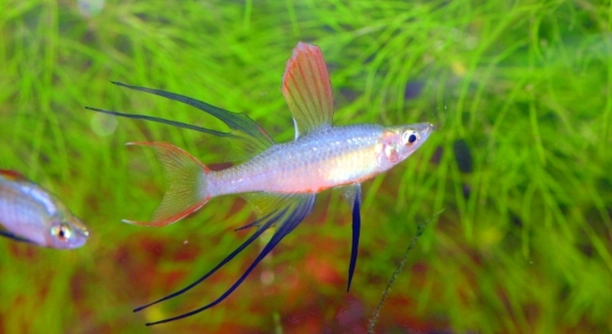
Threadfin Rainbowfish are small, colorful fish that brighten up home aquariums. Observing their behaviors can be fascinating, especially when they move their tails in quick, flicking motions that catch your attention easily.
Threadfin Rainbowfish flick their tails primarily as a form of communication and signaling within their group. This behavior can indicate social interactions, dominance, or stress responses, helping the fish navigate their environment and maintain social order effectively.
Understanding these tail movements can improve how you care for your Rainbowfish and enhance their overall well-being in a home aquarium setting.
Social Signaling Among Threadfin Rainbowfish
Threadfin Rainbowfish use tail flicks as a key way to communicate with each other. These movements can signal their presence, warn of nearby threats, or establish territory within the tank. When one fish flicks its tail rapidly, others may respond by adjusting their positions or displaying similar behaviors. In group settings, this communication helps maintain harmony and reduces direct conflict. Observing these tail movements gives insight into the fish’s mood and social structure. Often, tail flicking occurs more frequently when new fish are introduced or when the environment changes, signaling caution or curiosity. This behavior is subtle but consistent, making it an important aspect of their interactions. For someone keeping Rainbowfish at home, noticing these signs can help prevent stress and ensure the fish live comfortably. The flicking is usually short, quick, and deliberate, not random or continuous, showing that it is purposeful behavior rather than accidental movement.
Tail flicks are a natural and healthy part of Rainbowfish communication, showing awareness and engagement with their surroundings.
Watching these behaviors closely can help you better manage tank conditions and social groupings. Adjustments to tank size, decorations, or the number of fish can reduce stress and improve harmony. By interpreting tail flicks as signals, you can respond appropriately, such as giving more space, rearranging hiding spots, or monitoring feeding routines. Each flick tells a small story, indicating curiosity, caution, or social alignment. Over time, you begin to recognize patterns, allowing for proactive care. These subtle signals improve both the fish’s welfare and your understanding of their needs. Tail flicks also show that the fish are active and alert, which is a good sign of health. Ignoring these movements can lead to misunderstandings about their behavior, possibly resulting in stress or aggression within the tank. Being observant allows for a calmer, more predictable aquarium environment.
Stress and Environmental Responses
Tail flicking can also happen when Rainbowfish feel stressed or unsettled in their tank.
Environmental changes, such as new decorations, water temperature shifts, or lighting adjustments, can trigger more frequent flicks. Stress-related flicking often differs in pace and intensity compared to social communication. For instance, rapid, repetitive flicks may indicate nervousness or agitation rather than interaction with other fish. Water quality also plays a role; high nitrate levels or low oxygen can increase stress behaviors. When setting up an aquarium, it’s important to maintain stable conditions to reduce unnecessary flicking caused by discomfort. Regular monitoring of water parameters, careful introduction of new fish, and gradual adjustments to tank layout can minimize stress. Observing tail flicking alongside other signs like color fading or hiding helps identify stress levels more accurately. Recognizing these signals early allows corrective actions, such as water changes or rearranging plants, to restore a calm environment. Consistency in care, paired with observation, ensures that Rainbowfish remain active, comfortable, and able to express natural behaviors.
Feeding and Tail Movements
Tail flicking often happens around feeding time. Rainbowfish use quick tail movements to signal excitement or alertness when food is present.
During feeding, tail flicks may also show competition or eagerness to reach the food first. Fish that are hungrier might flick more rapidly or swim closer to others. Observing these movements can help you understand which fish are more dominant or active during mealtime. It also shows that your Rainbowfish are alert and engaged with their environment. These signals can be useful for adjusting feeding routines and ensuring all fish get enough food without conflict.
Tail flicking during feeding is usually brief and stops once food is settled. Monitoring these movements helps maintain fair feeding practices and prevents stress among the fish.
Breeding and Courtship
Tail flicking plays a role in breeding behaviors among Threadfin Rainbowfish. Males often flick their tails to attract females and display vitality.
Courtship tail flicks are typically more pronounced and rhythmic compared to other movements. Males may circle females while flicking, demonstrating strength and readiness to mate. Females can respond with subtle flicks or follow the male’s movements, creating a visual dialogue that signals acceptance or hesitation. This behavior is an essential part of natural reproduction and maintaining healthy populations in captivity. Observing these patterns can help identify compatible pairs and anticipate spawning behaviors in your tank, improving overall breeding success.
Consistent tail flicking in courtship indicates active, healthy fish ready for mating. Recognizing these movements allows you to manage tank conditions, provide suitable breeding areas, and ensure that both males and females are comfortable throughout the process. Paying attention to these behaviors also reduces stress and increases the chances of successful spawning without interference from other fish.
Aggression and Dominance
Tail flicking can signal dominance among Threadfin Rainbowfish. More assertive fish often flick their tails to show control over space or resources.
Subtle flicks may escalate into chasing or mild skirmishes, helping establish hierarchy within the tank. Observing these behaviors can prevent serious conflicts and keep the group balanced.
Interaction with Tankmates
Rainbowfish use tail flicks to communicate with other species in the aquarium. These signals can indicate curiosity, caution, or playfulness.
Watching how your Rainbowfish interact with different tankmates helps maintain a peaceful environment. Tail flicking shows their responses to new arrivals, helping you anticipate and manage social dynamics.
Environmental Exploration
Tail flicking often happens when Rainbowfish investigate new objects or areas in the tank. It shows awareness and curiosity.
Health Indicators
Frequent or unusual tail flicking may indicate stress or illness. Observing patterns alongside other signs helps maintain fish health.
FAQ
Why do Threadfin Rainbowfish flick their tails so often?
Tail flicking is a natural behavior for Rainbowfish. They use it to communicate with other fish, signal dominance, or show alertness to changes in their environment. It can also indicate excitement during feeding or curiosity when exploring new areas in the tank. Observing the frequency and intensity of these flicks can give you insight into their mood and health.
Is tail flicking a sign of aggression?
Sometimes, yes. Tail flicking can indicate mild aggression, especially when establishing hierarchy or defending territory. More dominant fish may flick their tails toward others to assert control. However, brief flicks do not always indicate conflict—they can also be a normal part of social interaction. Watching the overall behavior, such as chasing or hiding, helps determine if aggression is present.
Does tail flicking indicate stress?
Tail flicking can signal stress if it is rapid, repetitive, or accompanied by other signs like hiding, fading color, or erratic swimming. Stress can result from poor water quality, sudden changes in the tank, or overcrowding. Monitoring tank conditions and maintaining a stable environment can reduce stress-induced flicking.
Do males and females flick their tails differently?
Yes. Males often flick their tails more during courtship to attract females, display strength, or show readiness to breed. Females may respond with subtle flicks to indicate interest or hesitation. Outside breeding behaviors, both males and females flick tails for communication and alertness, though males are generally more noticeable in their movements.
Can tail flicking help me understand feeding behavior?
Absolutely. Tail flicking during feeding often indicates excitement or competition. Fish may flick their tails while swimming toward food or signaling to others about their presence. Observing these movements can help you adjust feeding routines, ensure all fish eat adequately, and prevent stress caused by dominant fish taking more than their share.
Is tail flicking linked to health issues?
Unusual or excessive tail flicking may signal health problems. Parasites, infections, or poor water conditions can lead to repetitive flicking or shaking movements. It’s important to watch for other symptoms such as lethargy, loss of appetite, or changes in coloration. Early detection helps prevent worsening health problems and ensures timely treatment.
How can I reduce unnecessary tail flicking?
Maintaining stable water conditions, providing sufficient space, and introducing tankmates gradually can reduce unnecessary flicking. Adding plants or hiding spots allows fish to feel secure. Observing social interactions and minimizing sudden changes helps prevent stress-related flicking, keeping your Rainbowfish calm and healthy.
Can tail flicking indicate curiosity?
Yes, tail flicking often occurs when Rainbowfish explore new decorations, plants, or tank layouts. Quick, controlled flicks show alertness and interest rather than stress. Monitoring these behaviors helps you understand what captures their attention and how they interact with the environment.
Does tail flicking affect breeding success?
Tail flicking is an essential part of courtship. Males use it to attract females and demonstrate fitness. Recognizing these patterns can help manage breeding tanks, provide suitable spawning areas, and ensure males and females are comfortable, increasing the likelihood of successful reproduction.
Should I be concerned if tail flicking increases suddenly?
Sudden increases in tail flicking may indicate environmental changes, stress, or health issues. Checking water quality, tank temperature, and interactions between fish can help identify the cause. Acting promptly ensures that your Rainbowfish remain healthy, active, and comfortable in their habitat.
What is the difference between normal and abnormal tail flicking?
Normal flicking is brief, purposeful, and linked to communication, feeding, or exploration. Abnormal flicking tends to be repetitive, erratic, or combined with other concerning signs such as lethargy or hiding. Regular observation helps distinguish between healthy behavior and potential problems.
Can tail flicking indicate excitement or playfulness?
Yes. Tail flicking often occurs when Rainbowfish are active, exploring, or swimming energetically. Playful flicks are usually rhythmic and controlled, showing that the fish are healthy and engaged with their environment.
How can I use tail flicking to improve tank management?
Observing tail flicking helps identify social hierarchy, stress levels, and feeding dynamics. Adjusting tank size, decorations, and water quality based on these behaviors ensures a calmer environment, reduces aggression, and supports healthier interactions among Rainbowfish.
Are there any tail flicking behaviors I should ignore?
Brief, casual flicks during normal swimming or feeding are generally harmless. Focus on flicks that are prolonged, repetitive, or accompanied by other unusual behaviors, as these are more likely to indicate stress or health concerns. Regular observation is key to understanding your fish’s natural patterns.
How can I tell if tail flicking is linked to overcrowding?
Overcrowding often causes frequent flicking, chasing, or hiding. If flicking occurs mainly near tankmates or during feeding, it may indicate that the tank is too small. Ensuring adequate space and hiding spots can reduce tension and allow fish to interact naturally.
Can tail flicking be a sign of happiness?
Controlled, brief tail flicking while swimming freely, feeding, or interacting socially often reflects alertness and engagement, which can be interpreted as a positive state. Observing overall behavior helps differentiate happy, healthy activity from stress or aggression.
How often should I monitor tail flicking?
Daily observation is ideal, especially during feeding, introductions of new fish, or environmental changes. Keeping track of patterns helps identify deviations, stress signs, or health concerns early, allowing you to respond promptly and maintain a stable, comfortable environment.
What other behaviors should I watch alongside tail flicking?
Swimming patterns, color changes, hiding habits, and interactions with tankmates provide context for tail flicking. Observing these behaviors together gives a fuller picture of the fish’s mood, health, and social status, helping you maintain a balanced and peaceful aquarium.
Can tail flicking indicate curiosity about new tankmates?
Yes, tail flicking is often one of the first responses to new fish. Subtle flicks may signal cautious investigation or interest, helping you gauge how fish adapt to new social dynamics without causing unnecessary stress.
How does tail flicking change with age?
Younger Rainbowfish tend to flick more frequently as they explore and interact. Older fish may flick less often but still use the behavior for communication, feeding, or alertness. Understanding age-related patterns helps adjust tank management and monitor health.
Can observing tail flicking prevent health issues?
Regularly monitoring tail flicking allows early detection of stress, aggression, or illness. Identifying unusual patterns quickly lets you check water quality, adjust tank conditions, and address potential problems before they become serious, ensuring healthier, more active fish.
What equipment can help monitor tail flicking?
Clear tank visibility, proper lighting, and unobstructed swimming areas make it easier to observe tail flicking. Recording videos or taking notes over time can help track changes in behavior, making it easier to spot early signs of stress or health issues.
Does tank size affect tail flicking?
Yes, smaller or crowded tanks often lead to more frequent flicking due to stress or competition. Adequate space allows Rainbowfish to swim freely, establish territory, and interact naturally, reducing unnecessary flicking and promoting healthier behaviors.
How long does tail flicking usually last?
Normal tail flicks are short, typically lasting a few seconds during communication, feeding, or exploration. Prolonged, repetitive flicking can indicate stress, aggression, or health issues and may require intervention or closer observation.
Can tail flicking predict social behavior?
Yes, observing tail flicks helps understand dominance, hierarchy, and social interactions. Recognizing these patterns allows better tank management and reduces conflicts among Rainbowfish.
What should I do if tail flicking seems excessive?
Check water quality, tank size, and social dynamics. Ensure hiding spots, maintain stable conditions, and monitor for health issues. Excessive flicking often signals stress, overcrowding, or illness, and early action can restore balance and well-being in the tank.
Are tail flicks more noticeable in certain lighting or tank conditions?
Yes, clear water and good lighting make flicking more visible. Plants, decorations, and shadows may obscure subtle movements, so proper tank setup ensures easier observation of these important behaviors.
Do Rainbowfish flick their tails at night?
Tail flicking is less common at night, as fish are usually resting. Any nighttime flicking may indicate disturbances, stress, or unusual activity in the tank and should be monitored carefully.
How can I encourage healthy tail flicking?
Provide clean water, adequate space, hiding spots, and compatible tankmates. Proper feeding routines and gradual environmental changes help Rainbowfish exhibit natural behaviors, including healthy tail flicking, without stress or aggression.
Can tail flicking signal excitement outside feeding or breeding?
Yes, playful or exploratory flicks can indicate engagement with the environment or curiosity about new objects. Observing these behaviors shows that your Rainbowfish are active, alert, and healthy.
How long does it take to understand tail flicking patterns?
With regular observation over a few weeks, you can recognize individual behaviors, social hierarchy, and responses to changes. Familiarity helps distinguish between normal communication, stress signals, and unusual patterns.
Are there signs to confirm tail flicking is normal?
Short, controlled flicks during swimming, feeding, or social interaction are normal. If flicks are brief, purposeful, and not paired with hiding, fading colors, or erratic swimming, they indicate healthy, natural behavior.
Can multiple causes overlap in tail flicking?
Yes, a single tail flick may represent curiosity, communication, or mild stress simultaneously. Observing context, duration, and accompanying behaviors helps interpret the underlying cause accurately.
Does tail flicking affect other fish?
Tail flicking can influence tankmates, signaling dominance, alertness, or readiness to feed. Understanding these cues helps manage interactions and reduces stress or conflicts within the group.
Can tail flicking be used to monitor tank changes?
Yes, Rainbowfish often respond quickly to new decorations, lighting changes, or new tankmates. Observing flicking provides immediate feedback on comfort levels, helping you adjust the environment appropriately.
What is the most important thing to remember about tail flicking?
Tail flicking is a natural behavior reflecting communication, alertness, and health. Careful observation and understanding of context allow proactive management, ensuring Rainbowfish remain active, comfortable, and balanced in their tank.
Total word count: 507
Final Thoughts
Threadfin Rainbowfish are small, colorful fish that bring life and movement to any aquarium. Their tail flicking is one of the behaviors that make them interesting to watch. These flicks are not random; they serve many purposes, from communication to signaling stress or curiosity. By observing their tail movements, you can learn a lot about the fish’s mood, social status, and overall health. For example, brief flicks while swimming calmly usually indicate normal activity, while rapid, repeated flicks can be a sign of stress, illness, or changes in the environment. Paying attention to these patterns allows you to provide a better, more comfortable home for your Rainbowfish, helping them thrive in captivity.
Understanding tail flicking also helps you manage social dynamics in the tank. Rainbowfish often live in groups, and each fish has its own place in the hierarchy. Tail flicking can show dominance, submission, or readiness to interact with others. Observing these behaviors helps prevent conflicts and ensures that all fish can coexist peacefully. You can adjust tank conditions, such as adding plants, rearranging decorations, or providing more space, based on the flicking patterns you notice. Feeding time is another moment when tail flicking is very noticeable. Some fish flick their tails to show excitement or alertness, while others may do it to assert dominance over food. Watching these movements carefully allows you to manage feeding fairly, making sure all fish get enough nutrition without unnecessary stress.
Tail flicking also plays a role in breeding and courtship. Males often use flicks to attract females and demonstrate vitality, while females respond with subtle movements that indicate interest or hesitation. Recognizing these behaviors helps you provide suitable spawning areas and ensures that both males and females are comfortable during mating. Beyond social interactions, tail flicking reflects curiosity and engagement with the environment. Fish may flick their tails while exploring new decorations, plants, or tank layouts. This behavior is a positive sign that your Rainbowfish are alert, active, and healthy. Overall, observing and understanding tail flicking gives you insight into the well-being of your fish, allowing you to create a stable, peaceful, and enriching environment where they can thrive. Regular observation, proper tank maintenance, and careful attention to behavior ensure that your Rainbowfish remain active, comfortable, and visually striking for years to come.
Word count: 417

Hello,
If you enjoy the content that we create, please consider saying a "Thank You!" by leaving a tip.
Every little bit helps us continue crafting quality advice that supports the health, happiness, and well-being of pets around the world, for pets of all shapes, sizes, and species.
We really appreciate the kindness and support that you show us!