
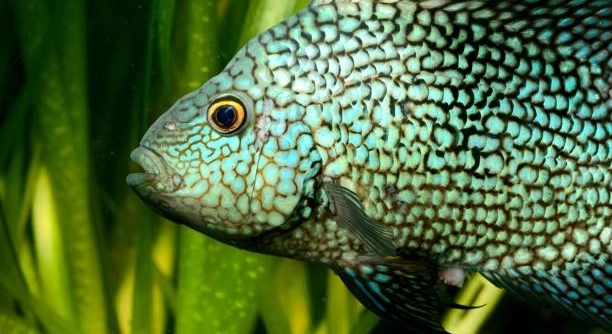
Keeping a Jack Dempsey cichlid means more than just filling a tank with water. Ensuring their environment is stable and supportive helps them thrive, stay active, and display their natural colors and behaviors consistently.
A healthy Jack Dempsey environment is defined by proper water temperature, pH balance, filtration, tank size, substrate choice, hiding spots, and a stress-free atmosphere. Each factor contributes to their well-being, growth, and longevity in captivity. Maintaining these conditions prevents disease and promotes natural behavior.
Recognizing these key indicators allows you to create a safe and comfortable space for your Jack Dempsey to flourish naturally.
Water Temperature and pH Balance
Jack Dempseys need stable water conditions to stay healthy. Their ideal temperature ranges from 78°F to 85°F, and maintaining this range supports their metabolism and activity levels. Sudden fluctuations can stress them, making them more prone to illness. Equally important is the pH level, which should remain between 6.5 and 8.0. Regular testing and adjustments help prevent harmful swings that could affect their immune system. Using a reliable heater, thermometer, and pH test kit ensures consistency.
Maintaining the right water conditions helps your fish stay active, vibrant, and less prone to disease.
Temperature control and proper pH balance are critical. Consistent monitoring avoids stress and promotes natural behavior. These simple steps lay the foundation for a healthy tank environment, reducing the risk of long-term health issues.
Tank Size and Substrate
A spacious tank allows Jack Dempseys to swim freely and establish territories. A 55-gallon tank or larger is recommended for a single adult, with more space needed for multiple fish. Substrate choice also matters. Sand or fine gravel mimics their natural habitat, letting them dig safely without injury. Rocks, driftwood, and plants provide hiding spots and visual barriers, reducing aggression and stress. Overcrowding or inappropriate substrate can lead to health problems, including fin damage and poor growth.
Proper tank size ensures comfortable swimming and reduces conflicts.
Providing adequate space and suitable substrate supports both physical and mental health. Jack Dempseys are territorial, so separation with decorations helps prevent fights. Natural substrates allow safe digging, which keeps them active and engaged. Combined with hiding spots, these elements create a stable environment that encourages natural behavior and vibrant coloration. A well-structured tank also simplifies maintenance and monitoring, allowing you to quickly identify issues like leftover food or waste buildup. Observing your fish interacting with the space confirms that conditions are appropriate and stress levels remain low. The right tank setup encourages feeding, exploration, and exercise, directly contributing to their overall health and long-term well-being.
Filtration and Water Movement
Strong filtration keeps Jack Dempsey tanks clean and oxygen-rich. A filter rated for your tank size removes debris, toxins, and ammonia, which prevents illness. Moderate water movement mimics their natural habitat, supporting healthy gill function and circulation.
Filtration directly affects water quality. Choosing a filter that cycles the tank volume at least four times per hour is ideal. Regular maintenance, such as cleaning the filter media and replacing worn parts, ensures optimal performance. Excessive flow can stress Jack Dempseys, so balancing movement with calm zones is important. Filters also provide surfaces for beneficial bacteria, which help break down waste and maintain chemical balance. Observing water clarity and fish behavior helps confirm the filtration system is effective. A properly filtered tank reduces maintenance stress and supports long-term fish health.
Consistent water flow encourages natural behavior and improves oxygen levels. It prevents buildup of waste, keeping the environment stable and safe for your fish.
Hiding Spots and Tank Decoration
Providing multiple hiding spots reduces aggression and stress. Rocks, caves, driftwood, and plants allow Jack Dempseys to establish territories, rest, and feel secure.
Decorations should create distinct areas without overcrowding the tank. Proper placement allows swimming space while offering shelter from dominant fish. Plants can be live or artificial, but they need anchoring to prevent uprooting. Combining vertical and horizontal elements supports exploration and mimics natural habitats. Observe fish interactions with these spaces to ensure less dominant individuals can retreat safely. Decorations also reduce visual stress by breaking lines of sight, which is especially important in community tanks. Avoid sharp edges or unstable items that could injure fins or scales.
Hiding spots improve well-being by offering security. They support natural behavior, reduce stress, and encourage activity throughout the tank.
Feeding and Nutrition
A balanced diet keeps Jack Dempseys healthy and active. High-quality pellets, supplemented with live or frozen foods, provide essential nutrients for growth, color, and overall health.
Feeding should be measured and consistent. Overfeeding can pollute the water, while underfeeding slows growth. Offering variety prevents nutrient deficiencies and keeps the fish engaged during mealtime.
Observation of Behavior
Regularly watching your Jack Dempsey helps detect stress, illness, or aggression early. Changes in swimming patterns, appetite, or color indicate potential problems that need addressing promptly.
Tank Cleanliness
Maintaining a clean tank reduces disease risk. Weekly partial water changes, substrate vacuuming, and removing uneaten food keep water quality high and support a healthy environment for your fish.
Stress Reduction
Minimizing sudden changes in lighting, temperature, or tank layout prevents stress. Consistent routines and a stable environment allow Jack Dempseys to feel secure and maintain natural behavior.
FAQ
How often should I test the water for my Jack Dempsey?
Testing the water at least once a week is important. Key parameters include pH, ammonia, nitrite, and nitrate levels. Keeping a log helps track changes over time. If readings drift outside safe ranges, immediate adjustments can prevent stress or illness. Consistency is better than frequent drastic changes.
What is the best diet for a Jack Dempsey?
A varied diet works best. High-quality pellets should form the base, with live or frozen foods like bloodworms, brine shrimp, or krill as supplements. Occasional vegetables such as peas can aid digestion. Feeding small amounts twice daily prevents overfeeding and maintains water quality.
How do I know if my fish is stressed?
Signs of stress include hiding excessively, loss of appetite, faded colors, rapid gill movement, or unusual swimming patterns. Aggression between tank mates can also indicate stress. Observing behavior daily allows you to make environmental adjustments quickly.
Can Jack Dempseys live with other fish?
They are semi-aggressive and territorial. Suitable tank mates are similarly sized and robust species, like large tetras, silver dollars, or other cichlids with compatible temperaments. Avoid small, slow-moving, or long-finned fish that may become targets. Proper tank size and hiding spots reduce conflicts.
How large should my tank be?
A single adult requires at least a 55-gallon tank. For multiple fish, increase the size accordingly. Extra space helps reduce aggression, provides enough swimming area, and allows for proper territory establishment. Adequate volume also improves water stability and maintenance.
How often should I clean the tank?
Weekly partial water changes of 20–30% are recommended. Remove uneaten food and vacuum the substrate regularly. Clean filter components carefully without disrupting beneficial bacteria. Keeping a consistent schedule maintains water quality and reduces stress.
Do Jack Dempseys need live plants?
Live plants are optional but beneficial. They provide hiding spots, improve water quality, and create natural territories. Hardy species like java fern or anubias are ideal because they tolerate digging and semi-aggressive behavior. Artificial plants can also work if anchored properly.
What water temperature is ideal?
Maintain temperatures between 78°F and 85°F. Using a reliable heater ensures stability, as sudden drops or spikes can stress the fish. Observing behavior and feeding habits helps confirm that conditions are comfortable.
How do I reduce aggression in the tank?
Provide ample hiding spots, break lines of sight, and ensure the tank is large enough. Adding decorations and plants creates territories and reduces direct confrontations. Monitor interactions and separate overly aggressive individuals if necessary.
How long do Jack Dempseys live?
With proper care, they can live 8–10 years or longer. A stable environment, balanced diet, and consistent maintenance significantly contribute to longevity. Regular observation helps prevent health issues that could shorten their lifespan.
Can I keep Jack Dempseys in a community tank?
Yes, but carefully. Choose robust, similarly sized fish and provide space for territories. Observe interactions and be ready to separate fish if aggression escalates. Proper planning and monitoring are key to a peaceful community setup.
What substrate is best for their tank?
Fine sand or small gravel is recommended. They enjoy digging, and sharp or coarse substrates can injure them. Substrate choice also affects plant growth and makes maintenance easier. Regular cleaning prevents waste accumulation and water quality issues.
How do I tell if my fish is healthy?
Healthy Jack Dempseys have bright colors, active swimming, clear eyes, and a good appetite. Behavior should be consistent, without excessive hiding or aggression. Early detection of unusual signs prevents illness and keeps the fish thriving.
What should I do if my fish shows signs of illness?
Quarantine affected individuals and check water quality immediately. Identify symptoms carefully and consult resources for specific treatments. Maintaining a clean, stable environment helps recovery, and prompt action can prevent disease from spreading.
Are Jack Dempseys compatible with small fish?
No, small fish are at risk of being attacked. Stick to similar-sized, robust species to maintain safety and reduce stress. Proper tank layout and hiding spaces further support peaceful cohabitation.
How do I maintain stable water chemistry?
Regular testing, partial water changes, and proper filtration keep parameters steady. Avoid sudden additions of chemicals or drastic changes in temperature and pH. Consistency is more important than frequent adjustments.
How often should I feed my Jack Dempsey?
Feed twice daily in small amounts. Overfeeding leads to water pollution and health issues. Observing appetite ensures portions are appropriate. Offering variety supports nutrition and keeps them active.
Can Jack Dempseys tolerate fluctuating temperatures?
No, fluctuations can stress them, weakening their immune system. A reliable heater and monitoring system prevent sudden changes. Consistent temperature supports feeding, activity, and color.
How do I encourage natural behavior?
Provide hiding spots, appropriate substrate, and moderate water flow. Observing interactions, territory use, and activity patterns confirms that conditions support natural behaviors. Environmental enrichment reduces stress and keeps them engaged.
What signs indicate overfeeding?
Uneaten food, cloudy water, slow swimming, and bloating suggest overfeeding. Adjust portions, remove leftovers promptly, and maintain a consistent feeding schedule to protect water quality and fish health.
How do I choose tank mates for Jack Dempseys?
Select similarly sized, robust species that can handle semi-aggressive behavior. Avoid small or slow-moving fish. Space and decorations help reduce conflicts and allow peaceful coexistence.
Is regular observation necessary?
Yes, daily monitoring helps detect stress, disease, or aggression early. Consistent observation ensures that water parameters, behavior, and feeding habits remain healthy. Prompt adjustments prevent minor issues from becoming serious problems.
Can Jack Dempseys live alone?
Yes, a single fish can thrive if given enough space and environmental enrichment. Solitary living avoids territorial conflicts and simplifies maintenance while still allowing natural behaviors to emerge.
How often should I replace filter media?
Replace parts according to manufacturer instructions, typically every few months. Rinse media in tank water to preserve beneficial bacteria. Proper maintenance ensures effective filtration and stable water quality.
Are Jack Dempseys aggressive toward each other?
They are territorial, especially during breeding. Providing space, hiding spots, and monitoring interactions reduces aggression. Separating individuals if conflicts escalate prevents injury and stress.
Can Jack Dempseys tolerate brackish water?
No, they are freshwater fish and do best in stable freshwater conditions. Salt or brackish water can cause stress, illness, and long-term health issues.
How do I prevent fin damage?
Use soft, safe substrate and avoid sharp decorations. Minimize aggression by providing hiding spots and adequate space. Regular observation ensures that damaged fins are treated promptly.
What lighting conditions are best?
Moderate lighting replicates natural conditions and supports live plants if present. Avoid sudden changes or overly bright lights, which can stress fish and affect behavior.
Can I breed Jack Dempseys in a home tank?
Yes, but only in a spacious, well-prepared tank. Provide hiding spots, suitable substrate, and stable water conditions. Monitor pair behavior and be ready to separate fry to prevent aggression.
How do I know if water quality is stable?
Clear water, normal fish behavior, and consistent test readings indicate stability. Sudden changes in pH, ammonia, nitrites, or nitrates signal the need for immediate action.
Do Jack Dempseys require supplements?
Not if fed a balanced diet. Occasional live or frozen foods enhance nutrition and color. Avoid over-supplementing, as it can lead to water quality issues.
How long should a Jack Dempsey be left alone when introducing new tank mates?
Introduce slowly and monitor interactions closely. A week of observation often helps identify compatibility before permanent mixing. Adjust tank layout if aggression occurs.
What is the best way to acclimate a Jack Dempsey?
Float the bag in tank water, gradually add tank water over 30–60 minutes, and release carefully. This reduces stress and prevents shock from temperature or chemistry differences.
Can Jack Dempseys tolerate cooler water?
No, prolonged exposure to temperatures below 75°F slows metabolism, weakens immunity, and increases disease risk. Maintaining warmth is critical for health.
What are common signs of disease?
Faded color, clamped fins, unusual swimming, spots, or swelling are common indicators. Early detection and treatment increase the chance of full recovery.
Are Jack Dempseys compatible with other cichlids?
Some cichlids work well if sizes and temperaments match. Avoid highly aggressive species that may dominate or injure them. Proper tank layout helps maintain balance.
How do I manage water hardness?
Use a mix of tap and filtered water to achieve the recommended 8–12 dGH range. Monitor regularly, as extremes can stress the fish and affect pH stability.
Can Jack Dempseys recognize their owners?
They can learn to associate feeding and presence with humans. Recognition is subtle, often shown through approach or observation rather than interaction.
How often should I check tank decorations?
Weekly checks ensure stability and safety. Loose or sharp items can harm fish and disrupt territories. Regular inspection prevents accidents and stress.
What temperature fluctuations are safe?
Fluctuations should be minimal, ideally within 2–3°F. Larger swings can stress fish, affecting feeding, activity, and overall health.
How do I prevent water cloudiness?
Proper filtration, measured feeding, and regular substrate cleaning reduce cloudiness. Avoid overstocking and monitor water parameters consistently.
Are Jack Dempseys nocturnal?
No, they are primarily active during daylight. Nighttime activity is limited to movement within hiding spots or minimal exploration.
How do I stop aggressive behavior during feeding?
Distribute food in multiple areas, offer small portions, and ensure enough space for all individuals. This prevents dominance and reduces stress.
What tank accessories are necessary?
Heater, filter, thermometer, substrate, hiding spots, and lighting are essential. Optional items include plants, decorations, and water testing kits for monitoring.
Can Jack Dempseys survive without hiding spots?
They can survive, but stress increases and natural behavior diminishes. Hiding spots are important for mental health and reducing aggression.
How do I introduce new fish safely?
Quarantine newcomers for 2–3 weeks, monitor for disease, and acclimate slowly. Gradually integrate into the main tank to minimize stress and aggression.
Do Jack Dempseys need a specific light cycle?
Maintain a regular day-night cycle of 10–12 hours of light. Consistency supports natural behavior and reduces stress.
Are Jack Dempseys sensitive to noise?
Loud vibrations can startle them, causing stress. Keep the tank in a stable, quiet location to support comfort and well-being.
How do I tell if a tank is too small?
Signs include frequent aggression, limited swimming, stress behaviors, and overcrowding. Increasing tank size or reducing population resolves these issues.
What is the best way to feed fry?
Provide small, frequent meals of high-protein foods like baby brine shrimp. Monitor growth and water quality closely, and remove uneaten food promptly.
Can Jack Dempseys live with plecos?
Yes, if tank size is adequate. Plecos are bottom dwellers and usually avoid conflict, making them compatible tank mates.
How do I reduce algae growth?
Limit light exposure, avoid overfeeding, and maintain regular water changes. Introducing live plants or algae-eating species can help control excess growth.
Are Jack Dempseys hardy fish?
They are moderately hardy but require stable water conditions, proper diet, and adequate space. Neglecting these factors increases stress and disease risk.
Do Jack Dempseys require a specific water flow?
Moderate flow is ideal. Too strong a current stresses them, while stagnant water reduces oxygen and encourages waste buildup. Balance flow for health and comfort.
How do I encourage breeding behavior?
Provide a stable, well-decorated tank, maintain optimal temperature and pH, and ensure a nutritious diet. Observing pairs and offering flat surfaces encourages spawning.
Can Jack Dempseys tolerate sudden lighting changes?
No, sudden changes can cause stress. Gradual adjustments during maintenance or tank relocation are recommended to prevent shock.
How often should I observe my fish?
Daily observation ensures early detection of stress, disease, or behavioral changes. Consistency allows timely intervention and maintains a healthy environment.
Are Jack Dempseys aggressive toward invertebrates?
Yes, small invertebrates like shrimp are likely to be eaten. Only large, robust species may coexist safely.
What is the best way to monitor water quality?
Use reliable test kits to measure pH, ammonia, nitrites, nitrates, and hardness. Keep records and act promptly when parameters drift outside safe ranges.
Can Jack Dempseys live in soft water?
Moderately soft water is acceptable, but extremely soft conditions can affect health. Maintain stable water chemistry within recommended ranges.
Do Jack Dempseys need supplemental vitamins?
Not usually. A balanced diet with occasional live foods provides adequate nutrition. Excess supplementation is unnecessary and can harm water quality.
What are the most common mistakes with Jack Dempseys?
Overcrowding, poor water quality, inadequate diet, and lack of hiding spots are frequent issues. Observing behavior and maintaining stable conditions prevents problems.
How do I acclimate a new tank setup?
Cycle the tank fully before adding fish, establish stable temperature and pH, and introduce decorations gradually. Proper preparation reduces stress and supports health.
Can Jack Dempseys handle tap water?
Yes, if treated and dechlorinated. Removing chlorine, chloramine, and heavy metals ensures a safe environment for fish survival and growth.
Are Jack Dempseys compatible with Oscars?
They can coexist in large tanks with adequate space, but monitor closely due to similar aggression levels. Proper layout and hiding spots are essential.
How do I prevent disease outbreaks?
Maintain stable water parameters, feed a balanced diet, perform regular cleaning, quarantine new fish, and observe behavior daily. Early detection and consistent care reduce risks.
Do Jack Dempseys need water conditioners?
Yes, conditioners remove chlorine, chloramine, and heavy metals from tap water, making it safe for fish and protecting their delicate gills.
What is the ideal pH range?
Maintain between 6.5 and 8.0 for optimal health, growth, and coloration. Regular testing ensures stability and prevents stress.
How can I tell if a tank has too much waste?
Cloudy water, strong odors, and buildup on substrate indicate excess waste. Frequent cleaning and partial water changes prevent harmful effects.
Are Jack Dempseys aggressive during breeding?
Yes, pairs become territorial and protective. Provide sufficient hiding spots and monitor other tank mates closely to prevent injury.
Can Jack Dempseys adapt to new tanks quickly?
They need gradual acclimation. Sudden changes in water chemistry, temperature, or layout can stress them and affect appetite or behavior.
How do I reduce aggression in a community tank?
Use ample hiding spots, decorations, and large tank size. Monitor interactions and separate overly aggressive individuals when necessary.
Do Jack Dempseys need specific lighting for breeding?
Moderate, consistent lighting supports natural behavior. Avoid sudden changes to reduce stress and encourage spawning activities.
What is the safest way to handle them?
Minimize direct contact. Use nets gently and avoid squeezing. Handling should be limited to necessary transfers or medical treatment.
Can Jack Dempseys coexist with large catfish?
Yes, bottom-dwelling species like large catfish usually avoid conflict. Monitor interactions and ensure enough space for all inhabitants.
How do I recognize territorial behavior?
Chasing, displays, and chasing intruders from certain areas indicate territory. Providing decorations and hiding spots helps reduce stress.
What maintenance schedule is ideal?
Weekly partial water changes, regular substrate cleaning, filter maintenance, and daily observation maintain stable conditions and healthy fish.
Can Jack Dempseys live in a bare tank?
Yes, but stress may increase. Lack of hiding spots and territories can lead to aggression and reduced natural behavior. Adding decorations improves well-being.
How do I prevent stress from tank mates?
Select compatible species, provide space, and monitor interactions. Use hiding spots and visual barriers to reduce confrontations.
Are Jack Dempseys sensitive to chemicals?
Yes, medications, cleaners, or untreated water can harm them. Always use fish-safe products and follow dosing instructions carefully.
Can Jack Dempseys survive in low oxygen?
No, low oxygen stresses them and increases disease risk. Aeration or moderate water movement ensures sufficient oxygen levels.
How long should I quarantine new fish?
At least 2–3 weeks to monitor for disease. Quarantine reduces the risk of introducing illness into the main tank.
What is the best temperature for fry growth?
Maintain slightly warmer conditions around 80–82°F. Stable temperatures support metabolism, feeding, and development.
How do I maintain coloration?
Balanced diet, stable water conditions, and proper lighting enhance natural coloration. Stress, poor nutrition, or poor water quality can dull colors.
Do Jack Dempseys recognize tank mates?
Yes, they learn territories and individual interactions over time. Familiarity can reduce aggression and establish stable hierarchies.
Can Jack Dempseys adapt to slightly hard water?
Yes, moderate hardness is acceptable. Extreme hardness or rapid changes should be avoided to prevent stress.
How do I know if they are overfed?
Leftover food, bloating, and reduced activity indicate overfeeding. Adjust portion sizes and monitor water quality regularly.
Are Jack Dempseys sensitive to light intensity?
Yes, very bright lights can stress them. Moderate, consistent lighting supports behavior and reduces stress.
What signs show good tank conditions?
Active swimming, bright coloration, regular feeding, and calm behavior indicate a stable, healthy environment.
How do I reduce fin nipping?
Provide space, decorations, and compatible tank mates. Monitor behavior and separate aggressive individuals if necessary.
Do Jack Dempseys require specific minerals?
Not if using balanced water and diet. Occasional supplementation is only needed if deficiencies are identified.
Can they live in small tanks temporarily?
Short-term confinement is possible, but long-term health requires sufficient space to swim and establish territories.
How do I prevent overcrowding?
Limit the number of fish according to tank size.
Final Thoughts
Creating a healthy environment for Jack Dempseys requires attention to several key factors. Maintaining stable water temperature and pH, along with proper filtration, is essential to keep the tank clean and safe. Regular testing and monitoring help prevent sudden changes that could stress the fish. Water quality directly impacts their immune system, feeding habits, and overall activity. Consistent care, including partial water changes and careful maintenance of filters and substrates, forms the foundation for a thriving aquatic environment. Stability is more important than occasional extreme adjustments, as Jack Dempseys respond best to predictable conditions.
Tank size and layout play a significant role in their well-being. A spacious tank allows for natural swimming patterns and reduces territorial disputes. Decorations, hiding spots, and appropriate substrate support both physical and mental health. These elements help Jack Dempseys feel secure while promoting natural behaviors like exploring, digging, and establishing territories. Providing sufficient hiding areas reduces aggression between tank mates and allows less dominant fish to retreat safely. Choosing the right combination of rocks, plants, and driftwood creates a balanced environment that encourages activity and minimizes stress. Even simple adjustments, such as adding a few more hiding spaces or rearranging decorations, can noticeably improve behavior and reduce conflicts.
Feeding, observation, and stress management are equally important for a healthy tank. A balanced diet of high-quality pellets, live or frozen foods, and occasional vegetables supports growth, color, and vitality. Overfeeding or irregular schedules can cause water issues and health problems. Daily observation helps detect stress, illness, or unusual behavior early. Small changes, like adjusting lighting, water flow, or tank layout, can have a big impact on their comfort. Reducing sudden changes, maintaining consistent routines, and providing a well-structured environment all contribute to long-term health. By paying attention to these core aspects, you can ensure that your Jack Dempseys remain active, vibrant, and resilient, creating a rewarding and stable environment for these fascinating fish.

Hello,
If you enjoy the content that we create, please consider saying a "Thank You!" by leaving a tip.
Every little bit helps us continue crafting quality advice that supports the health, happiness, and well-being of pets around the world, for pets of all shapes, sizes, and species.
We really appreciate the kindness and support that you show us!