
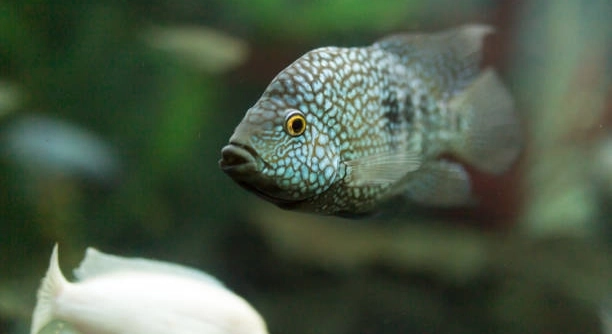
Have you ever watched your Dempsey Fish swim and felt something was off in your tank setup? Keeping a healthy and happy environment is important, but certain habits can quietly stress these vibrant fish. Over time, these small mistakes can build up, affecting their behavior and well-being in ways you might not immediately notice.
Common poor tank habits that annoy Dempsey Fish include overcrowding, inconsistent water changes, improper feeding, and neglecting temperature and pH levels. Each of these factors can create stress, reduce immunity, and lead to aggressive or withdrawn behavior.
Understanding these habits helps improve your fish’s life and keeps your tank thriving. Simple adjustments can make a big difference in creating a balanced and peaceful environment.
Overcrowding the Tank
Many aquarists make the mistake of putting too many fish in a single tank. Dempsey Fish need enough space to swim freely and establish their territories. When a tank is overcrowded, it increases stress levels, reduces oxygen availability, and can lead to aggressive encounters. Overcrowding also makes maintaining water quality harder, as waste accumulates more quickly. Fish may show signs of stress like hiding, loss of appetite, or unusual swimming patterns. Proper tank size and careful planning of fish numbers are essential to keep Dempsey Fish healthy and calm.
Keeping fewer fish in a properly sized tank ensures Dempsey Fish have space to swim and reduces stress-related behaviors.
Providing adequate space also improves water circulation and makes feeding easier. Decorations and hiding spots can help fish feel secure, but these do not replace the need for open swimming areas. Regular monitoring of fish behavior will indicate whether the tank is too crowded. Adjusting fish numbers or upgrading to a larger tank can significantly improve the overall health and happiness of your Dempsey Fish, creating a calmer and more enjoyable tank environment.
Irregular Water Changes
Skipping or delaying water changes can quickly impact your Dempsey Fish. Dirty water contains toxins that stress fish and affect their immune systems.
Maintaining a consistent water change schedule keeps nitrate and ammonia levels low and supports a stable environment for the fish to thrive.
Irregular water changes lead to poor water quality, which can cause diseases and abnormal behavior in Dempsey Fish. Even if your tank looks clean, harmful compounds can build up invisibly. Regular weekly changes, typically 20-25% of the water, help maintain the balance of nutrients and reduce stress. During water changes, it is important to clean gravel and decorations lightly without removing beneficial bacteria. Testing water parameters like pH, ammonia, and nitrate ensures changes are effective. Consistency in water maintenance builds a healthier environment and reduces aggression. Over time, this creates a more stable tank where fish can establish territories without frequent conflict or illness, making care simpler and more rewarding.
Improper Feeding
Overfeeding Dempsey Fish can lead to obesity, poor water quality, and aggressive behavior. Feeding too much at once leaves uneaten food to decay, increasing toxins in the tank and stressing the fish.
Consistently giving the right amount of food is essential for maintaining health. A good rule is to feed only what the fish can consume in two to three minutes, once or twice a day. Overfeeding can cause bloating and swim bladder issues, which make it harder for fish to move properly. Uneaten food also decomposes, raising ammonia and nitrate levels, which harms both fish and beneficial bacteria. Measuring portions and sticking to a routine helps prevent these problems and encourages natural behavior.
Choosing high-quality pellets or flakes tailored for Dempsey Fish supports their growth and immunity. Rotating with occasional frozen or live foods provides variety and keeps fish interested without overloading the tank. Monitoring their reaction to each feeding helps adjust quantities for each individual. Keeping feeding consistent also reduces competition and aggression, giving each fish a fair chance to eat. Proper feeding habits create a calmer, healthier tank environment overall.
Ignoring Water Temperature
Dempsey Fish are sensitive to temperature fluctuations and require stable, warm water between 74-82°F. Sudden changes can stress them and weaken their immune system.
Using a reliable heater and thermometer ensures the tank remains within this range. Fluctuating temperatures can trigger aggression or lethargy, making fish more susceptible to disease. Gradual adjustments are crucial when changing tank conditions.
Inconsistent temperature can affect metabolism, digestion, and behavior. Fish may stop eating or become unusually active if stressed. Maintaining a stable environment requires daily checks and proper equipment. Avoid placing the tank near windows, vents, or areas with drafts that cause swings. Investing in a quality heater and backup system prevents sudden drops or spikes. Even small differences in temperature over time can harm growth and health. Stable water temperature also encourages natural colors and breeding behaviors, making Dempsey Fish more vibrant and calm. Regular observation ensures adjustments are timely and effective.
Poor Tank Decorations
Overcrowding a tank with decorations can limit swimming space and create hiding spots that increase aggression.
Sharp or rough decorations can injure Dempsey Fish. Choosing smooth, well-placed items protects their fins and promotes natural movement.
Ignoring pH Levels
Dempsey Fish thrive in slightly acidic to neutral water, around pH 6.5-7.5. Ignoring pH changes can stress fish, reduce immunity, and lead to erratic behavior. Regular testing and careful adjustments help maintain stability and support long-term health.
Neglecting Filtration
A weak or clogged filter fails to remove waste efficiently. Proper filtration keeps water clean and oxygenated, which is vital for Dempsey Fish health.
FAQ
How often should I change the water in my Dempsey Fish tank?
Regular water changes are critical for keeping Dempsey Fish healthy. Ideally, change 20-25% of the tank water once a week. This helps remove excess waste, nitrates, and toxins that can accumulate even if the tank appears clean. Consistency is more important than large, infrequent changes.
What is the best temperature for Dempsey Fish?
Dempsey Fish prefer a stable temperature between 74°F and 82°F. Sudden changes in temperature can stress the fish and weaken their immune system. Using a reliable heater and thermometer ensures the water stays consistent, supporting healthy metabolism and natural behavior.
How many Dempsey Fish can I keep in one tank?
Space is crucial for reducing aggression and stress. A single adult Dempsey Fish needs at least a 55-gallon tank. Adding more fish requires extra space for each to establish territory. Overcrowding leads to fights, stress, and rapid deterioration of water quality.
What should I feed my Dempsey Fish?
A balanced diet includes high-quality pellets or flakes designed for cichlids. Occasional live or frozen foods like bloodworms or brine shrimp add variety and nutrition. Feed only what they can eat in two to three minutes to avoid overfeeding, which pollutes the water and causes health issues.
How can I prevent aggressive behavior in my tank?
Aggression often comes from overcrowding, poor territory setup, or stress. Provide hiding spots, enough swimming space, and maintain clean water. Observing fish regularly helps identify problem areas, allowing adjustments before fights become serious. Pairing Dempsey Fish with compatible tank mates also reduces conflicts.
How do I monitor water quality effectively?
Testing water regularly for ammonia, nitrate, nitrite, and pH is essential. Small test kits are inexpensive and easy to use. Maintaining ideal water parameters prevents stress, illness, and behavioral issues. Consistent monitoring helps catch problems early before they affect your fish.
Can Dempsey Fish live with other species?
Yes, but careful selection is necessary. Choose tank mates of similar size and temperament. Avoid small, delicate, or slow-moving fish that may be bullied. Proper tank size, hiding spots, and consistent water maintenance are crucial for peaceful coexistence.
What signs indicate my Dempsey Fish is stressed?
Stress signs include hiding, loss of appetite, faded colors, erratic swimming, or aggression. Poor water quality, sudden temperature changes, or overcrowding are common causes. Regular observation and proper tank maintenance help prevent these issues and ensure your fish stay healthy.
How do I maintain the tank decorations?
Clean decorations gently during water changes to avoid removing beneficial bacteria. Avoid sharp edges and overcrowding, which can injure fish and restrict movement. Smooth, well-spaced decorations help Dempsey Fish feel secure without creating unnecessary stress or aggression.
How long do Dempsey Fish live?
With proper care, Dempsey Fish can live 8-12 years or more. Stable water conditions, balanced diet, and reduced stress through adequate space and compatible tank mates support longevity. Regular monitoring and preventive care ensure a longer, healthier life for your fish.
What is the best filtration system for a Dempsey Fish tank?
A strong filter is necessary to maintain clean, oxygenated water. Choose a system that handles the tank’s volume efficiently and can manage waste from large, messy eaters like Dempsey Fish. Regular maintenance and cleaning of the filter keep it working effectively.
Can I use tap water for my tank?
Yes, but it must be treated to remove chlorine and chloramine. Water conditioners make tap water safe. Testing for pH, hardness, and other parameters ensures it matches the preferred range for Dempsey Fish, supporting their health and reducing stress.
How do I reduce ammonia and nitrate buildup?
Regular water changes, proper filtration, and not overfeeding are key. Avoid overcrowding and monitor water parameters frequently. Live plants can also help absorb nitrates naturally. Maintaining a balanced tank environment keeps Dempsey Fish healthy and minimizes harmful chemical accumulation.
How often should I clean the filter?
Clean the filter every 2-4 weeks, depending on tank size and fish load. Rinse media in tank water, not tap water, to preserve beneficial bacteria. Consistent maintenance ensures efficient filtration and a healthier environment for your Dempsey Fish.
What are common diseases in Dempsey Fish and how do I prevent them?
Common diseases include ich, fin rot, and bacterial infections. Prevention focuses on stable water conditions, proper diet, and avoiding stress. Quarantine new fish before adding them to the main tank and maintain consistent water quality to reduce the risk of disease outbreaks.
This FAQ section covers the essential care questions for Dempsey Fish, helping maintain a healthy and calm tank environment. Proper feeding, water management, and observation are key to preventing common issues. Consistency and attention to detail ensure your fish thrive for years.
Word count: 507
Final Thoughts
Taking care of Dempsey Fish can feel overwhelming at first, but understanding their basic needs makes it much easier. These fish are sensitive to their environment, and small mistakes can add up quickly. Simple actions like keeping the tank clean, monitoring water quality, and maintaining proper temperature go a long way in keeping them healthy. Overfeeding, overcrowding, and ignoring water conditions are common problems, but they can all be avoided with careful planning and regular maintenance. Paying attention to your fish’s behavior is also important. Changes in activity, appetite, or color can indicate stress or illness, and noticing these signs early allows you to act before problems become serious.
A proper tank setup is crucial for creating a stable environment. Dempsey Fish need enough swimming space, smooth decorations, and hiding spots to feel secure. They also thrive in tanks with appropriate water conditions, including stable pH and temperature. Filtration and regular water changes help maintain these conditions, preventing buildup of harmful chemicals. While it might feel like a lot to manage, establishing a routine makes caring for these fish much simpler. Feeding should also be controlled, giving only what they can eat in a few minutes. Overfeeding not only harms the fish’s health but also pollutes the water, creating additional problems. Balancing these factors creates a tank where fish are less stressed, less aggressive, and more vibrant.
Consistency and observation are the keys to long-term success. Regularly checking water parameters, maintaining filtration, and monitoring fish behavior helps identify issues before they escalate. Dempsey Fish can live many years if their environment is stable and their needs are met. Choosing appropriate tank mates and providing space reduces aggression and allows them to display natural behaviors. Attention to detail and patience make the difference between a tank that struggles and one that thrives. By following simple, steady care practices, you can enjoy a beautiful, peaceful tank and healthy, active Dempsey Fish. Over time, these habits become routine, and the fish flourish in a safe, balanced environment.
Word count: 409

Hello,
If you enjoy the content that we create, please consider saying a "Thank You!" by leaving a tip.
Every little bit helps us continue crafting quality advice that supports the health, happiness, and well-being of pets around the world, for pets of all shapes, sizes, and species.
We really appreciate the kindness and support that you show us!