
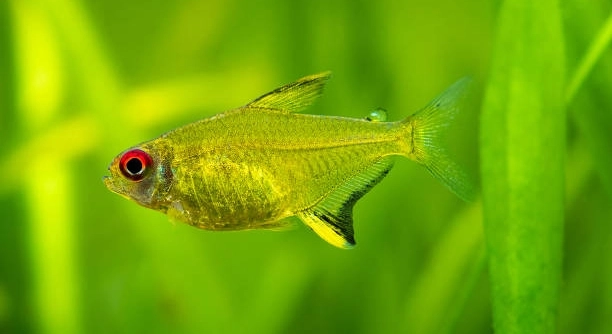
Do you ever notice your lemon tetra acting unusually sluggish or gasping near the surface of the tank? These small, vibrant fish are sensitive to oxygen levels, and changes in behavior may signal a problem you should not ignore.
Lemon tetra exhibit several indicators of low oxygen, including rapid gill movement, lethargy, erratic swimming, loss of color, clinging near the water surface, reduced feeding, and increased aggression. Monitoring these signs is crucial to maintain their health and aquatic balance.
Recognizing these signals early can help you make adjustments to your aquarium, ensuring your lemon tetra thrive in a safe, oxygen-rich environment.
Rapid Gill Movement
When lemon tetra experience low oxygen, their gills move noticeably faster than usual. This is a direct response to insufficient oxygen in the water. You might notice them constantly opening and closing their mouths, even when resting. Rapid gill movement is often the first visible sign that something is off in the tank. It can happen suddenly or gradually over a few hours. Tank conditions, such as overcrowding or poor water circulation, often worsen the problem. Observing your fish closely during feeding or quiet moments can help you detect this behavior early. Acting promptly by increasing aeration or reducing stocking density can prevent serious health issues. Monitoring water parameters like temperature and dissolved oxygen levels is also essential.
This rapid gill activity indicates stress and immediate need for better oxygenation to maintain their well-being.
Promptly improving aeration or water flow can quickly reduce stress and restore normal breathing, helping your lemon tetra recover effectively.
Lethargy and Reduced Activity
Lemon tetra that are not getting enough oxygen often become unusually inactive. They may hover near the bottom or stay in one spot for long periods, showing little interest in swimming around. Even during feeding times, lethargic fish may ignore food or only nibble slightly. This slow movement is a clear sign that oxygen levels are insufficient, affecting their energy and metabolism. Tanks with dense plants or poor circulation can contribute to this condition. Consistent monitoring of activity levels is important to catch issues early.
Lethargy can lead to weakened immunity and make fish more vulnerable to disease.
To address lethargy, increase water circulation using an air stone or filter adjustment. Removing excess plants or reducing overcrowding also helps. Regularly checking oxygen levels ensures the environment supports normal activity. By taking these steps, your lemon tetra can regain vitality and resume healthy swimming patterns.
Gasping Near the Surface
Lemon tetra often swim near the water surface when oxygen is low. They may appear to be gasping, with mouths opening and closing repeatedly. This behavior is an effort to access higher oxygen levels in the water.
This surface gasping occurs because oxygen concentration is often higher near the top of the tank. Fish instinctively move upward to get more oxygen when the water below is insufficient. You might see them lingering under a filter outlet or near an air stone. Persistent gasping indicates that oxygenation is inadequate, and action is needed quickly. Aeration can help restore balance, along with proper tank maintenance and monitoring.
Observing this behavior over time can help you identify recurring oxygen issues. Adjusting water flow, adding aeration, and avoiding overcrowding are key steps to ensure your lemon tetra remain healthy and active. Keeping oxygen levels stable prevents stress-related illnesses and supports normal growth.
Loss of Color
When oxygen levels drop, lemon tetra often lose their bright yellow and silver hues. Their coloration becomes dull, making them look less vibrant than usual.
Color loss happens because low oxygen affects circulation and overall metabolism. Fish under stress often display muted colors, and prolonged exposure to low oxygen can worsen this condition. Even minor reductions in oxygen can trigger noticeable changes in appearance. Keeping an eye on color shifts can serve as an early warning. Environmental factors like excessive algae, dirty water, or overcrowding can exacerbate the issue, making prompt action essential.
Restoring oxygen through aeration, improving water quality, and maintaining proper tank conditions usually helps fish regain their original color. Consistent monitoring ensures they stay bright and healthy, reflecting proper oxygen levels and overall well-being.
Clinging Near Decorations
Lemon tetra may cling to plants or tank decorations when oxygen is low. They seem to find spots where water movement is slightly better or oxygen levels feel higher.
This behavior reduces energy expenditure while attempting to access more oxygen. Fish may linger near filter outlets or under floating plants to breathe easier. Watching these spots can help identify oxygen issues before more severe symptoms appear.
Reduced Feeding
Low oxygen can cause lemon tetra to lose interest in food. They may swim around sluggishly or ignore meals altogether, which can quickly impact their health.
A decrease in appetite is a direct response to stress and insufficient oxygen. Prolonged periods without proper feeding weaken the fish, making them more susceptible to illness. Maintaining oxygen levels and consistent water quality helps restore normal feeding patterns and overall vitality.
Increased Aggression
Lemon tetra may become unusually aggressive when oxygen levels drop. Stress from low oxygen can trigger fights or chasing behavior.
Observing sudden changes in social behavior is a key indicator of environmental stress. Separating affected fish or improving tank conditions can reduce aggression and support healthier interactions.
What causes lemon tetra to experience low oxygen?
Low oxygen in a lemon tetra tank is usually caused by poor water circulation, overstocking, or high water temperature. Stagnant water does not allow oxygen to dissolve properly, and too many fish can quickly consume available oxygen. Excess organic matter, like uneaten food or decaying plants, also reduces oxygen levels. Maintaining clean water, controlling stocking density, and ensuring proper filtration are essential to prevent these issues.
How can I tell if my lemon tetra is struggling with oxygen?
Signs include rapid gill movement, gasping near the surface, lethargy, clinging to decorations, reduced feeding, dull coloration, and increased aggression. Observing your fish closely during feeding and resting times helps detect early symptoms. Acting quickly when these behaviors appear can prevent serious health problems and keep the tank balanced.
What immediate steps should I take if I notice low oxygen signs?
Increase aeration using an air stone, bubbler, or stronger filter output. Check water temperature, as warmer water holds less oxygen. Remove excess organic matter and ensure the tank is not overcrowded. Performing partial water changes can also help restore oxygen levels quickly. These steps reduce stress and give your fish a better chance to recover.
Can plants affect oxygen levels in my tank?
Yes, live plants produce oxygen during the day through photosynthesis, but at night they consume oxygen. Overgrown plants can limit water flow, and decaying plant matter reduces oxygen. Proper plant maintenance and positioning near water flow areas help maintain balanced oxygen levels for your lemon tetra.
How often should I check oxygen levels?
Regular monitoring is important, especially in densely stocked or planted tanks. Using a dissolved oxygen test kit weekly or whenever you notice behavioral changes ensures that oxygen levels remain safe. Keeping track over time helps identify patterns and prevent future stress.
Will improving oxygen levels reverse all symptoms?
Restoring oxygen often improves activity, feeding, and coloration, but prolonged stress or illness may require additional care. Observe your fish closely and consider addressing secondary issues, such as infections or weakened immunity, to ensure full recovery. Early intervention is key for the best outcome.
Is tank size important for oxygen levels?
Yes, a larger tank provides more water volume, which can hold more oxygen and dilute waste. Overcrowding in small tanks quickly depletes oxygen. Ensuring adequate space and proper filtration helps maintain stable oxygen levels, reducing stress on your lemon tetra.
Can temperature changes impact oxygen availability?
Higher water temperatures lower oxygen solubility, making fish more prone to stress. Keeping the tank at a stable, suitable temperature for lemon tetra supports oxygen retention. Avoid sudden temperature swings to prevent oxygen depletion and related health issues.
Are there long-term strategies to prevent low oxygen?
Maintaining proper filtration, avoiding overstocking, monitoring water parameters, and ensuring regular water changes are key strategies. Adding air stones or adjusting water flow helps. Regular observation of fish behavior also ensures early detection of any issues before oxygen levels become critical.
How can I balance plants and oxygen needs?
Choose fast-growing plants that produce oxygen efficiently and trim overgrowth regularly. Ensure proper spacing to allow water circulation. Monitoring both plant health and fish behavior helps maintain a healthy balance between oxygen production and consumption in the tank.
Can low oxygen affect reproduction?
Yes, oxygen deprivation stresses fish, which can reduce breeding activity and lower egg viability. Maintaining optimal oxygen levels and clean water conditions supports normal reproductive behavior and healthy offspring.
What signs indicate that oxygen levels are returning to normal?
Fish will swim actively, feed normally, regain coloration, and gill movement will return to a regular pace. Social behaviors like schooling and reduced aggression are also indicators that oxygen levels are improving and your tank environment is stabilizing.
Should I use chemical additives to increase oxygen?
Chemical additives can temporarily increase oxygen, but they do not address the underlying causes of low oxygen. It is better to improve aeration, circulation, and water quality naturally. Additives should be a last resort and used cautiously according to product instructions.
Can other fish in a community tank affect lemon tetra oxygen levels?
Yes, more active or larger species can consume oxygen faster, leaving less available for lemon tetra. Monitoring the behavior and number of all fish in the tank ensures that each species gets sufficient oxygen and reduces stress-related behaviors.
What is the safest long-term solution for oxygen management?
Maintaining proper tank size, stocking density, water flow, aeration, and regular cleaning ensures stable oxygen levels. Combining observation of fish behavior with routine water testing creates a consistent and healthy environment for lemon tetra. This approach reduces stress, improves overall health, and prevents oxygen-related issues.
Maintaining proper oxygen levels in a lemon tetra tank is essential for keeping your fish healthy and active. These small, colorful fish are particularly sensitive to changes in water conditions, and low oxygen can quickly lead to stress, illness, or even death. Observing their behavior closely is an important part of routine care. Rapid gill movement, lethargy, gasping near the surface, clinging to decorations, reduced feeding, dull coloration, and increased aggression are all clear indicators that oxygen levels may be low. Addressing these signs promptly ensures your fish have a safe and supportive environment to thrive in. Regular tank maintenance, including water changes, cleaning, and checking for excess organic matter, helps prevent oxygen depletion before it becomes a serious problem.
Proper tank setup also plays a major role in maintaining oxygen levels. Using a tank of adequate size for the number of fish you keep allows for better oxygen distribution and reduces stress caused by overcrowding. Filtration and water circulation are critical, as stagnant areas of water tend to have lower oxygen concentrations. Air stones, bubbler systems, or adjusting the filter output can help maintain steady oxygen levels and create movement that supports overall water quality. Live plants can contribute to oxygen during daylight hours, but they also consume oxygen at night, so balancing plant growth and water circulation is necessary. Temperature control is another important factor, as warmer water holds less oxygen, which can increase stress for lemon tetra. Ensuring stable and appropriate temperatures helps maintain the oxygen your fish need to stay healthy.
Consistent observation and proactive management are key to long-term success. By monitoring your fish and water parameters regularly, you can detect subtle changes before they become serious issues. Restoring oxygen levels quickly when problems arise can reverse many of the early symptoms, such as lethargy and loss of color, and support normal feeding and social behavior. It is also important to avoid relying solely on chemical additives to increase oxygen, as these do not solve underlying environmental issues. Instead, focus on improving tank conditions naturally through proper aeration, water quality management, and maintaining a balanced number of fish and plants. Taking these steps not only ensures your lemon tetra remain healthy and vibrant but also creates a stable, stress-free environment that allows them to display their full natural behavior. With careful attention and consistent care, your lemon tetra can thrive, swim actively, and maintain their beautiful coloration for years to come.

Hello,
If you enjoy the content that we create, please consider saying a "Thank You!" by leaving a tip.
Every little bit helps us continue crafting quality advice that supports the health, happiness, and well-being of pets around the world, for pets of all shapes, sizes, and species.
We really appreciate the kindness and support that you show us!