
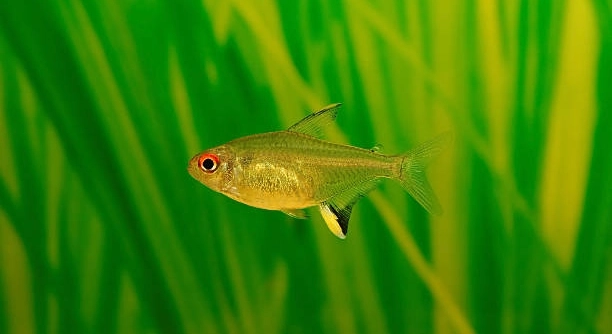
Acclimating lemon tetras to a new tank can be a delicate process, especially if you want them to adjust smoothly and remain healthy. Proper steps help reduce stress and ensure they thrive in their new environment.
The most effective method to acclimate lemon tetras involves slowly introducing them to the new tank’s water conditions. Gradual temperature and pH adjustments, combined with a step-by-step transfer process, reduce stress and improve their chances of adapting successfully.
Following these guidelines will help your lemon tetras settle comfortably. Small, careful steps can make a big difference in their overall health and happiness.
Preparing the New Tank
Before introducing lemon tetras, it’s important to make sure the tank is ready. Clean the tank thoroughly and fill it with dechlorinated water. Check the temperature, aiming for 75 to 80 degrees Fahrenheit, which suits most tropical fish. Ensure the pH is stable, ideally between 5.5 and 7.0, and that the water is free from sudden chemical changes. Install a gentle filter to provide steady water movement without creating strong currents that can stress the fish. Include hiding spots like plants, driftwood, or small decorations. These areas allow tetras to feel secure while they explore. Light the tank for regular day and night cycles. Performing these steps ahead of time ensures the fish experience minimal stress upon arrival. Preparing a stable environment significantly increases the chance that lemon tetras will adapt quickly and maintain their health in the new tank.
A properly prepared tank reduces stress and encourages healthy acclimation. Small adjustments before introduction prevent sudden shocks.
Following these steps consistently helps maintain stable water parameters. Over time, the fish grow comfortable, exhibit normal behavior, and display vibrant colors. Plants and hiding areas further encourage natural schooling and exploration. Regular observation ensures any issues are spotted early, keeping the tank balanced and safe for long-term care.
Acclimating Lemon Tetras
Use a drip or floating bag method to introduce the fish slowly. Start by floating the sealed bag in the tank for 15 to 20 minutes. This allows temperature equalization. Gradually add small amounts of tank water into the bag every 10 minutes to adjust the fish to the new water chemistry.
Once the fish have adjusted, release them gently into the tank. Avoid dumping the bag water into the aquarium to prevent introducing contaminants.
This slow process reduces shock and helps tetras acclimate without stress. Sudden changes in temperature or pH can be harmful, so patience is key. Watch for signs of distress, such as rapid gill movement or frantic swimming, and adjust the process if needed. Over the next few days, keep feeding light and monitor water conditions closely. The fish should start exploring their surroundings and interacting naturally with other tank mates. This careful introduction builds a foundation for a healthy, thriving aquarium environment.
Monitoring Behavior
Observe lemon tetras closely after introduction. Watch for signs of stress such as hiding constantly, erratic swimming, or loss of color. Early detection helps address potential issues before they become serious.
Pay attention to how they interact with each other and their environment. Healthy tetras should school together and explore the tank gradually. If one or two fish separate or appear lethargic, consider checking water parameters or providing additional hiding spots. Avoid sudden feeding or loud noises that might startle them. Monitoring behavior daily helps ensure the fish adapt comfortably and remain healthy in their new environment.
Adjustments may be necessary if the fish show prolonged stress. Small changes in water flow, lighting, or decoration placement can make the tank more suitable. Consistent observation ensures problems are addressed early, supporting long-term wellbeing. Maintaining a calm and stable environment allows the tetras to establish routines and enjoy their surroundings, which contributes to stronger immunity and better color display over time.
Feeding and Nutrition
Start with small amounts of high-quality flake or micro-pellet food to prevent overfeeding. Feed lightly once or twice daily while observing their response.
Provide a varied diet including occasional frozen or live foods like daphnia or brine shrimp. Variety supports proper growth and vibrant coloration. Introduce new foods gradually to prevent digestive upset. Overfeeding can cause water quality issues and stress the fish. Remove uneaten food promptly to maintain a clean tank.
Consistent feeding routines help lemon tetras develop healthy habits. A balanced diet supports natural behaviors, including schooling and foraging. Observing how they eat can indicate overall health. Adjust portions according to the number of fish and tank size, ensuring each tetra receives enough nutrition. Over time, maintaining stable feeding practices contributes to longer lifespan, stronger immunity, and active behavior, allowing the tetras to thrive in a well-maintained aquarium environment.
Water Changes
Regular water changes keep the tank clean and safe for lemon tetras. Replace 20-25% of the water weekly to maintain stable parameters and reduce waste buildup.
Use dechlorinated water at the same temperature as the tank. Sudden changes in temperature or pH can stress the fish and slow acclimation.
Tank Companions
Choose peaceful tank mates that do not harass lemon tetras. Small, non-aggressive fish like guppies or rasboras work well. Avoid larger or territorial species that may intimidate or harm them.
Lighting and Environment
Maintain moderate lighting to mimic natural conditions. Provide shaded areas with plants or decorations to offer security and reduce stress.
Maintaining Health
Monitor fish daily for signs of illness. Early detection and treatment help prevent serious problems and ensure long-term wellbeing.
FAQ
How long does it take for lemon tetras to acclimate to a new tank?
Lemon tetras usually take several hours to a few days to adjust fully. Using a slow acclimation process reduces stress and helps them adapt to water temperature and chemistry gradually. Observing their behavior during the first 24 hours can help you spot early signs of stress.
Can I add lemon tetras to an established tank with other fish?
Yes, as long as the tank mates are peaceful and the water parameters are stable. Introduce the tetras slowly and monitor interactions. Aggressive or territorial fish can stress lemon tetras and interfere with schooling behavior.
What is the best feeding routine for lemon tetras?
Feed small amounts once or twice daily. Offer high-quality flake or micro-pellet food with occasional frozen or live treats. Remove uneaten food to maintain water quality. Consistent feeding helps them develop healthy routines and maintain vibrant colors.
How can I tell if my lemon tetras are stressed?
Signs include hiding constantly, loss of color, erratic swimming, or refusing food. Stress often results from sudden water changes, poor water quality, or aggressive tank mates. Correcting the environment promptly can help them recover.
Do lemon tetras need a lot of plants and decorations?
Yes, providing hiding spots and shaded areas reduces stress and encourages natural behavior. Live plants also help maintain water quality and create a comfortable environment for schooling and exploration.
How often should I test water parameters?
Test at least once a week, including pH, temperature, and ammonia, nitrite, and nitrate levels. Consistent monitoring prevents sudden changes that could harm the fish and ensures a stable environment for acclimation and long-term health.
Is it okay to handle lemon tetras during acclimation?
Handling should be minimized. Direct contact stresses the fish and can lead to injury or illness. Use nets only when necessary and perform water transfers gently to avoid causing shock.
Can lemon tetras live with other small community fish?
Yes, they do well with small, peaceful species like guppies, rasboras, or small tetras. Ensure the tank is not overcrowded and water parameters suit all species. Avoid large or aggressive fish that could disrupt schooling.
How do I know if my lemon tetras are eating properly?
Healthy tetras swim actively, approach food quickly, and display normal color. Uneaten food or refusal to eat can indicate stress, illness, or water quality issues. Adjust feeding portions and monitor their response to different food types.
What should I do if a tetra becomes ill?
Isolate the affected fish to prevent spreading illness. Test water parameters and adjust as needed. Use appropriate treatments for specific conditions. Maintaining clean water and a stress-free environment helps prevent most common diseases.
Can sudden temperature changes harm lemon tetras?
Yes, sudden shifts in temperature can cause shock or stress. Keep water within 75–80 degrees Fahrenheit and acclimate slowly to any adjustments. Stability is key to helping them remain healthy and active.
How many lemon tetras should I keep together?
They are schooling fish and thrive in groups of at least six. Smaller groups can lead to stress and abnormal behavior. Larger groups promote natural swimming patterns and reduce aggression.
Is filtered water necessary for lemon tetras?
A gentle filter helps maintain water quality by removing waste and circulating oxygen. Avoid strong currents, as they can stress small tetras. A steady, clean environment is crucial for successful acclimation.
How often should I perform water changes?
Replace 20–25% of the water weekly to keep the tank clean. Use dechlorinated water at the same temperature to avoid shocking the fish. Regular maintenance supports their health and vibrant appearance.
What are common mistakes during acclimation?
Rushing the process, sudden water changes, or adding incompatible tank mates can all cause stress. Patience, observation, and gradual adjustments are essential to ensure lemon tetras adapt safely.
Can I use tap water directly for acclimation?
No, always treat tap water with a dechlorinator to remove harmful chemicals. Matching temperature and pH during introduction prevents stress and increases survival rates during the transition.
How important is lighting for lemon tetras?
Moderate lighting mimics natural conditions and helps regulate their day-night cycle. Provide shaded areas or plants to reduce stress and give them comfortable spots to rest.
Should I quarantine new lemon tetras?
Yes, quarantining for at least two weeks helps prevent introducing diseases into an established tank. Observe their behavior, feed normally, and monitor water parameters during this period.
How can I encourage lemon tetras to school naturally?
Maintain a group of at least six fish, provide open swimming areas, and minimize stressors. Peaceful tank mates and consistent feeding routines support natural schooling and exploration behaviors.
What signs indicate water quality problems?
Cloudy water, algae overgrowth, unusual fish behavior, or sudden illness can indicate water issues. Regular testing and partial water changes help prevent these problems and keep the environment safe.
How do I adjust pH gradually for acclimation?
Introduce small amounts of the new tank water into the bag or container over time. Avoid sudden shifts by adding water every 10–15 minutes until the fish are ready to enter the tank safely.
Can lemon tetras tolerate a range of water hardness?
They prefer soft to moderately hard water. Sudden changes in hardness can stress the fish, so gradual adjustment and stable parameters are essential for healthy acclimation.
Is it normal for tetras to hide for the first few hours?
Yes, initial hiding is common as they explore and adjust to their new environment. Provide plants and decorations to offer comfort until they begin schooling and swimming actively.
What temperature fluctuations are safe for lemon tetras?
Avoid rapid shifts of more than a few degrees. Consistent temperature between 75–80 degrees Fahrenheit supports acclimation and reduces stress-related health issues.
How often should I observe my fish during the first week?
Check behavior and feeding multiple times daily. Early observation helps detect stress, illness, or environmental problems before they escalate, ensuring a smooth acclimation period.
Can I introduce multiple groups of tetras at once?
Yes, but ensure the tank is large enough and water parameters are stable. Introduce slowly and monitor interactions to avoid overcrowding or aggression.
Are lemon tetras sensitive to noise or vibrations?
Yes, sudden loud sounds or vibrations can stress them. Keep the tank in a quiet area and avoid tapping the glass. A calm environment supports healthy acclimation and natural behavior.
What should I do if my tetras don’t school immediately?
Allow time and ensure the group has at least six fish. Provide open swimming space and low-stress conditions. Gradually, they will begin schooling naturally and explore the tank together.
How long before lemon tetras show full color?
Full coloration typically appears within a week or two once they are fully acclimated and comfortable. Stable water, proper diet, and low stress promote vibrant colors.
Can adding plants improve acclimation?
Yes, live or artificial plants offer hiding spots and shaded areas. They reduce stress and encourage natural behavior while improving water quality.
Is it safe to mix lemon tetras with other tetra species?
Yes, most small, peaceful tetras are compatible. Avoid mixing with aggressive or significantly larger species. Monitor interactions to ensure schooling and social behavior remain normal.
Do I need to adjust feeding if the tank is cold?
Lower temperatures slow metabolism, so feed smaller amounts to prevent uneaten food from polluting the water. Keep the temperature within the ideal range to maintain healthy appetite.
How can I prevent disease during acclimation?
Quarantine new fish, monitor water quality, feed a balanced diet, and avoid overcrowding. Early observation and gentle introduction reduce the risk of illness.
What’s the best method for transferring tetras from the bag to the tank?
Use the drip or floating bag method to equalize temperature and gradually introduce tank water. Avoid pouring the bag water directly to prevent contamination.
How do I know if acclimation was successful?
Fish swim actively, school together, eat normally, and display bright colors. Lack of stress indicators like hiding or erratic swimming signals successful adjustment.
Can acclimation stress cause long-term problems?
Yes, repeated or severe stress can weaken the immune system, leading to illness and reduced lifespan. Gradual introduction and stable conditions prevent long-term negative effects.
Should I adjust lighting during acclimation?
Maintain moderate lighting and provide shaded areas. Sudden bright light can stress fish, while consistent day-night cycles support normal behavior and coloration.
How important is water circulation during acclimation?
Gentle circulation is important to maintain oxygen levels and remove waste without creating strong currents that stress lemon tetras.
Can lemon tetras tolerate slightly different water chemistry than advertised?
Yes, but sudden changes can be harmful. Gradual adjustments to pH, hardness, or temperature are necessary to prevent stress during acclimation.
How long should I quarantine after purchasing new tetras?
Two weeks is recommended. Monitor health, behavior, and feeding during this period before introducing them to an established tank to prevent disease spread.
Do lemon tetras need special care during the first week?
Yes, monitor water quality, feeding, and behavior closely. Provide hiding spots and minimize disturbances. Gradual adjustment ensures they acclimate safely and remain healthy.
What are the main mistakes to avoid during acclimation?
Rushing the process, adding incompatible tank mates, overfeeding, or exposing fish to sudden water changes can all cause stress or illness. Patience and careful observation are essential for success.
How can I make acclimation less stressful for tetras?
Keep water parameters stable, provide hiding spots, introduce water gradually, feed lightly, and maintain a calm environment. Small, careful steps ensure a smooth transition.
Can lemon tetras adapt to new tanks alone?
They can survive alone but prefer groups. Schooling provides security, reduces stress, and encourages natural behavior. Introducing at least six ensures comfort and healthy social interaction.
What is the ideal pH range during acclimation?
Aim for a pH between 5.5 and 7.0. Sudden shifts outside this range can stress the fish and delay adaptation. Gradual adjustment is safer than abrupt changes.
How do I prevent aggression from tank mates?
Choose peaceful, similarly sized fish. Provide enough space and hiding spots. Monitor interactions, and separate aggressive individuals if necessary. Stress-free conditions promote successful acclimation.
Should I adjust feeding frequency during acclimation?
Feed small portions once or twice daily. Avoid overfeeding to prevent water quality issues. Gradual introduction of foods encourages healthy appetite and normal digestion.
Can temperature drops at night affect acclimation?
Minor fluctuations are normal, but avoid sudden drops. Stable nighttime temperatures within the preferred range help tetras adjust smoothly.
How often should I clean the tank during the first week?
Perform small partial water changes weekly. Avoid full cleaning to maintain beneficial bacteria. Gentle maintenance supports stable conditions for acclimation.
Is it normal for tetras to hide after lights go off?
Yes, resting behavior is natural. Provide shaded areas or plants for comfort. They will explore more actively during daylight.
Can I use a net to move tetras during acclimation?
Minimize net use. Gentle transfer methods reduce stress and prevent injury. Nets are best reserved for emergencies or necessary relocations.
What are signs of successful acclimation after a week?
Active swimming, schooling, regular feeding, bright colors, and low stress behaviors indicate they have adjusted well to their new environment.
Should I continue monitoring water parameters after acclimation?
Yes, ongoing testing prevents sudden changes and ensures long-term health. Maintaining stable conditions supports growth, coloration, and natural behavior.
Can lemon tetras tolerate small fluctuations in hardness?
Yes, but avoid rapid changes. Gradual adjustments are safer. Consistency helps the fish maintain health and reduces stress during acclimation.
What is the best approach if one fish isolates from the group?
Check water quality and tank conditions. Provide additional hiding spots. Temporary separation may occur, but the fish should rejoin the school as it gains confidence.
Are lemon tetras sensitive to chemicals in the water?
Yes, chlorine, chloramine, and heavy metals can be harmful. Always treat tap water before introducing the fish. Stable, chemical-free water ensures safe acclimation.
How long should I wait before adding other fish after acclimation?
Wait at least two weeks. Ensure the tetras are healthy, feeding well, and showing normal behavior before introducing new tank mates to reduce stress and prevent disease.
Can I use bottled spring water for acclimation?
Yes, if pH and temperature are suitable. Test water parameters before use. Avoid sudden changes by mixing gradually with existing tank water.
Is it necessary to dim lights during the first day?
Moderate lighting with shaded areas reduces stress. Avoid sudden bright light, which can startle the fish and slow adaptation.
How do I know if acclimation was too fast?
Signs include frantic swimming, loss of color, refusal to eat, or hiding excessively. Slow the process, provide hiding spots, and ensure gradual water adjustment.
Can lemon tetras tolerate slightly acidic or alkaline water temporarily?
Minor variations are manageable, but sudden shifts can cause stress. Gradual acclimation and stable water parameters are essential for long-term health.
How do I safely remove lemon tetras if needed?
Use a soft net gently and avoid sudden movements. Minimize handling and stress during transfers. Acclimation principles still apply when relocating within or between tanks.
Should I observe feeding behavior during acclimation?
Yes, it indicates health and comfort. Fish that eat regularly are less stressed. Monitor for picky eating or hesitation as a sign of environmental issues.
Can stress affect lemon tetra coloration?
Yes, stressed fish often lose brightness. Stable conditions, proper diet, and gradual acclimation help restore vibrant colors over time.
How can I encourage natural behavior in a new tank?
Provide plants, decorations, and open swimming space. Keep water parameters stable, feed consistently, and avoid sudden disturbances. Natural behavior reflects comfort and successful acclimation.
Are there seasonal considerations for acclimation?
Temperature consistency is most important. Seasonal room temperature fluctuations may require slight adjustments in heater settings to maintain ideal water conditions.
How do I balance acclimation speed and stress prevention?
Introduce fish gradually, adjust water slowly, provide hiding spots, and monitor closely. Patience ensures a smooth transition and minimizes stress.
Can lemon tetras survive short periods in suboptimal water?
Brief exposure is sometimes tolerated, but prolonged poor conditions cause stress, illness, or death. Maintaining stable water parameters is critical.
How do I know if tank mates are compatible after acclimation?
Observe schooling, feeding, and interactions. Minimal aggression, peaceful coexistence, and active swimming indicate compatibility.
Is it normal for lemon tetras to explore cautiously at first?
Yes, initial cautious behavior is natural. Gradually, they will swim more freely, interact with tank mates, and show full coloration as confidence grows.
How important is a consistent schedule during acclimation?
Maintaining regular feeding, lighting, and monitoring routines reduces stress and helps fish establish comfort in the new environment.
What equipment is essential for safe acclimation?
A thermometer, water test kit, gentle filter, dechlorinator, and hiding spots are key. Proper tools ensure gradual adjustment and prevent stress-related issues.
Can acclimation practices vary between different lemon tetra shipments?
Yes, age, health, and transport conditions affect how fish respond. Adjust acclimation speed and observation accordingly. Patience ensures successful adaptation regardless of source.
How do I avoid overcrowding during acclimation?
Introduce a manageable number of fish relative to tank size. Ensure adequate swimming space, hiding spots, and filtration to maintain water quality and reduce stress.
Are there behavioral cues that indicate acclimation progress?
Increased schooling, active swimming, bright coloration, and regular feeding are positive signs. These behaviors show the fish are becoming comfortable in their new environment.
How can I prevent temperature shock when acclimating tetras?
Match the temperature of the new water to the tank water gradually. Use floating bag or drip methods to equalize conditions before full release.
Can tetras adapt to minor variations in water parameters over time?
Yes, but sudden or extreme changes cause stress. Gradual acclimation and stable conditions are necessary to maintain health and vibrant coloration.
Is it necessary to track acclimation steps?
Recording times, water adjustments, and behavior observations helps identify problems and ensures consistent, careful acclimation practices.
How long should I keep a close eye on new tetras after release?
Monitor for at least the first week. Observing behavior, feeding, and interactions ensures they settle safely and any issues are addressed promptly.
Can lemon tetras become aggressive during acclimation?
They are generally peaceful, but stress or overcrowding may lead to mild nipping. Providing space and hiding spots prevents tension and encourages natural schooling.
What environmental factors influence successful acclimation?
Water temperature, pH, hardness, hiding areas, lighting, and tank mates all impact stress levels and adaptation. Consistent, stable conditions are essential.
How do I handle uneaten food during acclimation?
Remove leftovers promptly to prevent water quality issues. Small, controlled feedings minimize waste and reduce stress on the fish.
Can acclimation mistakes affect long-term health?
Yes, repeated stress or poor conditions during acclimation can weaken immunity and shorten lifespan. Careful, gradual introduction promotes strong, healthy tetras.
Is acclimation more challenging for younger or smaller tetras?
Yes, smaller or younger fish are more sensitive to water changes and stress. Extra caution during introduction improves survival and comfort.
What role does water chemistry play in acclimation success?
Stable pH, temperature, and hardness reduce stress. Gradual introduction prevents shock and supports proper physiological function.
Can I combine acclimation with minor tank upgrades?
Yes, but avoid major changes during the first week. Stability in water and environment is more important than cosmetic improvements initially.
How do I support immune health during acclimation?
Provide a balanced diet, stable water, minimal stress, and proper group size. Healthy fish adapt faster and resist illness during transition.
Can acclimation affect breeding behavior?
Yes, stress can temporarily suppress mating activity. Once fully settled, lemon tetras display normal schooling and reproductive behaviors in a stable environment.
Are there signs that acclimation is complete?
Active swimming, normal schooling, consistent feeding, bright coloration, and low stress behaviors indicate the fish have fully adjusted to the new tank.
How do I prevent repeated acclimation stress?
Avoid unnecessary transfers, maintain consistent water parameters, provide hiding spots, and introduce changes gradually. Stable conditions protect long-term health and behavior.
Final Thoughts
Acclimating lemon tetras to a new tank is a process that requires patience and attention. These small, vibrant fish are sensitive to sudden changes in their environment, including temperature, pH, and water hardness. By introducing them gradually and monitoring their behavior, you can minimize stress and support a smoother transition. A slow acclimation process, such as using a floating bag or drip method, helps the fish adjust to the new water conditions without shock. Observing their reactions during the first hours and days allows you to address any issues early, whether it’s adjusting water parameters or providing additional hiding spots. Taking the time to prepare the tank properly and plan the introduction carefully makes a significant difference in how quickly lemon tetras settle and start showing their natural behaviors.
Water quality, diet, and tank setup all play essential roles in the long-term health of lemon tetras. Regular water changes, proper filtration, and consistent testing of parameters ensure that the environment remains stable and safe. Feeding small portions of high-quality flake or pellet food, along with occasional frozen or live treats, provides the nutrients necessary for growth, color development, and overall vitality. Plants and decorations not only offer visual appeal but also serve as important areas for hiding and exploring. This combination of clean water, adequate nutrition, and a secure environment reduces stress and encourages schooling, exploration, and active behavior. Paying attention to these factors consistently helps maintain the fish’s health and allows them to thrive in the aquarium over time.
Finally, acclimation is not a one-time event but a period of adjustment that continues as the fish grow more comfortable. Monitoring their health, behavior, and interactions regularly helps you identify signs of stress or illness early. Providing gentle, stable conditions supports natural schooling, feeding routines, and active swimming. Lemon tetras are resilient when introduced carefully, but they rely on steady, predictable care to flourish. Taking these steps ensures they remain vibrant, healthy, and comfortable in their new home. With patience and careful attention, acclimating lemon tetras can be a straightforward process that leads to a rewarding and visually striking aquarium.

Hello,
If you enjoy the content that we create, please consider saying a "Thank You!" by leaving a tip.
Every little bit helps us continue crafting quality advice that supports the health, happiness, and well-being of pets around the world, for pets of all shapes, sizes, and species.
We really appreciate the kindness and support that you show us!