
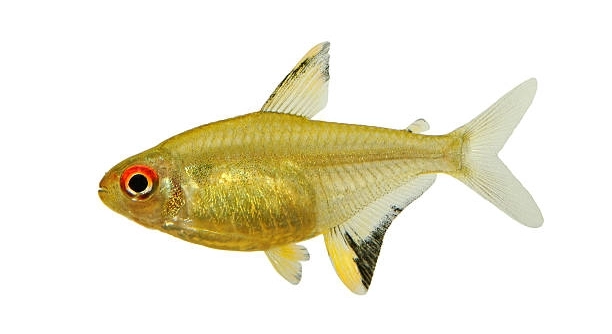
Do you ever find yourself arranging your aquarium and wondering how each fish feels in its environment? Lemon tetras are bright and lively, adding charm to any tank with their gentle movements and peaceful nature.
Lemon tetras prefer warm water, typically between 72°F and 80°F. Maintaining this temperature range supports their metabolism, activity, and overall health, ensuring they thrive in captivity. Cooler water can stress them and reduce their vibrant coloration.
Maintaining the right water conditions is important, and understanding this can help your tetras stay healthy and active for years.
Ideal Temperature Range for Lemon Tetras
Lemon tetras are tropical fish that thrive in warm water. The best temperature range for them is between 72°F and 80°F. Keeping your tank consistently within this range ensures that your tetras remain active and healthy. Sudden drops in temperature can stress them, making them more prone to illness. Temperature stability also helps maintain their bright yellow coloration and keeps their metabolism at a normal rate. Using a reliable aquarium heater and thermometer is key to providing the right conditions. Regularly checking the water temperature, especially during seasonal changes, can prevent problems before they start. Additionally, pairing tetras with other fish that enjoy similar water temperatures reduces conflict and stress. Even minor fluctuations can affect their feeding habits, so maintaining warmth in the tank is essential. Observing their behavior will show if the temperature is suitable—they should be swimming actively and exploring the tank.
Maintaining this temperature range not only promotes their health but also enhances their natural behavior and social interactions.
Warm water helps lemon tetras digest food properly, swim energetically, and show off their bright coloration. It also reduces the risk of disease by keeping their immune systems strong and responsive. Consistency is the most important factor, as occasional cold spells can harm their health even if the average temperature is correct.
Signs Your Lemon Tetras Are Uncomfortable
Unhealthy or stressed tetras often show changes in behavior or appearance.
Lemon tetras that are too cold may become sluggish, lose color, or hide more frequently, while too warm water can cause rapid breathing or erratic swimming.
Observing these signs early can prevent serious health problems. If you notice your tetras swimming listlessly, staying near the bottom of the tank, or failing to eat, it is likely that the temperature is not ideal. Sudden temperature changes can cause stress and weaken their immune system, making them vulnerable to infections. Keeping a thermometer in the tank at all times helps track changes accurately. Adjusting the heater gradually rather than abruptly prevents shock. In addition to water temperature, make sure the tank has proper filtration and moderate water movement, as stagnant or overly turbulent water can add stress. By paying attention to their behavior and tank conditions, you can ensure that your lemon tetras stay healthy, active, and vibrant. Regular observation and small adjustments are often all that is needed to maintain a stable and comfortable environment.
Adjusting Water Temperature Safely
Small, gradual changes in water temperature are safest for lemon tetras. Sudden shifts can shock them, affecting behavior, appetite, and overall health.
When adjusting water temperature, increase or decrease it slowly, about 1–2°F per hour. Rapid changes can stress tetras, causing hiding, erratic swimming, or reduced feeding. Using a reliable heater with a thermostat ensures precise control. Adding warm water slowly or using a temperature-controlled water changer can also help maintain stability. Monitoring water consistently with a thermometer prevents accidental fluctuations. Even small variations over time can impact their immune system. Pairing tetras with other fish that tolerate the same temperature reduces stress. Consistent routines, including feeding and light cycles, complement stable water conditions. Observing the fish’s behavior during adjustments helps confirm they are comfortable.
Gradual changes protect the tetras’ health and support their natural activity.
Slow adjustments allow tetras to acclimate, reducing stress-related illnesses and maintaining energy levels. Proper care includes careful monitoring and patience to keep them thriving in a stable environment.
Tools and Techniques for Temperature Control
Reliable tools make temperature management easier and safer. Heaters, thermometers, and temperature controllers help maintain a consistent environment for tetras.
Choosing the right heater is crucial. Submersible heaters provide even warmth and can be set precisely to the desired temperature. Thermometers help verify actual water conditions, while temperature controllers can automate adjustments to prevent overheating. Placing the heater near water flow ensures even heat distribution. Regular maintenance, including checking for damage or incorrect readings, avoids malfunctions. Using insulated covers or placing the tank away from windows can reduce external temperature impacts. Combining these tools with gradual water changes keeps the tank stable. Observing fish behavior alongside equipment readings ensures accuracy. By integrating these tools thoughtfully, tank conditions stay consistent, and tetras remain healthy and active. Proper equipment and monitoring simplify care, making temperature control manageable even for beginners.
Effects of Cold Water
Cold water slows lemon tetras’ metabolism, making them less active and reducing their appetite. Prolonged exposure can weaken their immune system.
Fish in cooler water may appear dull in color and spend more time hiding. They are also more susceptible to disease during these conditions.
Effects of Warm Water
Excessively warm water increases their metabolism, causing rapid breathing and higher energy expenditure. Over time, it can lead to stress and shorter lifespans. Maintaining the upper end of their temperature range carefully prevents health issues.
Warm water can also promote faster growth, but it must remain stable. Sudden spikes may shock the fish and trigger erratic behavior. Continuous monitoring ensures the tank environment stays safe and healthy for all inhabitants. Proper balance of temperature prevents common problems like lethargy, color loss, and weakened immunity.
Seasonal Temperature Changes
Natural seasonal changes can impact tank temperature, especially in unheated rooms. Monitoring is essential.
Ideal Tank Setup
Tank placement, insulation, and proper equipment help maintain stable water temperature for lemon tetras.
FAQ
What is the perfect temperature for lemon tetras?
The ideal temperature for lemon tetras is between 72°F and 80°F. Keeping the water within this range ensures proper metabolism, active swimming, and healthy coloration. Consistent warmth prevents stress and reduces the risk of disease. A stable environment allows them to thrive in a community tank.
Can lemon tetras survive in cooler water?
Lemon tetras can survive in slightly cooler water, but it is not ideal. Temperatures below 70°F slow their metabolism, reduce activity, and can make them more prone to illness. Prolonged exposure to cold can weaken their immune system and affect feeding behavior.
What happens if the water is too warm?
Water that is too warm can over-energize lemon tetras, causing rapid breathing and erratic swimming. Extended exposure to high temperatures increases stress, shortens lifespan, and may encourage bacterial growth in the tank. Keeping water below 80°F is safest for their health.
How quickly should I change water temperature?
Temperature changes should be gradual, around 1–2°F per hour. Sudden changes can shock the fish, leading to hiding, loss of appetite, or even illness. Using a reliable heater and thermometer helps maintain precise control during adjustments. Observing fish behavior is important to ensure they are comfortable.
Do lemon tetras need a heater year-round?
In most homes, a heater is necessary year-round to maintain stable temperatures. Even mild drops can stress the fish. A quality submersible heater with a thermostat ensures consistent warmth and keeps the environment suitable for tetras and their tank mates.
How can I tell if my lemon tetras are stressed from temperature?
Signs of stress include sluggish swimming, hiding, loss of color, rapid gill movement, or refusal to eat. These behaviors often indicate the water is too cold or too warm. Monitoring and adjusting temperature gradually can help restore normal behavior.
Should I pair lemon tetras with other fish based on temperature needs?
Yes. Choosing tank mates with similar temperature preferences reduces stress and prevents conflicts. Combining fish that require colder or warmer water may result in some species being uncomfortable or unhealthy over time. Lemon tetras thrive with other tropical fish that enjoy 72°F to 80°F water.
Can seasonal changes affect lemon tetras?
Yes. Room temperature fluctuations in winter or summer can alter water temperature. Tanks near windows or drafty areas may experience more variation. Using a heater, insulating the tank, and monitoring with a thermometer helps maintain stable conditions despite seasonal shifts.
Are there tools to maintain consistent water temperature?
Heaters, thermostats, and thermometers are essential. Submersible heaters provide even warmth, and thermostats can automate adjustments. Regularly checking readings ensures accuracy. Combining these tools with proper tank placement and water flow keeps temperature consistent, promoting healthy, active fish.
How important is tank placement for temperature control?
Tank location plays a big role. Avoid placing the tank near windows, vents, or heaters that can cause sudden temperature changes. Insulating the tank and keeping it in a stable room environment prevents fluctuations, helping lemon tetras remain comfortable and healthy year-round.
Can lemon tetras acclimate to slightly different temperatures?
Lemon tetras can tolerate minor fluctuations for short periods, but consistent water conditions are key. Gradual adjustments allow them to acclimate without stress. Rapid or extreme changes can result in illness, hiding, or reduced feeding. Maintaining their preferred range ensures long-term health.
Is monitoring behavior enough to know if temperature is correct?
Observing behavior is helpful but should be combined with thermometer readings. Active swimming, bright color, and normal feeding usually indicate appropriate temperature. Relying solely on behavior may miss subtle temperature shifts, so consistent measurement is important for a stable tank environment.
Can temperature affect breeding in lemon tetras?
Yes. Warmer, stable water encourages breeding behavior. Lemon tetras need optimal temperatures to trigger spawning and support healthy egg development. Temperatures that are too low or fluctuate can prevent spawning or harm eggs and fry, so careful control is essential during breeding periods.
How often should I check the tank temperature?
Daily checks are recommended, especially if the room temperature varies. Even small fluctuations can stress lemon tetras over time. Using a reliable thermometer and noting changes helps maintain a consistent environment and ensures the fish remain healthy and active.
Does lighting impact water temperature for lemon tetras?
Lighting can slightly raise water temperature, particularly strong aquarium lights. It is important to monitor overall temperature with a thermometer. Balancing light intensity and duration with a heater helps maintain stable water conditions suitable for tetras and other tank inhabitants.
What should I do if my heater fails?
If the heater fails, check the thermometer immediately. Gradually replace water with temperature-controlled water to stabilize the tank. Avoid sudden extreme changes, as tetras are sensitive to rapid shifts. Regular maintenance and backup equipment can prevent long-term stress or health problems.
Are there signs that temperature is affecting multiple fish in a tank?
Yes. If multiple fish are hiding, gasping, or swimming irregularly, temperature instability may be the cause. Rapid detection and correction prevent serious health issues. Monitoring each species’ behavior alongside temperature readings ensures a safe, balanced environment for the entire tank.
Can water conditioners affect temperature stability?
Water conditioners themselves don’t change temperature but adding large volumes quickly can shift water temperature. Gradual addition and pre-warming treated water helps maintain stability. This prevents stress in lemon tetras while still ensuring water is safe for swimming and feeding.
How do I maintain temperature in larger tanks?
Large tanks retain heat better but require multiple heaters or strategically placed heaters for even distribution. Thermometers at different points ensure accurate readings. Consistent monitoring and gradual adjustments maintain stable conditions, keeping lemon tetras comfortable throughout the tank.
Is it necessary to adjust temperature for different life stages?
Juvenile and adult tetras both thrive in the same temperature range. Slight adjustments are rarely needed, but maintaining stability is always more important than targeting specific temperatures for age. Consistent conditions support growth, coloration, and activity at all stages of life.
Can improper temperature cause long-term health issues?
Yes. Chronic exposure to water outside the ideal range can weaken the immune system, reduce lifespan, and affect coloration. Early detection and correction prevent long-term problems. Maintaining a stable, suitable environment is essential for overall health and vitality of lemon tetras.
What’s the simplest way to keep water temperature stable?
Use a reliable heater with a thermostat, monitor with a thermometer, and place the tank in a stable environment. Gradual water changes and observing fish behavior ensure the tank remains within the ideal 72°F to 80°F range consistently. Proper care reduces stress and supports healthy tetras.
Maintaining the right water temperature for lemon tetras is one of the most important steps in keeping them healthy and active. These small tropical fish thrive in water between 72°F and 80°F, and staying within this range helps them stay energetic and colorful. When the temperature is stable, their metabolism functions normally, allowing them to feed, swim, and interact with other fish without stress. Even minor fluctuations outside this range can cause sluggish behavior, loss of appetite, or faded coloration. Using a reliable heater with a thermostat and regularly checking the water temperature ensures that their environment remains safe and suitable. Gradual changes are better than sudden shifts, which can shock the fish and increase the risk of illness. Observing their behavior daily, such as how actively they swim or whether they are hiding more than usual, can help spot early signs of stress caused by temperature issues.
Cold water can slow lemon tetras’ metabolism, making them less active and more prone to disease. They may hide more often or refuse to eat when the temperature drops below 72°F. Over time, consistently cold conditions can weaken their immune system and affect their overall growth. On the other hand, water that is too warm can over-energize them, leading to rapid breathing, restless swimming, or even shortened lifespans if the high temperature persists. Keeping the tank within their ideal range allows them to maintain normal feeding habits, strong immunity, and vibrant coloration. Tools such as thermometers and heaters are essential for maintaining stable conditions, while proper tank placement can prevent unwanted temperature fluctuations caused by drafts, sunlight, or other environmental factors. A careful approach to managing water temperature creates an environment where lemon tetras can thrive and display their natural, lively behaviors.
Consistency is key for long-term success with lemon tetras. Gradual adjustments to water temperature, careful observation, and proper equipment management are all necessary to maintain a healthy tank. Seasonal changes can affect room temperature, so monitoring daily and using insulated covers or reliable heaters helps reduce stress. Pairing lemon tetras with other fish that share similar temperature preferences minimizes conflict and ensures everyone in the tank remains comfortable. Following these practices not only supports their physical health but also encourages natural behavior, social interaction, and even breeding activity if desired. Paying attention to water temperature might seem like a small detail, but it has a major impact on their overall well-being. When managed properly, lemon tetras can live long, active lives while bringing color and movement to the aquarium.

Hello,
If you enjoy the content that we create, please consider saying a "Thank You!" by leaving a tip.
Every little bit helps us continue crafting quality advice that supports the health, happiness, and well-being of pets around the world, for pets of all shapes, sizes, and species.
We really appreciate the kindness and support that you show us!