
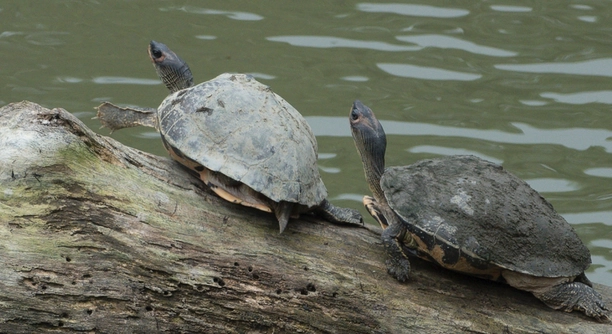
Bringing home a new Indian Roofed Tortoise is an exciting experience. However, it requires attention to ensure your new pet thrives in its new environment. Proper care and preparation are essential for its health and well-being.
When introducing a new Indian Roofed Tortoise to your home, it’s crucial to prepare its habitat, monitor its diet, and ensure proper temperature and humidity levels. Regular handling and regular health checks will help the tortoise adjust well to its new surroundings.
By following these simple steps, you can create a welcoming and healthy environment for your new tortoise. Proper care will ensure a long, happy life for your pet.
Preparing the Habitat for Your Indian Roofed Tortoise
Creating the right habitat for your Indian Roofed Tortoise is the first step in ensuring its well-being. The tortoise’s enclosure should be spacious enough to allow for movement, with a mix of hiding spots, basking areas, and a moist zone for hydration. Use a large tank or outdoor pen with proper walls to keep the tortoise secure. The substrate should be a mix of coconut husk, soil, and sand. This will allow the tortoise to dig, which is an important natural behavior.
A proper enclosure also needs temperature control. The basking area should be kept between 90-95°F, while the cooler side of the tank can range from 75-80°F. Installing a heat lamp can provide warmth, and UVB lighting is essential for their shell and overall health. The humidity should be kept around 50-60%, and regular misting can help maintain it. A shallow water dish for drinking and soaking is necessary for hydration.
Consistency is key in providing the right habitat. Regularly check temperature levels and humidity to ensure your tortoise remains comfortable. Having a clean, well-maintained environment will prevent health issues and stress.
Feeding Your Indian Roofed Tortoise
Feeding your tortoise the right food will keep it healthy and strong.
The Indian Roofed Tortoise is primarily herbivorous, meaning it thrives on a diet of leafy greens, flowers, and vegetables. Offer foods like dandelion greens, clover, and turnip greens, along with occasional fruit like apples or papaya. Avoid high-oxalate plants, as they can harm the tortoise’s kidneys. Providing a variety of foods will also help meet its nutritional needs.
In addition to fresh food, you can supplement your tortoise’s diet with calcium and multivitamin powder, sprinkled over its meals once or twice a week. This helps support shell growth and overall health. It’s important not to overfeed your tortoise, as obesity can lead to health issues. Keep the food portion moderate, and always remove any leftover food to avoid it spoiling.
Temperature and Humidity Control for Health
Maintaining proper temperature and humidity is critical for the health of your tortoise.
The Indian Roofed Tortoise requires specific environmental conditions to thrive. In addition to the basking and cooler zones in its habitat, it’s essential to provide the right humidity level. Too much or too little humidity can cause respiratory problems or dehydration. You can use a humidity gauge to monitor the levels. If needed, a humidity box or moss can help regulate the moisture in the enclosure.
A consistent temperature is equally important. Tortoises are cold-blooded, so they rely on external heat sources to regulate their body temperature. Without proper heat, their digestion and immune system may suffer. Make sure your tortoise’s habitat is not exposed to drafts or sudden temperature changes, as this can lead to stress or illness. A heat lamp or ceramic heater can help provide warmth during cooler times of the day or night.
Handling and Interaction
Handling your tortoise should be done with care and respect.
Indian Roofed Tortoises are generally calm and can be handled once they’ve settled into their environment. When handling them, always approach slowly to avoid startling them. Gently lift them by their sides or under the shell, never by the limbs or head. Avoid overhandling as it can stress them.
It’s important to let your tortoise explore its surroundings without too much interference. While they may tolerate some interaction, excessive handling can disrupt their natural behaviors. It’s best to keep interactions to a minimum, especially during the first few weeks in their new home.
Allowing your tortoise time to adjust will build trust and ensure it remains comfortable in its habitat.
Health Checks and Monitoring
Regular health checks are essential to prevent illness.
Keep an eye on your tortoise’s behavior, appetite, and shell condition. If your tortoise refuses food or seems lethargic, it could be a sign of stress or illness. Pay attention to any signs of dehydration, such as sunken eyes or dry skin. Check its shell for any cracks, softness, or abnormal growth.
Make sure to take your tortoise to a vet familiar with reptiles for regular checkups, especially if you notice anything unusual. A vet will help monitor its health and ensure it is receiving proper nutrition. If your tortoise experiences respiratory issues or seems uncomfortable, contact a professional immediately. Regular health checks will allow you to detect potential problems early and take the right actions to avoid long-term health issues.
Cleaning the Habitat
Cleaning your tortoise’s habitat regularly is crucial for its health.
Make sure to remove uneaten food daily to avoid spoilage. Change the bedding at least once a week, or more if it becomes soiled. This helps keep harmful bacteria from growing. Wipe down the walls and surfaces of the tank to prevent mold or mildew buildup.
Providing Outdoor Time
Indian Roofed Tortoises enjoy outdoor time, but it must be safe.
If possible, let your tortoise explore a secure, enclosed yard. The fresh air and sunlight are beneficial, but make sure there’s no way for it to escape or get harmed. Always supervise outdoor time to prevent predators or other dangers.
Providing Proper Lighting
UVB light is essential for your tortoise’s health.
Ensure your tortoise has access to UVB light for 10-12 hours a day. This helps them produce vitamin D3, which is vital for shell development and overall health. Without UVB, your tortoise could suffer from metabolic bone disease. Make sure the light is positioned correctly, so the tortoise can get enough exposure.
FAQ
How often should I feed my Indian Roofed Tortoise?
Indian Roofed Tortoises should be fed every day. A variety of fresh leafy greens should be offered daily. You can supplement their diet with occasional fruits, but keep these to a minimum. Avoid feeding them high-protein foods, as this can cause health problems. It’s best to remove any leftover food after a few hours to prevent spoilage.
Can I feed my tortoise fruits?
Yes, but only in moderation. Fruits like apples, papayas, and strawberries are safe for your tortoise. However, they should not make up a large portion of the diet. Too much fruit can lead to digestive problems. Offer fruits as an occasional treat rather than a daily food.
What temperature should I keep the habitat at?
The basking area should be kept between 90-95°F, while the cooler side of the habitat should be around 75-80°F. Maintaining these temperatures ensures your tortoise stays healthy and active. It’s important to avoid temperature drops below 70°F, as they can cause stress and illness.
How do I know if my tortoise is stressed?
Signs of stress in tortoises include a lack of appetite, hiding more than usual, or excessive pacing in its enclosure. If your tortoise seems lethargic or displays any abnormal behaviors, it’s important to check its environment for any possible stressors, such as poor temperature, humidity, or handling.
What is the best substrate for an Indian Roofed Tortoise?
A good substrate for your tortoise is a mix of coconut coir, soil, and sand. This allows for proper digging and burrowing, which are natural behaviors. The substrate should be kept dry in some areas and moist in others to help regulate humidity. Avoid using cedar or pine shavings, as they can be harmful.
Do I need to provide a water dish?
Yes, your tortoise needs access to fresh water at all times. A shallow dish is ideal for drinking and soaking. Some tortoises also enjoy bathing in water, which helps with hydration and shell maintenance. Be sure to clean the water dish regularly to prevent bacteria buildup.
How can I tell if my tortoise is healthy?
A healthy tortoise will have clear, bright eyes and a smooth, hard shell. Its skin should not be dry or cracked, and it should be active and alert. If your tortoise is eating well, moving normally, and maintaining a regular routine, it’s likely in good health.
Should I take my tortoise to the vet?
It’s a good idea to take your tortoise to a reptile vet for a health check, especially if you notice any signs of illness or abnormal behavior. Even healthy tortoises can benefit from a yearly check-up to ensure they are thriving. A vet can help you with any questions regarding diet, habitat, and health.
Can my tortoise live outdoors?
Yes, as long as the environment is secure and safe. If you plan to let your tortoise roam outdoors, make sure the area is enclosed to prevent escape. It should also be free from predators and extreme weather conditions. Always supervise your tortoise when it’s outdoors.
How do I prevent shell damage in my tortoise?
To prevent shell damage, provide a safe environment with no sharp objects or rough surfaces that could cause injury. Ensure that your tortoise has access to proper nutrition, especially calcium, which is essential for shell health. UVB lighting is also important for shell development.
Can I keep more than one tortoise together?
It’s possible to keep more than one tortoise, but they should be introduced carefully. Tortoises are solitary creatures and may not get along with others. If you decide to house multiple tortoises together, make sure the enclosure is large enough and that each tortoise has its own space to retreat. Watch for any signs of aggression or stress.
What should I do if my tortoise is not eating?
If your tortoise stops eating, it could be a sign of stress, illness, or environmental issues. Check the temperature and humidity levels in its habitat and ensure they are within the proper range. If the issue persists, consult a vet to rule out any health problems.
Is it safe to handle my tortoise frequently?
While it’s fine to handle your tortoise occasionally, frequent handling can stress it out. Allow your tortoise to explore its environment on its own terms. Always handle it gently and avoid picking it up by its legs or head. Over time, your tortoise will become more comfortable with occasional interaction.
How long can my tortoise live?
Indian Roofed Tortoises can live for several decades, with some reaching 50 years or more with proper care. This long lifespan means they are a long-term commitment, so it’s important to ensure you can provide the necessary care and environment for them to thrive throughout their lives.
What should I do if my tortoise is shedding its skin?
It is normal for a tortoise to shed its skin occasionally. Ensure the humidity in its habitat is appropriate, as dry conditions can cause excessive shedding. If the shedding seems abnormal or if you notice any skin irritation, consult a vet to check for any underlying health issues.
Final Thoughts
Bringing an Indian Roofed Tortoise into your home can be a rewarding experience, but it comes with the responsibility of ensuring its well-being. These tortoises are calm, slow-moving creatures that can live for decades with proper care. Providing a safe, clean, and comfortable habitat is key to keeping them healthy and happy. From setting up the right environment to monitoring temperature, humidity, and diet, each element of their care plays a role in their overall health. Regular health checks and handling with care will also go a long way in making sure your tortoise thrives in its new home.
While the Indian Roofed Tortoise may seem like a low-maintenance pet compared to others, it’s important to stay attentive to its needs. Their diet should primarily consist of fresh, leafy greens, and occasional fruits, while their enclosure needs to be spacious and equipped with the right lighting, temperature, and humidity. You’ll also need to clean their habitat regularly and ensure they always have access to fresh water. Providing occasional outdoor time in a safe and controlled environment can benefit your tortoise, but supervision is essential to keep it safe.
Overall, caring for an Indian Roofed Tortoise is a long-term commitment that requires attention to detail and a willingness to adapt as your pet grows. By following the simple guidelines and ensuring their habitat and health needs are met, you’ll be able to enjoy a rewarding and lasting relationship with your tortoise. It’s a process of learning and observing, but with patience and dedication, you’ll create a nurturing environment for your new companion.

Hello,
If you enjoy the content that we create, please consider saying a "Thank You!" by leaving a tip.
Every little bit helps us continue crafting quality advice that supports the health, happiness, and well-being of pets around the world, for pets of all shapes, sizes, and species.
We really appreciate the kindness and support that you show us!