
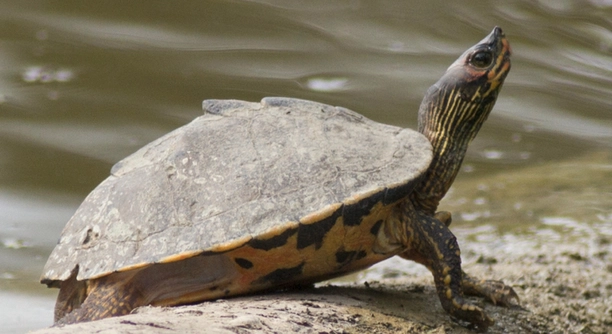
Parasites can affect the health of your Indian Roofed Tortoise, causing discomfort and potentially severe health issues. Recognizing the early signs of parasites is crucial for their care and well-being. This article will help you identify those signs early.
Parasites in Indian Roofed Tortoises can cause symptoms like lethargy, loss of appetite, and changes in stool. Early detection ensures better treatment outcomes and prevents further complications, safeguarding the health and longevity of your tortoise.
Understanding these signs is important for your tortoise’s overall health. Recognizing early symptoms allows for timely care and treatment, ensuring a better quality of life for your pet.
Signs of Parasites in Indian Roofed Tortoises
Parasites can slowly take a toll on your Indian Roofed Tortoise’s health. Some early symptoms are more noticeable than others. A common sign is lethargy, where your tortoise may appear unusually tired or inactive. Another indicator is loss of appetite or refusal to eat, which can often be linked to internal parasites. Diarrhea or changes in the consistency of stool is also a red flag. Sometimes, external parasites like ticks or mites may be visible on the skin. These issues can lead to long-term health problems if left untreated, so early detection is vital.
If your tortoise is showing any of these symptoms, it’s important to monitor them closely. A healthy tortoise will be active, eating well, and producing normal stool. The presence of parasites can affect all these aspects, leading to noticeable changes in behavior.
Be sure to keep an eye on your tortoise’s overall condition. Addressing the problem as soon as you notice any unusual signs can make a significant difference in treatment outcomes.
How Parasites Affect Their Health
Parasites can damage your tortoise’s internal organs, weaken its immune system, and cause malnutrition. Over time, this can lead to serious complications, affecting its ability to thrive. The symptoms mentioned earlier are signals that parasites are interfering with your tortoise’s normal function.
Parasites, such as worms, can cause intestinal blockages, leading to further digestive issues. These blockages can result in pain and discomfort. If left untreated, this can cause severe dehydration or malnutrition, both of which can threaten your tortoise’s life. Additionally, some parasites are more difficult to treat as they may develop resistance to medications over time.
Taking action quickly can prevent these issues from worsening. Veterinary care can help eliminate parasites through deworming medications or other treatments. If your tortoise is showing signs of infection, it’s best to consult a vet as soon as possible to ensure it gets the care it needs. Early treatment can help prevent any long-lasting damage and help your tortoise stay healthy.
Common Parasites That Affect Indian Roofed Tortoises
Internal parasites like roundworms, tapeworms, and protozoa are often the main concern. These organisms live inside the digestive system, affecting food absorption and overall health. External parasites like ticks and mites can also cause irritation and potential infections. Both types need attention to avoid serious complications.
Roundworms are common in tortoises, often causing digestive issues like diarrhea and loss of appetite. Tapeworms can also appear, leading to weight loss and lethargy. Protozoa, while less visible, can weaken the immune system, making your tortoise more susceptible to other health problems. If you notice changes in behavior, these parasites could be to blame.
Ticks and mites affect the skin, causing discomfort and possible infections. Ticks burrow into the skin, while mites are harder to spot but can cause excessive shedding or scabs. Keeping your tortoise’s environment clean and regularly checking for these pests will help reduce the risk of infestation. Treatment may involve topical medications or other veterinary interventions.
How to Prevent Parasites in Indian Roofed Tortoises
Maintaining a clean living environment is key in preventing parasite infestations. Regularly clean your tortoise’s enclosure, remove uneaten food, and replace bedding to avoid a buildup of parasites. A dry and warm habitat discourages parasite growth.
Offering fresh, high-quality food can also help keep your tortoise healthy and strengthen its immune system. Avoid feeding them food that could carry parasites, such as unwashed greens or contaminated water. Regular health check-ups from a vet can help catch any issues early and prevent future infestations. Additionally, controlling your tortoise’s exposure to wild animals can reduce the risk of parasite transmission.
By keeping their environment clean and feeding them well, you can lower the chances of parasites affecting your tortoise. Regularly inspect for visible pests and watch for changes in behavior, appetite, or stool. Early detection and prevention are the best ways to ensure your tortoise stays healthy and parasite-free.
Signs of Parasites in the Stool
Changes in your tortoise’s stool are often the first noticeable signs of parasitic infection. Healthy stool is firm and well-formed. If you notice watery, foul-smelling, or abnormal stool, it could indicate the presence of parasites. This is an important symptom to track.
Sometimes the stool may also contain visible worms or segments of tapeworms. This is a clear indicator of a parasitic infection. Diarrhea, combined with weight loss and loss of appetite, is often a sign that parasites are affecting the digestive system. Pay attention to the color and consistency of your tortoise’s stool regularly to detect any changes.
It’s essential to monitor these changes carefully and consult a vet for proper diagnosis and treatment. The sooner you identify the issue, the easier it is to manage and treat. Stool changes shouldn’t be ignored, as they often reflect internal health problems that need prompt attention.
Treating Parasites in Indian Roofed Tortoises
The treatment for parasites depends on the type and severity of the infestation. A vet will likely prescribe deworming medication to treat internal parasites like roundworms and tapeworms. For external parasites, topical treatments are available.
Regular treatments may be necessary to ensure that all the parasites are gone. Your vet will provide instructions on how to administer the medication and whether follow-up visits are required. Sometimes, a change in diet or habitat may be recommended to speed up recovery. Be sure to follow the vet’s advice closely to avoid reinfestation.
A proper treatment plan and consistent care are crucial for your tortoise’s recovery. Regular check-ups after treatment will help ensure that no parasites remain and that your tortoise is back to its healthy self.
Importance of Regular Vet Check-Ups
Regular check-ups with a vet are an essential part of keeping your tortoise healthy. These visits help detect early signs of parasites before they cause serious harm. Routine health checks allow your vet to monitor your tortoise’s overall condition.
FAQ
What are the most common parasites that affect Indian Roofed Tortoises?
The most common parasites that affect Indian Roofed Tortoises include roundworms, tapeworms, and protozoa. These parasites live inside the digestive system and can cause serious digestive issues. External parasites like ticks and mites are also common and can affect the skin, leading to discomfort or infections. Parasites can also weaken the tortoise’s immune system, making it more vulnerable to other health problems.
How do I know if my tortoise has parasites?
You can look for several signs to determine if your tortoise has parasites. The most common symptoms include a loss of appetite, lethargy, abnormal or diarrhea-like stools, and weight loss. If external parasites like mites or ticks are present, you may see visible signs of irritation or small bumps on the skin. Keep an eye on your tortoise’s behavior and health, and if any of these symptoms occur, it’s time to consult a vet.
Can parasites be harmful to my tortoise’s health?
Yes, parasites can be very harmful to your tortoise. If left untreated, internal parasites can cause severe digestive issues, dehydration, and malnutrition. External parasites, like mites and ticks, can lead to skin infections and irritation. In the worst cases, parasites can weaken the immune system, making your tortoise more susceptible to other infections or diseases. Early detection and treatment are crucial to preventing these issues from becoming more serious.
How can I prevent parasites in my tortoise?
Prevention starts with maintaining a clean living environment for your tortoise. Regularly clean their enclosure, remove uneaten food, and replace bedding to reduce the chance of parasites building up. Offering fresh, pesticide-free food will also help, as contaminated food or water can carry parasites. Be cautious of introducing wild animals to the enclosure, as they can carry parasites. Regular vet check-ups and keeping your tortoise away from infected areas are also helpful in preventing parasites.
What should I do if I suspect my tortoise has parasites?
If you suspect your tortoise has parasites, the first step is to contact a vet who specializes in reptiles. They will likely ask for a stool sample or may conduct tests to diagnose the type of parasite. Based on the results, your vet will prescribe the appropriate treatment. It’s important not to wait too long, as untreated parasites can lead to more severe health problems.
Can parasites spread between different tortoises?
Yes, parasites can spread between tortoises if they share an environment. If one tortoise has a parasitic infection, it’s possible for others in the same enclosure to become infected. That’s why it’s important to quarantine any new tortoises before introducing them to your existing pets. Proper sanitation, regular cleaning, and routine check-ups can help limit the spread of parasites in a multi-tortoise habitat.
Are there natural remedies for treating parasites in tortoises?
While some natural remedies may help with mild cases, it’s important to remember that parasites can be serious. It’s best to consult with a vet for proper treatment. Some natural options, like garlic or pumpkin seeds, are sometimes suggested to help with intestinal parasites, but these should only be used with guidance from a professional. Never rely solely on home remedies for treating parasites, as they may not be effective in eliminating the problem completely.
How often should I check my tortoise for parasites?
You should check your tortoise regularly for signs of parasites. A good rule of thumb is to perform a health check at least once a month, looking for any visible signs of skin issues or changes in behavior. Regular checks for abnormal stool or appetite changes can help catch parasites early. If your tortoise is showing any symptoms, it’s important to seek veterinary care immediately. Even if no symptoms are apparent, annual vet check-ups are a good idea to keep your tortoise’s health in check.
What are the treatments for external parasites like mites and ticks?
For external parasites like mites and ticks, the treatment typically involves the use of topical treatments such as sprays, creams, or dips specifically formulated for reptiles. These medications kill the parasites on contact and help prevent future infestations. Your vet may also suggest thoroughly cleaning your tortoise’s enclosure to remove any parasites or eggs that might be present. Follow-up treatments may be required to ensure all pests are gone. Regularly inspecting your tortoise for signs of external parasites can help you catch any new infestations early.
How long does it take for my tortoise to recover from a parasite infection?
The recovery time for a tortoise depends on the type and severity of the parasite infection. For most internal parasites, a few rounds of deworming medication are often enough to treat the infection, with recovery taking anywhere from a few days to a couple of weeks. External parasites like mites or ticks may take a little longer, especially if follow-up treatments are necessary. During recovery, be sure to provide a clean, comfortable environment and follow the vet’s instructions to ensure a full recovery.
Can my tortoise get parasites from its food?
Yes, contaminated food or water can introduce parasites to your tortoise. Parasites can be present in raw or unwashed vegetables, fruits, or even water sources. To reduce the risk of parasite transmission, always wash food thoroughly before offering it to your tortoise. It’s also important to provide fresh food and clean water daily. Avoid using pesticides or chemicals on your tortoise’s food to prevent contamination from harmful substances.
What should I do if my tortoise’s behavior changes suddenly?
If your tortoise’s behavior changes suddenly, such as becoming lethargic, losing interest in food, or acting abnormally, it may be a sign of parasites or another health issue. Monitor its condition closely and take note of any other symptoms like changes in stool or weight loss. It’s always a good idea to consult with a vet if there are sudden behavioral changes, as early intervention can often prevent more serious problems.
Final Thoughts
Keeping an Indian Roofed Tortoise healthy requires regular care and attention, especially when it comes to preventing and identifying parasites. Parasites can affect your tortoise in many ways, from digestive issues to skin infections, so it’s important to stay vigilant. Watching for signs like lethargy, loss of appetite, and changes in stool can help you detect problems early. By regularly checking on your tortoise’s behavior and environment, you can catch any potential issues before they become serious. A clean habitat and proper diet also play a big part in keeping parasites at bay.
If you notice any signs that suggest your tortoise may have parasites, it’s essential to take action quickly. Consult with a vet who specializes in reptiles for proper diagnosis and treatment. Depending on the type of parasite, your vet may recommend deworming medication, topical treatments, or changes in your tortoise’s environment. Never delay seeking professional help when it comes to your tortoise’s health. Timely treatment can prevent further complications and help your tortoise recover more quickly. While treating parasites, continue to provide a clean and comfortable space for your tortoise to rest and heal.
Preventing parasites in the first place is much easier than dealing with an infestation. A clean enclosure, regular vet check-ups, and careful monitoring of your tortoise’s diet are key steps in reducing the risk. Avoiding contact with wild animals and making sure your tortoise’s food is fresh and clean can help protect against parasites. With the right precautions and regular care, your tortoise can stay healthy and parasite-free. Being proactive about your tortoise’s health will ensure a long and happy life for your pet.

Hello,
If you enjoy the content that we create, please consider saying a "Thank You!" by leaving a tip.
Every little bit helps us continue crafting quality advice that supports the health, happiness, and well-being of pets around the world, for pets of all shapes, sizes, and species.
We really appreciate the kindness and support that you show us!