
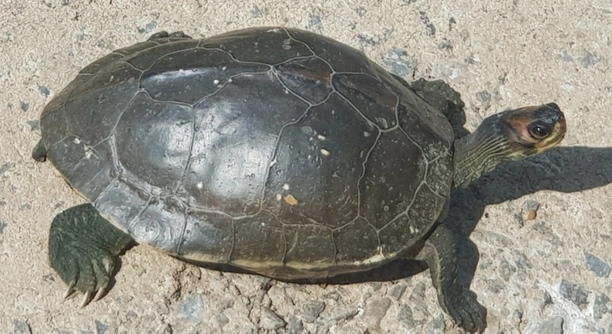
Indian Roofed Tortoises are unique creatures, and their behavior can sometimes leave owners puzzled. If you’ve noticed your tortoise scratching at the glass of its enclosure, you may be wondering what this behavior means.
The primary reason your Indian Roofed Tortoise is scratching at the glass is due to its instinctive desire to explore or escape. This behavior may indicate that your tortoise is either bored, stressed, or seeking more space.
Understanding this behavior is important for creating a more comfortable environment for your tortoise. With a few simple adjustments, you can reduce the scratching and help your pet feel more at ease.
Possible Causes for Scratching at the Glass
There are several reasons why your Indian Roofed Tortoise may be scratching at the glass. It could be a sign of curiosity, boredom, or even stress. If your tortoise feels confined, it may try to escape by scratching or pushing against the enclosure. Another reason could be that it is searching for food or new territory. Sometimes, they scratch as a way to explore their surroundings when they feel restless. Tortoises are naturally curious creatures, and if they don’t have enough stimulation or space to roam, they may resort to this behavior. The scratching could also signal a desire for more attention, as they may be seeking interaction with their owner. Regardless of the cause, addressing this behavior involves providing a suitable habitat that supports their needs.
It’s essential to understand that this scratching is a way for your tortoise to communicate its needs. This behavior shouldn’t be ignored, as it may indicate discomfort or frustration.
Make sure that your tortoise’s enclosure is spacious enough for it to explore and move around comfortably. If the enclosure is too small, the constant scratching can lead to stress and other health issues. You can provide more enrichment by adding hiding spots, rocks, or logs to allow your tortoise to climb and hide. Offering a variety of food and changing its placement can also help keep your tortoise entertained. If the scratching persists even after you make adjustments, it’s worth consulting a vet to rule out any potential health problems.
How to Address the Behavior
When you notice your tortoise scratching, it’s important to assess its environment first. Check if there are enough places for it to explore and hide. Consider adding plants, rocks, or other items to provide more stimulation.
Sometimes, a change in your tortoise’s routine can help reduce scratching. Consider rearranging the items inside its enclosure regularly. Tortoises enjoy exploring different environments, so this can be a good way to keep them occupied and content. You may also want to ensure that the glass is clean, as marks or reflections might cause confusion, making your tortoise feel the need to scratch even more. By giving your tortoise more opportunities to interact with its environment, it will feel more secure and less likely to scratch at the glass.
The Role of Stress in Scratching
Stress can trigger your tortoise to scratch at the glass, especially when it feels threatened or anxious. Environmental factors, like loud noises or overcrowding, can make them uneasy, leading to this behavior.
To minimize stress, make sure the enclosure is in a quiet, calm area of your home. Avoid sudden changes or disturbances around the tortoise. If you have other pets or young children, keep them away from the tortoise’s habitat to reduce stress. A secure, peaceful environment helps prevent unnecessary anxiety, which may also improve your tortoise’s overall well-being. Regularly check for any signs of stress or discomfort, and address them promptly.
Tortoises can also get stressed when their daily routine is disrupted. If you change their feeding schedule, lighting, or temperature, it may affect their behavior. Try to keep a consistent routine, as they feel more comfortable with predictable surroundings. Stress can sometimes lead to health issues, so keeping your tortoise’s environment stable and calm is key to its happiness.
Providing Proper Enrichment
Your tortoise needs more than just a spacious enclosure. Adding enrichment to its environment can reduce repetitive behaviors like scratching. This can be achieved by including climbing structures, hiding spots, and safe plants.
Tortoises enjoy exploring their environment, so providing an array of textures like rocks or logs can help. Including shallow water bowls will allow your tortoise to bathe, keeping it hydrated and satisfied. You can also introduce safe items that encourage natural foraging behaviors. Offering a variety of food and changing its position will provide more mental stimulation. These small additions can make a significant difference, ensuring your tortoise stays engaged and content in its enclosure.
It’s crucial to rotate the enrichment items regularly to keep your tortoise interested. New sights, smells, and objects will grab its attention, reducing the urge to scratch. Be sure to avoid any items that could be harmful, such as toxic plants.
Temperature and Lighting Considerations
Incorrect temperature or lighting can make your tortoise uncomfortable, leading to excessive scratching. Tortoises rely on proper heat and UVB lighting to stay healthy and active.
Ensure your tortoise’s enclosure has a temperature gradient with warm and cool areas. The basking area should be around 85-90°F, while the cooler side should stay around 70°F. Without the proper heat, your tortoise may feel restless and stressed, causing it to scratch the glass. UVB lighting is also necessary for proper shell growth and overall health, so make sure the light is within the recommended range.
The Importance of Space
If the enclosure is too small, your tortoise will likely scratch at the glass in an attempt to escape. Adequate space is essential for their well-being and mental health.
Your tortoise should have enough room to move around freely, explore, and stretch its legs. A cramped environment can lead to frustration and stress, encouraging repetitive behaviors like scratching. The more space you provide, the happier and healthier your tortoise will be.
FAQ
Why is my Indian Roofed Tortoise scratching at the glass?
Scratching at the glass can be a sign that your tortoise is feeling bored, stressed, or confined. Tortoises are naturally curious and may try to escape if their environment feels too small or uninteresting. They might also scratch if they’re looking for food or interacting with something they can’t reach. This behavior is often a way for them to express frustration or a need for attention.
How can I stop my tortoise from scratching the glass?
To stop your tortoise from scratching, consider increasing its space and providing more environmental enrichment. Adding rocks, logs, plants, and hiding spots can help keep it engaged. Additionally, ensure the enclosure is large enough for your tortoise to roam. Make changes to the habitat regularly to keep it interesting.
Is my tortoise scratching because it’s unhappy?
Scratching might be a sign of unhappiness or discomfort. Tortoises may feel stressed or anxious in an enclosure that is too small, lacks stimulation, or has inconsistent temperatures. It’s important to make sure that the habitat is set up to meet the tortoise’s needs, including proper lighting, temperature, and space.
Can I leave my tortoise’s enclosure small?
No, keeping your tortoise in a small enclosure can lead to stress and unwanted behaviors like scratching. Tortoises need space to move, explore, and exhibit natural behaviors. A cramped space limits their physical activity, leading to frustration. Make sure the enclosure is at least several times larger than the tortoise itself to ensure comfort and well-being.
Should I be concerned if my tortoise is constantly scratching at the glass?
Constant scratching can be a sign of distress or a need for more stimulation. While occasional scratching is normal, ongoing scratching might indicate a lack of enrichment, improper temperature, or insufficient space. If the behavior continues despite making adjustments, it’s important to consult a vet to rule out potential health concerns.
Can my tortoise scratch its shell or cause damage?
It’s unlikely that the scratching itself will cause serious harm to your tortoise’s shell. However, repetitive behaviors like constant scratching can lead to stress, which may have indirect effects on your tortoise’s overall health. It’s best to address the cause of the scratching to ensure your tortoise remains comfortable and healthy.
How can I tell if my tortoise is stressed?
Stress in tortoises may manifest in different ways, including excessive scratching, hiding more than usual, or refusing to eat. They may also exhibit more aggressive behavior or show signs of lethargy. If you notice any of these symptoms, evaluate the enclosure’s conditions, such as temperature, space, and lighting.
Can temperature affect scratching behavior?
Yes, temperature plays a significant role in a tortoise’s behavior. If the enclosure is too hot or too cold, your tortoise may become uncomfortable and scratch at the glass in an attempt to find a better spot. Make sure the enclosure maintains a temperature gradient, with a basking area that’s around 85-90°F and a cooler area around 70°F.
Is scratching a sign that my tortoise is looking for food?
Scratching at the glass can sometimes be a sign that your tortoise is searching for food, especially if it’s close to feeding time. It’s common for tortoises to scratch or display active behavior when they sense the possibility of food. Try keeping a consistent feeding schedule to reduce this behavior.
Do I need to worry if my tortoise is scratching in the corner of its enclosure?
If your tortoise is scratching in the corner of its enclosure, it could be trying to find a way out or simply exploring its space. If this behavior is persistent, make sure there are no barriers or stressors causing anxiety. Adding enrichment and ensuring the enclosure is appropriately sized can help reduce this behavior.
What are some signs that my tortoise is happy?
A happy tortoise is usually active, exploring its environment, and eating regularly. It may bask comfortably under a heat lamp or soak in water. Tortoises also show happiness by interacting with their environment and using all areas of their enclosure. If your tortoise is scratching less and exhibiting natural behaviors, it’s likely content.
Should I give my tortoise a friend to reduce its scratching?
Tortoises are generally solitary animals and don’t need another tortoise to feel happy. In fact, introducing another tortoise could lead to territorial behavior or increased stress. Instead of adding a companion, focus on providing more enrichment, a larger space, and a more stimulating environment to keep your tortoise content.
Can the type of substrate cause my tortoise to scratch?
The substrate you use in your tortoise’s enclosure can affect its behavior. If the substrate is uncomfortable or difficult for the tortoise to move on, it may scratch more. Make sure you are using a tortoise-friendly substrate like coconut husk, grass hay, or sand. Avoid substrates that could irritate your tortoise’s skin or hinder its movement.
Is it normal for a tortoise to scratch its enclosure at night?
Some tortoises may scratch at their enclosure during the night, but it could be a sign of stress or restlessness. If your tortoise is nocturnal, it may be more active after dark. However, if this becomes excessive or seems like a cry for help, check the environmental conditions to ensure they’re optimal for your tortoise’s needs.
Should I adjust the lighting to stop my tortoise from scratching?
Proper lighting is crucial for your tortoise’s well-being, and adjusting the lighting can help reduce scratching. Ensure your tortoise has access to UVB lighting for about 10-12 hours a day to support its health. Additionally, the lighting should mimic natural day and night cycles to help your tortoise maintain a healthy routine.
Final Thoughts
Understanding why your Indian Roofed Tortoise is scratching at the glass is an important step in ensuring its well-being. Scratching can be a sign of several factors, including boredom, stress, or a lack of space. Tortoises, like all animals, need an environment that provides stimulation, comfort, and room to move. A small enclosure or one without proper enrichment can lead to behaviors like scratching. It’s crucial to observe your tortoise and make adjustments to its habitat to address the underlying causes of the behavior.
Providing an appropriate environment is key to preventing these behaviors. Make sure your tortoise has enough space to explore and plenty of things to interact with, like rocks, logs, and plants. This helps prevent restlessness and can ease the scratching behavior. In addition, maintaining the proper temperature and lighting in the enclosure is essential for your tortoise’s health and happiness. Regularly check the conditions in your tortoise’s environment to make sure they align with the needs of your pet. Consistent care can help reduce the stress that causes behaviors like scratching at the glass.
Ultimately, if your tortoise’s scratching continues even after you’ve made changes to its environment, it might be worth seeking advice from a veterinarian. While scratching at the glass is often harmless, persistent or excessive scratching could indicate a deeper issue, such as health problems or extreme stress. By addressing these issues early, you’ll ensure that your tortoise remains happy, healthy, and content in its home. Providing a proper habitat is one of the best ways to keep your tortoise stress-free and prevent unwanted behaviors.

Hello,
If you enjoy the content that we create, please consider saying a "Thank You!" by leaving a tip.
Every little bit helps us continue crafting quality advice that supports the health, happiness, and well-being of pets around the world, for pets of all shapes, sizes, and species.
We really appreciate the kindness and support that you show us!