
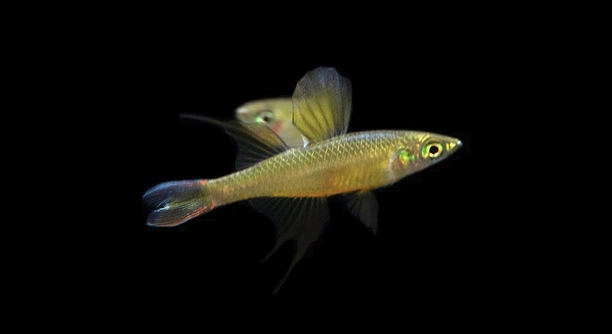
Do you ever find yourself out on the water, wondering why threadfin seem more active during certain times and quieter during others? Their behavior can often feel unpredictable, especially when temperature shifts come into play.
Threadfin activity is strongly influenced by water temperature, with specific ranges promoting maximum movement, feeding, and overall energy. Identifying the seven ideal temperature ranges helps anglers, researchers, and enthusiasts understand when threadfin are most likely to thrive and remain active.
These insights are not only useful for successful fishing but also for better understanding how temperature impacts the delicate balance of aquatic life.
Understanding Threadfin Temperature Needs
Threadfin are sensitive fish that respond quickly to shifts in water temperature. Their activity levels, feeding habits, and overall behavior depend on staying within the right range. When water is too cold, threadfin slow down and conserve energy. When it becomes too warm, they may struggle and reduce their movement. The ideal temperature range gives them the balance they need to stay active and healthy. For anglers, this knowledge can make a big difference when planning a fishing trip. For those who study aquatic life, it helps explain how water conditions directly influence fish survival and success.
Threadfin thrive when the water supports their metabolism and encourages natural feeding. If the water shifts outside of their comfort range, they may withdraw to deeper or shaded areas, reducing activity significantly. This is why temperature plays such a vital role in their daily patterns.
By knowing these specific ranges, you can better predict when threadfin are most likely to feed and move. This awareness helps with fishing strategies, improves catch success, and deepens understanding of their behavior. It also highlights how important water temperature is for maintaining a healthy environment for fish, supporting both natural habitats and sustainable practices.
Ideal Ranges for Maximum Activity
Threadfin show their highest levels of energy when water temperatures remain within precise ranges. These ranges keep them comfortable, allowing them to move freely, feed often, and maintain their health over time. Staying too far outside these levels can cause stress.
The seven temperature ranges most associated with maximum threadfin activity highlight both seasonal changes and the adaptability of the fish. In cooler conditions, threadfin are generally more sluggish, staying near warmer waters if available. As temperatures climb toward moderate levels, they become increasingly active, feeding more aggressively and schooling in open areas. When the water gets too hot, their movements slow again, and they often seek cooler refuges. Knowing these ranges allows anglers to time their efforts when the fish are naturally at peak activity. It also helps protect threadfin populations by avoiding times when they are stressed. Observing these natural patterns ensures better success and more sustainable fishing practices.
Seasonal Temperature Shifts
Threadfin respond quickly to seasonal temperature changes. Colder months often slow them down, while warmer periods encourage feeding and movement. These shifts shape their daily routines and influence where they gather, making temperature a reliable way to predict behavior.
In winter, threadfin activity decreases as water cools. They often move to deeper, more stable areas where the temperature is less extreme. This helps them conserve energy while still finding food when needed. Spring brings moderate conditions, which spark more feeding and schooling behavior. These changes create natural cycles that affect how and where threadfin can be found.
Summer brings warmth that fuels their energy but also risks overheating if waters rise too high. They may gather near shaded areas or cooler currents to cope. Autumn provides balance, with temperatures still supportive of feeding but not as extreme. These seasonal shifts give threadfin both challenges and opportunities throughout the year.
Feeding Patterns and Temperature
Temperature directly impacts how often threadfin feed. Cooler waters slow digestion and limit activity, while moderate warmth supports faster metabolism. When conditions are stable, they feed more regularly, which explains why some temperature ranges consistently bring better results for anglers and observers.
Threadfin rely on temperature stability for consistent feeding. In cooler waters, their digestion slows, leading to smaller feeding windows. Once water warms into their preferred range, threadfin become more active, moving frequently to find food and schooling near open areas. High temperatures, however, can disrupt this pattern, forcing them to reduce activity to avoid stress. For fishing, recognizing these feeding behaviors makes a significant difference in planning successful outings. For conservation, it shows the importance of maintaining healthy water conditions. Understanding these patterns not only improves fishing but also supports efforts to keep threadfin populations stable and thriving.
Water Depth and Temperature
Threadfin often adjust their depth to match preferred temperatures. Shallow waters warm quickly, attracting them during cooler seasons. In warmer months, deeper areas provide relief from heat, allowing them to stay comfortable and maintain regular activity levels.
Their ability to shift between depths helps them survive fluctuations. This behavior makes it easier to locate them if you understand how temperature affects different layers of water. Matching depth with current conditions increases the chances of observing active threadfin or having a more productive fishing experience.
Oxygen Levels and Temperature
Oxygen availability is closely tied to water temperature, directly affecting threadfin health and activity. Warmer waters generally hold less oxygen, forcing threadfin to seek cooler, oxygen-rich areas where they can breathe comfortably and remain active. Cold waters, on the other hand, provide higher oxygen levels but may reduce their metabolism. For anglers and researchers, this balance highlights the importance of both oxygen and temperature when tracking threadfin activity. Recognizing how these two elements work together provides a clearer picture of why threadfin move the way they do and where they can be consistently found.
Stress Factors
Extreme temperature swings create stress that weakens threadfin. Prolonged exposure outside their comfort range disrupts feeding, reduces energy, and increases vulnerability. Maintaining stable conditions gives them the best chance to thrive while keeping their natural behavior patterns intact.
FAQ
What temperature range keeps threadfin most active?
Threadfin are most active between 65°F and 75°F. This range supports steady feeding, consistent movement, and overall comfort. Outside of this, their activity declines, either slowing down in colder water or becoming stressed in hotter conditions.
Why do threadfin slow down in cold water?
Cold water lowers their metabolism, making digestion and movement less efficient. This leads to reduced feeding and slower activity. They often move into deeper or slightly warmer areas during cold months to conserve energy while still staying safe.
How does hot water affect threadfin?
When water becomes too warm, oxygen levels decrease, causing stress. Threadfin reduce activity to cope and may gather in cooler areas. If extreme heat continues, their feeding slows dramatically, and they focus more on survival than active movement.
Do threadfin change depth based on temperature?
Yes, threadfin frequently adjust depth to stay within their preferred range. In cooler times, they may rise to shallow waters warmed by the sun. During hot periods, they retreat deeper, where water remains cooler and oxygen levels are steadier.
How do seasonal changes affect their temperature preferences?
Seasonal shifts play a large role in activity. In winter, threadfin slow down and seek stability. Spring and fall bring balanced conditions that boost feeding and movement. Summer’s heat often reduces comfort, pushing them to shaded or deeper waters.
Why is oxygen so important for threadfin?
Threadfin require sufficient oxygen to remain active. Warmer waters hold less oxygen, which makes it harder for them to breathe and stay energized. When oxygen levels drop too low, they quickly reduce movement and concentrate in areas with better circulation.
How do temperature swings cause stress for threadfin?
Sudden changes disrupt their ability to adapt. Rapid drops or spikes in water temperature force them to shift locations quickly, using extra energy. Long-term swings weaken their immune system, reduce feeding, and make them more vulnerable to environmental pressures.
Can anglers use temperature to improve catch rates?
Yes, monitoring temperature can greatly improve fishing success. Knowing when threadfin are most active helps plan outings for peak feeding times. Fishing when water is stable and within their comfort range usually increases the chances of steady action.
What role does metabolism play in their activity?
Metabolism speeds up in moderate warmth, which fuels energy and consistent feeding. In colder water, it slows, leading to fewer movements and smaller feeding windows. Extremely warm conditions disrupt the process, causing reduced appetite and slower digestion overall.
Are threadfin more active during certain times of day?
Yes, threadfin often respond to daily temperature changes. Early mornings and evenings provide comfortable ranges, especially in warmer months. Midday heat may push them deeper or into shaded spots. This rhythm shapes when they are most active and accessible.
Why do threadfin gather in schools more often in some temperatures?
Schooling is a protective and feeding strategy that works best when their energy is high. In moderate, comfortable temperatures, they move actively together to locate food. When stressed by extremes, they disperse or reduce activity, limiting the frequency of schooling.
How can habitat management support healthy threadfin populations?
Maintaining stable water conditions is key. Avoiding rapid temperature shifts, preventing excess heat buildup, and protecting oxygen levels all help threadfin thrive. These efforts not only support healthier populations but also provide more reliable opportunities for anglers and observers.
Do threadfin completely stop feeding outside their comfort range?
Not completely, but feeding slows significantly. In very cold water, they eat less because their digestion is sluggish. In very warm water, reduced oxygen levels make them less active, so they feed sparingly until conditions stabilize again.
Can threadfin survive long periods outside their ideal range?
They can survive short periods, but long exposure is harmful. Prolonged stress reduces energy, weakens their immune system, and impacts growth. Staying outside their comfort range for too long can make them vulnerable and reduce long-term survival.
How can temperature monitoring tools help?
Using thermometers or depth finders gives precise readings of water conditions. This helps track where threadfin are likely to be and whether they are active. For anglers, it improves timing, and for conservation, it supports better habitat protection.
Is there a link between threadfin activity and spawning behavior?
Yes, temperature influences spawning. Threadfin are more likely to spawn when conditions are stable within their preferred range. Too much cold delays the process, while excessive heat interrupts it. Balanced temperatures create the right environment for reproduction.
What should anglers avoid during extreme conditions?
It is best to avoid stressing threadfin further by fishing heavily during extreme temperatures. When water is too cold or too hot, their energy is already reduced. Allowing them time to recover helps maintain healthy populations long term.
Why does stability matter more than exact temperature?
Stable conditions reduce stress and give threadfin time to adapt. Even if the water is slightly outside their range, gradual shifts are easier for them to handle. Sudden changes, however, place heavy strain on their health and activity.
How can understanding temperature improve long-term sustainability?
Recognizing the role of temperature in threadfin activity ensures better fishing practices and stronger populations. Supporting stable habitats means healthier fish that thrive naturally. For anglers, it brings reliable opportunities while also protecting the balance of aquatic ecosystems.
Final Thoughts
Threadfin are fascinating fish because their behavior changes so clearly with temperature. They are not random in their movements or feeding; instead, they follow the water’s conditions closely. Cold water slows them down, warm water can overwhelm them, and moderate temperatures bring out their highest energy. These patterns remind us that water conditions are not just numbers but living factors that shape how fish survive. By paying attention to these shifts, you gain a clearer understanding of when threadfin are most likely to be active, when they are conserving energy, and when they are simply trying to cope with stress. This awareness makes fishing more rewarding and also deepens respect for the natural patterns that govern aquatic life.
Understanding the seven ideal temperature ranges gives you a practical way to predict threadfin activity. When water rests within these ranges, their metabolism is steady, oxygen levels are supportive, and their movement becomes consistent. That is when they are at their healthiest, and it shows in their behavior. They school together, feed more often, and remain visible across open water. On the other hand, extremes of heat or cold disrupt these rhythms, forcing them to retreat or slow down. Knowing this helps you prepare, whether your interest is in catching them, observing them, or simply appreciating the balance of nature. It highlights how even small changes in temperature can ripple through their lives in powerful ways.
Paying attention to temperature is not only useful but also respectful toward the fish themselves. It allows you to act at the right times without putting unnecessary strain on them during stressful conditions. For those who fish, it can improve success rates while still keeping sustainability in mind. For those who care about ecosystems, it shows how important stable environments are for the health of aquatic species. Threadfin thrive best when their world is balanced, and understanding that balance is the first step in supporting it. Whether you see them in cooler months staying deeper, or in spring when they are active and schooling, every shift is a reminder of how connected life is to the temperature of water. In the end, these insights not only help with threadfin activity but also strengthen the connection between people and the natural cycles that sustain these remarkable fish.

Hello,
If you enjoy the content that we create, please consider saying a "Thank You!" by leaving a tip.
Every little bit helps us continue crafting quality advice that supports the health, happiness, and well-being of pets around the world, for pets of all shapes, sizes, and species.
We really appreciate the kindness and support that you show us!