
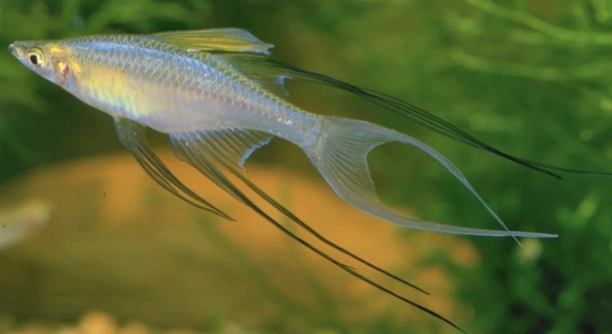
Threadfins are fascinating fish that often move gracefully through the water, yet they sometimes display unusual behavior by following the shadows of tanks. This action seems purposeful, as if they are responding to subtle changes in their environment. Observing these movements can reveal important insights about their habits.
Threadfins follow tank shadows primarily due to instinctual responses to perceived shelter or predatory threats. Shadows create a sense of protection, triggering natural schooling and safety behaviors that are essential for minimizing stress and promoting stable environmental interactions.
Learning about this behavior can help aquarists better manage tank conditions and ensure the well-being of threadfins in home or research settings.
Understanding Threadfins’ Sensory Responses
Threadfins have highly developed lateral lines, which allow them to detect subtle changes in water movement and light. These sensory organs help them interpret shadows and movement in the tank, guiding their positioning. When a tank light creates a shadow, threadfins may perceive it as shelter or a potential predator nearby. This response is deeply instinctive, rooted in their need for survival in natural habitats. In captivity, shadows can trigger similar behaviors even without real threats. Observing how threadfins react to shifting light patterns can reveal their comfort levels, stress points, and preferred areas within the tank. Adjusting lighting or tank décor can reduce unnecessary shadow formations, helping threadfins feel secure while maintaining natural behavior. These adjustments are subtle yet effective, demonstrating how environmental awareness supports healthy fish behavior. Regular observation ensures that tank conditions meet the species’ specific needs, promoting both physical and mental well-being.
Threadfins’ reactions to shadows are often consistent across different tank setups. They respond instinctively to protect themselves.
Managing light and tank layout effectively minimizes stress and encourages calm schooling, which supports overall health and reduces erratic swimming.
The Role of Tank Design in Behavior
Tank structure significantly influences threadfins’ comfort levels. A tank with open areas and consistent lighting reduces shadowy regions, allowing threadfins to swim freely without unnecessary stress or hesitation.
Careful planning of tank design is essential to maintain a stable environment. Providing areas with gentle lighting transitions helps threadfins navigate confidently, while avoiding sudden dark patches that may cause panic or clustering. Decorations, such as smooth rocks or plants, create subtle shelter without generating harsh shadows. These elements mimic aspects of their natural habitat, giving them a sense of safety while encouraging normal swimming patterns. Tank dimensions and water flow also affect shadow formation; wider tanks with steady currents prevent abrupt shading. Regular observation allows adjustments to lighting angles, décor placement, and flow direction, creating an environment where threadfins feel secure. Such attention ensures that behavioral responses to shadows are natural and not stress-induced, supporting both physical development and social interaction within the school. Thoughtful tank design balances safety and stimulation, helping threadfins thrive.
Feeding and Shadow Behavior
Threadfins often associate shadows with safety while feeding. Shadows can provide a sense of cover, allowing them to eat more confidently without feeling exposed to threats.
During feeding times, threadfins may move closer to shaded areas or tank corners, where shadows are more pronounced. This behavior reduces stress, as they instinctively perceive these areas as protective zones. In aquariums, placing food near partially shaded sections can encourage natural feeding habits while minimizing competition or anxiety among the school. Over time, this approach can help maintain consistent eating patterns, as threadfins feel secure during meals. Observing their response to different feeding spots provides insights into their preferred light conditions and comfort levels. Adjusting the placement of food and light can improve both appetite and overall well-being, demonstrating the importance of combining environmental awareness with feeding strategies to support healthy behavior.
Providing partially shaded feeding areas encourages threadfins to eat naturally, reducing stress and promoting calmer, more consistent behavior during meals.
Shadows influence not only feeding but also social interaction. Threadfins often cluster in dimmer areas, reinforcing schooling and hierarchy within the tank.
Light Intensity and Tank Shadows
Light intensity directly affects how shadows form, which in turn impacts threadfin behavior. Consistent, moderate lighting helps prevent sudden dark patches that trigger anxiety or clustering.
Strong or uneven lighting can create harsh shadows, causing threadfins to react unpredictably or congregate unnaturally. Adjusting light angles and using diffusers can soften shadows, promoting a stable and comfortable environment. Even minor changes, such as moving a tank fixture or altering the light schedule, can influence how shadows are cast and perceived. Threadfins are sensitive to these variations, and careful monitoring ensures that light levels support natural behavior without overstimulation or unnecessary stress. Balancing brightness and shade allows threadfins to navigate the tank confidently, maintaining normal swimming patterns and healthy social interactions. Thoughtful management of light intensity minimizes shadow-related stress, helping the fish remain calm and active throughout the day.
Shadow Patterns and Movement
Threadfins adjust their swimming based on shadow patterns in the tank. Moving shadows often attract them, making them follow the shaded areas instinctively.
These responses are instinctual, as shadows resemble shelter in their natural habitats. Observing how they react helps in understanding their comfort zones and stress points.
Water Flow and Its Impact
Water currents can create shifting shadows that threadfins notice immediately. Strong currents may exaggerate shadow patterns, influencing how the fish position themselves. Controlling flow with filters or gentle pumps ensures shadows remain subtle, preventing unnecessary stress. Stable water movement promotes calm swimming, while turbulent areas may push threadfins toward calmer, shaded regions. Adjusting flow carefully supports both their schooling behavior and overall tank balance, allowing threadfins to interact naturally with their environment. Observing their patterns in response to flow can guide tank adjustments, creating an environment that aligns with their instinctive behavior while maintaining a healthy and comfortable space.
Seasonal Lighting Effects
Changes in seasonal lighting can subtly alter shadow lengths, impacting threadfin behavior within the tank.
FAQ
Why do threadfins follow shadows in the tank?
Threadfins follow shadows as a natural instinct for safety and comfort. Shadows mimic areas of shelter in their natural habitat, which makes them feel protected from potential threats. Even in a controlled environment, this instinct remains, causing them to stay close to shaded areas.
Is it harmful for threadfins to cluster in shadows?
No, clustering in shadows is generally not harmful. It is a normal behavior that provides a sense of security. However, consistently overcrowded areas may increase competition for space or food. Ensuring enough shaded and open areas allows them to spread out comfortably.
Can lighting changes reduce shadow-following behavior?
Yes, adjusting lighting can minimize extreme shadows and influence movement patterns. Using diffused light or repositioning tank lights helps create consistent brightness, preventing sudden dark patches that may trigger unnecessary stress or clustering.
Do tank decorations affect shadow-following behavior?
Decorations can create subtle shelter without causing stress. Smooth rocks, plants, or low-profile structures cast gentle shadows, providing areas for threadfins to feel safe. Avoid placing items that create harsh or moving shadows, as this may disrupt natural swimming and schooling behavior.
Should I place food near shadows to encourage feeding?
Yes, partially shaded areas can help threadfins feed more confidently. Shadows provide a sense of cover, reducing stress while eating. Placing food in these areas encourages natural feeding habits, promotes calmer behavior, and ensures all fish have access without excessive competition.
How does water flow influence shadow-following behavior?
Water currents can shift shadows, which threadfins notice and respond to instinctively. Strong or turbulent flow may push fish toward calmer shaded areas. Adjusting flow with filters or gentle pumps helps maintain subtle, stable shadows, supporting natural swimming and reducing stress.
Do seasonal lighting changes impact threadfin behavior?
Yes, changes in light intensity or duration can subtly alter shadow formation. Longer daylight or brighter light may reduce clustering, while lower light conditions can increase shadow-seeking behavior. Monitoring and adjusting tank lighting according to seasonal patterns helps maintain normal activity levels.
Is shadow-following behavior a sign of stress?
Not necessarily. Following shadows is usually instinctual and not a sign of immediate stress. However, excessive hiding or avoidance, paired with decreased appetite or erratic swimming, could indicate discomfort. Regular observation ensures environmental adjustments meet their needs.
How can I balance open space and shaded areas in the tank?
Providing a mix of open swimming areas and gentle shaded spots creates a balanced environment. Open areas allow exercise and schooling, while subtle shadows offer comfort. Adjusting light angles, decoration placement, and water flow ensures both safety and freedom for threadfins.
Will all threadfins follow shadows in the same way?
Behavior varies slightly between individual fish. Some may rely heavily on shadows, while others explore open areas more confidently. Observing patterns over time allows customization of tank setup to match the comfort and natural tendencies of your specific group.
Can I reduce shadow-following without affecting natural behavior?
Yes, subtle adjustments to lighting, tank layout, and decoration placement can minimize extreme shadow-following while respecting their instinctive behavior. The goal is to create an environment that feels safe without restricting natural movement or social interactions.
Do shadows influence social behavior among threadfins?
Shadows can affect schooling and hierarchy. Fish often gather in shaded areas, reinforcing social structure. Providing multiple shaded zones prevents overcrowding and encourages more natural interaction, allowing fish to choose their preferred comfort level within the tank.
How important is observation for managing shadow-following behavior?
Observation is key. Monitoring how threadfins respond to lighting, décor, water flow, and feeding spots allows adjustments that reduce stress while maintaining instinctual behaviors. Regular attention ensures that both physical and social needs are met effectively.
Can changing tank size affect shadow-following?
Yes, larger tanks with evenly distributed light reduce sudden shadow patches, encouraging freer movement. Smaller tanks may exaggerate shadow effects, leading to clustering. Adjusting tank size or layout helps balance safety instincts with space for exploration.
Are there any health concerns linked to excessive shadow-following?
Excessive shadow-following alone is not harmful, but if accompanied by lethargy, reduced feeding, or unusual swimming, it may indicate stress or illness. Maintaining optimal lighting, water quality, and tank setup ensures that shadow-following remains a natural, healthy behavior.
How do threadfins react to moving shadows?
Moving shadows can trigger brief bursts of movement or following behavior. They may track shifting shadows instinctively, interpreting them as potential cover or threat. Ensuring smooth, consistent lighting and gentle water flow reduces unnecessary movement and stress.
Can shadow-following indicate readiness to breed?
Not directly. Shadow-following is primarily linked to comfort and protection. Breeding behavior is influenced more by water quality, temperature, and diet. However, providing safe, shaded areas may help fish feel secure, indirectly supporting natural reproductive behavior.
What adjustments are easiest to implement for healthier shadow behavior?
Simple changes include repositioning lights, adding gentle décor, adjusting water flow, and providing consistent feeding spots. These measures reduce sudden shadows while supporting natural swimming and schooling patterns, promoting overall well-being.
Does shadow-following decrease as threadfins adapt to the tank?
Often, yes. As fish become familiar with their environment, they may rely less on shadows for security. Gradual adjustments in lighting, décor, and feeding can encourage confident exploration while still allowing access to shaded areas for comfort.
Is shadow-following more common in certain tank conditions?
It is more noticeable in tanks with uneven lighting, strong currents, or limited shelter. Consistent light, moderate flow, and balanced décor help manage this behavior while respecting their instinctual needs.
Can shadow-following help monitor fish health?
Yes. Changes in shadow-following patterns can indicate stress, illness, or discomfort. Regularly observing these behaviors allows early intervention and ensures environmental or health issues are addressed promptly.
Are younger threadfins more prone to following shadows?
Juveniles may be more reliant on shadows for protection, displaying stronger clustering behavior. As they mature, confidence typically increases, and they explore open areas more readily while still using shadows for occasional comfort.
Does feeding schedule impact shadow-following?
Regular feeding near shaded areas encourages natural patterns and reduces stress. Inconsistent timing or placement may increase clustering or erratic swimming, as fish seek security while anticipating food. Consistent routines help maintain calm behavior.
How can I observe shadow-following without disturbing the tank?
Use slow, unobtrusive movements when checking the tank. Avoid sudden light changes or tapping, which can create stress. Observing from a distance provides a clearer understanding of natural behavior.
Are some fish more dominant in choosing shaded areas?
Yes, hierarchical behavior can influence access to shadows. Dominant individuals may occupy preferred spots, while others adapt by seeking alternative shaded zones. Providing multiple subtle shaded areas reduces conflict and promotes healthier social interactions.
Do shadows affect night-time behavior?
At night, reduced light naturally creates more shadowed areas. Threadfins may cluster or rest in these spots. Ensuring consistent day-night cycles and gentle dimming prevents stress while supporting natural rest and activity rhythms.
How can I document shadow-following behavior for better tank management?
Keeping a simple log of feeding times, lighting adjustments, and observed patterns helps track changes and optimize tank conditions. Notes on clustering, swimming routes, and responses to décor provide useful insights for improving comfort and health.
Can changing the tank background influence shadow-following?
Yes, darker or patterned backgrounds may enhance perceived shadow areas, while light-colored backgrounds reduce contrast. Selecting neutral tones helps maintain subtle shadowing without creating stress-inducing contrasts for threadfins.
Does tank cleaning impact shadow-following behavior?
Yes, moving décor or disturbing water during cleaning can temporarily change shadows, causing fish to react instinctively. Cleaning carefully and returning items to consistent positions helps maintain normal patterns and reduces stress.
Are shadow-following behaviors unique to threadfins?
While many schooling fish respond to shadows, threadfins display particularly noticeable following behavior. Their sensitivity to subtle environmental changes makes them more predictable in shadow response, allowing targeted tank management strategies to support their comfort and natural instincts.
Does shadow-following affect energy levels?
Mild shadow-following does not drain energy, but frequent sudden movements due to shifting shadows may increase activity and stress slightly. Stable lighting and gentle currents help conserve energy while maintaining natural behavior.
Can shadow-following indicate predator awareness instincts?
Yes, this behavior is an evolutionary remnant of predator awareness. Even without predators, shadows simulate protective cover, triggering instinctive responses that promote safety and reduce vulnerability.
How often should I observe shadow-following to maintain tank health?
Daily observation is ideal. Noting patterns during feeding, light changes, and activity peaks ensures environmental adjustments keep pace with fish behavior, promoting overall health, social balance, and consistent natural activity levels.
Does group size influence shadow-following?
Larger schools may cluster more in shaded areas, while smaller groups disperse more freely. Providing enough shaded zones for all individuals reduces stress and ensures equitable access, supporting healthy social dynamics.
Are there signs that shadow-following has become problematic?
Problematic behavior includes extreme hiding, refusal to feed, lethargy, or erratic swimming. These signs suggest environmental or health issues rather than natural shadow-following, requiring intervention and tank adjustments.
Can shadow-following behavior be encouraged for better acclimation?
Yes, subtle lighting and gentle shaded zones help new threadfins feel secure, easing stress during acclimation. Controlled use of shadows supports smooth adaptation without altering natural instincts.
Do shadows influence mating or courtship behavior?
Indirectly. Safe, shaded areas allow threadfins to feel secure, which may support normal courtship behavior. Comfortable environments promote confidence, reducing stress that could interfere with reproductive interactions.
How do temperature changes interact with shadow-following behavior?
Sudden temperature fluctuations may increase reliance on shaded areas as fish seek comfort. Maintaining stable water temperatures ensures shadows remain a source of security rather than a stress response.
Does shadow-following differ between species of threadfins?
Yes, behavior can vary slightly depending on species and natural habitat preferences. Observing each type individually helps tailor tank setup to their specific comfort levels and instinctual tendencies.
Can shadow-following provide enrichment for threadfins?
Yes, varying gentle shadows encourages exploration and natural behavior, keeping the fish mentally engaged. Subtle environmental changes prevent boredom while maintaining safety.
Are artificial or natural shadows more effective?
Both can work if they are gentle and consistent. Artificial décor allows control over placement and intensity, while natural light variations mimic habitat conditions. Balancing both approaches can optimize comfort and behavior.
Do threadfins ever avoid shadows?
Occasionally, confident individuals may prefer open areas, especially if they feel secure and well-acclimated. This behavior shows adaptation and comfort, indicating the tank provides a balanced environment.
How can I measure the success of shadow adjustments?
Success is seen in calmer swimming patterns, even distribution of fish, consistent feeding, and reduced stress signs. Monitoring over time ensures adjustments meet both instinctual and environmental needs effectively.
Can shadows affect interspecies tank mates?
Yes, other species may respond differently to shadows. Careful planning of décor and lighting ensures that threadfins’ shadow-following behavior does not create stress or conflict with other fish, maintaining harmony in mixed tanks.
Is shadow-following behavior constant throughout the day?
Behavior varies with light levels, feeding schedules, and activity cycles. Threadfins may seek shade more during high light periods or while anticipating feeding, while exploring more during calmer, lower light periods.
Do older threadfins rely less on shadows?
Generally, yes. Mature fish often feel more confident in open areas, though they continue to use shaded zones as optional comfort spaces. Observing shifts in preference helps guide tank adjustments.
Can shadow-following inform tank layout decisions?
Absolutely. Understanding where threadfins prefer shadows helps determine optimal decoration placement, light angles, and feeding zones. Adjusting layout based on observation promotes natural behavior and reduces stress.
Does shadow-following behavior change with water quality?
Poor water quality can exaggerate hiding or clustering, as fish instinctively seek shelter. Maintaining proper parameters ensures shadows remain a natural behavioral cue rather than a stress response.
How do I balance shadow-following with adequate exercise?
Providing open areas between shaded spots encourages swimming and schooling. Alternating feeding locations and gentle water flow ensures threadfins remain active while retaining access to comfort zones.
Can shadow-following be used for behavioral studies?
Yes, observing patterns provides insights into social hierarchy, stress response, and environmental preferences. Controlled experiments using light and décor adjustments can help researchers understand instinctual behavior.
Do sudden changes in shadow length affect behavior?
Yes, sudden changes may startle fish, causing brief panic or clustering. Gradual adjustments in lighting and décor prevent stress while allowing threadfins to adapt naturally.
Can shadow-following indicate preferred tank zones?
Yes, areas consistently favored by threadfins for shade reveal comfort zones. Observing these preferences helps optimize tank layout for both safety and activity.
Are there seasonal differences in shadow-following intensity?
Yes, longer daylight or brighter periods may reduce clustering, while shorter, dimmer periods increase reliance on shadows. Seasonal adjustments to lighting can help maintain consistent behavior.
Do shadows influence stress hormone levels in threadfins?
Indirectly. Safe, gentle shadows can reduce stress responses, while harsh or sudden shadows may elevate them. Stable environmental cues are essential for well-being.
Can shadow-following guide feeding strategies for multiple fish?
Yes, distributing food near multiple shaded areas reduces competition and stress. Observing movement patterns ensures equitable access and supports natural feeding behavior.
Does shadow-following behavior persist in captivity long-term?
Yes, the instinct remains throughout their lives, though confidence and adaptation may reduce reliance. Consistent environmental management maintains a healthy balance between instinct and acclimation.
Can shadows help reduce aggression among tank mates?
Providing multiple subtle shaded zones allows dominant and subordinate fish to occupy different areas, reducing conflicts and promoting social stability.
Is there a connection between shadow-following and sleep or rest?
Yes, shaded areas provide perceived security, encouraging rest and calm periods. Ensuring stable, dim zones supports natural activity and sleep cycles.
How do I create gentle shadows without stressing fish?
Use diffused lighting, low-profile décor, and smooth surfaces. Avoid abrupt changes in light intensity or moving objects that cast sudden shadows, ensuring a calm and secure environment.
Can shadow-following indicate environmental enrichment needs?
Yes, observing how threadfins respond shows whether the tank provides adequate stimulation, shelter, and comfort. Adjustments based on behavior improve mental and physical health.
Does shadow-following interact with temperature gradients in the tank?
Yes, cooler or warmer shaded areas may influence movement. Maintaining even temperature helps shadows remain a source of comfort rather than stress.
Are there warning signs that shadow-following has become abnormal?
Abnormal signs include persistent hiding, loss of appetite, lethargy, or aggression. These behaviors suggest environmental or health issues requiring prompt attention.
Do threadfins teach younger fish to follow shadows?
Behavior is mostly instinctual, but juveniles may observe adults and reinforce safe patterns. Group behavior encourages consistent use of shaded areas for comfort.
Can shadow-following help with acclimation after transport?
Yes, providing gentle shadows helps reduce stress in newly introduced fish. Safe zones allow exploration while maintaining instinctual comfort, easing adjustment to a new environment.
Is shadow-following influenced by tank height?
Yes, taller tanks may create different light gradients and shadows. Adjusting lighting and décor ensures consistent comfort zones across vertical space.
Does shadow-following change during breeding seasons?
Indirectly. Comfort zones provided by shadows may support courtship and spawning by reducing stress. Fish still rely on safe areas while interacting.
How do I prevent overcrowding in shaded areas?
Provide multiple subtle shaded zones and open swimming areas. Monitor school behavior and adjust décor to balance comfort and freedom of movement.
Can shadows influence feeding competition?
Yes, clustered shadows may concentrate fish during feeding, increasing competition. Distributing food across multiple shaded areas reduces stress and encourages natural patterns.
Do shadows affect nocturnal activity?
Yes, shadows at night influence resting locations. Gentle dim zones support natural nocturnal rest without causing panic or crowding.
Is shadow-following more prominent in stressed fish?
Stress can exaggerate shadow-seeking behavior. Fish under normal conditions use shadows for comfort, but stressed fish may cluster excessively or avoid open areas altogether.
Can shadow-following be observed in community tanks?
Yes, but interactions with other species may alter patterns. Ensuring adequate shaded zones and monitoring social behavior reduces conflict and supports healthy coexistence.
Does shadow-following vary with feeding method?
Yes, hand-feeding or pellet distribution near shaded areas can influence movement patterns. Observing responses helps optimize feeding strategies and reduce stress.
How do I know if shadows are providing comfort rather than causing stress?
Calm swimming, normal feeding, and even distribution indicate comfort. Rapid darting, excessive clustering, or refusal to leave shaded zones suggests stress that requires adjustment.
Are shadows used for hiding from perceived threats?
Yes, instinctively. Even in safe tanks, shadows mimic protection, allowing threadfins to feel secure and maintain natural survival behaviors.
Can I use shadow-following to improve tank enrichment?
Yes, gentle shadow zones encourage exploration and natural schooling behavior. Strategic placement of décor and lighting can create mental stimulation while maintaining safety.
Do older fish respond differently to shadows than juveniles?
Older fish may explore more freely but still use shadows for comfort. Juveniles rely more heavily on shaded areas for perceived protection.
Does shadow-following impact oxygen consumption?
Mild shadow-following has minimal impact. However, excessive darting due to shifting shadows may slightly increase energy expenditure. Balanced lighting and flow reduce unnecessary movement.
How often should I adjust décor to manage shadows?
Only when needed. Frequent changes can stress fish. Observing behavior first ensures adjustments maintain comfort without disrupting routines.
Can shadows help reduce aggression in multi-species tanks?
Yes, multiple shaded zones allow fish to occupy separate areas, reducing territorial disputes and promoting calmer interactions.
Do threadfins prefer moving or stationary shadows?
Stationary shadows are generally preferred. Moving shadows can trigger chasing or following behavior, which may increase activity and stress if excessive.
Are shadows more important in small tanks?
Yes, smaller tanks amplify shadow effects. Carefully placed décor and consistent lighting help maintain balance between security and swimming space.
Can shadow-following indicate environmental enrichment success?
Yes, regular, calm use of shaded areas shows that the tank provides sufficient comfort and stimulation. Sudden avoidance may suggest environmental deficits.
How do I prevent overcrowding in shaded spots?
Provide multiple gentle shaded areas
Final Thoughts
Threadfins are sensitive and instinct-driven fish that respond to subtle environmental cues, such as shadows in the tank. Observing their behavior can reveal much about their comfort and well-being. Following shadows is a natural response, rooted in instincts for safety and protection. Even in controlled aquarium environments, these behaviors persist because they are hardwired into the species. Shadows mimic areas of shelter that threadfins would seek in the wild, helping them feel secure while navigating their surroundings. Over time, aquarists can learn to interpret these behaviors to improve tank management and ensure the fish feel safe and relaxed. Understanding the importance of shadows allows for adjustments in lighting, décor, and feeding placement, all of which contribute to creating a stable and supportive environment for the fish.
Providing balanced tank conditions is key to supporting healthy shadow-following behavior. Light intensity, water flow, and décor placement all influence how shadows form and how threadfins interact with them. Strong or uneven lighting can create harsh shadows, which may cause sudden clustering or stress. Gentle, diffused lighting creates subtle shadow areas that allow fish to feel protected without inducing unnecessary anxiety. Decorations such as rocks, plants, and low-profile structures can enhance these shaded zones while giving fish options for shelter. Similarly, controlling water flow helps stabilize shadows and encourages calm, natural swimming patterns. Observing how threadfins respond to these environmental adjustments provides valuable insight into their preferences and needs. Gradually refining the tank setup can reduce stress, maintain natural behavior, and ensure that shadow-following remains a healthy, instinctual response rather than a reaction to discomfort.
Behavioral observation also helps with feeding strategies and social dynamics. Threadfins often feed more confidently in partially shaded areas, which provide a sense of cover and reduce perceived risk. Clustering in shadows is also connected to social structure, as dominant individuals may claim preferred spots while others adapt by choosing alternative zones. Providing multiple shaded areas and open swimming spaces allows fish to interact naturally and prevents overcrowding or competition-related stress. Seasonal lighting changes, water quality, and tank size can further influence shadow-following behavior, making careful monitoring important. By paying attention to these details, aquarists can ensure that threadfins maintain healthy activity levels, confident exploration, and stable social interactions. Overall, understanding and accommodating their instinctual responses to shadows leads to a more harmonious tank environment and supports the long-term health of these elegant fish.

Hello,
If you enjoy the content that we create, please consider saying a "Thank You!" by leaving a tip.
Every little bit helps us continue crafting quality advice that supports the health, happiness, and well-being of pets around the world, for pets of all shapes, sizes, and species.
We really appreciate the kindness and support that you show us!