
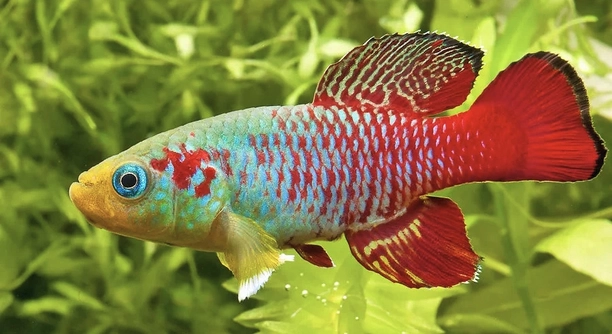
Keeping killifish in a suitable tank enhances their well-being and display. Tank shape plays an important role in providing the right environment for these colorful, delicate fish. Choosing the ideal tank shape can support their natural behavior and health.
The best tank shapes for killifish include long rectangular tanks, shallow wide tanks, and tanks with ample surface area. These shapes offer sufficient swimming space and water stability, which are essential for killifish to thrive in captivity. Proper tank design also facilitates easier maintenance and oxygen exchange.
Selecting the right tank shape can improve your killifish’s comfort and vitality. Understanding these options will help create a healthy, balanced aquatic environment tailored for these unique fish.
Long Rectangular Tanks
Long rectangular tanks are often recommended for killifish because they provide ample horizontal swimming space. Killifish are active swimmers and appreciate room to move side to side rather than just up and down. These tanks allow for better water circulation and surface area, which is important for oxygen exchange. The shape also makes it easier to set up natural decorations like plants and driftwood, creating a comfortable habitat. A longer tank helps maintain stable water parameters because the volume of water is more consistent. This is especially important for killifish, which can be sensitive to sudden changes. Maintaining water quality becomes easier, reducing stress on the fish. Long tanks also give more room for multiple killifish to coexist without overcrowding. When choosing a tank, consider models that offer at least 20 gallons with more length than height to accommodate their swimming habits and natural behavior.
Long tanks provide space, stability, and comfort essential for healthy killifish.
The shape supports both their physical activity and environmental needs, making it a preferred choice among many keepers.
Shallow Wide Tanks
Shallow wide tanks offer a broad surface area, which helps with oxygen levels in the water. Killifish require good oxygenation since they often inhabit shallow, slow-moving waters in nature. These tanks mimic those conditions well. The low height reduces the risk of jumping, which some killifish are prone to, especially during feeding or breeding. A shallow design also makes it easier to arrange plants and spawning sites near the surface, important for many killifish species’ reproduction. The wider base helps distribute light more evenly, encouraging healthy plant growth. However, the lower water volume means you must be careful with water temperature and quality, as they can fluctuate faster than in deeper tanks. Regular monitoring is necessary to keep the environment stable. Overall, shallow wide tanks combine natural conditions with ease of maintenance, making them a solid option for killifish care.
Tall Narrow Tanks
Tall narrow tanks provide vertical swimming space, which can benefit certain killifish species that enjoy exploring different water levels. These tanks fit well in limited spaces and allow for interesting aquascaping with taller plants. However, they have less surface area for gas exchange, so oxygen levels may need careful monitoring.
Because killifish spend much time near the water surface, tall tanks might limit their horizontal movement. They also tend to reduce the available swimming area side to side, which killifish prefer. Regular aeration or surface agitation can help maintain adequate oxygen.
In addition, tall tanks can make maintenance slightly harder. Reaching the bottom for cleaning or planting may require more effort. For killifish that prefer shallow habitats, these tanks may not provide the most natural conditions. Still, if space is tight, tall narrow tanks can work with proper care and setup.
Custom-Shaped Tanks
Custom-shaped tanks can be designed to fit specific spaces or aesthetic preferences. They may include hexagonal, bow-front, or corner tanks, offering unique looks. These shapes provide various swimming areas and can accommodate tailored decorations to suit killifish behavior.
Such tanks may have irregular surface areas and water volumes, affecting oxygen levels and temperature stability. Careful planning is needed to ensure the environment meets killifish needs. Custom tanks often require more attention to filtration and aeration to maintain water quality.
Despite these challenges, custom tanks allow personalization and creativity in the aquarium setup. They can create a visually pleasing habitat while still supporting killifish health, provided their environmental requirements are met consistently.
Bow-Front Tanks
Bow-front tanks curve outward, offering a wider viewing area and unique aesthetic appeal. They provide extra swimming space near the front, allowing killifish to explore more open areas.
The curved glass can slightly distort viewing angles but adds depth to the tank’s appearance. This shape works well in living spaces where design matters.
Square Tanks
Square tanks offer equal length and width, creating a compact but balanced environment. They provide a good surface area for oxygen exchange but may limit swimming space compared to rectangular tanks.
Their shape allows for easy placement of decorations and plants but can feel cramped if overcrowded. Proper stocking and layout are key for killifish comfort.
Corner Tanks
Corner tanks fit neatly into room corners, saving space while offering a moderate surface area. They are often triangular or pentagonal, maximizing room efficiency.
These tanks require careful arrangement to ensure proper water flow and avoid dead zones where debris can accumulate. With thoughtful setup, they can create an effective habitat for killifish.
FAQ
What size tank is best for killifish?
A tank of at least 10 to 20 gallons is usually sufficient for most killifish species. The size depends on the number of fish and species, but providing enough swimming space and stable water conditions is important. Larger tanks offer more stable environments and easier maintenance.
Can killifish live in tall tanks?
Killifish can live in tall tanks, but they generally prefer horizontal swimming space. Tall tanks limit side-to-side movement, which killifish enjoy. If using a tall tank, ensure good oxygenation and include plenty of plants to create layers and hiding spots.
Is it better to have a shallow or deep tank for killifish?
Shallow tanks are often better because killifish come from shallow waters. They provide a larger surface area for oxygen exchange and reduce the chance of jumping out. Deep tanks can be used but require careful monitoring of oxygen and water parameters.
Do killifish need a lot of plants in their tank?
Yes, plants are important. Killifish appreciate planted tanks because plants offer hiding spots and breeding sites. They also help maintain water quality by absorbing nitrates and improving oxygen levels. Floating plants can be especially useful for some species.
How important is surface area in tank choice for killifish?
Surface area is very important for killifish. A larger surface area allows better gas exchange, providing sufficient oxygen. Tanks with good surface area tend to maintain healthier water conditions and reduce stress for the fish.
Can killifish jump out of the tank?
Yes, killifish are known jumpers, especially during feeding or breeding. Using tanks with lids or covers is recommended to prevent escapes. A tight-fitting lid also helps maintain stable water conditions.
Are custom-shaped tanks harder to maintain?
Custom-shaped tanks can be more challenging because irregular shapes may affect water flow and filtration efficiency. Monitoring water quality closely is important to avoid dead zones. However, with good equipment and regular care, they can work well for killifish.
How often should I clean a killifish tank?
Cleaning should be done regularly, typically every one to two weeks. Partial water changes, removing debris, and cleaning filters help keep water quality high. Over-cleaning or disturbing the tank too much can stress the fish, so balance is key.
What type of substrate is best for killifish tanks?
Fine gravel or sand works well because killifish like to forage near the bottom. Avoid sharp or large gravel that can injure them. A natural substrate supports plants and creates a comfortable environment for the fish.
Can killifish live with other fish species?
Killifish can live with some peaceful, similarly sized fish. Avoid aggressive or fast swimmers that may outcompete or stress killifish. Always research compatibility before adding tank mates to ensure a peaceful community.
Choosing the right tank shape for killifish is an important step in providing them with a healthy and comfortable environment. Each tank shape offers different advantages, and the best choice depends on the species of killifish and the space available. Long rectangular tanks often work well because they provide plenty of horizontal swimming room and stable water conditions. Shallow tanks with wide surface areas support oxygen exchange, which is essential for these fish. Understanding how each tank shape affects water quality, swimming space, and tank maintenance helps in making an informed decision.
It is also important to consider other factors like the presence of plants, water parameters, and tank accessories that complement the chosen tank shape. Killifish benefit from planted tanks that mimic their natural habitat, giving them places to hide and breed. Proper filtration and aeration improve water quality regardless of the tank shape, helping killifish stay healthy. While custom or uniquely shaped tanks can add a personal touch to an aquarium setup, they may require extra care to maintain stable conditions. Selecting a tank that balances practicality with the needs of killifish creates a suitable home where they can thrive.
Overall, the key is to provide enough space for movement and surface area for oxygen exchange, as well as a stable environment. The tank should suit the size and habits of the specific killifish species being kept. Maintaining consistent water quality and offering an environment that encourages natural behavior will improve the fish’s health and lifespan. Taking time to choose the right tank shape and properly caring for it makes a difference in enjoying these colorful and delicate fish. A thoughtful setup not only benefits the killifish but also creates a rewarding experience for the keeper.

Hello,
If you enjoy the content that we create, please consider saying a "Thank You!" by leaving a tip.
Every little bit helps us continue crafting quality advice that supports the health, happiness, and well-being of pets around the world, for pets of all shapes, sizes, and species.
We really appreciate the kindness and support that you show us!