
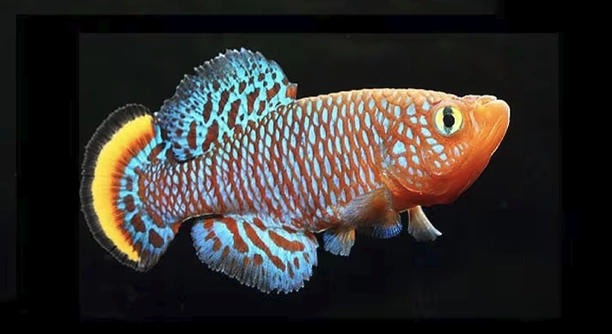
Are your killi fish breathing faster than usual, leaving you a bit worried about their well-being? Observing your fish closely can help you spot changes early and take care of them properly. Killi fish are delicate and sensitive to their environment.
Rapid breathing in killi fish is often caused by low oxygen levels, poor water quality, or stress from environmental changes. These factors force the fish to breathe faster in an attempt to get more oxygen, signaling an urgent need for adjustment.
Understanding the reasons behind your killi fish’s fast breathing can help you create a healthier tank and prevent serious problems before they arise.
Causes of Fast Breathing in Killi Fish
Fast breathing in killi fish can happen for a few common reasons. One of the main causes is low oxygen in the water. When there isn’t enough oxygen, fish try to breathe faster to get the air they need. Poor water quality also plays a big role. High levels of ammonia, nitrites, or nitrates can stress fish and make their breathing quicken. Temperature changes can affect oxygen levels too. Warm water holds less oxygen, so if your tank gets too warm, your fish might breathe faster. Stress from overcrowding or sudden changes in the tank environment can cause the same effect. It’s important to check your tank regularly and keep the water clean and well-oxygenated to avoid these problems.
Poor water quality often causes fast breathing, so regular tank maintenance is essential to keep killi fish healthy.
Monitoring water parameters and tank conditions closely can help you prevent breathing issues before they become serious.
How to Improve Oxygen Levels in Your Tank
Good oxygen levels depend on proper water movement and surface agitation. Adding an air stone or increasing filter flow can help. Make sure your tank is not overcrowded, as too many fish will reduce oxygen availability. Plants can add oxygen, but they also consume it at night, so balance is key. Keep the water temperature stable, ideally between 72-78°F, because warmer water holds less oxygen. Regular water changes are crucial to remove waste that lowers oxygen. Testing the water often will alert you if oxygen or other parameters fall outside the safe range. Small changes like these make a big difference in your killi fish’s breathing and overall health.
Maintaining good oxygen levels is a simple yet vital step for your killi fish’s comfort.
With steady water flow, balanced plant life, and careful temperature control, your tank environment will support healthy breathing for your fish. Regular water changes remove toxins and replenish oxygen. Avoid overcrowding and monitor conditions to keep stress low. Each step helps your killi fish stay calm and breathe easily. A healthy tank means happier, more active fish that show their natural colors and behaviors. Paying attention to oxygen and water quality is one of the best ways to care for your killi fish long term.
Recognizing Stress in Killi Fish
Stress causes killi fish to breathe rapidly. It can come from poor water quality, sudden changes, or aggressive tank mates. Watch for other signs like hiding, loss of appetite, or faded colors.
Stress weakens the immune system and makes fish more vulnerable to illness. Overcrowding or moving fish to a new tank can increase stress. Sudden changes in water temperature or pH also disturb them. Maintaining stable conditions is key. Use gentle handling during cleaning or tank maintenance to avoid startling your fish. Ensuring they have enough hiding spots can reduce stress by giving them safe spaces to retreat.
Stress can sometimes be subtle but has serious effects on breathing and health. Keep the environment calm and consistent to help your killi fish stay relaxed and breathe normally.
Monitoring Water Quality Regularly
Testing water parameters like ammonia, nitrite, nitrate, and pH is essential for healthy fish. Unbalanced levels often cause rapid breathing. Use a reliable test kit to check weekly.
Water changes help remove harmful substances. Replace 20-30% of tank water every week to keep it fresh. Avoid overfeeding, which can pollute the tank and reduce oxygen. Clean filters regularly but don’t change all filter media at once, as it holds beneficial bacteria. Stable water quality prevents many breathing problems and keeps your killi fish active and healthy. Keeping up with these small tasks can save you from bigger problems down the line.
Common Diseases Affecting Breathing
Some diseases cause rapid breathing in killi fish. Parasites, bacterial infections, and gill damage are common causes. Early detection is important to prevent worsening.
Look for other signs like lethargy, clamped fins, or white spots. Treating illness quickly improves recovery chances and helps breathing return to normal.
Importance of Proper Tank Size
A tank that is too small can stress fish and lower oxygen levels. Killi fish need enough space to swim comfortably and avoid aggressive interactions. Proper tank size supports better breathing and overall health.
Adjusting Feeding Habits
Overfeeding leads to waste buildup, reducing water quality and oxygen. Feed small amounts that the fish can eat within a few minutes. This helps maintain clean water and supports healthy breathing.
Tank Temperature Control
Keeping the water temperature stable between 72-78°F is crucial. Sudden changes or temperatures outside this range can stress killi fish, causing faster breathing and health issues.
FAQ
Why is my killi fish breathing fast all of a sudden?
Sudden fast breathing usually means there is a change in the tank environment. It could be low oxygen, poor water quality, or stress caused by overcrowding or temperature shifts. Checking water parameters and tank conditions quickly helps find the cause and fix it before it gets worse.
Can fast breathing be a sign of disease?
Yes, fast breathing can indicate illness like parasites, bacterial infections, or gill damage. Other symptoms often appear alongside, such as lethargy, loss of appetite, or unusual spots. If you notice these signs, it’s best to isolate the affected fish and consider treatment to prevent spreading.
How often should I test the water to keep my killi fish healthy?
Testing once a week is ideal for keeping track of ammonia, nitrite, nitrate, and pH levels. Regular tests help catch problems early. If you notice fast breathing, test immediately. Frequent checks make it easier to maintain stable and healthy water conditions.
What is the best way to increase oxygen in the tank?
Increasing water movement helps oxygen dissolve better. Use an air stone, improve filter flow, or add live plants carefully. Avoid overcrowding, which lowers oxygen levels. Cooler water holds more oxygen, so keep the tank temperature steady between 72-78°F.
Can temperature changes cause fast breathing in killi fish?
Yes, temperature changes can stress fish and reduce oxygen availability. Warm water holds less oxygen, causing fish to breathe faster. Avoid sudden temperature shifts and keep the water stable within the ideal range to reduce stress and breathing problems.
How does overfeeding affect my killi fish’s breathing?
Overfeeding creates waste that breaks down and reduces water quality. Poor water quality lowers oxygen and causes fast breathing. Feed only what your fish can eat in a few minutes, and remove leftover food. This keeps water cleaner and your fish healthier.
Is it normal for killi fish to breathe fast during feeding?
Killi fish may breathe a bit faster when excited during feeding, but it should not last long. If fast breathing continues afterward, it could be a sign of stress or poor water quality, so check tank conditions.
What tank size is best for killi fish to avoid breathing problems?
A minimum of 10 gallons is recommended for killi fish to provide enough space for swimming and stable water conditions. Smaller tanks often lead to faster oxygen depletion and stress, which causes rapid breathing.
Can adding live plants improve my fish’s breathing?
Live plants produce oxygen during the day and help balance the tank environment. However, they consume oxygen at night, so a balance of plants and water movement is important. Too many plants without good water flow may lower oxygen at night.
How can I reduce stress in my killi fish?
Maintain stable water conditions, avoid overcrowding, and provide hiding spots. Handle fish gently during cleaning. Stress weakens their immune system and causes fast breathing, so creating a calm environment is essential for their health.
Should I change filter media when I notice fast breathing?
Changing all filter media at once can remove beneficial bacteria and worsen water quality. Instead, clean or replace parts gradually. This keeps the biological filter stable and prevents sudden changes that stress fish.
How long does it take for a killi fish to recover from fast breathing?
Recovery time depends on the cause and how quickly you fix it. With improved water quality and oxygen, fish can return to normal breathing within a day or two. If illness is involved, recovery may take longer and require treatment.
Are certain killi fish species more prone to fast breathing?
Some species are more sensitive to water quality and oxygen levels. Research the specific needs of your killi fish species to provide the best care. Meeting their unique requirements reduces breathing problems.
Can fast breathing cause permanent harm to killi fish?
If left untreated, fast breathing caused by poor conditions or disease can weaken fish and lead to serious health problems or death. Early detection and care prevent long-term damage and keep your fish healthy.
What should I do if my killi fish continues to breathe fast despite good water conditions?
If water tests are normal but breathing stays fast, check for disease or parasites. Consult a vet or experienced aquarist for diagnosis and treatment. Sometimes stress or injury not related to water quality can cause breathing problems.
Final Thoughts
Watching your killi fish breathe fast can be worrying, but it often signals an issue that can be fixed with simple steps. The main reasons usually involve water quality, oxygen levels, or stress. Keeping the tank clean, testing the water regularly, and maintaining stable temperature and conditions are key to preventing breathing problems. These actions create a healthy environment where your fish can thrive and behave naturally. Small changes like adding an air stone or doing regular water changes make a big difference in how comfortable your killi fish feel.
Stress is another important factor that affects breathing. Killi fish are sensitive to their surroundings and can get stressed by overcrowding, sudden changes, or aggressive tank mates. Providing enough space, stable water conditions, and places to hide helps reduce stress. When fish feel safe, they breathe normally and show their bright colors. It is important to handle your fish gently during cleaning or tank moves to avoid startling them. Watching your fish closely for signs of stress or illness can help you catch problems early before they become serious.
If fast breathing continues despite good water quality and care, illness could be the cause. Parasites, bacterial infections, or gill damage can make breathing difficult. Treating these conditions quickly improves chances for recovery. Keeping your tank clean and balanced lowers the risk of disease and supports your fish’s health. Remember that taking care of killi fish means paying attention to their environment, feeding habits, and behavior. With patience and care, you can enjoy healthy fish that breathe easily and live happily in your tank.

Hello,
If you enjoy the content that we create, please consider saying a "Thank You!" by leaving a tip.
Every little bit helps us continue crafting quality advice that supports the health, happiness, and well-being of pets around the world, for pets of all shapes, sizes, and species.
We really appreciate the kindness and support that you show us!