
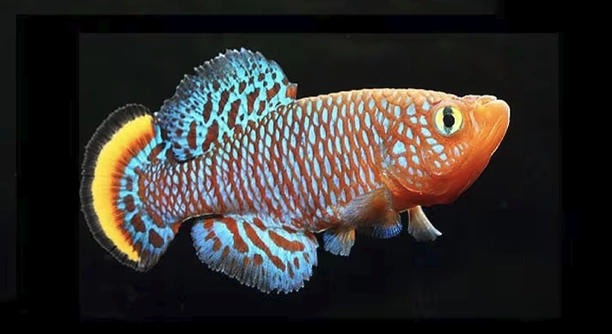
Is your killi fish suddenly losing balance or swimming oddly? Many fish owners notice these changes and feel concerned about their pet’s health. It can be worrying when a lively fish starts acting strangely in the tank.
Loss of balance in killi fish is often caused by swim bladder issues, infections, poor water quality, or physical injury. These problems affect the fish’s ability to control buoyancy, resulting in unsteady swimming and tilting.
Understanding these causes can help you take the right steps to improve your fish’s condition and prevent further problems. It’s important to know what signs to watch for and how to care for your killi fish properly.
Common Causes of Balance Issues in Killi Fish
Many killi fish lose their balance due to problems with their swim bladder. This small organ helps control their buoyancy, allowing them to float and swim smoothly. When it is affected by infection, injury, or poor water conditions, the fish can start to tilt or float abnormally. Another reason could be infections caused by bacteria or parasites. These infections may inflame the swim bladder or nervous system, making it hard for the fish to stay balanced. Physical injury from rough handling or tank decorations can also impact their movement. Finally, poor water quality—such as high ammonia, nitrite, or incorrect pH—can stress the fish and affect their overall health, including balance.
Keeping the tank clean and stable helps prevent many of these problems. Regular water changes and monitoring water parameters are important to support your killi fish’s health.
Proper diagnosis of the cause is essential for effective treatment. Observing other symptoms and checking water quality can guide you in fixing the issue.
How Water Quality Affects Your Killi Fish
Poor water quality can quickly lead to balance problems in your killi fish. High levels of ammonia or nitrites stress the fish and damage organs, including those that control movement. Sudden changes in temperature or pH can also shock the fish and disrupt normal swimming behavior.
Maintaining good water quality is key. Use a reliable test kit to check ammonia, nitrite, nitrate, and pH levels regularly. Perform partial water changes every week to keep the environment stable. Avoid overcrowding the tank, as it can lead to waste buildup and poor oxygen levels. Also, ensure the filter is working correctly and clean it when needed. If water quality is poor, the fish may show other signs like lethargy or faded colors. Addressing water problems quickly will help your killi fish regain balance and stay healthy longer.
Treating Swim Bladder Problems
Swim bladder issues are common in killi fish and can cause them to lose balance. Treatment depends on the cause, such as infection or physical damage.
If the problem is due to infection, antibiotics prescribed by a vet can help clear it up. For physical injuries, removing sharp objects from the tank and providing a calm environment allows the fish to heal. Adjusting the diet to include foods that reduce constipation may also improve swim bladder function. Avoid overfeeding and feed high-quality, varied foods. Keeping water clean and stable supports recovery. Monitor your fish daily to see if swimming improves or worsens.
It’s important to isolate affected fish to prevent spreading illness. If you see no improvement after a week, seek expert advice for further care.
Signs of Infection in Killi Fish
Infections often cause balance issues alongside other symptoms. Watch for redness, swelling, or cloudy eyes. The fish may also stop eating or hide more than usual.
Bacterial and parasitic infections need prompt treatment. Clean the tank thoroughly and improve water conditions immediately. Using medicated fish food or water treatments designed for infections can help clear the problem. Be sure to follow instructions carefully to avoid harming your fish or tank environment. Removing sick fish temporarily reduces stress on others. Regular monitoring after treatment is key to ensure full recovery and prevent relapse.
Preventing Swim Bladder Issues
Preventing swim bladder problems starts with good tank care. Regular water changes and stable temperature reduce stress on your fish. Avoid overfeeding and provide a balanced diet to keep digestion healthy.
Using high-quality food and avoiding sudden diet changes also help. Clean decorations and smooth tank surfaces prevent injuries that could affect the swim bladder.
Monitoring Your Fish’s Behavior
Watch your killi fish daily for any changes in swimming or posture. Early signs of balance problems include floating sideways or difficulty staying upright. Quick action can prevent worsening conditions.
If you notice odd behavior, test the water immediately and check for possible injuries. Early detection is key to successful treatment and recovery.
Choosing the Right Food
A balanced diet supports your fish’s overall health. High-quality pellets or flakes designed for small tropical fish are ideal. Supplement with occasional live or frozen foods for variety and nutrition.
When to See a Vet
If balance problems persist despite good care, professional advice is needed. Some swim bladder issues require medication or specialized treatment beyond home care.
FAQ
Why is my killi fish floating upside down?
Floating upside down is a common sign of swim bladder disorder. This happens when the swim bladder cannot control buoyancy properly. Causes include infections, constipation, or injury. Poor water quality and sudden temperature changes can also stress the fish, affecting its balance. It’s important to check water conditions and reduce stressors in the tank.
How can I tell if my killi fish has a swim bladder infection?
Look for symptoms like tilted swimming, floating on one side, or difficulty staying upright. You may also notice swollen bellies, lethargy, or loss of appetite. Cloudy eyes or mild redness around the belly can indicate infection. Testing the water for ammonia and nitrites helps rule out environmental causes.
What should I do if my killi fish is losing balance?
First, test the water parameters for ammonia, nitrites, nitrates, and pH. Fix any issues immediately by doing partial water changes. Check the tank for sharp objects or rough surfaces that may injure your fish. Feed a high-quality diet and avoid overfeeding. If balance does not improve in a few days, consider treating for infections with appropriate medication.
Can constipation cause balance problems in killi fish?
Yes, constipation can put pressure on the swim bladder, making it hard for your fish to swim correctly. Feeding peas (without skin) or specialized fiber-rich food can help clear constipation. Avoid overfeeding and offer smaller, more frequent meals.
How often should I clean my killi fish tank to prevent health issues?
A weekly partial water change of 20-30% is ideal for keeping water clean. Regularly remove uneaten food and debris from the tank. Clean the filter monthly or as recommended, but do not wash filter media with tap water to preserve beneficial bacteria.
Is it normal for killi fish to swim erratically sometimes?
Occasional quick or erratic swimming can be normal as they explore their environment. However, continuous erratic swimming or loss of balance usually indicates stress, illness, or poor water quality. Observing your fish’s behavior regularly helps catch problems early.
Can tank mates cause my killi fish to lose balance?
Aggressive or overly active tank mates can stress killi fish, leading to health problems including balance loss. If your killi fish is being bullied or chased, consider separating it or choosing calmer companions. A peaceful tank environment supports better health.
What foods are best for killi fish with swim bladder problems?
Feed easily digestible foods like high-quality pellets, flakes, and occasional live or frozen foods such as brine shrimp or daphnia. Avoid feeding dry flakes in excess. Including fiber-rich foods helps digestion and reduces swim bladder stress.
How long does it take for a killi fish to recover from balance issues?
Recovery time varies depending on the cause and treatment. Minor issues like constipation may improve in a few days. Infections or injuries may take weeks to heal. Consistent care, clean water, and proper diet speed up recovery.
When should I contact a vet about my killi fish’s balance problems?
If balance issues last more than a week despite proper care, or if other symptoms like swelling, fin damage, or severe lethargy appear, professional advice is necessary. A vet can recommend specific treatments and check for hidden infections or conditions.
When your killi fish starts losing balance, it can be worrying. Many factors cause this problem, including swim bladder issues, infections, injuries, and poor water quality. Understanding these causes helps you respond quickly and carefully. Keeping the tank clean and stable is one of the best ways to support your fish’s health. Regular water changes and monitoring the water’s chemical levels prevent many common problems. Feeding your fish a balanced diet and avoiding overfeeding also play a big role in preventing swim bladder problems and keeping your fish active.
It’s important to watch your killi fish closely for any changes in behavior. Early signs like floating sideways, swimming erratically, or difficulty staying upright can alert you to trouble. When you notice these signs, check your tank conditions immediately. Sometimes fixing the water quality or removing sharp objects in the tank can improve your fish’s balance. If the problem continues, treatment for infections or swim bladder issues may be needed. In some cases, isolating the sick fish helps it recover without stress or risk to others. Patience and careful care are key to helping your fish get better.
Taking care of a killi fish requires attention and understanding. Small changes in its behavior often tell you when something is wrong. Acting on these signals quickly can prevent more serious health issues. Maintaining good tank conditions, providing the right food, and watching for signs of illness will help your fish live a healthy and happy life. If problems last or worsen, seeking expert advice is the best choice. With consistent care and knowledge, you can support your killi fish through balance problems and keep it thriving in its home.

Hello,
If you enjoy the content that we create, please consider saying a "Thank You!" by leaving a tip.
Every little bit helps us continue crafting quality advice that supports the health, happiness, and well-being of pets around the world, for pets of all shapes, sizes, and species.
We really appreciate the kindness and support that you show us!