
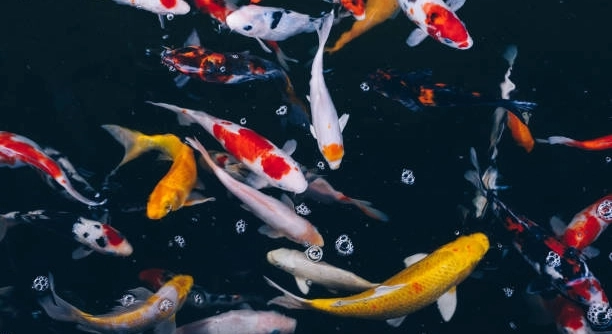
Are your koi swimming happily but you’re not sure if your pond is really as healthy as it should be?
A healthy koi pond shows clear water, stable temperature, proper filtration, active fish behavior, balanced algae levels, regular maintenance, and thriving aquatic plants. These signs indicate the pond’s ecosystem is well-managed and sustainable.
Each of these signs offers clues about your pond’s overall condition and what your koi need to thrive in a safe, balanced environment.
Clear Water That Reflects the Sky
Clean, clear water is one of the first signs your koi pond is in good condition. You should be able to see the bottom of the pond and easily spot your koi as they swim around. Clear water helps sunlight reach aquatic plants and prevents harmful bacteria from spreading. It also keeps oxygen levels steady, which your koi need to breathe. Murky or cloudy water can mean waste is building up or the filter isn’t working well. Regularly checking water clarity, removing debris, and using the right filters can help you maintain a clean and healthy environment for your fish.
Clear water also makes it easier to spot any early signs of illness or changes in your koi’s behavior.
If your pond water becomes cloudy even after cleaning, check for overfeeding, clogged filters, or excessive algae. Staying on top of regular maintenance helps prevent small problems from becoming bigger issues.
Active and Social Koi Behavior
Your koi should swim with ease, show curiosity, and move toward you during feeding time. Sudden changes in activity may point to stress or poor water quality.
Healthy koi are active, social, and alert. They glide smoothly through the water, often swimming in groups or exploring their space. When it’s time to feed, they come to the surface and show excitement. If they are hiding all the time, gasping at the surface, or swimming in a sluggish way, something may be wrong. It might be due to low oxygen, a spike in ammonia, or disease. Make sure to check water parameters regularly. A pond thermometer, test kits, and a proper aeration system can all help keep your koi feeling their best. Watching their behavior every day will help you spot anything unusual early, so you can take action right away.
Balanced Algae Levels
A small amount of algae is normal and even helpful for pond health. It provides oxygen and food for tiny organisms. But too much can block light, lower oxygen, and stress your koi.
When algae start covering the pond surface or turning the water green, it’s time to act. Excess algae often mean there are too many nutrients in the water, usually from overfeeding or waste buildup. You can reduce algae by limiting food, cleaning out decaying matter, and using aquatic plants to compete for nutrients. Adding a UV clarifier can also help manage green water. Avoid chemical treatments unless absolutely necessary, as they can hurt your koi. Regular care and observation are the best ways to keep algae under control while maintaining the natural balance of your pond’s ecosystem.
Floating plants like water lettuce or water hyacinth can block sunlight and help prevent algae from growing too fast. These plants also improve water quality by absorbing extra nutrients. Make sure to trim them back as needed so they don’t take over the pond. A mix of shaded areas and open water is ideal. Algae growth is a normal part of a pond, but if it’s out of balance, your koi may suffer. Keeping things steady makes a big difference.
Healthy Aquatic Plants
Aquatic plants should look fresh, green, and upright. Wilted, yellowing, or rotting plants may signal poor water conditions or lack of sunlight.
Plants do more than just make your pond look nice. They absorb excess nutrients, provide hiding spots for your koi, and help stabilize the ecosystem. Healthy plants help limit algae growth by using up the same nutrients that algae feed on. If your plants are not doing well, your pond’s balance might be off. Use proper substrate, avoid overcrowding, and make sure they get enough light. Trim dead leaves and remove floating debris regularly to encourage growth.
Oxygenating plants like hornwort and anacharis are especially helpful. They release oxygen into the water during the day and help support fish health. Be sure to plant a mix of floating, submerged, and marginal plants for the best effect. Check water temperature and pH often, as big changes can hurt both koi and plants. Using plant-safe fertilizers can support growth without upsetting the pond’s balance. Healthy plants and healthy koi go hand in hand.
Stable Water Temperature
Sudden temperature changes can stress koi and weaken their immune system. A stable temperature helps them stay healthy and active. Shade, proper pond depth, and aeration help control temperature shifts, especially during hot or cold seasons.
Use a pond thermometer to check the temperature daily. Try to keep it between 59°F and 77°F.
Proper Filtration System
A good filtration system keeps the pond water clean by removing waste, leftover food, and harmful substances like ammonia and nitrites. There are two types of filters: mechanical and biological. Mechanical filters trap debris, while biological filters use helpful bacteria to break down waste. Both types are needed to keep the pond healthy. Clean the filters regularly, but don’t overdo it—washing away too much beneficial bacteria can cause water quality issues. A working filtration system means clearer water, lower stress for your koi, and fewer chances for disease. You don’t need anything fancy—just something that fits your pond size and is easy to maintain.
Regular Pond Maintenance
Skimming leaves, checking water levels, and testing pH and ammonia help you catch problems early and keep the pond balanced.
How often should I test my koi pond water?
Testing your koi pond water at least once a week is ideal. Regular testing helps catch changes in pH, ammonia, nitrites, and nitrates before they become harmful. During hot weather or after heavy rain, test more often because water conditions can change quickly.
What is the best way to feed koi for a healthy pond?
Feed your koi small amounts two to three times a day, only what they can eat in about five minutes. Overfeeding causes leftover food to decay, increasing waste and algae growth. Use high-quality pellets made for koi to ensure balanced nutrition and less water pollution.
Can I use tap water for my pond?
Tap water often contains chlorine or chloramine, which are harmful to koi and beneficial bacteria. Always treat tap water with a water conditioner before adding it to your pond. Letting tap water sit for 24 hours helps chlorine evaporate but doesn’t remove chloramine, so a conditioner is best.
Why are my koi hiding or staying at the bottom?
Koi may hide or stay near the bottom if they feel stressed, cold, or sick. Poor water quality, low oxygen, or sudden temperature changes can cause this behavior. Check water parameters and aeration, and observe if they show signs of illness like sores or clamped fins.
How do I control algae without chemicals?
Use natural methods like adding aquatic plants to compete for nutrients, reducing feeding, and cleaning debris regularly. Installing a UV clarifier can also control green water algae. Avoid chemical treatments unless absolutely necessary, as they can harm your koi and beneficial pond life.
Is it normal for my koi to stop eating sometimes?
Koi may reduce feeding in cold weather or when adjusting to a new environment. This is normal as their metabolism slows down. If they stop eating for several days during warm weather or seem lethargic, check water quality and watch for signs of disease.
How deep should my koi pond be?
A depth of at least 3 feet helps maintain stable water temperature and protects koi from predators and extreme weather. Deeper ponds cool slower in summer and warm slower in winter, creating a safer environment for your fish year-round.
What are the signs of a sick koi?
Look for unusual behavior like floating near the surface, gasping for air, erratic swimming, or rubbing against objects. Physical signs include red or white spots, sores, clamped fins, swollen body, or loss of appetite. Early detection and water quality checks are key to treatment.
Can I mix different fish species in my koi pond?
Mixing fish can work if the species have similar water needs and temperaments. Avoid aggressive or very small fish that could be bullied or eaten. Goldfish are common companions because they tolerate similar conditions, but always research compatibility before adding new fish.
How often should I clean the pond filter?
Clean your pond filter every 2 to 4 weeks, depending on pond size and fish load. Rinse mechanical parts to remove debris but avoid washing biological filter media too thoroughly to keep beneficial bacteria alive. Regular filter care maintains water quality and supports healthy koi.
Keeping an eye on these common questions and their answers helps maintain a healthy koi pond. Regular care, observation, and simple steps can prevent many problems before they start.
Taking care of a koi pond requires attention to many details. From water clarity to fish behavior, each part plays an important role in keeping the pond healthy. When you notice clear water, active koi, balanced algae, and thriving plants, you can feel confident that your pond is doing well. These signs show the environment is safe and comfortable for your fish. A well-maintained pond not only looks beautiful but also supports the life inside it.
Regular maintenance is key to a healthy pond. This includes testing water often, cleaning filters, removing debris, and checking plants. It may seem like a lot, but these small steps prevent bigger problems later. Watching your koi daily helps you notice changes early, so you can act quickly. Stability in water temperature and a good filtration system help keep the pond balanced. Taking the time to care for your pond pays off with happier, healthier fish.
Remember, every pond is different and may need slightly different care. Factors like climate, pond size, and fish number all affect what’s best for your setup. Keep learning and adjusting your routine as needed. Simple habits and attention to your koi’s needs create a strong foundation for a thriving pond. With patience and care, your koi pond can be a peaceful and enjoyable space for years to come.

Hello,
If you enjoy the content that we create, please consider saying a "Thank You!" by leaving a tip.
Every little bit helps us continue crafting quality advice that supports the health, happiness, and well-being of pets around the world, for pets of all shapes, sizes, and species.
We really appreciate the kindness and support that you show us!