
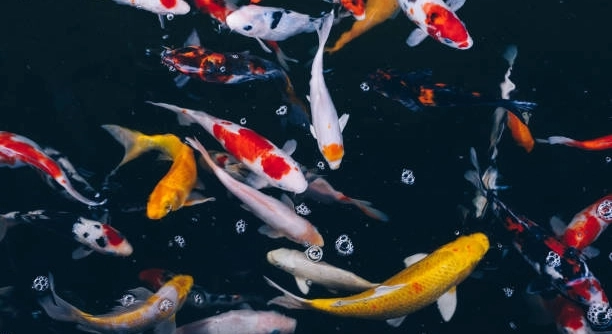
Koi ponds are beautiful additions to any garden, but managing fish waste can be a challenge. Excess waste not only affects water quality but also impacts the health of your koi. Taking steps to reduce waste helps maintain a cleaner, healthier pond environment.
Reducing fish waste in koi ponds involves managing feeding practices, improving filtration systems, and maintaining balanced water conditions. These actions work together to minimize excess nutrients and promote efficient waste breakdown, supporting the overall health and longevity of the fish and pond ecosystem.
Keeping your koi pond clean and balanced requires consistent care and attention. The following tips will help you maintain a healthier environment for your fish and keep your pond looking its best.
Feed Only What They Can Eat
Overfeeding koi is a common mistake that leads to excess waste. Koi will eat more than they need if given the chance, and the leftover food quickly decays in the water. Uneaten pellets contribute to cloudy water, algae blooms, and poor water quality. To avoid this, only feed your koi what they can consume in about five minutes. Watch them as they eat and remove any leftover food with a net. Feeding smaller amounts more frequently throughout the day is better than offering one large meal. Also, choose high-quality koi food with digestible ingredients to help reduce waste from the start. These small feeding adjustments can go a long way in cutting down the waste levels in your pond and improving water clarity and fish health over time.
Stick to a schedule and observe their behavior during feeding. It helps you know when they’re full and keeps waste under control.
Feeding practices are one of the easiest changes you can make. By controlling how much and what type of food your koi eat, you naturally cut down on the waste they produce. This also lowers the risk of ammonia spikes and reduces strain on your filtration system. Consistency is important here. Sudden changes in feeding patterns may stress your koi or upset the pond’s balance. Keep your feeding amounts in check and make seasonal adjustments as needed, especially during cooler months when koi metabolism slows. During these times, they require less food, and overfeeding can lead to significant water issues. Being more mindful with food not only reduces waste but also promotes healthier, more active koi. It’s one of the simplest ways to maintain a clean and balanced pond environment.
Add More Aquatic Plants
Aquatic plants act as natural filters by absorbing excess nutrients.
Adding more plants to your pond helps reduce fish waste by supporting better water quality. Floating and submerged plants, like water hyacinth or anacharis, take in the nitrates that come from koi waste and leftover food. These plants don’t just look good—they play a key role in maintaining balance. By pulling nutrients directly from the water, they limit the amount of food available for algae to grow. This helps reduce water cloudiness and creates a more stable environment for your koi. Plants also provide shade and shelter, which can lower stress levels in fish. Less stress often means healthier koi that eat and waste less. Consider placing plants in different areas of the pond to create natural barriers and improve oxygen flow. The goal is to have a variety of species that work together to support the pond’s ecosystem while keeping excess waste in check.
Clean the Pond Bottom Regularly
Fish waste and uneaten food often settle at the bottom of the pond, forming sludge that releases harmful gases and affects water quality. Cleaning the pond bottom on a regular schedule helps prevent this buildup and keeps your pond healthier overall.
Use a pond vacuum or net to remove debris from the bottom at least once every few weeks, especially during warm months when waste accumulates faster. You don’t need to clean the entire bottom at once—focus on areas where debris tends to collect, like corners or beneath plants. Removing sludge also prevents anaerobic bacteria from forming, which can produce toxic gases like hydrogen sulfide. Regular cleaning reduces the workload on your filter system and makes water conditions more stable. Consistency is key here. By taking care of the bottom, you improve the pond’s appearance, limit harmful waste buildup, and give your koi a cleaner, safer home to thrive in.
If your pond has gravel, it may trap more debris, so take extra care. Move slowly when cleaning to avoid stirring up too much muck, which can cloud the water. A gentle hand helps maintain clear conditions without disturbing fish. Try to schedule cleanings after storms or heavy feeding days when more waste tends to collect. Seasonal cleanups—especially in early spring and late fall—also help keep things under control. It’s not just about looks; keeping the bottom clean supports better oxygen levels and reduces bacteria growth. Your koi will be healthier, and your water will stay cleaner with less effort over time. This small routine change makes a noticeable difference in pond quality and fish well-being.
Improve Your Filtration System
A strong filtration system is essential for removing solid waste and keeping the water clean. If your system is too small or outdated, it won’t keep up with the amount of waste koi produce.
Mechanical filters trap solid particles like uneaten food and waste, while biological filters break down ammonia and nitrites. Both are important, and upgrading either part can improve your pond’s health. Choose a filter that matches your pond’s size and fish load. You may also benefit from adding a UV clarifier to reduce algae. Clean your filter media regularly but avoid over-cleaning, which can disrupt beneficial bacteria. If you’re unsure your system is doing enough, test the water weekly. High ammonia or nitrite levels mean it’s time for an upgrade. A more efficient filter setup leads to better water quality, less odor, and healthier fish. It’s a practical investment that pays off over time with fewer maintenance issues.
Use a Skimmer to Collect Surface Debris
Skimmers collect floating waste like uneaten food, leaves, and fish waste before it sinks. By removing debris early, you reduce how much waste settles and decays at the bottom. This keeps the pond cleaner and makes maintenance easier.
Install the skimmer where surface currents push debris naturally. Clean the skimmer basket daily during high debris seasons. Keeping the surface clear not only improves water clarity but also lowers the strain on your filter system. A skimmer works best when paired with proper circulation to guide waste into it consistently.
Reduce Fish Stocking Density
Overstocking leads to more waste than your pond system can handle. Keeping fewer koi means less waste, less ammonia, and better water quality overall. A good rule is one inch of fish per ten gallons of water, but less is better for long-term health. Crowded conditions also increase stress and disease risk. If your pond is overstocked, consider rehoming some koi or expanding your pond’s filtration capacity. Fewer fish lead to a more balanced pond where waste can be managed more easily. You’ll see clearer water, more stable conditions, and healthier, less stressed koi in return.
Avoid Low-Quality Food
Low-quality food creates more waste because koi can’t digest fillers and excess protein properly. Stick with high-quality pellets made with digestible ingredients to help reduce uneaten food and lower waste output. It’s a simple switch that makes a big difference.
FAQ
How often should I clean my koi pond to reduce fish waste?
Cleaning frequency depends on your pond’s size, fish load, and season. In general, aim to do a light clean every 2–3 weeks, focusing on removing visible debris, checking filters, and skimming the surface. During warmer months when koi eat more and waste increases, weekly cleaning may be needed. In cooler months, koi eat less, and waste production slows down, so once a month may be enough. Keeping a regular schedule helps prevent waste buildup and makes each cleaning easier and faster over time.
What kind of filter is best for reducing fish waste?
A combination of mechanical and biological filtration works best. Mechanical filters trap solid particles like fish waste and uneaten food, while biological filters support beneficial bacteria that break down ammonia and nitrites. Choose a filter rated for your pond’s size and fish load, and when in doubt, go bigger. For added support, use a pressurized filter with UV clarification to help control algae. Regular maintenance—like rinsing filter pads in pond water—keeps the system running smoothly without killing helpful bacteria.
Can plants help reduce koi fish waste in ponds?
Yes, plants play a supportive role in managing waste. Aquatic plants like water hyacinth, hornwort, and anacharis absorb excess nutrients such as nitrates that come from fish waste. This helps balance the water and prevent algae growth. Floating plants also shade the pond, which slows down algae and keeps water temperatures stable. Just be sure not to overcrowd the pond with plants—leave at least 60% open water for the fish to swim freely and for better oxygen exchange.
Does overfeeding koi lead to more waste?
Yes, overfeeding is a major cause of excess fish waste. Koi will keep eating even if they don’t need more food, which leads to uneaten pellets and more waste from digestion. Feed small amounts and only what they can finish in a couple of minutes. Remove any leftover food to prevent it from decaying in the water. Also, adjust feeding based on water temperature—feed less when it’s cooler since koi digest food more slowly. Smart feeding keeps waste low and water clean.
What signs show that there’s too much fish waste in the pond?
Cloudy water, bad smells, stringy algae, and sluggish koi are all signs. You might also see sludge buildup on the bottom or test results showing high ammonia or nitrite levels. If your filter clogs often or water changes don’t improve clarity, waste might be overwhelming the system. Watch how your fish behave—if they gasp at the surface or rub against surfaces, water quality might be poor. Regular testing helps catch problems before they grow.
Can water changes help control fish waste?
Yes, partial water changes are one of the easiest ways to manage waste. Replacing 10–20% of the water weekly helps dilute toxins and keeps nutrient levels balanced. Use a dechlorinator if you’re using tap water to avoid harming your koi. Water changes also help remove dissolved waste that filters can’t trap. Be consistent with your schedule for best results.
Is there a natural way to reduce koi fish waste in the pond?
Besides plants and good feeding habits, adding beneficial bacteria helps. These bacteria break down ammonia and other waste byproducts, making the pond healthier. You can buy bottled bacteria and add it regularly, especially after cleaning or water changes. Maintaining good oxygen levels with aerators also supports bacterial activity. Keeping a balanced ecosystem makes a big difference.
What’s the impact of poor waste management on koi health?
Too much waste leads to poor water quality, which causes stress, weakened immune systems, and a higher chance of disease. Koi living in dirty water may develop skin issues, ulcers, or fin rot. Long-term exposure to high ammonia or nitrite levels can damage gills and organs. Healthy water helps koi grow properly, stay active, and avoid health problems. Preventing waste buildup is one of the most important parts of koi care.
Should I remove sludge manually or let bacteria break it down?
Both methods work together. Beneficial bacteria can break down organic sludge slowly, but manual removal is faster and more effective for large buildups. Use a pond vacuum or net to clear thick sludge. Once the bulk is gone, bacteria treatments can help maintain balance. Don’t rely on bacteria alone if your pond has a lot of waste.
How do I know if my pond is balanced?
A balanced pond has clear water, stable pH, low ammonia and nitrite levels, and active, healthy koi. Test your water weekly, especially during hot months. A slight algae presence is normal, but heavy blooms may signal excess nutrients. If your fish eat well, swim freely, and you don’t see cloudy water or foul smells, your pond is likely in good shape. A few small changes can keep it that way.
Final Thoughts
Keeping koi ponds clean and healthy takes regular effort. Fish waste builds up quickly, especially if you have many koi or feed them often. Too much waste can lead to poor water quality, strong smells, and sick fish. Using a good filter system, feeding wisely, and cleaning the pond on a schedule all help reduce these problems. It’s not about being perfect—it’s about being consistent. When you stay on top of waste management, your koi stay active, the water stays clearer, and everything becomes easier to manage over time.
Plants, bacteria, and water changes can support your main efforts. They don’t replace the need to clean, but they make it easier to keep things in balance. Adding plants helps absorb nutrients from fish waste. Using beneficial bacteria breaks down harmful byproducts. Regular water changes remove dissolved waste that filters miss. These simple steps work together and can prevent bigger issues down the line. Even a few small changes can make a noticeable difference in how your pond looks and feels.
Pond care doesn’t need to be complicated. The key is to keep things steady—don’t let waste pile up, don’t overfeed, and don’t ignore the signs of poor water quality. Watch your fish, check your filters, and test the water from time to time. If something looks off, it’s better to act early than wait for it to get worse. Whether your pond is large or small, taking the time to manage fish waste properly helps everything run smoother. Your koi will live longer, grow better, and stay healthier in a cleaner pond.

Hello,
If you enjoy the content that we create, please consider saying a "Thank You!" by leaving a tip.
Every little bit helps us continue crafting quality advice that supports the health, happiness, and well-being of pets around the world, for pets of all shapes, sizes, and species.
We really appreciate the kindness and support that you show us!