
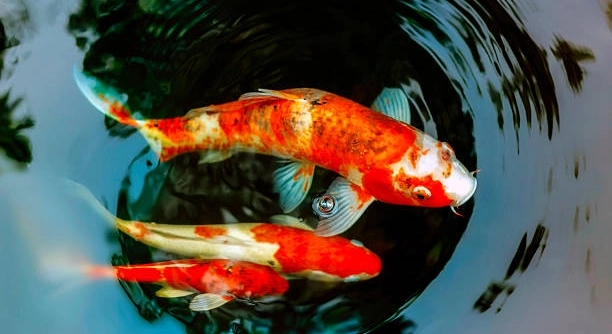
Koi fish often interact with their environment in ways that suggest they recognize certain patterns, especially involving humans. Observing these responses can offer insight into their behavior and how they adapt to human presence over time. These clues reveal more about their awareness.
Koi notice human patterns through consistent feeding times, familiar movements, and repetitive environmental cues. They respond by anticipating food, adjusting swimming behavior, and displaying conditioned reactions, indicating a level of recognition and learned behavior tied to human activity around them.
Recognizing these signs can enhance how we care for koi, improving interactions and ensuring a better environment for both fish and humans. The following clues explain how koi sense and react to human routines.
Consistent Feeding Times
Koi quickly learn to associate specific times with feeding. When food is given daily around the same hour, koi become more active and swim near the surface before feeding begins. This behavior shows they recognize the routine and expect food at those times. If feeding is irregular, koi tend to be less responsive, swimming more cautiously or hiding. Their anticipation is not random; it is linked to their ability to track time intervals through environmental and human cues. This pattern helps koi conserve energy by preparing only when food is likely to appear. In ponds where koi are fed multiple times a day, they may display repeated excitement and movement near the feeding area. This learned behavior is a key indicator that koi observe and adapt to human schedules, showing cognitive response to repeated patterns in their environment.
Regular feeding helps koi feel secure and strengthens their interaction with humans, enhancing trust over time.
This routine builds familiarity that koi use to predict daily events, showing clear pattern recognition.
Familiar Movements and Gestures
Koi recognize specific human movements related to feeding or interaction. They respond to familiar gestures, such as approaching the pond or opening a food container. These actions signal feeding time or attention, prompting koi to swim closer or become more alert. Over time, koi distinguish subtle differences in movement patterns, associating them with outcomes. For example, if a person walks to the pond but does not feed, koi might initially react but then lose interest. However, if feeding follows consistently, koi maintain attentive behavior. This response is not just instinctive but learned, as koi remember which gestures lead to food. The recognition of human movements demonstrates their ability to connect visual cues with past experiences, a sign of learning and memory.
Koi may also respond differently depending on the individual’s usual behavior, showing some level of individual recognition. This sensitivity to human actions reveals koi are not passive creatures but active observers of their environment.
These movement patterns allow koi to adjust their behavior, conserving energy when no feeding is expected and becoming active when it is.
The ability to learn from gestures shows that koi have a developed understanding of their human caretakers’ habits, which helps them navigate their daily lives efficiently and safely.
This interaction benefits both koi and humans by creating predictable, calm encounters that reduce stress for the fish and improve the feeding experience.
Such behavior highlights the koi’s capacity for memory and adaptation, key traits that support their survival and wellbeing in controlled environments like ponds.
Recognition of Human Presence
Koi quickly identify when a familiar person is near the pond. Their behavior changes, often becoming more active or swimming closer to the surface in anticipation of interaction or feeding. This response shows they can distinguish humans individually.
Koi rely on visual and environmental cues to recognize human presence. They may respond differently to familiar people compared to strangers, suggesting a memory of past experiences. This recognition helps koi feel more comfortable and secure, especially if they associate certain humans with positive experiences like feeding or gentle care. The pattern of approaching or swimming eagerly only when the regular caretaker is nearby demonstrates koi’s ability to remember and identify individuals.
Over time, koi strengthen this recognition through repeated exposure, showing a consistent pattern of behavior linked to specific humans. This individual awareness reduces stress and promotes trust between koi and their caretakers, creating smoother daily interactions.
Reaction to Environmental Changes
Koi notice small changes in their environment, including human activity near the pond. These changes influence their behavior, often signaling feeding times or potential threats. Koi adjust their movement and position accordingly.
When humans approach the pond, koi observe the actions and environment carefully. They respond by moving toward or away from stimuli, depending on past experiences. For instance, the presence of someone carrying food will encourage koi to gather at the surface, while sudden loud noises or unfamiliar people may cause them to hide or swim away. These responses highlight koi’s sensitivity to their surroundings and their ability to process multiple cues simultaneously.
Such environmental awareness supports koi survival in outdoor settings, where they must constantly monitor for safety and food. By reacting to human-induced changes, koi maintain a balance between curiosity and caution, ensuring their well-being in a shared habitat. This adaptive behavior reflects a learned understanding of patterns associated with feeding and potential risks.
Response to Feeding Sounds
Koi quickly associate specific sounds with feeding. The noise of food hitting the water or container lids opening triggers excitement and movement toward the surface.
These auditory cues become reliable signals that koi use to anticipate food. They react instinctively but also through learned behavior, showing their ability to link sound with reward.
Following Human Shadows
Koi often follow human shadows cast over the pond. This behavior shows their attentiveness and curiosity about changes in light and movement above them.
Following shadows can indicate anticipation of interaction or feeding. It is a subtle but clear sign koi are aware of human presence and environmental shifts.
Conditioned Swimming Patterns
Koi develop swimming habits tied to human routines, such as gathering in certain pond areas before feeding or moving when people approach. These patterns reflect learned behavior shaped by repeated exposure.
This conditioning helps koi optimize their energy use by preparing for feeding times. It also shows they can anticipate events based on visual and temporal cues, demonstrating their cognitive flexibility.
Recognition of Feeding Tools
Koi recognize specific tools used by humans for feeding, like nets or containers. These objects signal routine activities, prompting koi to respond with eagerness or alertness.
How do koi fish learn to recognize human patterns?
Koi learn through repetition and consistency. When humans feed them regularly or perform the same actions near the pond, koi begin to associate those actions with specific outcomes, such as food. This repeated exposure strengthens their memory, allowing them to predict when and where feeding will happen. Their learning is a combination of instinct and conditioning, similar to how other animals learn routines that benefit their survival and comfort.
Can koi distinguish between different people?
Yes, koi can tell the difference between familiar and unfamiliar people. They respond more eagerly to the person who feeds them or cares for them regularly. This shows koi have some level of individual recognition, likely based on visual cues and the consistency of interaction. They may be less responsive or even cautious around strangers, indicating their ability to remember who is associated with positive experiences.
Why do koi follow human shadows?
Following shadows is a way koi stay aware of changes in their environment. Shadows often signal movement above the water, which koi have learned to associate with feeding or interaction. This behavior reflects their curiosity and attentiveness. It also helps them prepare for possible food or sudden activity, improving their chances of survival and engagement with their surroundings.
Do koi respond to sounds related to feeding?
Koi respond strongly to sounds linked to feeding, such as food hitting the water or the opening of containers. These noises act as cues, signaling that food is coming. Koi become alert and swim actively toward the surface. Their reaction is a mix of learned behavior and instinct, as they quickly associate these sounds with positive outcomes.
What kind of movements do koi recognize from humans?
Koi recognize repeated human movements like walking to the pond, opening food containers, or dropping food into the water. These actions become signals that prompt koi to react, usually by swimming closer or becoming more active. If a familiar movement does not result in food, koi may lose interest, showing they learn to connect specific actions with expected rewards.
How do koi react to environmental changes caused by humans?
Koi notice changes like people approaching, new objects near the pond, or disturbances in the water. They react by adjusting their behavior—either gathering when food is expected or hiding if something seems threatening. This sensitivity helps them stay safe and conserve energy. Their responses are based on past experiences, showing they adapt quickly to changes in their environment.
Can koi recognize feeding tools?
Yes, koi associate tools like nets, feeding containers, or scoops with feeding time. Seeing these tools prompts koi to become alert and swim closer. This recognition highlights their ability to link specific objects with routine activities, further demonstrating their learned behavior and memory.
Is koi behavior affected if feeding times change?
Irregular feeding can confuse koi and reduce their responsiveness. Koi thrive on routine, and consistent feeding schedules help them anticipate food. When feeding times vary too much, koi may be less active or hesitate to approach, showing the importance of maintaining a stable routine to support their well-being.
Do koi have individual personalities that affect how they notice patterns?
Koi do exhibit individual differences in behavior. Some are more curious or bold, while others may be shy. These personality traits can affect how actively they respond to human patterns. However, all koi generally learn to recognize feeding cues and routines, even if their levels of interaction vary.
How can understanding koi behavior improve care?
Recognizing how koi notice and react to human patterns helps caretakers create better feeding schedules and interaction routines. This knowledge encourages positive relationships with koi, reduces their stress, and promotes healthier fish. Caretakers can also identify changes in koi behavior that may signal health issues or discomfort, allowing for timely intervention.
Final thoughts on koi behavior highlight the importance of understanding their ability to notice and respond to human patterns. Koi are intelligent fish that quickly learn to recognize routine actions and environmental changes. This recognition shapes their daily behavior, including when they swim closer, follow shadows, or react to feeding sounds. Observing these patterns can improve how humans care for koi, ensuring the fish feel comfortable and secure in their environment. Knowing that koi pay attention to human presence and routines can help caretakers create consistent and positive interactions that benefit the fish’s well-being.
Koi’s ability to remember individual humans and associate specific sounds or movements with feeding shows that their behavior is not purely instinctive but also learned. This means koi adjust based on experience, which highlights the value of routine and consistency in koi care. When feeding times and methods are predictable, koi are less stressed and more responsive. They show trust and comfort by swimming actively and gathering near the surface. Conversely, irregular feeding or sudden changes may cause koi to be cautious or less engaged. Understanding this helps caretakers avoid unintentional stressors and build a stable environment where koi thrive.
In summary, koi behavior reveals a complex interaction between natural instincts and learned responses to humans. Their ability to notice patterns around them reflects a level of intelligence that benefits both the fish and their caretakers. By paying attention to how koi respond to human presence, sounds, and movements, caretakers can foster stronger bonds and promote healthier fish. Consistency in care routines, gentle interaction, and awareness of koi’s reactions will improve the overall experience for both koi and people involved in their care.

Hello,
If you enjoy the content that we create, please consider saying a "Thank You!" by leaving a tip.
Every little bit helps us continue crafting quality advice that supports the health, happiness, and well-being of pets around the world, for pets of all shapes, sizes, and species.
We really appreciate the kindness and support that you show us!