
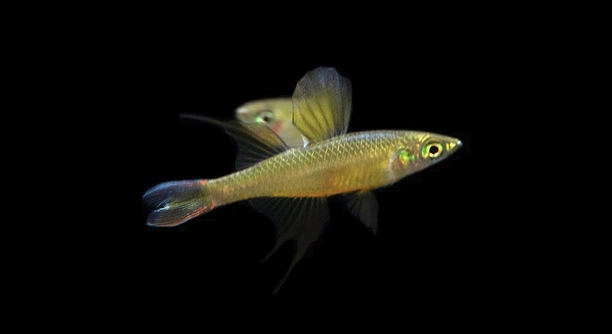
Do you ever find yourself arranging your aquarium and wondering which plants are safe for your threadfins to swim through without damage? Choosing the right vegetation is essential to maintain both beauty and the well-being of your fish.
Threadfins are delicate swimmers that require plants with soft, flexible leaves and sturdy stems. Suitable choices include species like Java Fern, Anubias, and Amazon Sword, which provide shelter, improve water quality, and do not harm their fins.
Knowing which plants are safe ensures a healthier, more vibrant environment for your threadfins to thrive naturally.
Java Fern
Java Fern is a popular choice for aquariums with threadfins because it grows slowly and has soft, flexible leaves that won’t tear delicate fins. It attaches easily to rocks or driftwood, making it simple to place without disturbing the substrate. Its hardy nature allows it to thrive in various water conditions, from low to moderate light. You can propagate it by dividing the rhizomes, which will eventually give you more plants to fill your tank. Java Fern also helps improve water quality by absorbing excess nutrients, which can reduce algae growth. Its long, flowing leaves provide natural hiding spots for threadfins, helping them feel secure while swimming. Unlike some plants, Java Fern does not require frequent trimming or fertilizer, making it low maintenance. Threadfins will glide through its leaves without harm, and the plant’s presence adds a natural aesthetic that enhances the overall tank environment.
This plant is ideal for beginners and advanced aquarists alike, combining safety and ease of care.
Its unique structure makes it an excellent anchor point for other plants or decorations, creating a layered, dynamic aquarium space. Threadfins will enjoy weaving between the leaves, and its presence reduces stress while adding greenery that complements other aquatic life in the tank.
Anubias
Anubias is sturdy and grows slowly, making it perfect for threadfins. Its broad leaves provide shelter without risk of damage.
Anubias thrives when attached to rocks or driftwood, avoiding substrate disturbance. Its tolerance to low light and minimal care requirements make it a reliable addition to any freshwater tank. Regular trimming of older leaves helps maintain health and prevents decaying matter from affecting water quality. Threadfins can swim freely among the broad leaves without risk, as the plant is resilient and smooth. Its presence enhances the tank’s appearance while offering shaded areas that reduce stress for your fish. By choosing Anubias, you ensure a safe, attractive, and functional environment that supports natural swimming patterns and overall fish health.
Adding Anubias improves water quality slightly by absorbing excess nutrients. Threadfins benefit from the shaded spots it provides, which mimic natural hiding areas. The plant also allows other species to coexist comfortably, offering gentle cover for smaller fish or invertebrates. Its slow growth ensures long-term stability, requiring little intervention to maintain its appearance. By pairing it with other safe plants, you can create a layered habitat that encourages exploration and natural movement, keeping your threadfins active and engaged. Regular observation will help maintain its health, while its smooth leaves remain uninjurious to delicate fins, combining practicality and aesthetic appeal efficiently.
Would you like me to continue with the next plants in the same format?
Amazon Sword
Amazon Sword plants grow quickly and have broad leaves that create safe swim paths for threadfins. Their size offers both cover and visual interest without harming delicate fins. These plants are resilient and can adapt to various water conditions in freshwater aquariums.
Amazon Swords require nutrient-rich substrate to thrive and benefit from occasional fertilization. Their large leaves provide natural hiding spots, reducing stress for threadfins. The plants also help maintain water quality by absorbing excess nutrients, preventing algae growth. Placement near the back or sides of the tank creates depth, while allowing open swimming areas in the center. Regular trimming of older leaves keeps the plant healthy and prevents decay from polluting the water. Their robust nature means they can withstand gentle nibbling or brushing from fish without damage. By combining visual appeal and function, Amazon Swords are an effective, low-maintenance choice.
Threadfins glide easily between Amazon Sword leaves, enjoying the protection and shaded areas they provide. The plant’s broad coverage encourages exploration while maintaining a safe environment. It works well with other tall or mid-height plants, creating layers in the aquarium that enhance both aesthetics and fish comfort. Over time, it establishes a natural-looking backdrop, supporting the overall ecosystem by promoting oxygenation and nutrient absorption. Its presence encourages natural swimming patterns while maintaining a clean and healthy tank environment. Proper care ensures it remains a durable and attractive feature for years.
Vallisneria
Vallisneria grows in long, ribbon-like strands that threadfins can swim through freely without risk of injury. It adapts well to different water conditions and spreads quickly. Its flowing leaves mimic natural aquatic environments.
Vallisneria thrives in moderate light and requires minimal maintenance, making it a practical choice for aquariums. Its leaves grow tall and flexible, creating vertical coverage that allows threadfins to navigate safely. The plant helps filter water by absorbing excess nutrients, reducing algae growth, and promoting stability in the aquarium’s ecosystem. Planting in groups or clusters enhances both aesthetics and safety, providing areas of shelter and visual separation. Occasional trimming prevents overcrowding and encourages healthy, consistent growth, ensuring the plant continues to provide functional and decorative benefits.
Its tall, graceful leaves create natural pathways for threadfins, encouraging movement while keeping them protected. Vallisneria also contributes to oxygenation and balances nutrients, supporting other plants and aquatic life. By combining practical benefits with a pleasing visual effect, it is an ideal plant for creating safe, dynamic swim zones. Regular monitoring ensures leaves remain healthy and free from decay, allowing threadfins to navigate effortlessly. Its flexibility and strength make it a dependable choice for maintaining a safe and engaging aquarium environment.
Hornwort
Hornwort has fine, feathery leaves that threadfins can swim through without risk. It grows quickly and helps oxygenate the water, creating a healthier environment for all aquatic life.
This plant does well floating or anchored in substrate. Its dense foliage offers shelter and hiding spots for threadfins while filtering excess nutrients from the water.
Water Wisteria
Water Wisteria grows in rosette formations with soft leaves that do not tear fins. It thrives in moderate light and adapts to most freshwater conditions. Its fast growth makes it ideal for filling empty spaces and providing safe swim paths for threadfins.
Cabomba
Cabomba features delicate, fan-shaped leaves that create a natural swimming maze. Threadfins navigate these plants without harm, and the foliage encourages natural movement patterns. Cabomba thrives in well-lit, nutrient-rich water. Regular trimming prevents overcrowding, ensuring the plant remains safe and functional while adding aesthetic appeal to the aquarium.
Cryptocoryne
Cryptocoryne has thick, flexible leaves that allow threadfins to swim through safely. It grows slowly, providing long-term stability in the tank. Its ability to adapt to different substrates and lighting conditions makes it a reliable choice for creating a safe, low-maintenance environment.
FAQ
Which plants are safest for threadfins to swim through?
Soft-leaved plants like Java Fern, Anubias, Amazon Sword, Vallisneria, Hornwort, Water Wisteria, Cabomba, and Cryptocoryne are ideal. Their flexible leaves and sturdy stems prevent tearing and provide safe swimming areas. Choosing these species ensures both fish comfort and healthy plant growth.
Can fast-growing plants harm threadfins?
Fast-growing plants generally do not harm threadfins if they have soft or flexible leaves. However, dense growth can trap debris or create tight spaces that may stress the fish. Regular trimming and proper placement prevent overcrowding while maintaining safety and functionality.
Do floating plants work well with threadfins?
Yes, floating plants can provide shade and shelter, but they should not overcrowd the tank. Species like Hornwort can float freely, offering hiding spots while allowing sufficient swimming space below. Maintaining light penetration and water circulation is essential.
How do I propagate safe plants for threadfins?
Many safe plants propagate easily. Java Ferns and Anubias can be divided by rhizomes, Amazon Swords produce offsets, and Water Wisteria can be replanted from cuttings. Regular propagation helps maintain healthy plants while providing additional safe swimming zones.
Are fertilizers safe for planted tanks with threadfins?
Yes, but use them carefully. Liquid fertilizers designed for aquariums are generally safe if dosed correctly. Avoid root tabs for delicate substrate setups, and monitor water parameters closely to prevent stress or toxicity to threadfins.
How much trimming is necessary for safe plants?
Trimming depends on growth rate. Fast-growing plants like Water Wisteria may require weekly maintenance, while slower species like Cryptocoryne need less frequent care. Trimming prevents overcrowding, maintains safe swimming paths, and keeps plants healthy.
Can threadfins damage the plants?
Threadfins are delicate and usually do not damage plants intentionally. They may brush against leaves or nibble occasionally, but soft, flexible plants minimize injury. Avoid plants with sharp or rigid leaves that could tear fins.
How do I arrange plants for maximum safety?
Place taller plants along the back or sides to create open swimming space in the center. Mid-height plants provide cover while allowing movement. Grouping plants in clusters offers hiding spots and reduces stress, creating a natural, secure environment.
Do these plants improve water quality?
Yes, most of the safe plants absorb excess nutrients, reduce algae growth, and provide oxygenation. A well-planted tank with Java Fern, Anubias, or Amazon Sword promotes balanced water chemistry, creating a healthier habitat for threadfins.
How do I prevent algae on these plants?
Algae control involves proper lighting, nutrient balance, and occasional cleaning. Avoid overfeeding fish, and remove decaying leaves promptly. Adding algae-eating species compatible with threadfins can also help maintain plant health without harming the fish.
Can I mix different safe plants together?
Yes, combining multiple species enhances visual appeal and provides varying swim paths. Mixing tall, mid-height, and floating plants creates a layered environment, offering both safety and exploration opportunities for threadfins while supporting healthy tank dynamics.
What are the most low-maintenance options?
Java Fern, Anubias, and Cryptocoryne are low-maintenance choices. They require minimal trimming, tolerate low light, and adapt to a wide range of water conditions. These plants are ideal for beginners or those wanting a low-stress, safe environment for threadfins.
How often should I check plant health?
Regular monitoring every week or two is sufficient. Look for decaying leaves, algae buildup, or discoloration. Prompt action maintains both plant and fish health, ensuring threadfins can swim safely through healthy, sturdy vegetation.
Can substrate type affect plant safety for threadfins?
Yes, plants like Amazon Sword and Cryptocoryne perform better in nutrient-rich substrates, while Java Fern and Anubias attach to rocks or driftwood. Proper substrate supports strong root systems, preventing uprooting that could disturb threadfins or damage the plant.
Are these plants compatible with other fish?
Most safe plants work well with peaceful community fish. Avoid aggressive species that may uproot or damage plants. Threadfins benefit from tankmates that respect the vegetation and do not compete for swimming space or hiding spots.
These FAQs cover the essentials of maintaining safe aquatic plants for threadfins, combining practical guidance with simple, actionable advice to ensure a healthy and secure aquarium environment.
Threadfins are delicate fish that require a carefully planned environment to thrive. Choosing the right plants is essential, as it ensures that the fish can swim freely without risk of injury. Soft-leaved and flexible plants such as Java Fern, Anubias, Amazon Sword, Vallisneria, Hornwort, Water Wisteria, Cabomba, and Cryptocoryne provide safe pathways for swimming. These plants are not only gentle on fins but also contribute to the overall health of the aquarium by absorbing excess nutrients and reducing algae growth. By including a mix of tall, mid-height, and floating plants, you create a layered environment that feels natural and offers both shelter and open swimming areas. Thoughtful arrangement of these plants enhances the aesthetic of the tank while providing comfort and security for threadfins. Maintaining a balance between plant density and open space is key to keeping the fish active and stress-free, which supports their long-term health.
Proper care and maintenance of the plants are also important for sustaining a safe environment. Regular trimming of fast-growing species prevents overcrowding, ensuring that threadfins can move freely without entanglement. Slow-growing plants like Cryptocoryne and Anubias require minimal attention, making them ideal for long-term stability. Paying attention to water conditions, lighting, and nutrient levels helps the plants remain healthy, which in turn maintains safe swimming zones for the fish. Floating plants and dense clusters provide shaded areas that reduce stress and mimic natural habitats, creating a more comfortable living space. Safe plants also encourage natural behavior in threadfins, such as weaving through leaves and exploring their surroundings. Consistent monitoring for signs of decay, algae buildup, or nutrient imbalances ensures that both plants and fish remain healthy and thriving. By keeping plant health a priority, aquarists can provide a supportive environment that balances beauty, function, and safety.
In addition to safety and maintenance, selecting the right combination of plants adds depth and dimension to the aquarium. Using a variety of species allows for different textures and heights, creating visual interest while also offering practical benefits. Tall plants along the back and sides frame the tank, while mid-height plants and floating species fill gaps and provide cover. This layered approach gives threadfins areas to explore while offering hiding spots that reduce stress. Plants like Amazon Sword and Vallisneria provide broad coverage for swimming, while Java Fern and Anubias add smaller touchpoints that threadfins can glide through safely. Over time, a well-planted tank develops a natural ecosystem where plants help stabilize water conditions, support other aquatic life, and maintain a safe and engaging habitat. Thoughtful selection and placement of plants allow aquarists to enjoy both the beauty of a thriving aquarium and the comfort and safety of their threadfins, making plant care a central part of responsible fishkeeping.
Word count: 416

Hello,
If you enjoy the content that we create, please consider saying a "Thank You!" by leaving a tip.
Every little bit helps us continue crafting quality advice that supports the health, happiness, and well-being of pets around the world, for pets of all shapes, sizes, and species.
We really appreciate the kindness and support that you show us!