
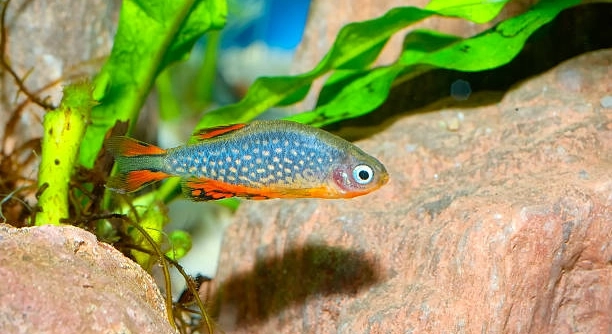
Keeping a Danio tank can be relaxing, but small issues may appear before they become serious. Observing the fish and water conditions regularly helps prevent common problems. Early awareness is key to maintaining a healthy tank environment.
Seven early indicators of Danio tank trouble include cloudy water, unusual fish behavior, erratic swimming, faded colors, frequent hiding, excessive algae growth, and sudden temperature fluctuations. Monitoring these signs allows for timely intervention and supports optimal fish health.
Recognizing these early signs ensures your Danios remain active and healthy. Addressing minor issues promptly prevents long-term problems in your tank ecosystem.
Cloudy Water
Cloudy water in a Danio tank often signals an imbalance in the tank’s ecosystem. This can happen when bacteria multiply too quickly, leftover food accumulates, or the filtration system isn’t keeping up. When water becomes cloudy, it reduces oxygen levels and creates a stressful environment for your fish. Over time, this can lead to poor fish health and increased susceptibility to disease. Regular water changes, careful feeding, and proper filtration help keep water clear. Observing the water each day can help you notice subtle changes early. Cloudy water doesn’t always mean a serious problem, but consistent cloudiness requires attention to prevent it from worsening. Using a test kit for ammonia, nitrite, and nitrate can give insight into the tank’s balance. Adjusting your maintenance routine based on these readings ensures your Danios remain in a stable environment. Avoid overfeeding, as uneaten food is a primary reason water becomes murky.
Maintaining clean water is essential for Danio health. Cloudy water is a sign to check filtration, feeding, and water quality immediately.
Monitoring water clarity regularly allows small changes to be caught early. This keeps your tank healthy, preventing larger issues from developing.
Unusual Fish Behavior
Unusual behavior in Danios can indicate stress or illness. Sudden lethargy, frantic swimming, or staying near the surface often signals that something is off. Observing behavior daily helps identify issues before they escalate. Behavioral changes can result from poor water quality, temperature fluctuations, overcrowding, or hidden illness. Even subtle changes, like reduced interest in food or less interaction with tank mates, should be noted. Danios are naturally active and social, so deviations from normal patterns are worth attention. Stress can weaken their immune system, making disease more likely. Early recognition of these signs allows for prompt action. Addressing water quality, checking for parasites, or adjusting tank conditions can restore normal behavior. Each fish may respond differently, so familiarity with your Danios’ typical routines helps in noticing irregularities. Keeping a simple log of daily observations can track trends and catch small problems before they become serious.
Behavior changes are early warnings. Watching closely ensures issues are identified quickly and treated effectively.
Unusual behavior often has underlying causes that require investigation. Poor water conditions, improper temperature, and overcrowding are common factors affecting Danios’ well-being. A stressed fish may hide more, swim erratically, or refuse food. These behaviors can indicate diseases, parasites, or imbalanced water chemistry. Checking water parameters, cleaning the tank, and ensuring proper diet are important first steps. Sometimes minor adjustments, like adding plants or hiding spots, reduce stress. Promptly isolating sick fish prevents problems from spreading to the rest of the tank. Observing feeding patterns and interactions with other fish provides clues about their health. Consistency in tank maintenance and environment stability improves behavior over time.
Do you want me to continue with the next two indicators following the same format?
Faded Colors
Faded colors in Danios are often a sign of stress or poor water quality. Healthy Danios display vibrant colors, so any dullness or paleness should be addressed quickly to maintain their well-being.
Color loss can result from a combination of factors, including poor diet, inadequate lighting, or improper water parameters. Stress caused by overcrowding or aggressive tank mates can also dull their natural hues. Ensuring a balanced diet rich in nutrients helps restore vibrancy. Maintaining stable water temperature and quality, along with proper filtration, supports natural coloration. Regular observation allows small changes in color to be noticed before they indicate more serious health problems. Color intensity is often the first visible sign that a Danio is not thriving, so prompt action is essential.
Some fading may be temporary after stress events like transport or tank cleaning. Consistent care, balanced nutrition, and stable environmental conditions usually help Danios regain their natural, bright colors. Avoid sudden changes in light or water parameters, as this can prolong color loss. Observing their daily activity alongside coloration helps determine if intervention is necessary.
Excessive Algae Growth
Excessive algae growth can disrupt the balance of a Danio tank and reduce oxygen levels. Keeping algae under control is crucial for a healthy tank environment.
Algae thrives when there is too much light, high nutrient levels, or irregular water changes. Left unchecked, it can coat surfaces, compete with plants for nutrients, and stress fish. Controlling feeding, reducing light duration, and performing regular water changes help prevent overgrowth. Using algae-eating fish or snails can assist, but they are not a complete solution. Monitoring nutrient levels, especially nitrates and phosphates, is essential for keeping algae manageable. Algae can appear suddenly, so regular cleaning and observation are necessary to maintain a balanced tank.
Excessive algae signals underlying issues with tank maintenance. Adjusting light exposure, feeding practices, and water quality ensures your Danios remain healthy and reduces long-term tank problems caused by unchecked algae proliferation.
Erratic Swimming
Erratic swimming often signals stress, illness, or water quality problems. Danios normally swim smoothly and actively, so sudden darting, circling, or crashing into objects requires attention.
This behavior can result from parasites, poor water conditions, or sudden temperature changes. Observing the tank and testing water parameters helps identify the cause.
Frequent Hiding
Frequent hiding is a common stress response. Danios retreat when water conditions are poor, tankmates are aggressive, or illness is present. Providing proper hiding spots and monitoring interactions can help reduce this behavior and restore normal activity.
Sudden Temperature Fluctuations
Sudden temperature changes can shock Danios and weaken their immune system. Maintaining stable water temperature with a reliable heater and thermometer is crucial for keeping fish healthy.
Loss of Appetite
Loss of appetite is an early indicator of stress or illness. Danios may stop eating when water quality is poor, they are sick, or they experience sudden environmental changes. Observing feeding patterns daily helps detect problems early.
FAQ
How often should I test the water in my Danio tank?
Testing the water at least once a week is recommended. Frequent checks help you catch changes in ammonia, nitrite, nitrate, and pH levels before they become harmful. Consistent monitoring ensures a safe and stable environment for your fish.
What is the best way to perform a water change?
Remove about 20–30% of the tank water and replace it with fresh, dechlorinated water at the same temperature. This keeps the environment stable while removing waste and excess nutrients that could harm your Danios. Regular partial changes prevent water quality issues.
Why are my Danios hiding more than usual?
Hiding can indicate stress caused by poor water quality, aggressive tankmates, or illness. Providing plants or hiding spots helps, but frequent hiding should prompt a check of water parameters and fish behavior. Addressing underlying issues restores normal activity.
What causes cloudy water in the tank?
Cloudy water usually results from bacterial blooms, leftover food, or insufficient filtration. Regular water changes, proper feeding, and cleaning the filter help maintain clear water. Monitoring ammonia and nitrate levels ensures the tank remains balanced.
How can I tell if my Danios are stressed?
Signs include erratic swimming, loss of appetite, faded colors, and hiding frequently. Stress often arises from poor water quality, temperature changes, overcrowding, or aggressive tankmates. Observing behavior daily helps detect problems early and guide corrective action.
What should I feed my Danios?
A varied diet of high-quality flake food, small pellets, and occasional live or frozen foods supports health and coloration. Avoid overfeeding, as leftover food can foul the water and encourage algae growth, which can affect water quality.
How do I control algae growth?
Algae thrives with excess light and nutrients. Limit light exposure, avoid overfeeding, and perform regular water changes. Adding plants or algae-eating species may help, but maintaining proper tank balance is the most effective control method.
Can temperature fluctuations harm Danios?
Yes, sudden temperature changes can stress fish and weaken immunity. Maintaining a consistent temperature with a reliable heater and thermometer is essential. Avoid placing the tank near drafts or heating vents that could cause rapid fluctuations.
How can I improve the color of my Danios?
Bright colors depend on proper nutrition, clean water, and low stress. Feed nutrient-rich foods, maintain stable water parameters, and provide a calm environment. Avoid sudden changes in light or temperature that could dull their natural coloration.
When should I quarantine new fish?
Quarantine new fish for at least two weeks before adding them to the main tank. This prevents potential diseases or parasites from affecting your established Danios. Observing their behavior and health during quarantine helps ensure a safe introduction.
What signs indicate disease in Danios?
Symptoms include clamped fins, spots, lesions, erratic swimming, loss of appetite, and unusual hiding. Early recognition allows treatment before the condition spreads or worsens. Maintaining good water quality reduces the risk of disease.
How can I prevent water quality problems?
Regular water testing, partial water changes, proper feeding, and efficient filtration maintain balance. Avoid overstocking the tank and monitor fish behavior consistently. Early detection of changes in water clarity or behavior helps prevent serious issues.
Is tank size important for Danios?
Yes, Danios are active swimmers and require enough space. A minimum of 10 gallons is recommended for a small group, but larger tanks reduce stress, improve water quality, and allow natural behavior. Proper stocking density supports health and activity.
How do I know if my filter is working effectively?
A properly functioning filter circulates water efficiently and removes debris without creating strong currents that stress Danios. Inspect it regularly, clean or replace media as needed, and monitor water clarity and oxygen levels to ensure optimal performance.
What should I do if multiple problems occur at once?
Address the most urgent issues first, such as water quality or illness. Test water, remove any dead or sick fish, and perform partial water changes. Then adjust feeding, lighting, and temperature gradually to stabilize the tank. Consistent monitoring ensures problems are managed.
How can I maintain a stress-free environment for Danios?
Provide enough space, proper hiding spots, consistent water quality, and compatible tankmates. Avoid sudden changes in lighting, temperature, or decorations. Observing behavior daily allows you to respond to early signs of stress before they escalate.
Can overcrowding cause tank trouble?
Yes, too many fish increase waste, reduce oxygen, and cause stress. Maintain recommended stocking levels for Danios and monitor water quality closely. Proper spacing reduces disease risk and supports natural behavior.
How often should I clean the tank decorations and substrate?
Clean decorations and substrate during regular water changes to prevent waste buildup and algae growth. Avoid over-cleaning, which can disrupt beneficial bacteria. Gentle cleaning helps maintain a healthy balance without harming the ecosystem.
Are Danios compatible with other fish?
Yes, but choose peaceful species of similar size. Aggressive or slow-moving fish can stress Danios, affecting behavior and coloration. Observing interactions and adjusting tankmates ensures a balanced, calm environment.
What is the most common reason for early tank problems?
Poor water quality, overfeeding, and sudden environmental changes are the leading causes. Regular maintenance, careful observation, and proper stocking practices prevent most common issues and support the long-term health of Danios.
How can I reduce the risk of disease in the tank?
Maintain clean water, provide a balanced diet, avoid overcrowding, and quarantine new fish. Regularly monitor behavior, color, and appetite to catch early signs of illness. Prompt action prevents spread and protects the entire tank population.
What role does lighting play in Danio health?
Proper lighting supports coloration, plant growth, and natural behavior. Too much light can encourage algae, while too little affects activity and appearance. Keep a consistent schedule that balances both fish and plant needs.
How do I safely introduce plants to the tank?
Rinse new plants thoroughly, remove dead leaves, and consider quarantining if unsure about pests. Live plants improve oxygen levels and provide hiding spots, contributing to a healthier and less stressful environment for Danios.
Can sudden changes in water chemistry be harmful?
Yes, abrupt shifts in pH, hardness, or temperature stress Danios and increase disease susceptibility. Gradual adjustments and careful monitoring prevent shock and support a stable, healthy tank environment.
What is the best way to observe my Danios for early signs of trouble?
Spend a few minutes daily watching swimming patterns, color, and feeding behavior. Keeping a simple log of observations helps track changes over time, allowing early intervention before minor issues escalate into serious problems.
How often should I replace filter media?
Replace media according to manufacturer guidelines or when it becomes clogged. Do not replace all media at once, as beneficial bacteria are essential for maintaining a healthy tank. Staggering replacements maintains filtration efficiency without harming water balance.
What should I do if my Danios appear lethargic?
Check water quality, temperature, and tankmates. Ensure the fish are eating and remove any stressed or sick individuals if necessary. Lethargy often indicates underlying stress or illness that requires prompt attention.
How can I keep my Danios active and healthy long-term?
Provide proper tank size, clean water, varied diet, stable conditions, and compatible tankmates. Observe behavior and respond to minor changes early. Consistent care supports long-term health, bright colors, and natural activity.
This FAQ addresses most common issues, helping maintain a safe and thriving Danio tank environment.
Final Thoughts
Maintaining a Danio tank requires consistent attention, but it does not have to be complicated. Small daily habits make a big difference in keeping your fish healthy and active. Observing your Danios, checking water parameters, and performing regular maintenance prevents most problems before they become serious. Many early signs of trouble, such as cloudy water, faded colors, or unusual behavior, are easy to miss if you do not watch the tank regularly. Taking a few minutes each day to notice how your fish swim, interact, and eat can help you spot issues early. Simple actions, like adjusting feeding amounts, changing water partially, and checking temperature, go a long way in creating a stable environment for your Danios. Over time, these small efforts reduce stress on the fish and prevent common tank problems, allowing you to enjoy a vibrant and balanced aquarium.
It is important to remember that each Danio tank is slightly different. Factors such as tank size, filtration type, water source, and number of fish can affect how quickly issues appear and how you should respond. While guidelines for maintenance, feeding, and water testing are helpful, observing your own tank and learning what is normal for your fish is equally important. Some Danios may hide more or swim differently based on their personalities or tank layout, so knowing your fish’s usual patterns is key. Regular monitoring helps you distinguish between temporary changes caused by minor stress and early indicators of serious problems. By keeping track of water quality, fish behavior, and overall tank condition, you reduce the risk of illness, stress, and environmental imbalance. Preventing problems before they escalate saves both time and worry and ensures your Danios thrive for years.
Consistency, patience, and attentiveness are the best tools for a successful Danio tank. Even small adjustments, like maintaining proper lighting, cleaning decorations carefully, or providing hiding spots, contribute to a healthy and stress-free environment. Addressing minor issues early, whether it is algae growth, erratic swimming, or appetite changes, can prevent larger complications. Maintaining a stable and balanced tank requires a combination of proper care and observation. Over time, you will develop a routine that works for your specific setup, making it easier to recognize problems quickly and apply effective solutions. With regular attention and mindful maintenance, your Danios will stay active, colorful, and healthy. A well-kept tank not only benefits the fish but also creates a more enjoyable and peaceful experience for anyone observing them. Taking these steps ensures a thriving, balanced aquarium that continues to provide beauty and activity for years to come.

Hello,
If you enjoy the content that we create, please consider saying a "Thank You!" by leaving a tip.
Every little bit helps us continue crafting quality advice that supports the health, happiness, and well-being of pets around the world, for pets of all shapes, sizes, and species.
We really appreciate the kindness and support that you show us!