
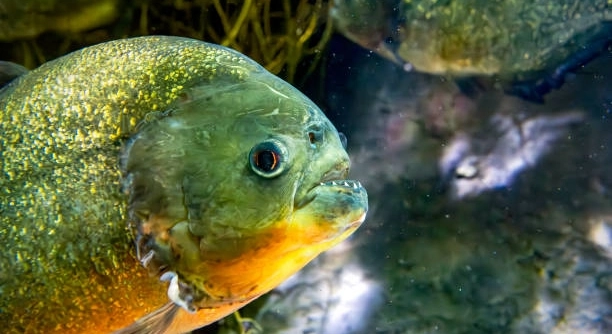
Keeping piranhas calm is important for their health and the safety of their environment. These fish can become stressed easily, which affects their behavior and well-being. Knowing how to maintain a peaceful tank helps both the fish and their owners.
Piranhas respond best to stable conditions, minimal disturbances, and proper care routines. Providing a calm environment reduces stress-induced aggression and promotes their natural behaviors, which is crucial for their overall health and longevity in captivity.
This article shares practical reminders to help you create a calm and balanced habitat for your piranhas. Following these tips will support a healthier, more peaceful aquatic environment.
Keep the Tank Clean and Stable
Maintaining a clean tank is essential for keeping piranhas calm. Dirty water causes stress and can lead to illness. Regular water changes help remove waste and toxins that build up over time. Use a good filter to keep the water clear and oxygen-rich. Avoid sudden changes in water temperature or chemistry, as piranhas are sensitive to these shifts. Checking water parameters like pH, ammonia, and nitrate levels weekly helps catch problems early. Consistency in the tank environment makes the fish feel safe. Remember to clean decorations and substrate occasionally but avoid disturbing the tank too much. This balance supports a healthy and calm habitat where piranhas can thrive.
Changing about 20-30% of the water every week is usually enough to maintain good conditions.
A stable and clean tank minimizes stress for piranhas. Stress can make them aggressive or hide too much. When the water is clean and stable, piranhas act more naturally and peacefully. Keeping the tank steady also reduces the risk of diseases, which can cause more agitation. It is important to follow a routine for tank maintenance that fits your schedule to avoid overwhelming the fish with sudden changes. This routine benefits the fish’s long-term health and keeps them calm and active. Taking time for proper care helps build a balanced environment that everyone in your home can enjoy.
Provide Hiding Spots and Space
Piranhas need places to hide and enough room to swim freely.
Hiding spots help piranhas feel secure. In the wild, they often stay near plants, rocks, or fallen branches. Providing similar places in the tank allows them to retreat when they feel threatened or stressed. Use sturdy decorations and live or artificial plants to create these safe zones. Avoid overcrowding the tank. Too many fish in a small space increase tension and aggressive behavior. A larger tank gives piranhas room to establish their own territories and reduces conflicts. Space also encourages natural swimming and hunting behaviors, which keeps them mentally and physically healthy. Paying attention to tank layout improves their comfort and lowers stress. This careful setup supports calmer fish and a more enjoyable tank experience for the caretaker.
Avoid Overfeeding
Overfeeding piranhas can cause water pollution and stress. It also leads to aggressive behavior due to competition for food.
Feeding your piranhas the right amount keeps the tank cleaner and the fish calmer. Excess food decays and increases harmful bacteria, which impacts water quality. Poor water quality stresses piranhas, making them more prone to biting and fighting. It’s best to feed only what they can eat in a few minutes, usually once or twice a day. Stick to a balanced diet with appropriate protein sources to meet their needs without overloading the tank.
A controlled feeding routine helps maintain stable water conditions and reduces tension among fish. Piranhas that are neither hungry nor overfed tend to be less aggressive. Proper portioning also saves money and prevents waste. By observing their eating habits closely, you can adjust portions to match their appetite and health needs. This simple practice makes a big difference in their behavior and tank environment.
Minimize Loud Noises and Vibrations
Loud sounds and vibrations stress piranhas and disrupt their calm.
Piranhas have sensitive senses and pick up on vibrations through the water. Sudden or constant noise can frighten them and cause erratic swimming or aggression. Keep the tank in a quiet area away from heavy foot traffic, loud music, or appliances. Soft, gentle background sounds are less likely to disturb them. Avoid tapping on the glass or banging near the tank.
Reducing noise pollution helps piranhas feel safe and relaxed. When they sense calm surroundings, their natural behaviors emerge more clearly. A peaceful environment encourages social harmony and reduces stress-related illnesses. Being mindful of the tank’s location and nearby activities supports the fish’s overall well-being. Small changes in daily noise exposure can significantly improve their comfort and reduce agitation. This attention to detail enhances the care experience for both the fish and the keeper.
Maintain Proper Lighting
Lighting affects piranhas’ mood and activity. Too bright or sudden changes can cause stress and agitation.
Use soft, consistent lighting to mimic their natural environment. Dim lights or shaded areas help them feel secure.
Monitor Tank Mates
Not all fish make good companions for piranhas. Choose tank mates carefully to avoid stress and aggression.
Piranhas can become aggressive if housed with small or overly active fish. Compatible tank mates should be similar in size and temperament. Avoid overcrowding, which increases tension and fights. Observe interactions closely and be ready to separate fish if needed. A well-planned community tank helps maintain calm and harmony.
Keep Feeding Times Consistent
Regular feeding times create a routine that calms piranhas. Irregular feeding may cause stress and competition.
Consistent schedules help fish know when to expect food, reducing anxiety and aggressive behavior around feeding.
FAQ
How often should I clean my piranha tank?
Cleaning the tank weekly by changing 20-30% of the water is usually enough. Regular cleaning helps remove waste and toxins that stress piranhas. Avoid full water changes unless necessary, as sudden shifts can upset the fish. Cleaning decorations and checking the filter monthly keeps the environment healthy and stable.
What is the best diet for keeping piranhas calm?
Piranhas thrive on a high-protein diet including fish, shrimp, and specialized pellets. Avoid overfeeding, as leftover food causes water issues and stress. Feeding once or twice daily, offering only what they eat quickly, helps keep them calm and healthy. Variety in diet supports their nutritional needs without causing aggression.
Can piranhas live with other fish peacefully?
Piranhas can live with tank mates that are similar in size and temperament. Avoid small or very active fish that may provoke aggression. Proper tank size and hiding spots reduce conflicts. Monitor interactions closely and separate fish if aggressive behavior appears to maintain a calm tank.
Why do my piranhas sometimes act more aggressive at night?
Piranhas are naturally more active during low light or nighttime. This increased activity can look like aggression but is often part of their normal behavior. Providing hiding spots and dim lighting can reduce stress during these times. Keep disturbances low to help them settle.
How important is tank size for piranha behavior?
A larger tank reduces territorial disputes and stress by giving piranhas enough space to swim and hide. Crowded conditions often lead to aggression and health problems. Aim for at least 20 gallons per fish, depending on species size, to maintain calm and healthy fish.
What are signs of stress in piranhas?
Signs include erratic swimming, hiding excessively, loss of appetite, and increased aggression. Poor water quality, loud noises, and overcrowding often cause stress. Regular tank maintenance and creating a stable environment help prevent these issues.
How do sudden changes in water affect piranhas?
Sudden shifts in temperature, pH, or water chemistry stress piranhas, causing aggression or illness. Gradual changes during water changes and careful monitoring prevent shock. Keeping parameters stable is key to their calm and well-being.
Is it okay to tap on the glass to get piranhas’ attention?
Tapping the glass stresses piranhas by creating vibrations they interpret as threats. This can cause anxiety and aggressive behavior. It’s best to avoid tapping and instead approach the tank calmly during feeding or maintenance.
What types of decorations are best for piranhas?
Use sturdy rocks, driftwood, and dense plants to provide hiding spots and territory boundaries. Avoid sharp or unstable decorations that can injure the fish. These elements help reduce stress and create a more natural environment.
How do I handle aggressive piranhas safely?
Use a net carefully and avoid sudden movements to minimize stress. Wear protective gloves if needed and work slowly. If aggression is constant, consider separating the most aggressive individuals or increasing tank size and hiding spots. Keeping the environment calm reduces the need for handling.
Keeping piranhas calm requires steady care and attention to their environment. These fish respond well to stable conditions, proper feeding, and a peaceful tank setup. By regularly maintaining water quality and avoiding sudden changes, you help reduce their stress. Clean water and consistent temperature keep them healthy and less likely to show aggressive behavior. Piranhas, like many animals, thrive when their surroundings feel safe and predictable. Making small, steady improvements to the tank environment has a big impact on their overall mood and health.
Providing hiding spots and enough space in the tank also plays a key role in keeping piranhas calm. When they have places to retreat and claim as their own, they feel more secure. Overcrowding and lack of shelter increase tension and can lead to fighting. Carefully choosing tank mates and keeping noise levels low help create a calm atmosphere. Soft lighting and a regular feeding schedule also support their natural habits and reduce anxiety. Attention to these details not only keeps piranhas calm but also helps them live longer, healthier lives.
Being patient and observant is important when caring for piranhas. Every tank is different, and what works for one may need adjustment for another. Watching how your fish react to changes in their environment gives you clues on how to improve their care. Staying consistent with routines, such as feeding and cleaning, provides stability that piranhas need. Overall, thoughtful care focused on comfort and calmness makes a big difference. A well-maintained tank helps your piranhas show their natural behavior while staying peaceful and healthy.

Hello,
If you enjoy the content that we create, please consider saying a "Thank You!" by leaving a tip.
Every little bit helps us continue crafting quality advice that supports the health, happiness, and well-being of pets around the world, for pets of all shapes, sizes, and species.
We really appreciate the kindness and support that you show us!